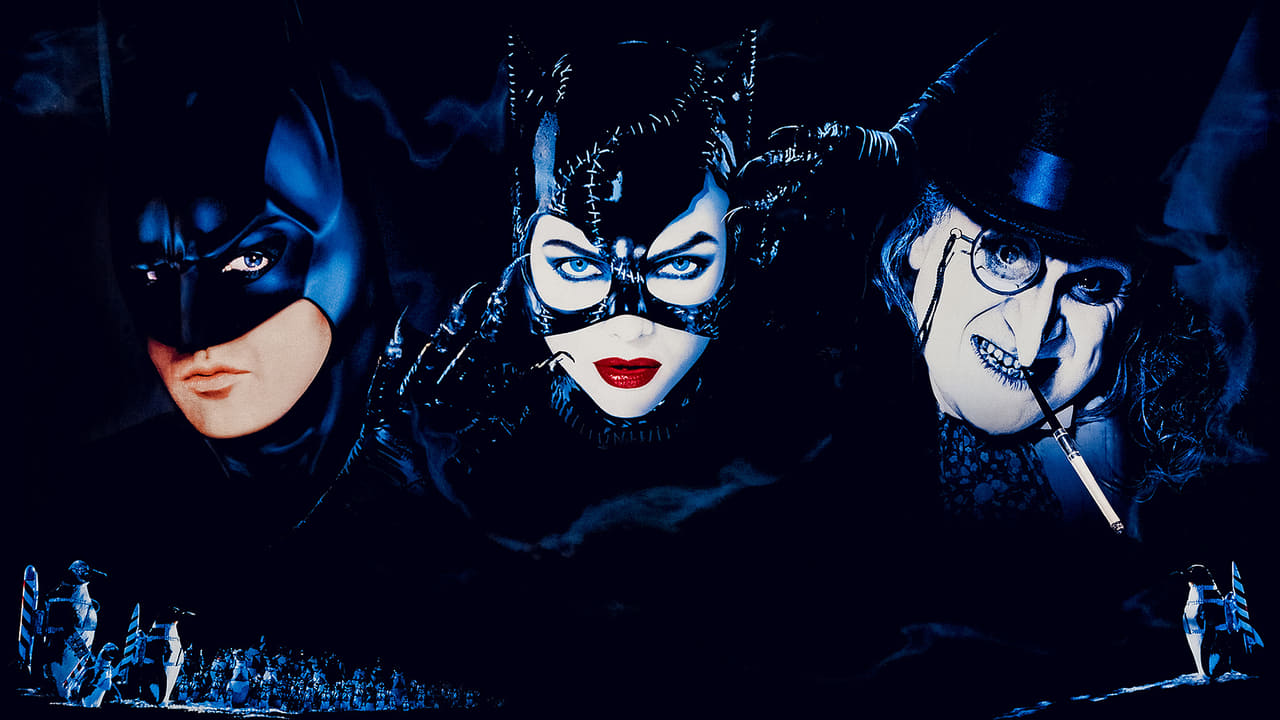
The cradle rocks, not on a gentle bough, but atop stone steps slick with ice, before tumbling into the frozen blackness of Gotham's sewers. So begins Tim Burton's Batman Returns (1992), less a superhero sequel and more a gothic opera dripping with Yuletide melancholy and grotesque beauty. Forget the triumphant fanfare of its 1989 predecessor; this film plunges us headfirst into a colder, stranger, altogether more unsettling vision of the Dark Knight's world, a feeling that lingered long after the tracking lines faded on countless worn-out VHS tapes rented late at night.
Gotham's Rotting Christmas Card
This isn't the Gotham you merely visit; it's the one that seeps under your skin. Burton, alongside production designers Bo Welch and the legacy of the late Anton Furst, crafts a city trapped in a perpetual, chilling winter. Snow dusts towering, fascistic architecture, Christmas lights twinkle incongruously against gargoyles, and the whole affair feels less like a holiday celebration and more like a beautiful wake. It’s a German Expressionist nightmare filtered through a snow globe, underscored relentlessly by Danny Elfman’s magnificent, haunting score – arguably one of his finest – that weaves tragedy and menace into every frame. The atmosphere isn't just set dressing; it is the film's dark heart, a tangible presence that isolates its characters in their respective miseries.
An Unholy Trinity of Freaks
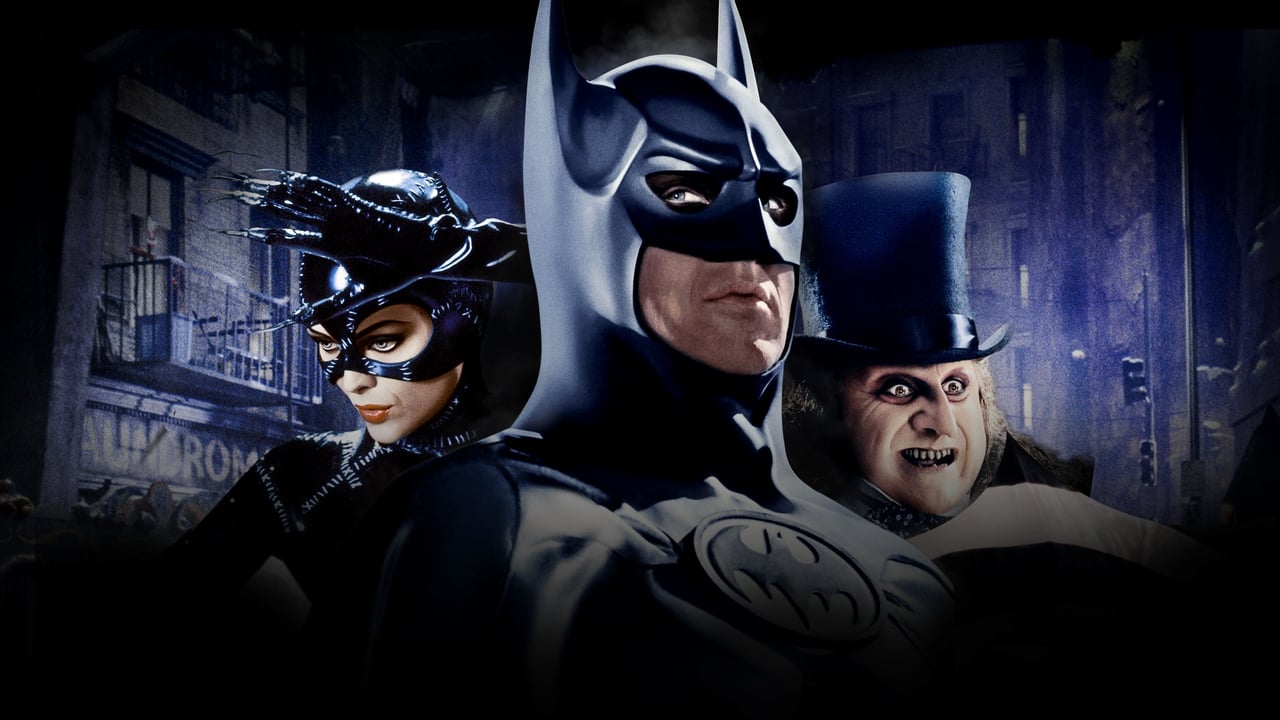
At the center of this urban decay are three figures, broken and remade by trauma. Michael Keaton returns as Bruce Wayne/Batman, perhaps even more withdrawn and spectral than before. His Bruce is a ghost haunting his own mansion, while his Batman is a creature of pure reflex and shadow, reacting to the escalating chaos with grim determination. Keaton’s genius lies in the quiet moments, the flicker of pain behind the cowl, suggesting the immense burden of his dual existence without overt exposition. He’s almost a supporting player in his own film, willingly ceding the spotlight to the magnificent grotesques who steal the show.
And steal it they do. Danny DeVito delivers a career-defining performance as Oswald Cobblepot, the Penguin. This isn't the comical rogue of the comics; this is a feral, tragic monster, abandoned and raised in darkness, driven by a potent cocktail of rage, self-pity, and raw ambition. DeVito’s commitment was legendary; reports from the set described him remaining in character, shuffling and snarling, his mouth perpetually stained with the vile black mixture (reportedly mouthwash and food colouring) he’d spew. The Stan Winston Studio makeup is transformative, making Cobblepot truly repulsive yet strangely pitiable. Doesn't his guttural cry, "I am not a human being! I am an animal!" still echo with a peculiar sadness?
Then there's Selina Kyle, brought to electrifying life by Michelle Pfeiffer. Her transformation from mousy, downtrodden secretary to the vengeful, psychologically fractured Catwoman is pure cinematic lightning. Clad in that iconic, stitched-together vinyl suit – a costume so notoriously tight, rumour persists Pfeiffer had to be vacuum-sealed into it and could only wear it briefly – she embodies a dangerous, unpredictable femininity. Her whip cracks with lethal precision, her movements are feline and fluid, and her eyes blaze with a mix of madness and liberation. That unforgettable moment where she confronts Batman and Penguin, declaring "Life's a bitch, now so am I," felt like a jolt through the superhero genre. And who could forget the infamous story about her putting a live bird in her mouth during one take? Whether entirely true or not, it speaks volumes about the ferocious commitment Pfeiffer brought to the role, cementing her Catwoman as arguably the definitive screen portrayal.
Burton Unleashed: Artistry and Excess
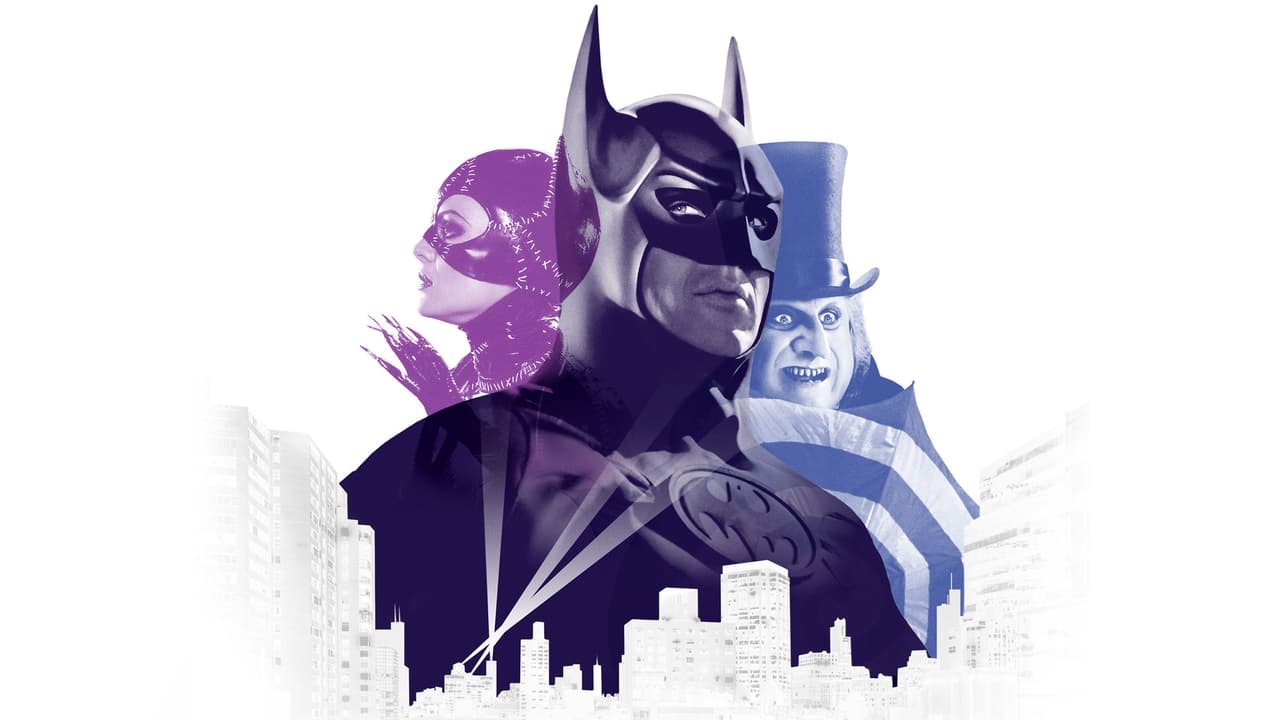
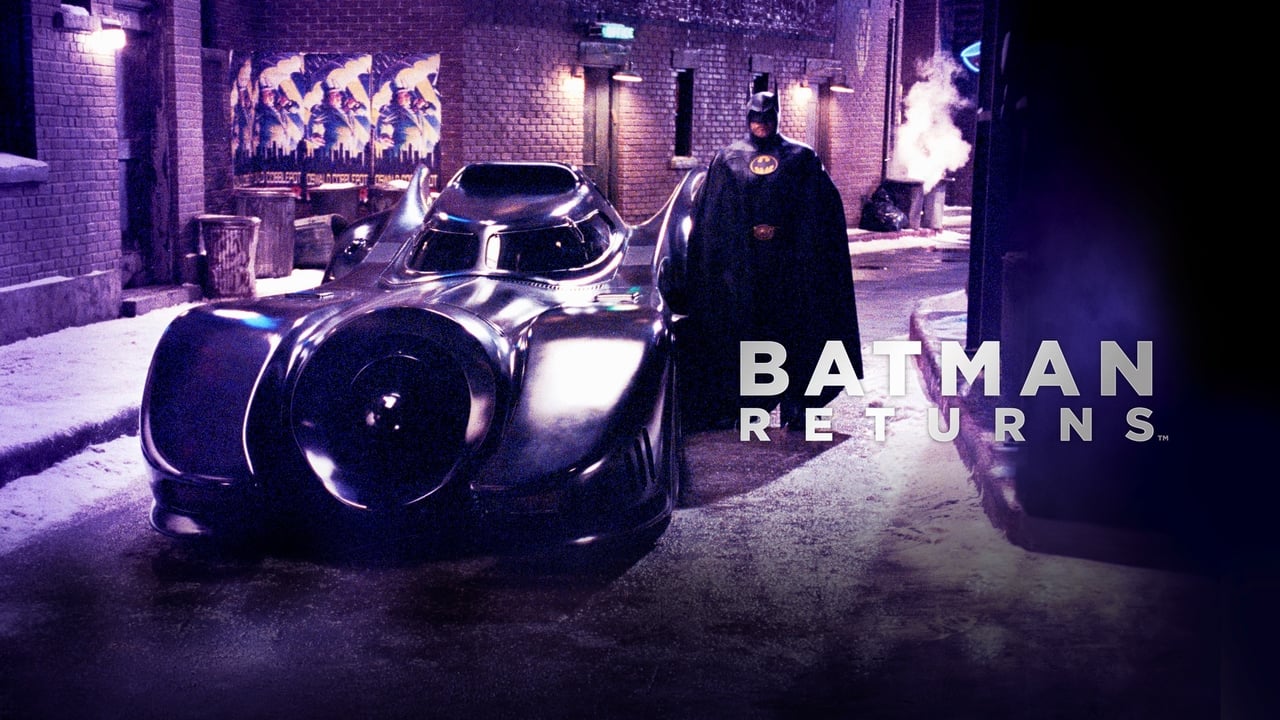
Freed from the origin story constraints of the first film, Burton, working from a sharp, cynical script by Daniel Waters (of Heathers fame, replacing original Batman scribe Sam Hamm), leans hard into his signature preoccupations: outcasts, gothic romance, and dark fairytale logic. The result is visually stunning but tonally challenging. The violence feels sharper, the sexuality more overt (that mistletoe scene!), and the overall mood far bleaker than typical blockbuster fare. The practical effects, from Penguin’s makeup to the complex orchestration of his avian army (a logistical nightmare involving real penguins kept cool on set, sophisticated animatronics, and actors in suits), feel wonderfully tactile in a way CGI rarely replicates. Yet, this uncompromising vision, costing a hefty $80 million (roughly $175 million adjusted for inflation), proved divisive.
The Chill Lingers: Controversy and Legacy
Batman Returns was a financial success, grossing over $266 million worldwide, but its intense darkness and disturbing imagery sparked considerable backlash. Parents, perhaps expecting a repeat of the slightly more conventional 1989 film, were reportedly shocked by the film's grim tone and DeVito's repellent Penguin. The most infamous fallout involved the McDonald's Happy Meal tie-in, leading to widespread complaints that the film was far too scary and mature for its accompanying toy promotion. This controversy arguably contributed to Warner Bros. shifting gears for the next installment, leading to the more neon-drenched, family-friendly approach of Batman Forever (1995) under Joel Schumacher.

Despite, or perhaps because of, its uncompromising nature, Batman Returns endures. It’s a unique beast within the superhero genre – a deeply personal, auteur-driven blockbuster that prioritized mood and character pathology over conventional heroics. It’s messy, excessive, and at times profoundly weird (rocket-launching penguins, anyone?), but it's also beautiful, tragic, and unforgettable. It stands as a testament to a time when a major studio allowed a director's singular, dark vision to run wild, even under the shadow of a beloved icon.
Rating: 9/10
This score reflects the film's sheer artistic audacity, its unforgettable performances (especially from Pfeiffer and DeVito), its stunning production design, and its powerful, lingering atmosphere. While its tonal darkness and sometimes disjointed narrative might have alienated some viewers back in '92 (and perhaps still do), its uncompromising vision and iconic character work make it a high point of gothic blockbuster filmmaking and a crown jewel of the Burton era. It remains a fascinating, flawed masterpiece that feels more daring and distinctive with each passing year – a Christmas nightmare you can’t help but revisit.