The air hangs thick and yellow, not with rain-slicked grit, but with the sickly haze of a Los Angeles nightmare. Gone is the gothic grandeur of Detroit; replaced by a smog-choked vision of urban decay that feels deliberately harsher, perhaps even meaner. Stepping into The Crow: City of Angels (1996) always felt like chasing a ghost – the phantom presence of Brandon Lee and the raw, tragic lightning captured in the first film. Could lightning strike twice? The flickering uncertainty on the rental tape label seemed to whisper, probably not.

Beneath Broken Wings
Following a masterpiece born from real-life tragedy was always going to be an impossible task. The Crow (1994) wasn't just a movie; it was an event, a beautiful, melancholic elegy wrapped in comic book violence. This sequel, arriving just two years later, picks up the core concept: a murdered soul resurrected by supernatural avian intervention to exact brutal revenge. This time, it’s mechanic Ashe Corven (Vincent Perez) and his young son Danny who fall victim to the drugged-out depravity of Judah Earl (Richard Brooks) and his gang of cartoonish degenerates (including a sneering Iggy Pop as Curve). Ashe returns, guided by the crow, face painted, ready to dispense justice. The template is familiar, almost slavishly so, yet the soul feels… thinner. Vincent Perez, burdened with unenviable comparisons, offers a more feral, less poetic anguish than Lee's Eric Draven. It’s a performance of raw nerve, but lacks the underlying vulnerability that made Draven so iconic.
A Music Video Nightmare
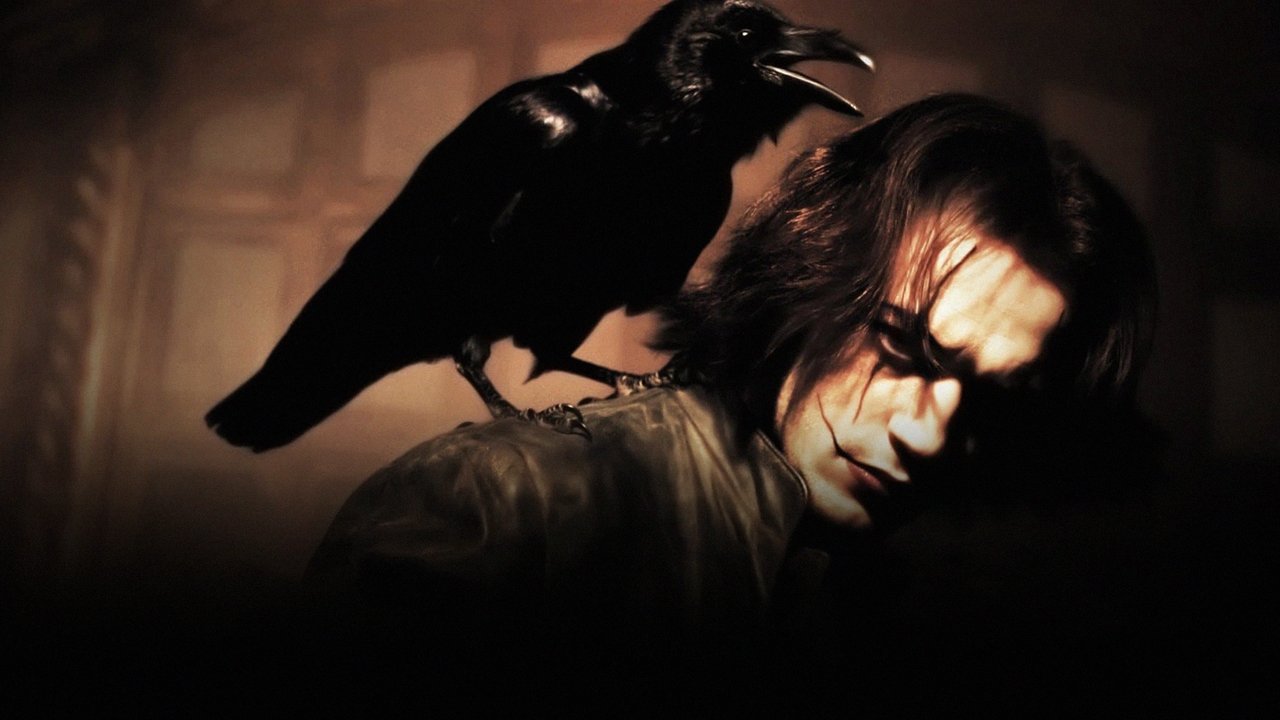
Director Tim Pope, famed for his visually arresting music videos for bands like The Cure and Siouxsie and the Banshees, drenches the film in a distinctive, if often oppressive, style. The infamous yellow/green filter coats everything, creating a world that feels perpetually jaundiced and unwell. Dutch angles abound, quick cuts disorient, and slow-motion strives for impact. It’s visually busy, a stark contrast to the more painterly compositions of the original. While Pope certainly crafts some striking images – the Dia de Muertos sequence, the sheer grime of Judah's lair – the relentless stylization sometimes smothers the narrative, making scenes feel like elaborate set pieces rather than organic parts of a story. It looked undeniably cool in snippets on MTV back in the day, didn't it? But stretched over 90 minutes, did that aesthetic sustain the mood or just become exhausting?
Echoes in the Alleyways
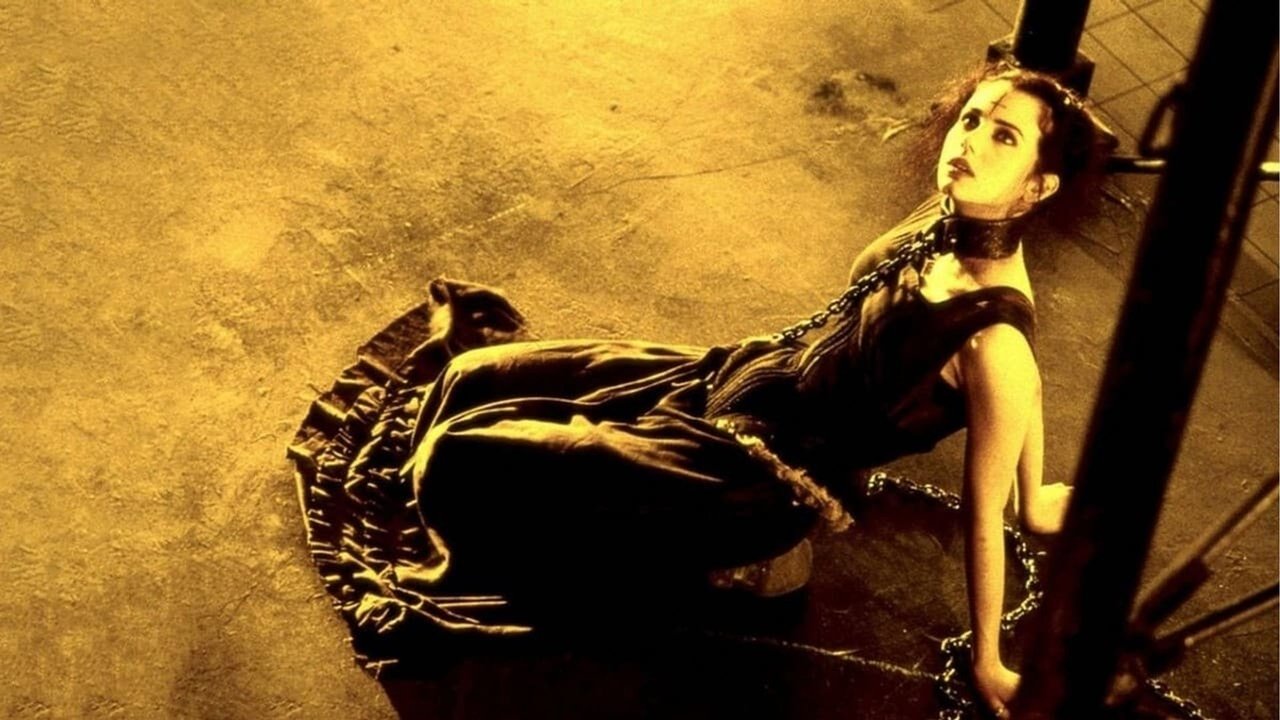
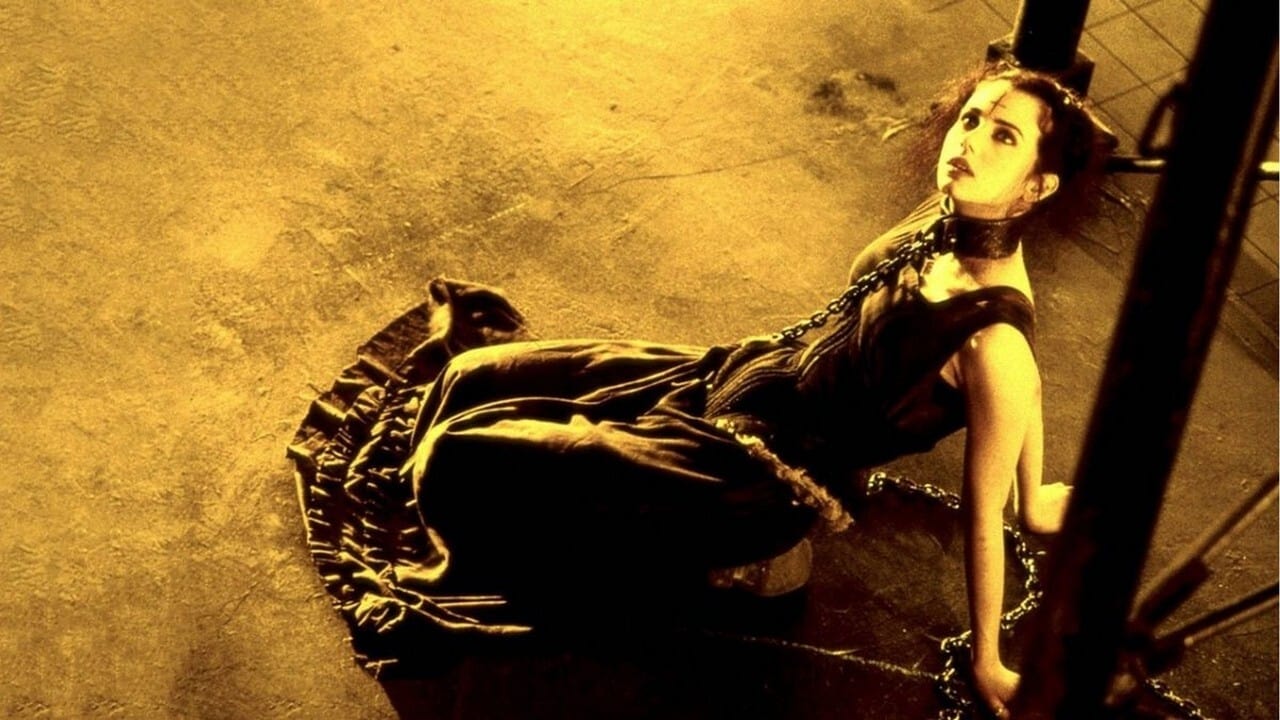
The connective tissue to the original is Sarah (Mia Kirshner), now grown and working as a tattoo artist, haunted by dreams of Eric and Ashe. Kirshner, always a compelling screen presence, does her best, but her role feels more like a narrative requirement than a fully integrated part of Ashe's journey. Her presence is a constant reminder of the superior film that came before. The plot itself, penned by David S. Goyer (who would later find huge success scripting Blade (1998) and Christopher Nolan's Batman Begins (2005)), hits similar beats: the systematic takedown of the gang, the climactic confrontation. Yet, the villains here lack the memorable menace of Top Dollar's crew; they feel more like generic 90s movie thugs dipped in grunge aesthetics. Richard Brooks' Judah, with his bizarre blood rituals and messianic complex, aims for unsettling but often lands closer to B-movie posturing.
The Ghost in the Machine: Retro Fun Facts
The shadow of the original loomed large over production. Reports of significant studio interference from Miramax/Dimension Films are legendary among fans. Tim Pope has openly lamented the theatrical cut, suggesting a much longer, more character-driven version was hacked down to mimic the pacing of the first film, resulting in narrative gaps and underdeveloped relationships. Whispers of a workprint "Director's Cut" floating around fan circles have persisted for years, a testament to the feeling that the released version wasn't the intended vision. Shot for a relatively modest $13 million, it performed adequately at the box office (around $17.9 million domestically), ensuring the franchise would shamble on, but it never escaped the perception of being a pale imitation. Even Graeme Revell returned to score, providing continuity, and the soundtrack – featuring heavy hitters like White Zombie, Deftones, and PJ Harvey – was another 90s alt-rock treasure trove, arguably one of the film's strongest elements.
Faded Feathers
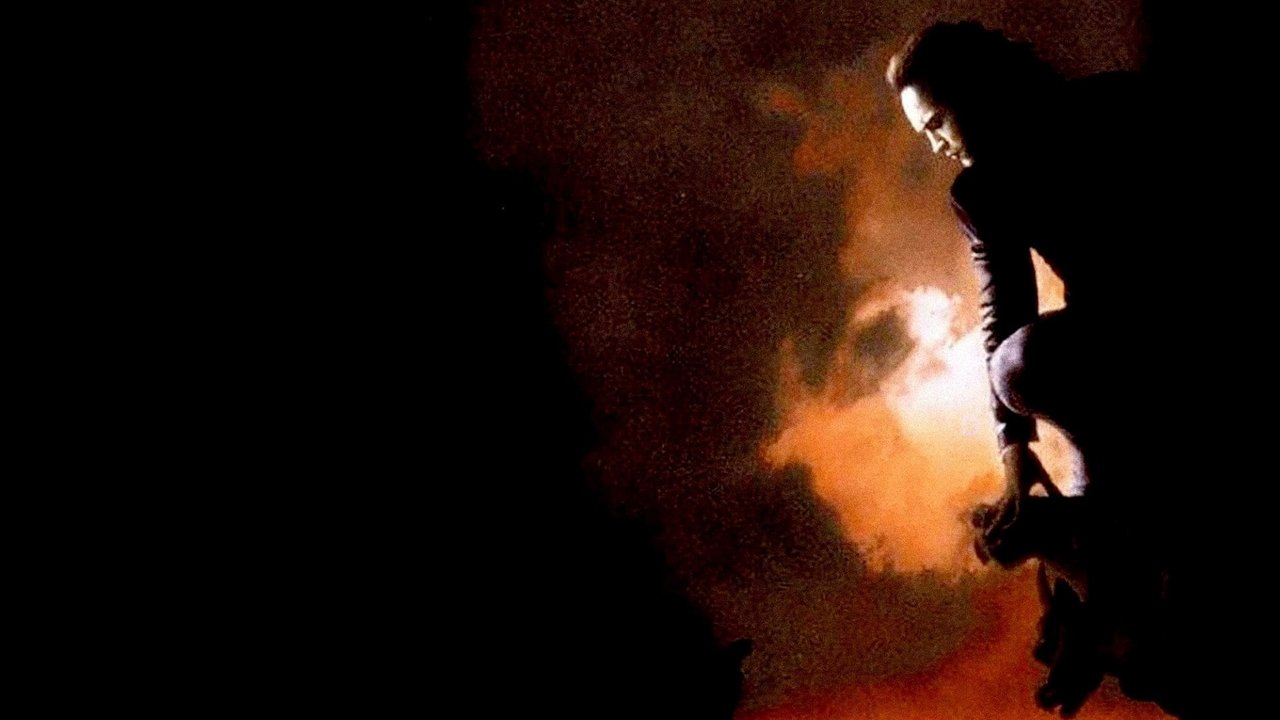
The Crow: City of Angels isn't entirely without merit. It possesses a distinct, grimy visual identity, even if that identity is divisive. Perez throws himself into the role physically, and the core concept retains some power. But watching it again now, through the lens of nostalgia and the passage of time, its flaws are stark. It feels less like a continuation and more like a retread, missing the raw emotion, the gothic romance, and the tragic weight that made The Crow resonate so deeply. It’s a film defined more by what it isn’t than by what it is. It tried to capture the darkness but missed the heart.
Rating: 4/10
The score reflects a film visually ambitious but narratively hollow. It suffers immensely from comparison to its predecessor, burdened by studio meddling and an inability to recapture the original's unique lightning in a bottle. While the soundtrack rips and the grungy 90s aesthetic might trigger a specific kind of nostalgia, the film itself feels like a faded photocopy, lacking the depth and soul that made Eric Draven's story immortal. It remains a curious artifact of 90s sequel attempts, a reminder that some magic is simply too singular to replicate.