Okay, fellow tape-heads, gather 'round. Remember that feeling, deep into a Saturday night video rental haul, when you popped in the fourth entry of a horror series? Expectations might have been… managed. But sometimes, just sometimes, those late sequels delivered a certain kind of weird magic all their own. That’s exactly the dusty corner of the VHS shelf where we find House IV: The Repossession (1992), a film that feels less like a continuation and more like a strange, slightly warped echo of the original.
### Back to the Bad Place, Sort Of
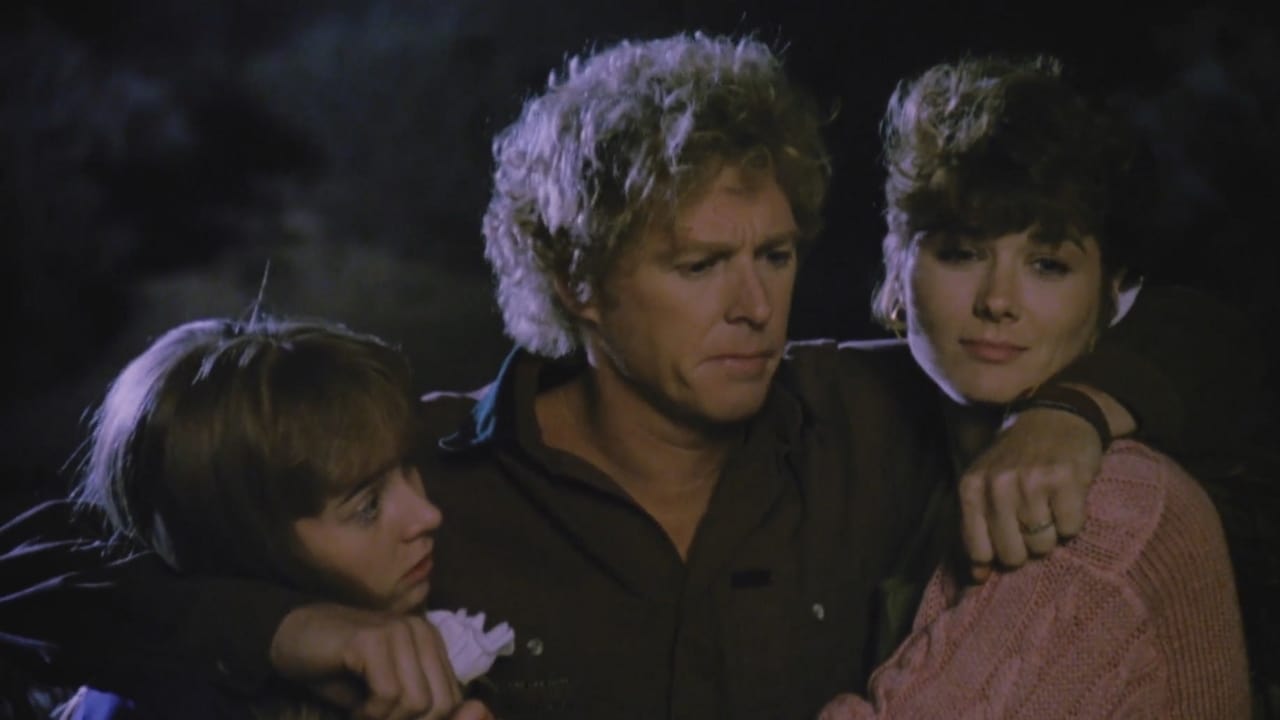
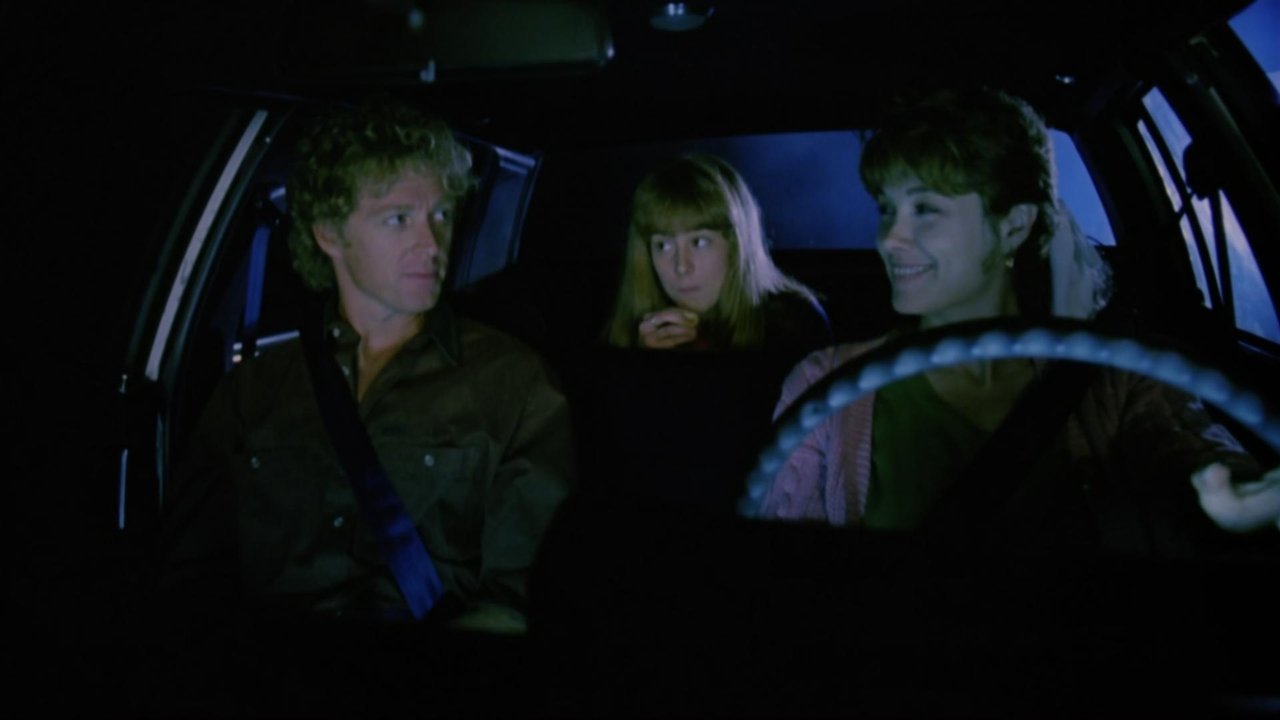
The premise attempts to bring things full circle. Roger Cobb, the hero of the original House (played once again, albeit briefly, by William Katt), tragically dies in a car accident. His determined wife Kelly (Terri Treas, who genre fans might recognize from the Alien Nation TV series) decides to move back into the infamous, dimension-hopping house with their paraplegic daughter Laurel. Why? Well, Roger’s scheming, greedy brother Burke (Scott Burkholder) is trying to force her out, likely to exploit the property’s… unique mineral springs? The plot mechanics feel a bit shaky, serving mostly as a framework to unleash more supernatural shenanigans within those familiar, cursed walls. It was a valiant effort to connect back to the 1986 original, especially getting Katt back for his scenes, even if his presence feels more like a ghostly echo than a full return. This connection was likely pushed by producer Sean S. Cunningham, a horror heavyweight involved since the first film (and who famously gave us the original Friday the 13th).
### When Practical Effects Get Weird
Let's talk about what House IV gets right, or at least, memorably weird. This was the tail-end of the practical effects heyday, before CGI smoothed everything over, and the film leans into some truly bizarre, tangible creations. Forget subtlety; we get demonic forces manifesting in gloriously goofy, physical ways. Remember that pizza scene? You know the one. A delivered pizza transforms into a grotesque, cheesy monster face that attacks Kelly. It's pure, unadulterated B-movie madness, the kind of thing that could only have sprung from the minds of writers like Geof Miller, Rory Yokelson, and B-movie maestro Jim Wynorski (who has a co-writing credit and whose influence feels palpable in the film's more outrageous moments). The effect itself is clunky, rubbery, and utterly fantastic in its sheer audacity. It’s the kind of tactile gross-out gag that defined so many late-night VHS viewings. Was it scary? Not really. Was it unforgettable? Absolutely. These practical ghouls and poltergeists, crafted on what was clearly not an enormous budget, have that handmade charm we just don't see anymore.
Director Lewis Abernathy, perhaps more known for his writing work on films like DeepStar Six (1989) or his later production roles on massive projects like Titanic (1997), navigates the chaos with workmanlike efficiency. You can almost feel the constraints of the budget and schedule typical of direct-to-video sequels of this era. Much of it was filmed down in Wilmington, North Carolina, a popular spot for productions seeking to stretch their dollars back then. The film doesn’t quite recapture the tonal balance of horror and twisted comedy found in the first House or the outright gonzo adventure of House II: The Second Story (1987), often veering more into slightly awkward melodrama punctuated by bursts of latex monster mayhem.
### Holding Down the Fort
Amidst the spectral shenanigans and corporate villainy, Terri Treas gives a committed performance as Kelly. She grounds the film as much as possible, reacting to the escalating absurdity with a believable mix of fear and determination. Scott Burkholder chews the scenery appropriately as the sneering antagonist Burke, embodying that classic early 90s yuppie-villain archetype. And then there’s Denny Dillon as the quirky real estate agent Verna Klump, adding a dose of broad comedy that feels very much of its time – sometimes landing, sometimes feeling a bit shoehorned in. Her presence definitely screams "early 90s supporting character."
The film landed squarely in the direct-to-video market in the US, a common fate for horror sequels by 1992. It didn't set the world on fire, critically or commercially, often seen as the weakest link in the original franchise. Yet, watching it now, there’s an undeniable nostalgic pull. It represents that specific flavor of late-era franchise horror, made with practical means and a kind of earnest, slightly desperate energy to keep the brand going. It’s a time capsule of sorts – the fashion, the dialogue, the very texture of the film screams "VHS rental."
### Final Verdict
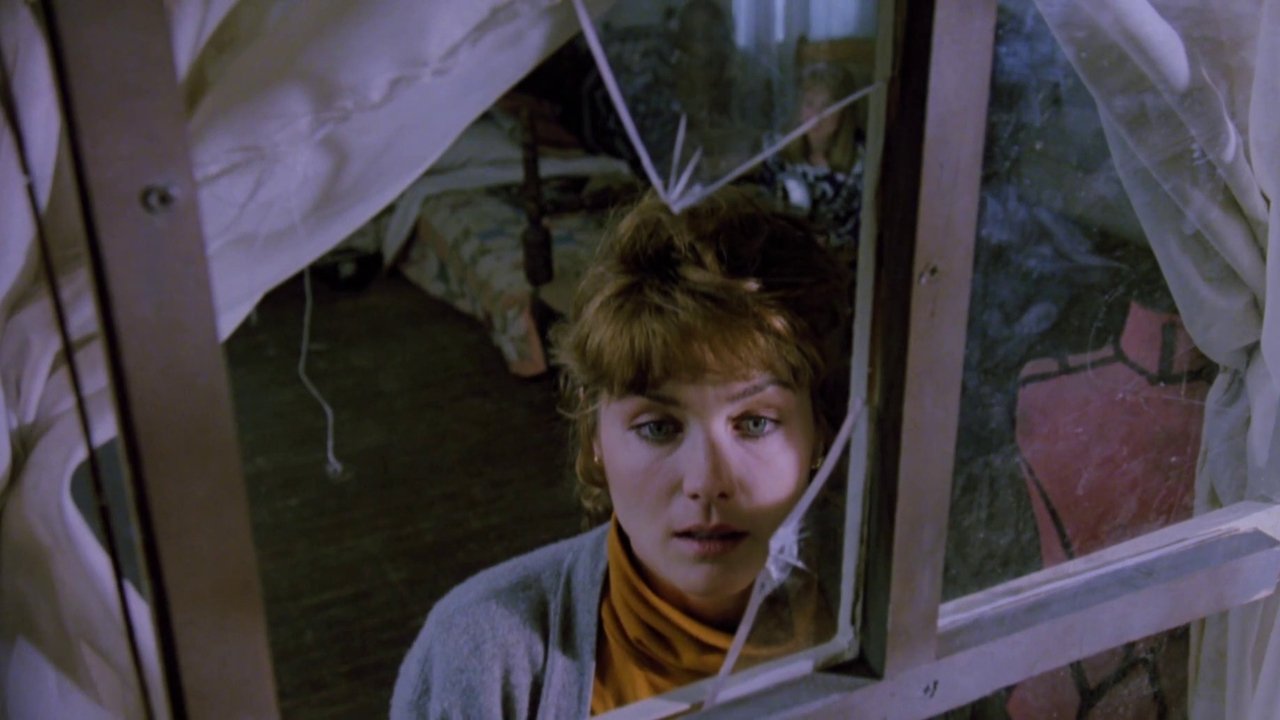
House IV: The Repossession isn't a lost classic, nor is it likely to convert anyone not already invested in the quirky charms of the House series or 90s direct-to-video horror oddities. The story is thin, the tone uneven, and some effects wobble more than they wow. However, Terri Treas works hard, the practical creature moments (especially that pizza) are memorably bizarre, and the attempt to loop back to the original storyline with William Katt's cameo provides a touch of franchise poignancy. It captures that specific feeling of discovering a slightly off-brand sequel late one night, enjoying the weirdness even while acknowledging its flaws.
Rating: 4/10 - Justification: While admirably bringing back elements from the original and featuring some enjoyably weird practical effects (the pizza!), the film suffers from a weak script, uneven tone, and visible budget limitations. Terri Treas gives a solid lead performance, but it can't quite elevate the material beyond being a curious, somewhat clunky franchise footnote. It’s more memorable for its quirks than its quality.
Final Thought: House IV is like finding that slightly warped, sun-faded tape at the back of the rental shelf – maybe not the main attraction, but a strangely compelling piece of early 90s horror ephemera, pizza monster and all.