There’s a certain hazy, sun-drenched quality to the memory of first watching The Blue Lagoon (1980), isn't there? For many of us huddled around the VCR in the early 80s, it felt like glimpsing something forbidden yet beautiful, a strange mix of postcard scenery and awkward, burgeoning humanity. It wasn't just the premise – two shipwrecked children growing into adolescence alone on a tropical island – but the way the film presented it, with a kind of naive sincerity that somehow sidestepped outright exploitation, even while courting controversy. It remains a fascinating time capsule, both visually stunning and undeniably awkward.
Paradise Found, Innocence Lost
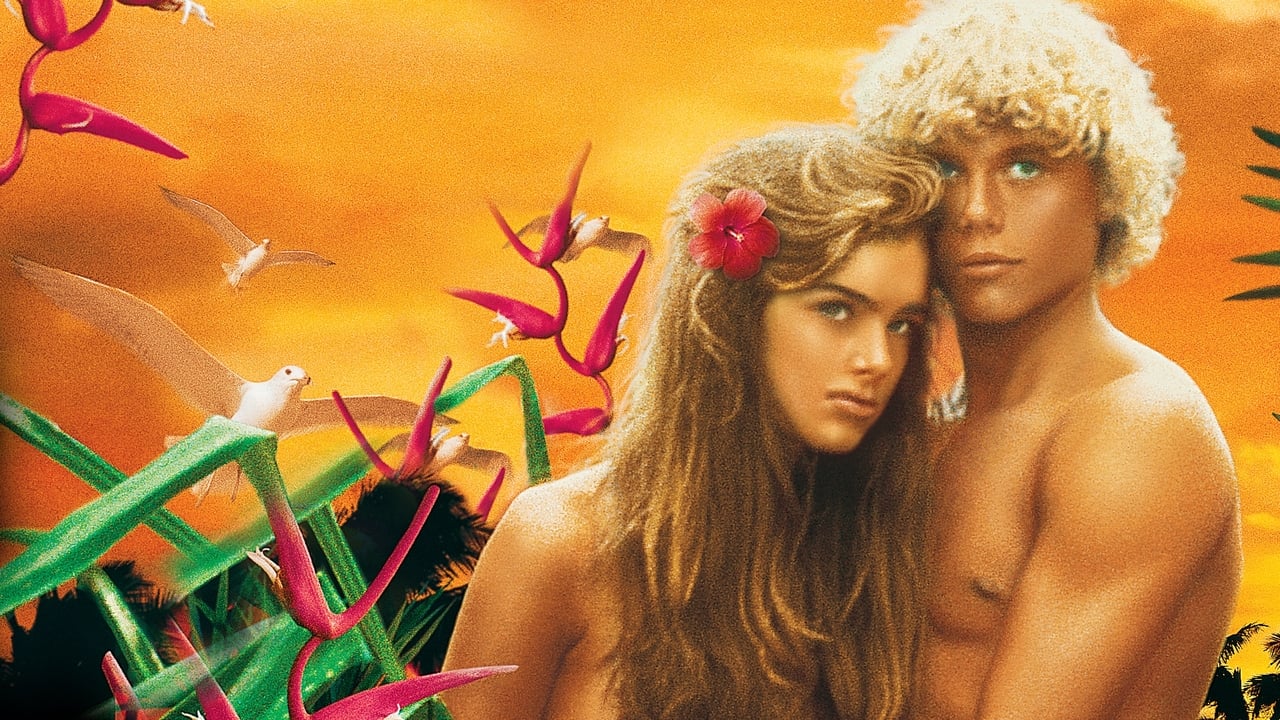
Let's be clear: the star of The Blue Lagoon is arguably the lagoon itself. Shot primarily in Fiji and Vanuatu by the legendary cinematographer Néstor Almendros (who earned an Oscar nomination for his efforts, hot off his win for Terrence Malick's Days of Heaven), the film is breathtakingly beautiful. Almendros, known for his mastery of natural light, captures the impossible blues of the water, the lush greens of the jungle, and the golden light bathing our young protagonists, Emmeline and Richard. Director Randal Kleiser, fresh from the massive success of Grease (1978) – talk about a tonal shift! – leans heavily into this visual splendor. The film feels isolated, dreamy, almost unreal. It’s pure escapism, tapping into that primal fantasy of leaving civilization behind for a simpler, more natural existence. The story itself, adapted by Douglas Day Stewart from Henry De Vere Stacpoole's 1908 novel (which had already seen a 1949 film adaptation), is stripped down to its bare essentials.
Awkward Eden
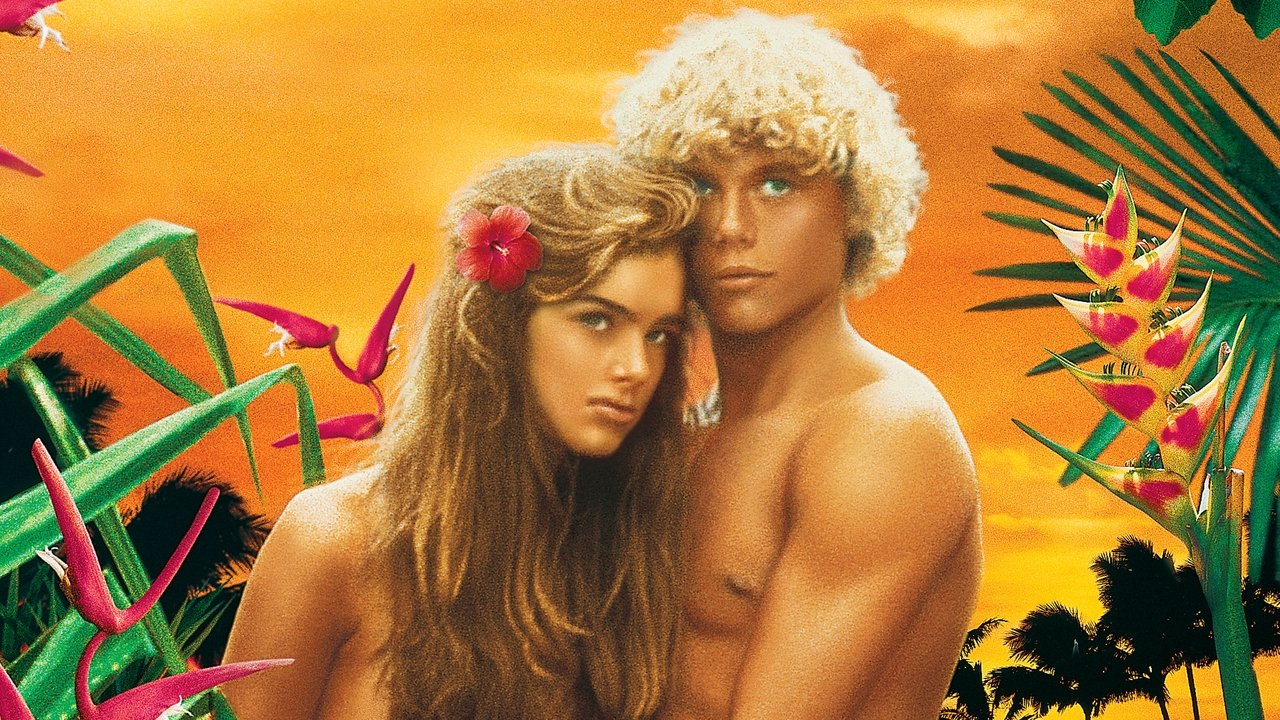
At the heart of this paradise are cousins Emmeline and Richard, played by Brooke Shields and Christopher Atkins. Their journey from childhood dependency (initially guided by the crusty but doomed sailor Paddy Button, played briefly by the wonderful Leo McKern) to adolescent discovery forms the film's core. Much was made, then and now, of Brooke Shields' age – just 14 during filming. This necessitated careful camera work, body doubles for nude scenes, and the infamous trick of gluing her hair strategically to her body to comply with regulations while still achieving the intended naturalistic look. It’s a layer of production reality that hangs over the viewing experience, adding a complex edge to the portrayal of burgeoning sexuality.
Christopher Atkins, in his film debut, was reportedly chosen partly for his golden-boy looks and swimming ability, possessing little prior acting experience. This lack of polish, in both leads, actually works in a strange way. Their performances feel unvarnished, sometimes stiff, capturing a genuine awkwardness that mirrors their characters' naive fumblings toward understanding life, love, and biology without any societal framework. Their dialogue is minimal, their interactions driven more by instinct and observation. Is it great acting in the traditional sense? Perhaps not. But does it feel authentic to these specific characters in this specific situation? Arguably, yes. Their wide-eyed discovery of everything from menstruation ("Why are the berries red?") to sexual intercourse is presented with a blunt, almost childlike simplicity.
Whispers Behind the Palm Trees
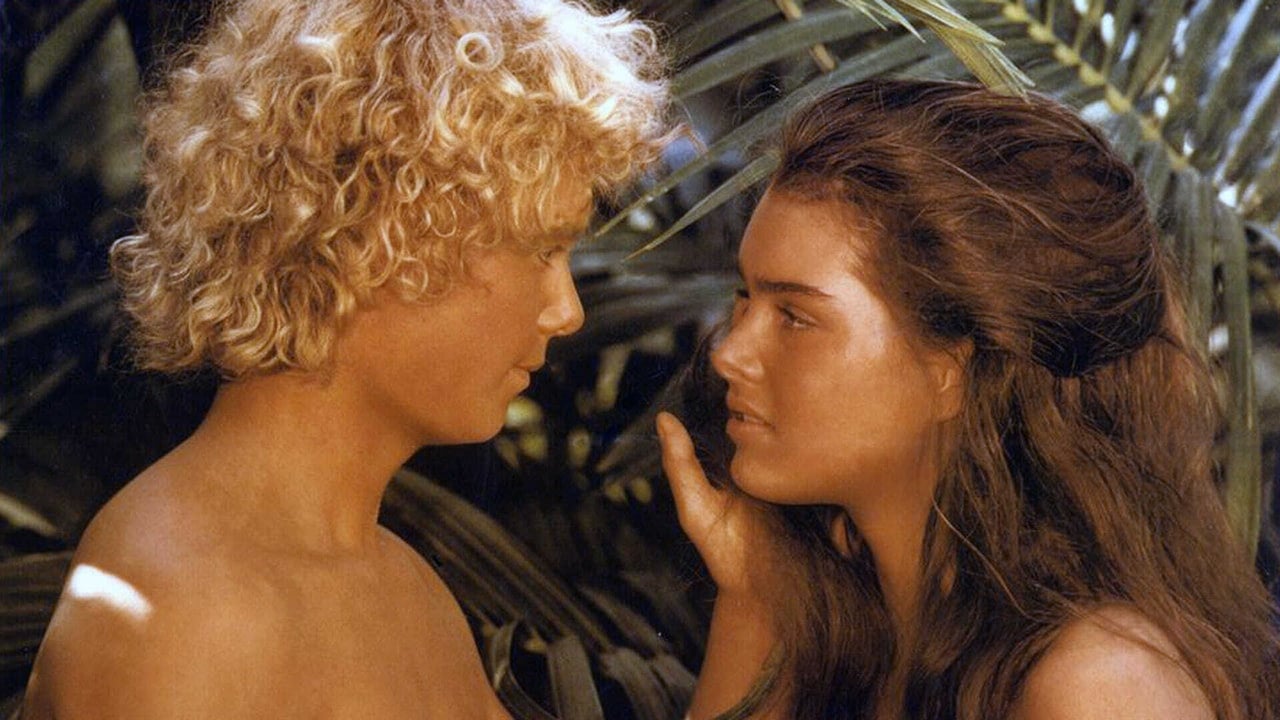
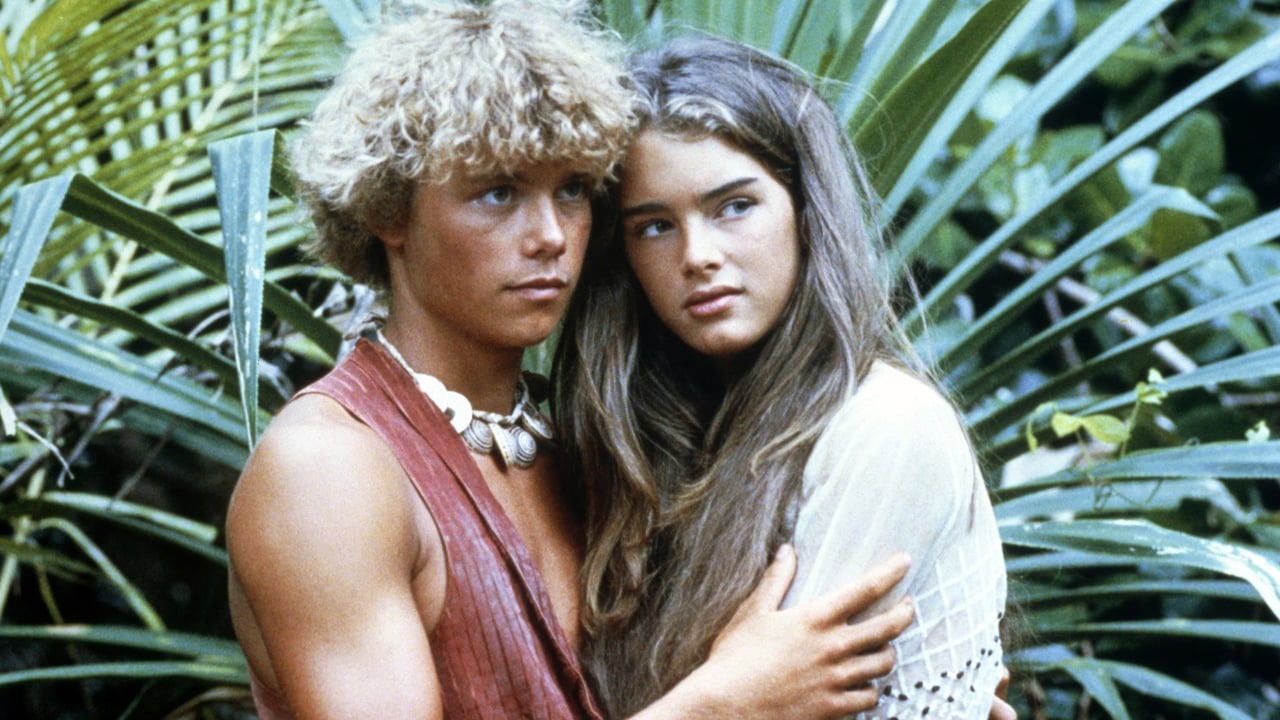
The production itself wasn't exactly a walk on the beach. Filming in remote locations always presents challenges, dealing with tides, weather, and wildlife (or the careful simulation thereof). Kleiser has spoken about the difficulties, including an incident where a shark broke through protective netting during filming. The film's budget was a modest $4.5 million, but it became a significant box office success, pulling in over $58 million worldwide – proof that its blend of exotic scenery and coming-of-age taboo resonated strongly with audiences at the time, making it a certified VHS rental staple. It tapped into something audiences were curious about, even if it made them slightly uncomfortable.
Navigating Murky Waters
Revisiting The Blue Lagoon today inevitably brings its problematic aspects into sharper focus. The handling of adolescent sexuality, particularly given Shields' age, feels questionable through a modern lens. The film’s utter lack of awareness regarding consent or the complexities of relationships beyond basic biological urges can seem jarring. The narrative simplicity sometimes borders on the simplistic, leaving little room for deeper character development beyond their immediate physical and emotional discoveries. And the ending… well, it remains abrupt and ambiguous, a sudden lurch back towards the 'civilized' world they barely remember. Does the film endorse their naive state, or serve as a cautionary tale? It remains debated.
Yet, despite these valid criticisms, the film possesses an undeniable pull. It’s a potent fantasy, beautifully rendered. It asks, however clumsily, fundamental questions about human nature stripped bare. What remains when society's rules and knowledge are removed? How much of our behavior is innate, how much is learned? The film doesn't offer complex answers, preferring instead to linger in the hazy beauty of its premise.
Legacy on the Tides
The Blue Lagoon certainly made waves, cementing Brooke Shields as a major, if controversial, star and launching Christopher Atkins' career. Its imagery became iconic, instantly recognizable and often parodied. It even spawned a direct sequel, Return to the Blue Lagoon (1991), attempting to recapture the magic with different actors (Milla Jovovich and Brian Krause), though with far less cultural impact. The original film’s DNA can be seen in later survival/isolation romances, but few captured that specific blend of stunning visuals and awkward, almost anthropological observation of adolescence.

Rating: 6/10
Giving The Blue Lagoon a score feels tricky. Judged purely on its technical merits, Almendros' cinematography alone warrants high marks. The film achieves its goal of creating a lush, escapist atmosphere. However, the narrative simplicity, the sometimes stilted performances, and the undeniable problematic elements surrounding its central theme and the age of its star cannot be ignored. It earns a 6 primarily for its iconic status within the VHS era, its breathtaking visual beauty, and its unique, if uncomfortable, place in cinema history. It's a film that sparks conversation precisely because of its flaws and controversial choices, viewed alongside its undeniable aesthetic appeal.
It lingers in the mind not necessarily as a great film, but as a potent cultural artifact – a sun-bleached snapshot of early 80s sensibilities, capturing a fantasy that remains alluring even as its execution raises complex questions we're still grappling with today. What does it say about us that this vision of paradise, tinged with taboo, held such fascination?