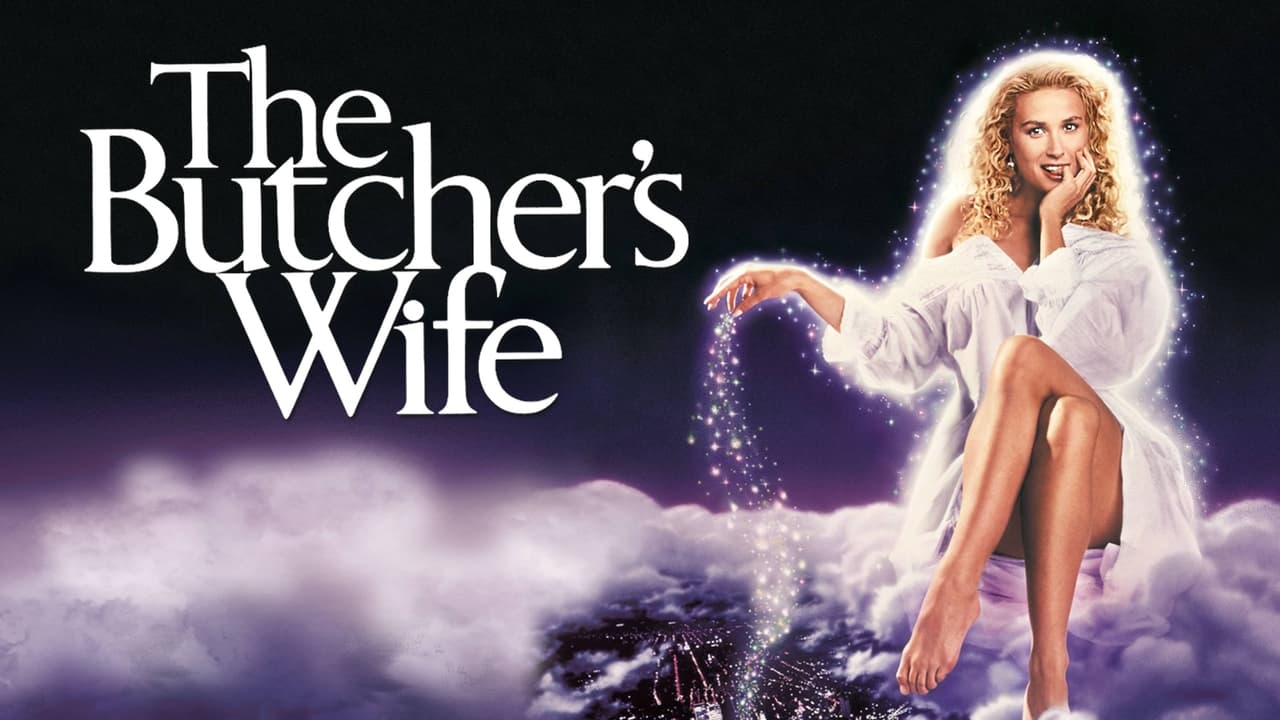
There's a certain kind of magic, isn't there, that feels specific to finding an unexpected film on the video store shelf? Not the blockbuster you went in for, but something quieter, nestled between familiar titles, whispering promises of something different. The Butcher's Wife (1991) often felt like that kind of discovery – a film radiating a gentle, almost otherworldly glow from its slightly worn VHS box. It arrived carried on the considerable star power of Demi Moore, fresh off the phenomenal success of Ghost (1990), promising romance with a touch of the mystical.
An Island Dream in the Concrete Jungle
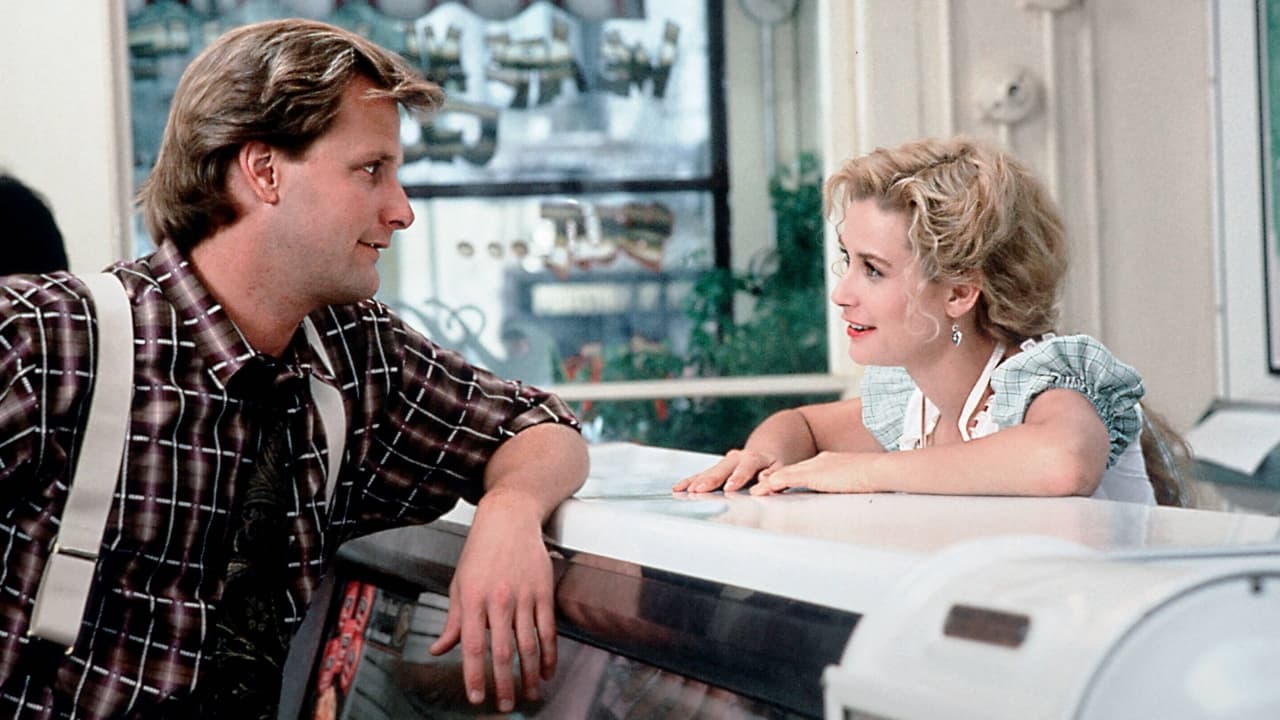
The premise itself has the simple, evocative quality of a folk tale. Marina (Moore), a young woman living a quiet life on a remote North Carolina island, possesses a genuine clairvoyant gift. She sees visions, feels connections, and firmly believes in destiny, particularly when it comes to love. A vision of wedding rings leads her to believe that Leo Lemke (George Dzundza), a vacationing butcher from New York City, is her fated husband. With unwavering certainty, she marries him and moves to his Greenwich Village neighborhood, a place brimming with its own kind of chaotic energy, far removed from the serene shores she knew. It’s this collision of worlds – Marina’s guileless, intuitive nature against the backdrop of cynical, complicated city life – that forms the heart of the film. Director Terry Hughes, known primarily for his sharp work on sitcoms like The Golden Girls, brings a certain brightness to the proceedings, though perhaps lacking the deeper cinematic texture the premise hints at.
The Ripple Effect of Innocent Magic
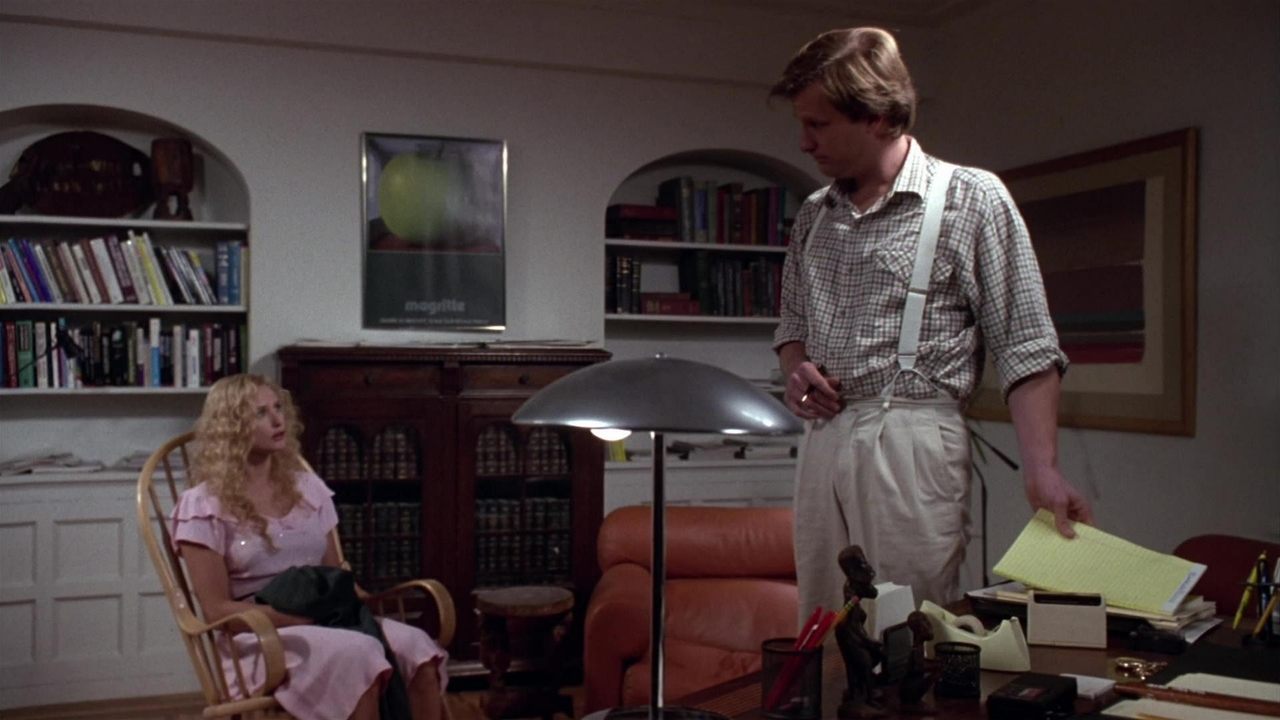
Demi Moore truly embodies Marina’s ethereal quality. She plays her not as naive, exactly, but as operating on a different frequency, guided by feelings and visions that baffle those around her. There’s a luminosity to her performance, an open-heartedness that makes Marina instantly captivating, even when her pronouncements cause considerable upheaval. Her arrival acts as a catalyst, sending ripples through the lives of Leo’s neighbors and customers. She senses hidden desires, unspoken frustrations, and potential connections, offering unsolicited but often uncannily accurate advice. She tells a struggling actress (Mary Steenburgen) to embrace singing, pushes a closeted gay boutique owner (David Thornton) towards honesty, and perhaps most significantly, unsettles the carefully ordered life of psychiatrist Dr. Alex Tremor (Jeff Daniels). It's worth noting Moore commanded a reported $3 million for this role, a testament to her post-Ghost bankability, even for a film that felt decidedly smaller scale.
Entangled Hearts and Searching Souls
The central romantic entanglement involves Marina, Leo, and Dr. Tremor. George Dzundza, always a reliable character actor, brings a wonderfully grounded, slightly bewildered warmth to Leo. He’s a good man, clearly smitten with his unusual wife, but increasingly confused by the changes she brings and the dawning realization that perhaps their fated connection wasn't quite what Marina perceived. Jeff Daniels, meanwhile, gives a nuanced performance as the psychiatrist whose professional skepticism clashes with his undeniable attraction to Marina and the unsettling accuracy of her insights into his own lonely life and troubled relationship with his girlfriend (Margaret Colin). The chemistry between Moore and Daniels feels tentative, exploratory, adding a layer of gentle melancholy to the otherwise light tone. Their scenes together often carry the film's quiet weight – exploring themes of missed connections and the courage it takes to pursue true happiness.
Charm, Quirks, and That Early 90s Feel
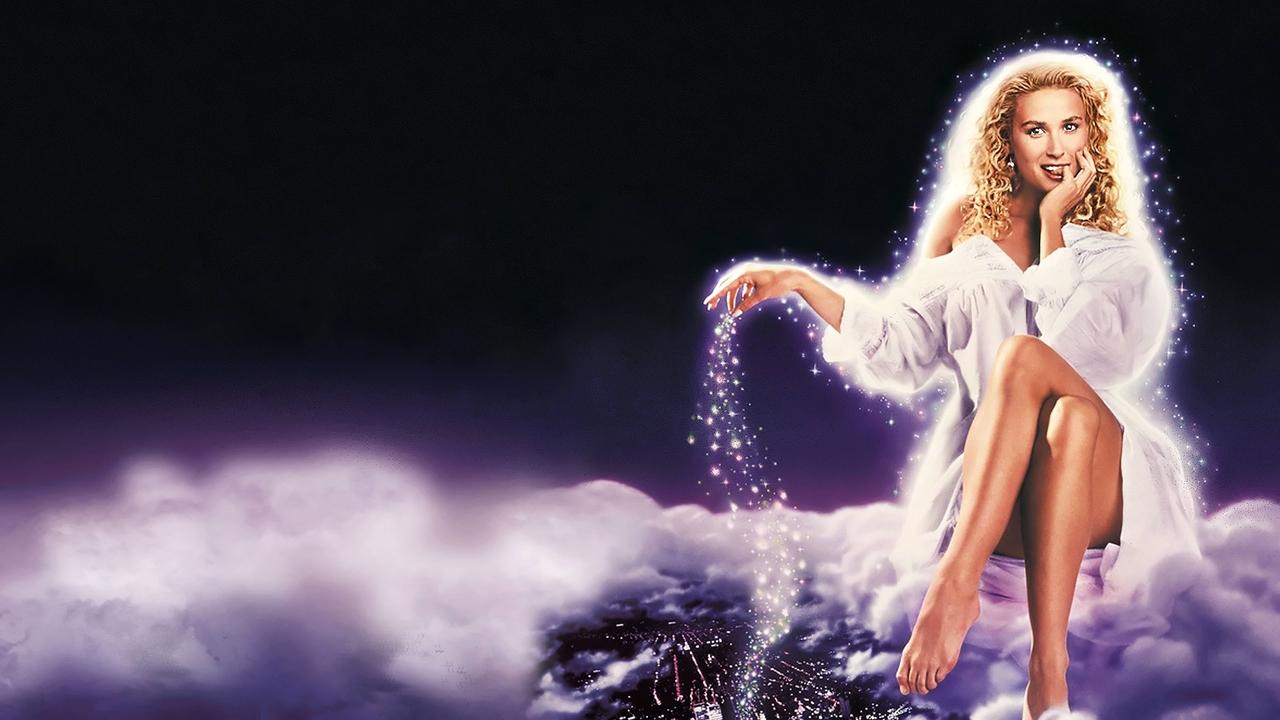
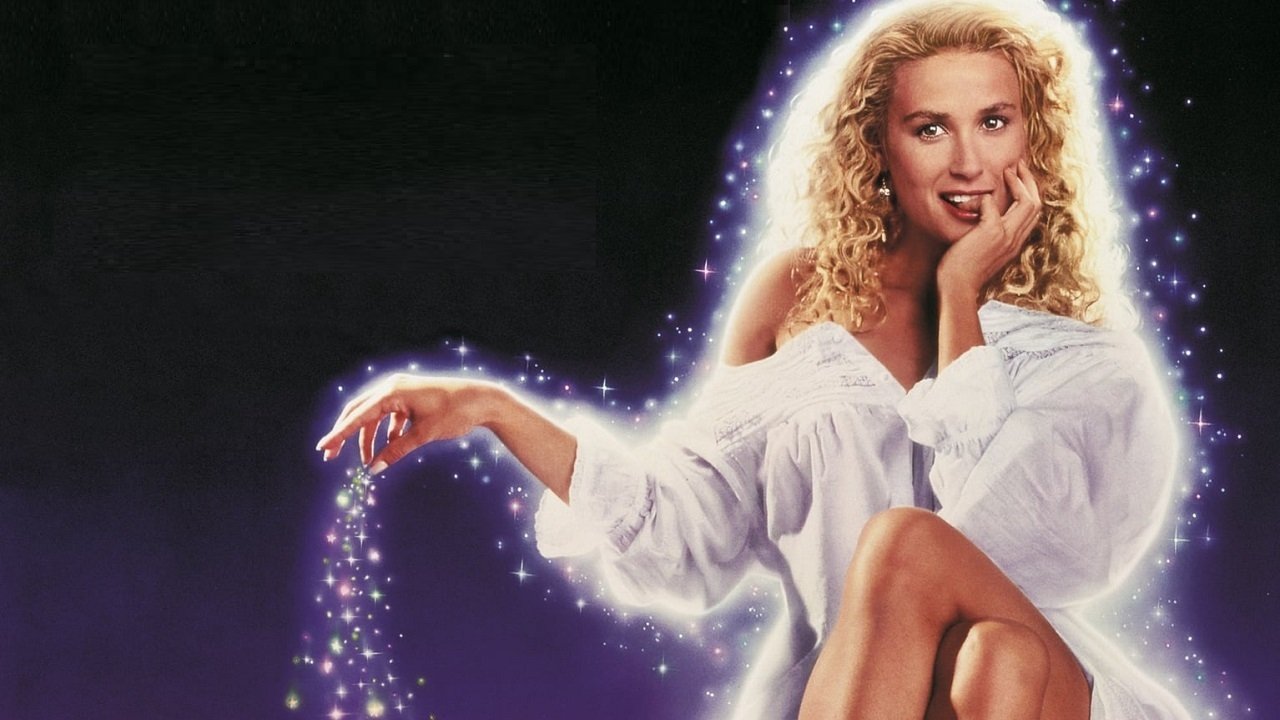
Watching The Butcher's Wife today evokes a specific kind of early 90s cinematic sensibility. It’s earnest, wears its heart on its sleeve, and possesses a whimsical optimism that feels somewhat rare now. The humor is gentle, stemming mostly from character interactions and the culture clash Marina represents. The film doesn't shy away from the idea of genuine psychic phenomena, presenting it matter-of-factly through Marina’s character. The Greenwich Village setting, captured with a soft focus, feels appropriately cozy and bohemian, almost like a character itself. Yet, despite its charms, one senses why it wasn’t a runaway hit (it earned a modest $9.7 million domestically against a reported $20 million budget). The script, credited to Ezra D. Rappaport and Marjorie Schwartz Nielsen, sometimes feels caught between light romantic comedy and something more profound about destiny and connection, never fully committing to the deeper implications. Hughes' TV background perhaps contributes to a slightly episodic feel at times, focusing on individual character vignettes rather than a consistently driving narrative arc.
Final Thoughts: A Gentle Whisper from the VHS Shelf
The Butcher's Wife is like revisiting a pleasant, half-remembered dream. It might lack the dramatic heft or comedic sharpness of its contemporaries, but its sincerity and Moore's luminous central performance lend it a unique, enduring charm. It's a film about listening – to others, to ourselves, and perhaps to those quieter, intuitive whispers that hint at where we truly belong. Does it fully realize its potential? Perhaps not entirely. The blend of magic and mundane reality sometimes feels uneven, and the resolution, while sweet, might feel a touch too neat for some.
Rating: 6/10
This score reflects the film's undeniable charm, the strength of Demi Moore's captivating performance, and the pleasant, nostalgic atmosphere it evokes. However, it's held back by a slightly underdeveloped script and a tone that sometimes struggles to balance whimsy with deeper emotional resonance, preventing it from reaching the heights of truly great romantic fantasy.
It remains a gentle, hopeful film, a comforting curiosity from the VHS era that asks us to consider the possibility of magic in everyday lives, even if just for ninety minutes. What lingers most, perhaps, is the quiet power of Marina's belief – a reminder that sometimes, seeing the world through slightly different eyes can change everything.