Alright, settle back into that comfy armchair, maybe crack open a beverage that definitely isn't era-appropriate anymore, because tonight we're digging out a well-loved, slightly dusty tape from the early 90s comedy shelf: Tom Mankiewicz's 1991 fantasy-comedy, Delirious. Forget your gritty reboots and complex multiverses for a second; remember when high-concept comedy often meant just one bonkers idea played charmingly straight? That’s the sweet spot Delirious aims for, powered by the irreplaceable warmth of John Candy.
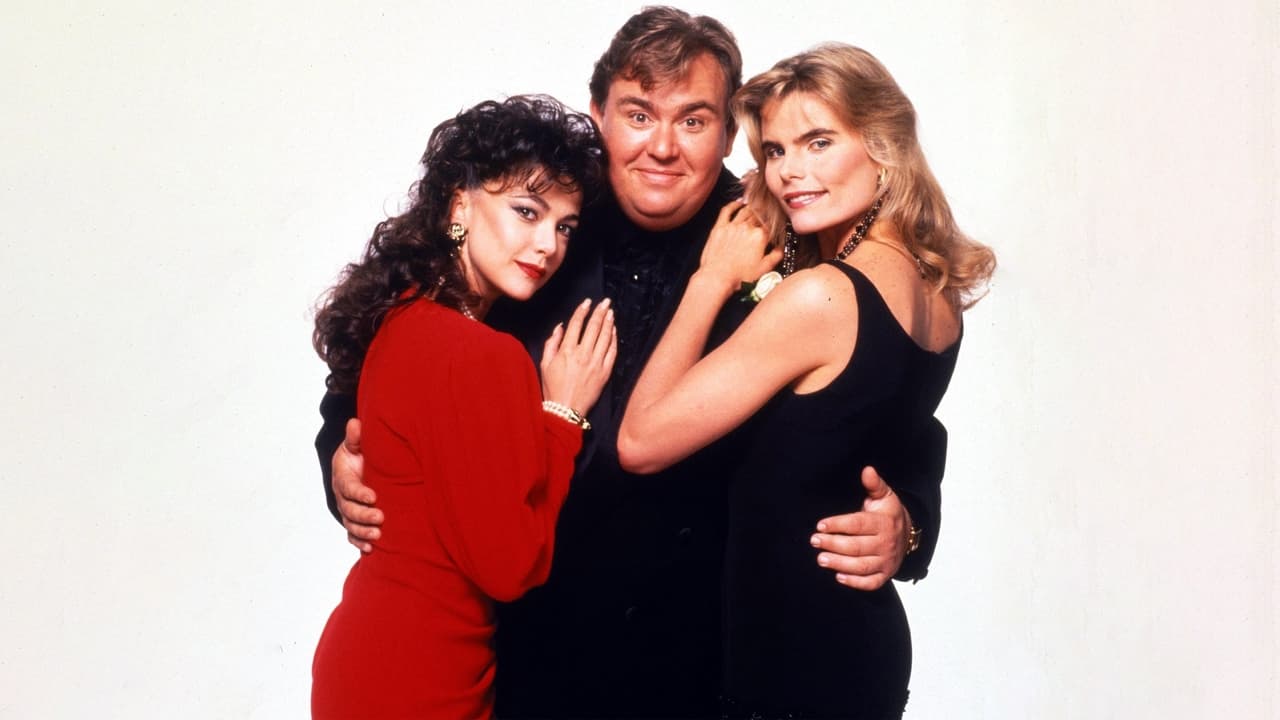
This wasn't the tape you rented every single weekend, maybe, but finding it nestled between the bigger blockbusters always felt like uncovering a slightly goofy, comforting secret. The premise alone hooks you with that quintessential late-80s/early-90s "what if?" energy: Jack Gable (John Candy), a perpetually stressed-out writer for the popular soap opera "Beyond Our Dreams," gets into a car accident and wakes up smack-dab in the middle of Ashford Falls, the very town he created. Even better? He discovers whatever he types on his (now miraculously functional) typewriter becomes reality within the soap world.
### Welcome to Ashford Falls, Population: Tropes
Right away, the film dives headfirst into affectionate soap opera parody. Ashford Falls is populated by exaggerated archetypes: the scheming vixen Laura (Emma Samms, fresh off Dynasty herself, perfectly cast), the noble-but-naive hero Jack (Dylan Baker having fun with the square jaw), the ruthless tycoon Carter Hedison (Jerry Orbach chewing scenery delightfully), and the "damaged goods" potential love interest, Janet/Louise (Mariel Hemingway). The film cleverly uses Jack’s inside knowledge to both navigate and manipulate this overly dramatic world. Remember those dramatic zooms and overwrought musical cues soaps loved? Delirious nails them. It's a gentle ribbing, born from familiarity rather than malice, which feels perfectly pitched for its time.

One of the film's genuinely clever touches is how Jack's initial attempts to rewrite his world for personal gain – winning over the sultry Laura, getting rich quick – consistently backfire in increasingly absurd ways. It taps into that classic "be careful what you wish for" theme, but with a comedic spin that Candy sells beautifully. His mounting exasperation as his perfect scenarios unravel is pure John Candy gold.
### Candy in Control (Mostly)
Let's be honest, the main reason this tape likely got worn out in anyone's VCR was John Candy. By 1991, he was firmly established as one of cinema's most lovable presences, capable of blending slapstick with genuine heart like few others (Planes, Trains & Automobiles (1987), Uncle Buck (1989)). Here, he’s the anchor. Jack Gable isn't just a plot device; Candy infuses him with a believable weariness and a longing for something real, even amidst the absurdity. You root for him instantly. It's fascinating to learn that the original script, penned by Lawrence J. Cohen and Fred Freeman, was reportedly conceived as a darker thriller. It was only when Candy became attached that the project shifted towards the lighter, more comedic tone we see, a change arguably essential for its particular charm.
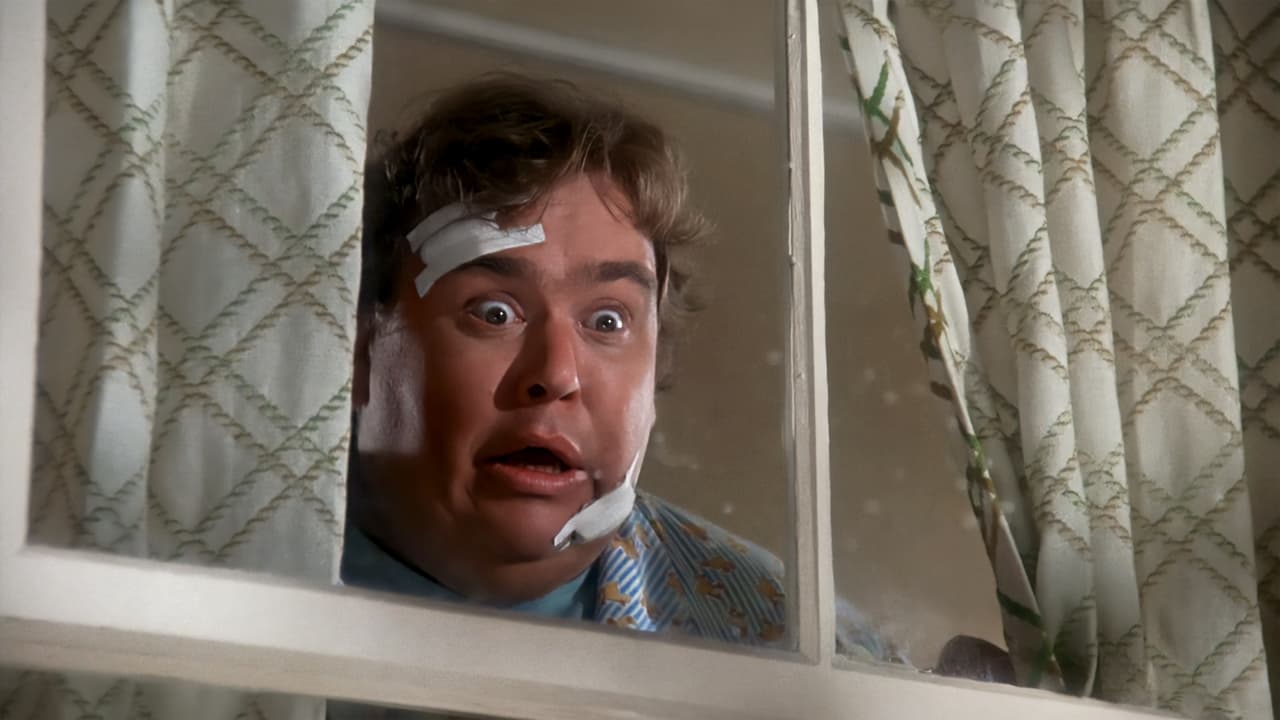

Supporting him, Mariel Hemingway brings a surprising sweetness and vulnerability to Janet/Louise, the character Jack initially overlooks but who represents genuine connection. Her chemistry with Candy feels refreshingly natural. Emma Samms, meanwhile, leans into the glorious camp of the soap siren role, clearly enjoying every moment of manipulative melodrama. And keep an eye out for a fun cameo by the legendary Raymond Burr as patriarch Carter Hedison – sadly, this marked his final appearance in a theatrical film.
### Behind the Daytime Drama
Directing duties fell to Tom Mankiewicz, a name steeped in Hollywood history (son of All About Eve director Joseph L. Mankiewicz) and known primarily for his sharp screenwriting work on several James Bond films (Diamonds Are Forever, Live and Let Die) and crucially, Superman: The Movie (1978), plus directing the '87 Dragnet comedy. His touch here is fairly unobtrusive, letting the concept and Candy do the heavy lifting. He effectively captures the slightly heightened, perpetually sunny aesthetic of daytime TV, filming primarily in the picturesque town of Ojai, California, which serves as the perfect stand-in for the fictional Ashford Falls.
The film doesn't rely heavily on flashy practical effects, obviously, but the central conceit – the magical typewriter – feels pleasingly tactile and analog in a way CGI rarely captures. There's a simple satisfaction in seeing the words appear on the page and then watching the (often unintended) consequences unfold immediately in the "real" world of Ashford Falls.
### Reception and That Fuzzy VHS Glow
Upon release, Delirious wasn't exactly a critical darling or a box office smash. Reviews were mixed, often criticizing a perceived unevenness in tone or suggesting the premise wore thin. It reportedly cost around $20 million but struggled to recoup even a quarter of that domestically. Yet, like so many films from this era, it found a second life on home video. This is precisely the kind of movie that thrived in rental stores – an appealing star, a fun hook, perfect for a Friday night when you wanted something light and entertaining. Does anyone else remember the specific feel of those MGM/UA Home Video tapes? That slightly chunky clamshell case? Delirious felt right at home in one.
It might not be the sharpest satire or the most tightly plotted fantasy, but its affectionate nature and Candy's central performance give it an enduring warmth. Some of the jokes definitely feel locked in the early 90s, but the core idea remains surprisingly fun.
***
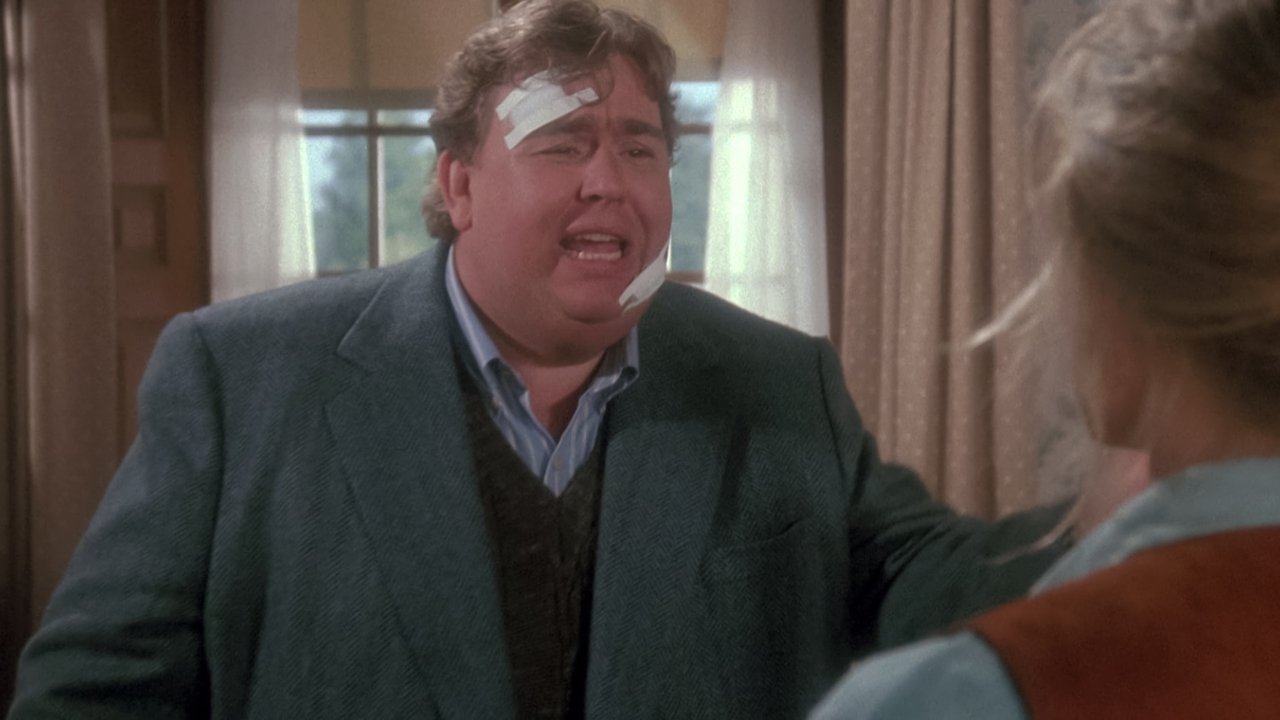
VHS Heaven Rating: 7/10
Justification: Delirious earns a solid 7 primarily on the strength of John Candy's immensely likable performance and its genuinely clever high-concept premise. The satire of soap operas is affectionate and often funny, and the supporting cast, particularly Hemingway and Samms, play their parts well. While the execution can feel a little uneven and the film didn't exactly set the world on fire upon release (reflected in its modest box office vs budget), its charm and rewatchability, especially through a nostalgic lens, make it a worthwhile visit. It loses a few points for sometimes feeling like it doesn't fully exploit its brilliant central idea and for some pacing lulls, but the overall experience is undeniably pleasant.
Final Take: A charmingly dated flight of fancy powered by peak John Candy, Delirious is like finding a forgotten favorite sitcom episode on tape – comforting, familiar, and guaranteed to raise a smile, even if the laugh track feels a bit loud now. Perfect for when you want your reality rewrite served with a side of pure 90s sweetness.