Some films flicker into life on the screen and then fade quickly from memory. Others lodge themselves deep within you, images and emotions echoing long after the VCR whirred to a stop. Gus Van Sant's My Own Private Idaho (1991) belongs firmly in that second category. It’s a film that doesn't just tell a story; it paints a feeling – a raw, aching mosaic of displacement, yearning, and the desperate search for a place called home, even if that home is just a fleeting connection with another soul. It arrived like a fragile, beautiful anomaly amidst the louder fare crowding video store shelves back then, a tape you might have picked up on a whim, guided by the haunting cover art or the buzz surrounding its young stars, only to find yourself immersed in something utterly unique and profoundly moving.
A Road Movie of the Soul
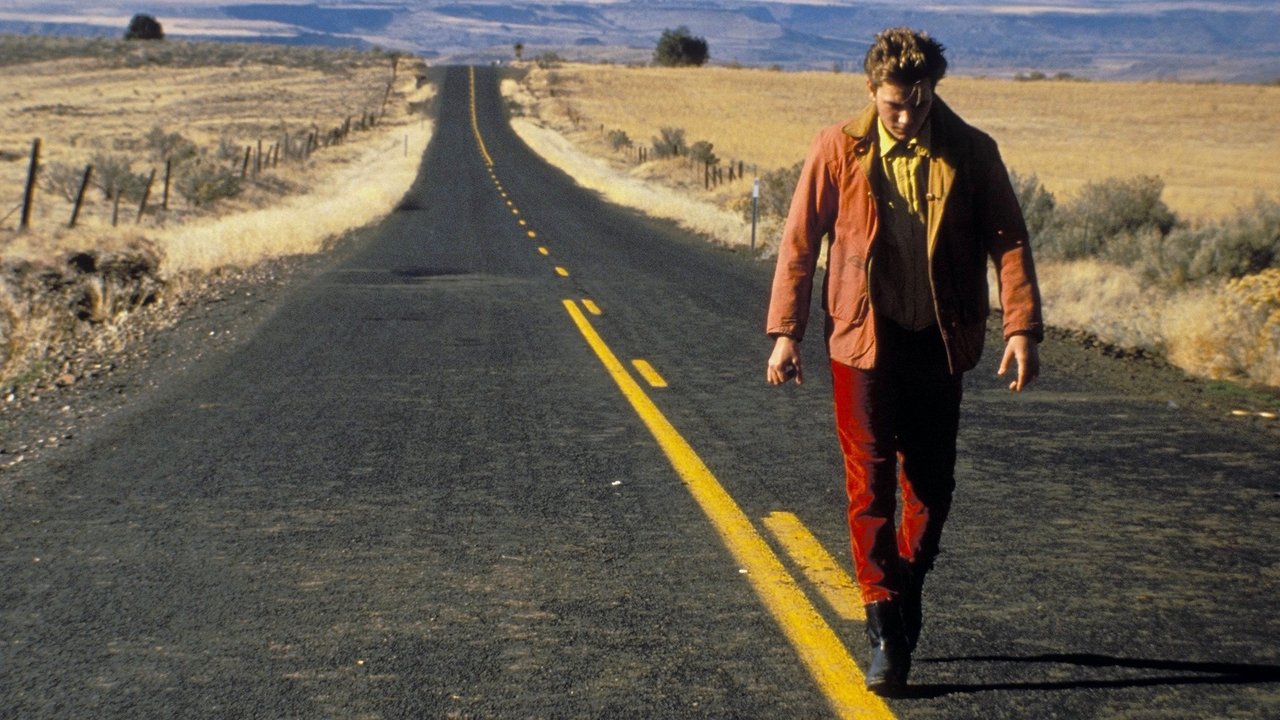
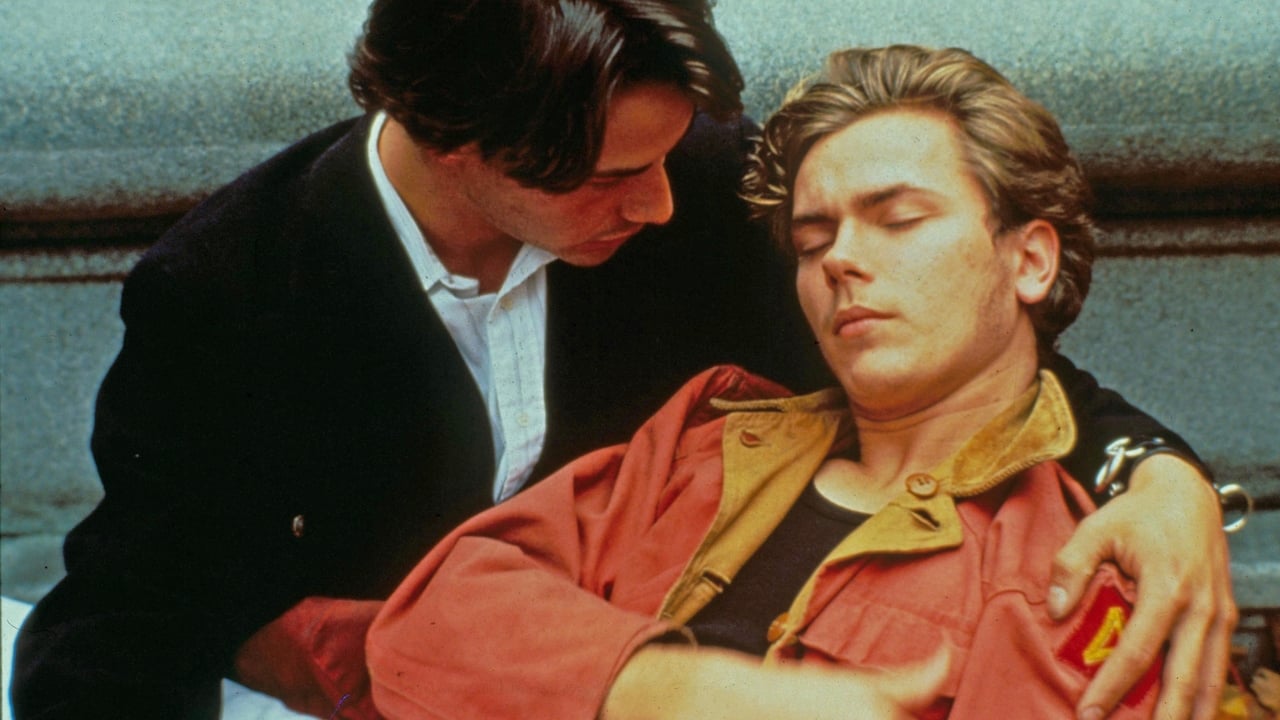
What strikes you immediately, watching it again now, is the film's sheer poetic audacity. It drifts, much like its protagonist Mike Waters (River Phoenix), between stark realism and dreamlike states. Mike is a street hustler in Portland, afflicted with narcolepsy triggered by intense stress, causing him to collapse into deep sleep at pivotal moments. These episodes are punctuated by fragmented, idealized visions of his estranged mother, a recurring motif representing his search for unconditional love and belonging. His companion on this journey is Scott Favor (Keanu Reeves), the rebellious son of Portland's mayor, slumming it with the street kids in a conscious rejection of his privileged background. Their bond, fraught with unspoken complexities and Mike's unrequited love, forms the fragile heart of the film.
Van Sant, who also penned the screenplay, masterfully blends the gritty depiction of street life – the casual transactions, the shared vulnerability, the makeshift families – with almost lyrical interludes. The desolate beauty of the Idaho highway where Mike often finds himself stranded becomes a powerful visual metaphor for his internal landscape: vast, empty, yet strangely beautiful. There's a rawness here, a refusal to romanticize the harsh realities faced by these characters, that felt groundbreaking in the early 90s and still resonates today. Doesn't this unflinching look at marginalized lives still challenge us to see beyond surfaces?
Shakespeare on the Streets
One of the film's most discussed – and initially, perhaps, most perplexing – elements is its deliberate incorporation of Shakespearean dialogue, specifically drawing from Henry IV, Parts 1 and 2. Scott’s journey mirrors Prince Hal’s, with the flamboyant, Falstaffian figure of Bob Pigeon (William Richert) leading their band of misfit revelers. Keanu Reeves, then primarily known for more genial roles like Bill & Ted's Excellent Adventure, handles the shift into iambic pentameter with a surprising dexterity, embodying Scott's calculated detachment and eventual embrace of his inheritance. It's a bold stylistic choice, one that could easily have felt pretentious, but Van Sant integrates it with a strange, dreamlike logic. It elevates the narrative, suggesting timeless patterns of rebellion, responsibility, and the bittersweet passage from wild youth to inherited duty. It’s a fascinating contrast: the Bard’s heightened language echoing in rundown squats and alongside campfire confessions.
Speaking of campfires, one scene, in particular, remains seared into memory. It's the quiet moment where Mike, huddled with Scott against the cold desert night, tentatively confesses his love. It's a scene of devastating vulnerability, reportedly largely written by River Phoenix himself. That piece of trivia isn't just incidental; knowing Phoenix contributed those specific, halting words adds an almost unbearable layer of authenticity to the performance. It feels less like acting and more like bearing witness to a soul laid bare.
Phoenix Burning Bright
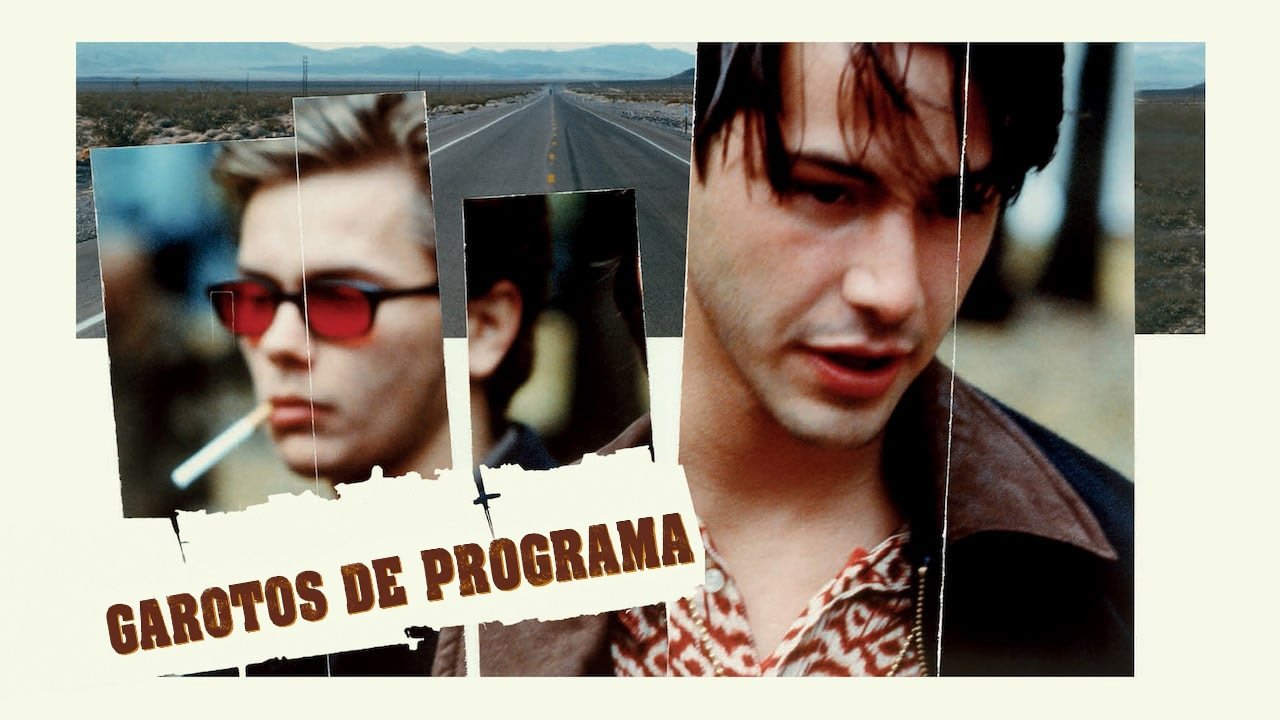
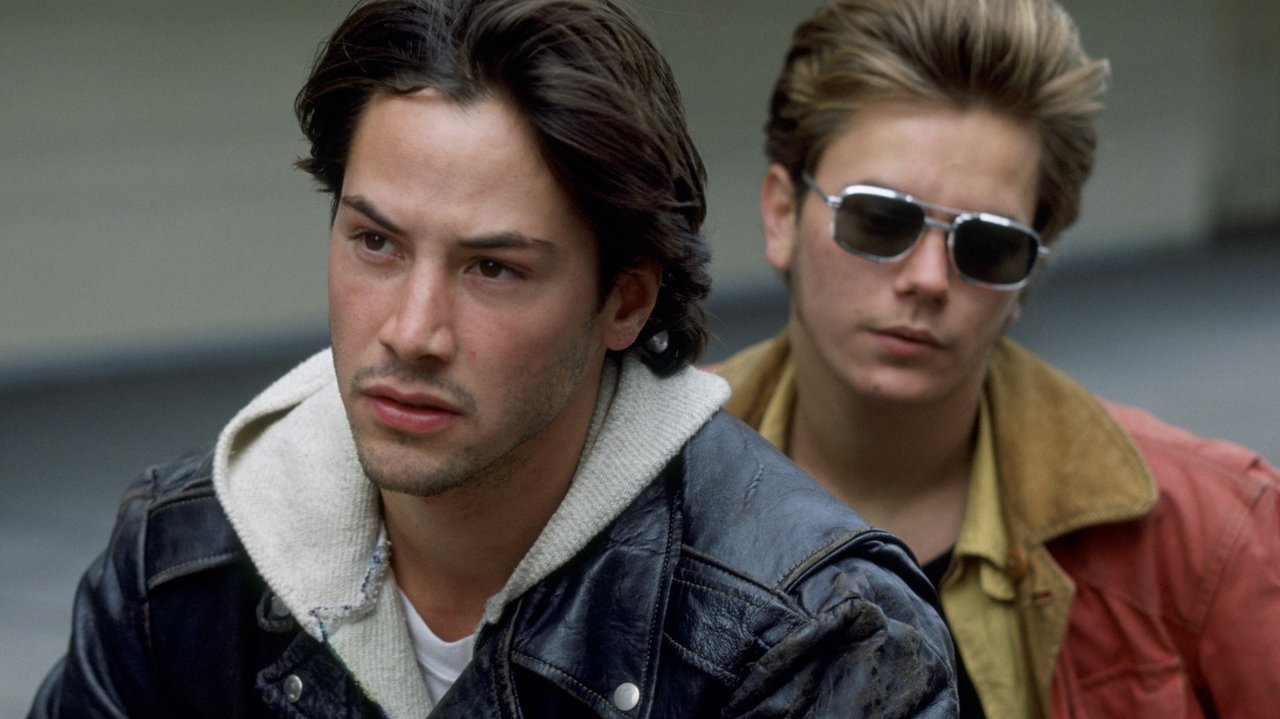
And what a performance it is. River Phoenix as Mike is simply unforgettable. He embodies Mike's fragility not just in the sudden collapses of his narcolepsy, but in his searching eyes, his hesitant gestures, the palpable ache of his loneliness. It's a performance devoid of vanity, radiating a gentle vulnerability that anchors the film's sometimes wandering structure. His win for Best Actor at the Venice Film Festival was thoroughly deserved. It's a performance that feels intensely personal, tapping into themes of abandonment and the search for identity that perhaps resonated deeply with Phoenix himself. Watching it now carries the unavoidable weight of his tragic, premature death just two years later, adding another layer of poignancy to Mike's transient existence. Reeves provides the necessary counterpoint – Scott's surface cool masking his own internal conflicts, his ultimate trajectory a stark contrast to Mike's perpetual drift. Their chemistry is undeniable, a complex push-and-pull of affection and distance.
A Dream That Lingers
My Own Private Idaho wasn't a massive box office hit – made for around $2.5 million, it found its audience more through critical acclaim and festival buzz, eventually becoming a cornerstone of the New Queer Cinema movement and a definitive cult classic. It’s a film that defies easy categorization, weaving together road movie conventions, coming-of-age angst, social commentary, and avant-garde flourishes. Van Sant’s direction is assured yet fluid, capturing both the bleakness and the fleeting beauty of Mike and Scott's world. The film asks profound questions about family (both biological and chosen), class, identity, and the elusive nature of home. What does it mean to belong? Can we ever truly escape our past, or forge a future unbound by expectation?
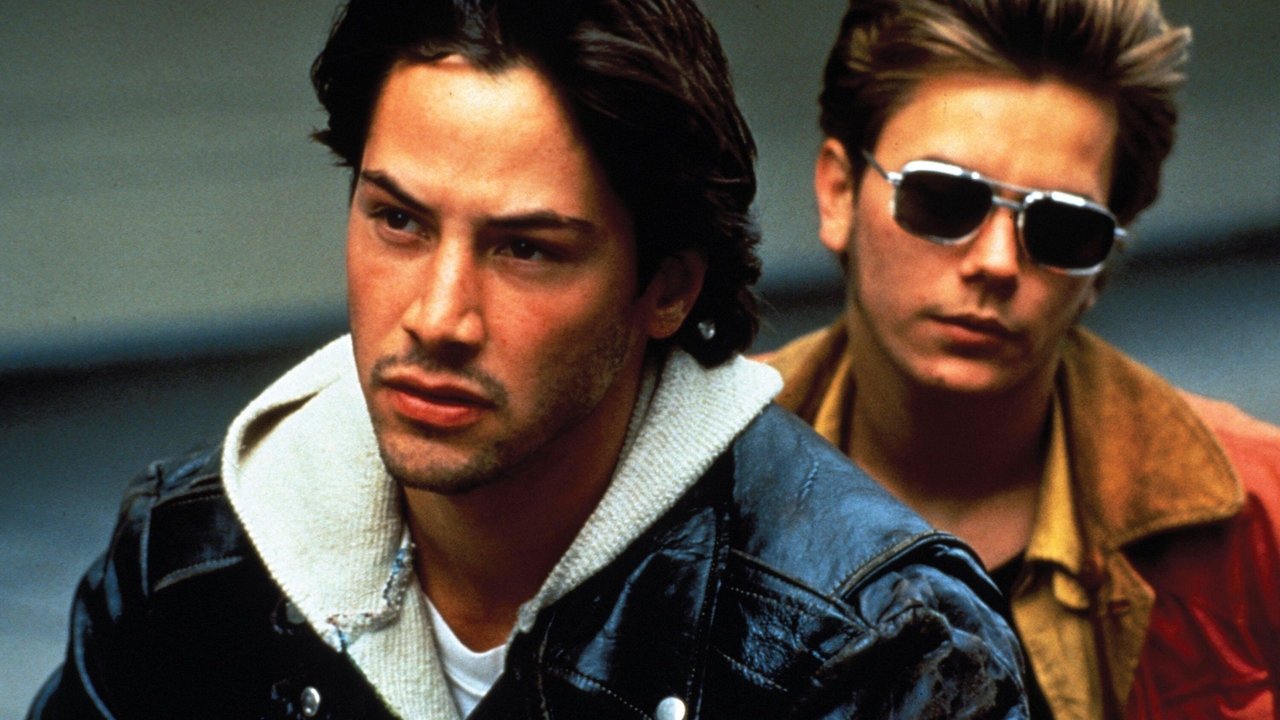
The film's ending offers no easy answers, leaving the viewer with a sense of lingering melancholy, much like the endless highway stretching before Mike. It’s a testament to the film's power that these images and feelings remain so vivid decades later. It felt like a secret whispered on a worn-out VHS tape, a glimpse into a world both strange and deeply familiar.
Rating: 9/10
The score reflects the film's artistic ambition, its unforgettable central performance by River Phoenix, and its enduring power as a unique, poignant piece of independent cinema. While its unconventional structure and shifts in tone might challenge some viewers, its emotional honesty and visual poetry are undeniable. My Own Private Idaho remains a hauntingly beautiful exploration of lost souls searching for connection on the margins, a film that stays with you long after the screen goes dark. It’s more than just a movie; it feels like a half-remembered dream you can't quite shake.