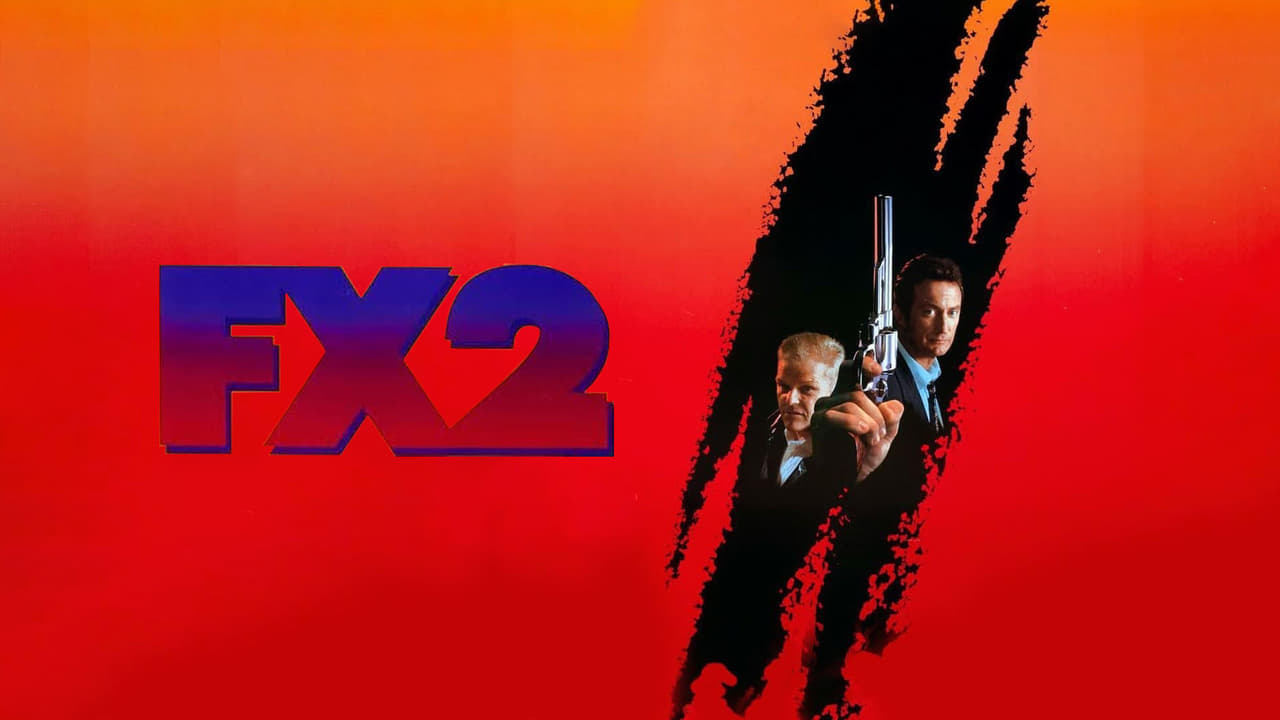
Alright, rewind time. Pop that worn cassette into the VCR, maybe give the tracking a little nudge, and settle in. Remember that feeling? Picking up a sequel from the video store shelf, hoping it recaptured the magic of the original? Sometimes it worked, sometimes… well, less so. But with F/X2 (also known as F/X2: The Deadly Art of Illusion), released in 1991, we got a pretty decent dose of what made the first film click: ingenious practical effects, a dash of danger, and the return of one of the era's most unlikely, yet effective, duos.
### Back in the Magic Business
Five years after the events of the brilliant original F/X (1986), Rollie Tyler (Bryan Brown) has seemingly left the world of high-stakes illusion and government conspiracy behind. He’s making elaborate toys now, living a quieter life with his girlfriend Kim (Rachel Ticotin) and her son. But trouble has a way of finding Rollie. Kim’s ex-husband, a cop named Mike (Tom Mason), ropes Rollie into a sting operation, needing his special effects wizardry to catch a killer. Naturally, things go sideways fast, Mike ends up dead, and Rollie finds himself framed and tangled in a dangerous conspiracy involving corrupt cops and stolen Vatican gold. Sound familiar? Maybe a little, but the setup quickly brings back the core appeal: Rollie using his movie magic skills in the real world, often with lethal consequences for the bad guys.
### The Odd Couple Returns
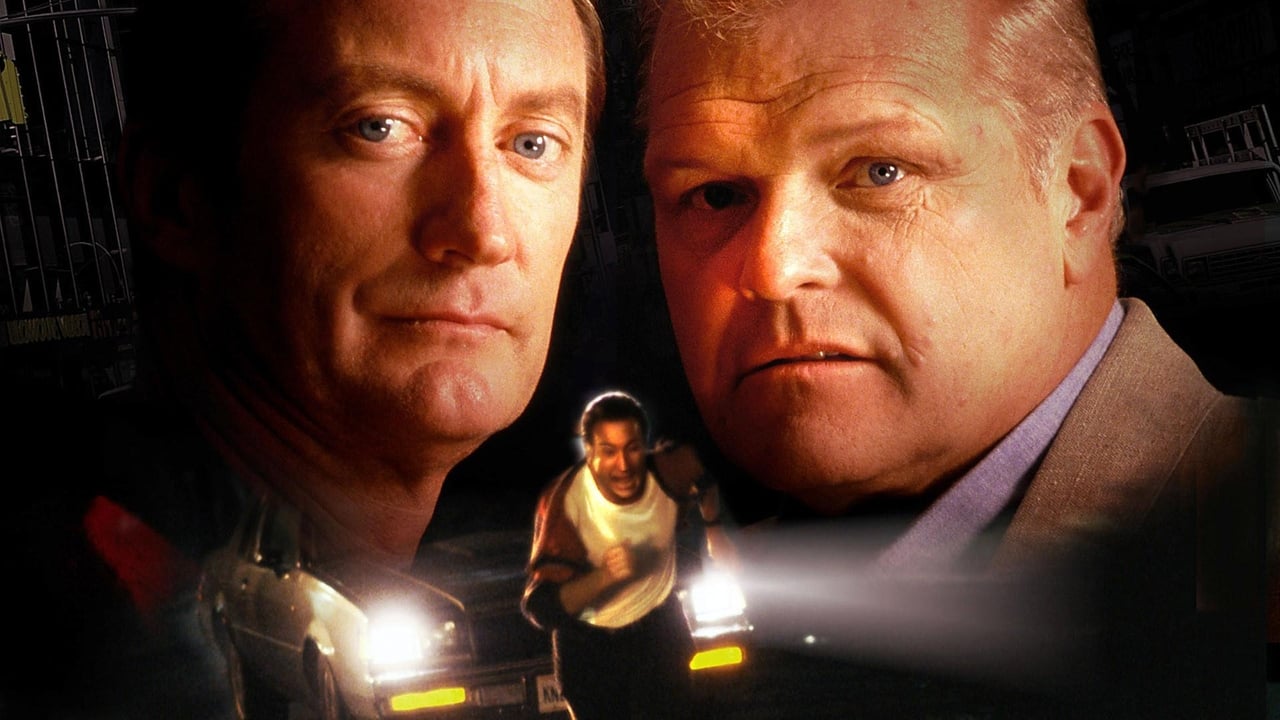
While the plot has its share of twists (some more predictable than others), the real engine driving F/X2 is, once again, the fantastic chemistry between Bryan Brown as the resourceful effects maestro Rollie Tyler and Brian Dennehy as the rumpled, perpetually exasperated cop Leo McCarthy. Their banter feels lived-in, a perfect blend of grudging respect and genuine friendship forged in the chaos of the first film. Dennehy, bless his gruff charm, steals scenes just by showing up, delivering lines with that signature weary authority. Brown, lean and quick-thinking, sells Rollie's ingenuity beautifully. You absolutely believe this guy could whip up an elaborate trap from hardware store parts and sheer nerve. Seeing them back together, navigating another convoluted mess, is pure comfort food for fans of the original.
### Smoke, Mirrors, and Mayhem
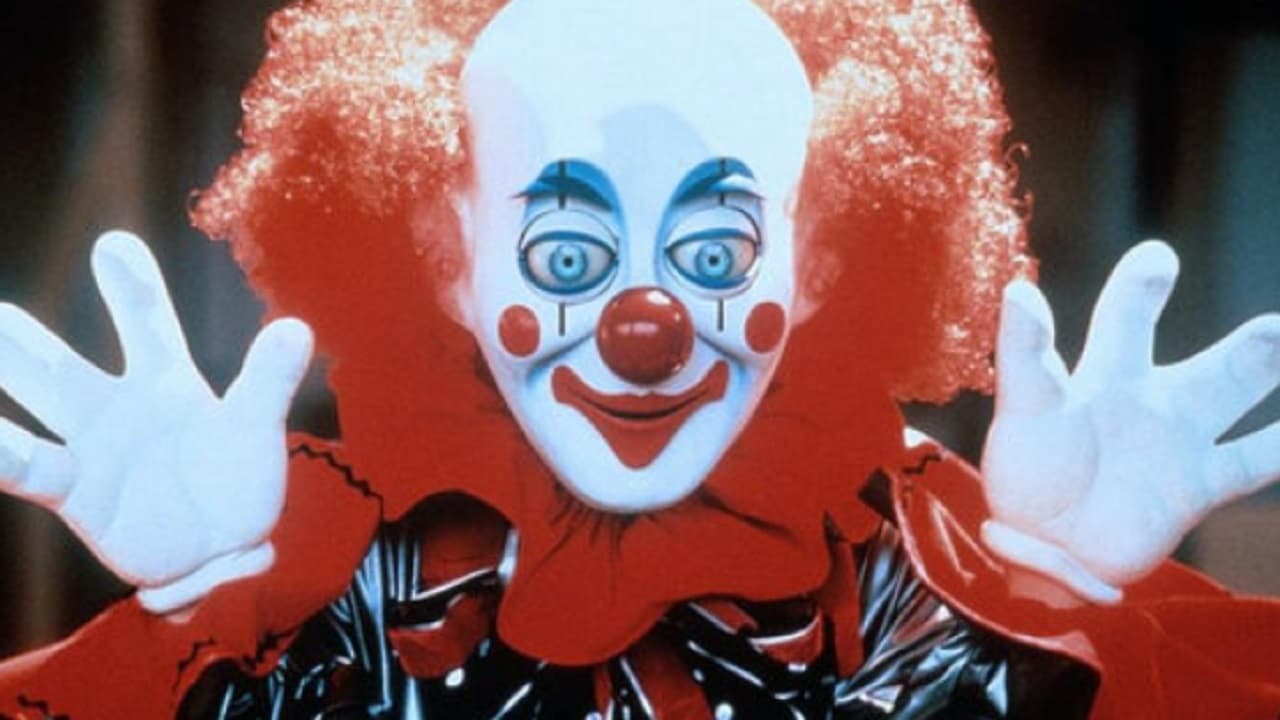
Now, let’s talk about the main event: the practical effects. This is where F/X2 really shines, carrying the torch for the tactile, inventive illusions that defined the first film and, frankly, a lot of the best action thrillers of the era. Director Richard Franklin, who already proved his thriller chops with films like Psycho II (1983), understood that the appeal wasn't just what Rollie did, but how he did it. We get intricate setups involving remote controls, hidden mechanisms, clever disguises, and, of course, pyrotechnics. Remember that creepy-cool animatronic clown, Bluey? Operated via a data glove, it becomes a key tool (and a genuinely unsettling presence) in Rollie’s arsenal. It’s a fantastic example of pre-CGI ingenuity – a complex puppet brought to life through sheer mechanical and performative skill. There's a certain weight and reality to these gags that often gets lost in today's smoother, digital effects landscape. Seeing actual props move, actual (controlled) explosions go off… it just felt different, didn't it? The warehouse sequence and the final showdown in the booby-trapped department store are pure showcases for this kind of hands-on movie magic. It wasn't seamless, perhaps, but it was tangible and incredibly creative.
### 90s Thriller Vibes
While the core concept is strong, F/X2 definitely feels like a product of the early 90s. The pacing is perhaps a bit more conventional than the original's tightly wound suspense, leaning more into action-adventure territory. The script, co-written by Bill Condon (who would later find major success writing/directing dramatically different fare like Gods and Monsters and Dreamgirls), hits the necessary beats but maybe lacks some of the original’s raw edge. Rachel Ticotin is solid as Kim, providing the emotional anchor, and Philip Bosco makes for a suitably oily antagonist. Filmed partly in New York but also utilizing Toronto locations, it captures that specific urban grit mixed with slightly glossier production values common at the time. While the original F/X was a surprise hit ($20M gross on a ~$10M budget), F/X2 landed in a similar box office range (around $20M domestic) but likely cost more, making it a less resounding financial success. Critics were generally kinder to the first outing, finding this sequel enjoyable but perhaps a bit too familiar.
### Legacy of Illusion
F/X2 didn't quite hit the cultural nerve the original did, but it solidified the franchise's identity before it spun off into the reasonably entertaining F/X: The Series (1996-1997). It serves as a fun, well-executed example of a specific type of thriller popular on VHS shelves – clever premise, charismatic leads, and action centered around practical ingenuity rather than sheer firepower (though there's some of that too). It's a reminder of a time when movie magic often involved literal smoke and mirrors, crafted by hand.
***
VHS Heaven Rating: 7/10
Justification: F/X2 earns a solid score primarily for the delightful return of Brown and Dennehy, whose chemistry remains electric, and for its dedication to showcasing creative, tangible practical effects. The Bluey the Clown sequences alone are worth the rental fee. While the plot feels a little less surprising and gritty than the original, it’s still a well-paced and entertaining early 90s thriller that delivers on its core promise of movie magic meeting real-world danger. It loses a few points for predictability and not quite matching the original's taut suspense, but it’s a thoroughly enjoyable ride.
Final Take: A sequel that smartly played to its strengths, delivering gadget-fueled fun and buddy-cop banter that still holds up. It’s a perfect slice of that early 90s era when practical effects wizards were the real action heroes. Crackle, hiss, and enjoy the illusion.