Okay, settle in. Forget the bright lights and cheerful blockbusters for a moment. Let's talk about the chill that settles deep in your bones, the kind that lingers like damp earth after a storm. Remember those horror films that weren't just about jump scares, but about a creeping dread, a violation of the safe and familiar? That’s the unsettling territory William Friedkin ventured back into with 1990’s The Guardian, a film that feels less like a straightforward horror flick and more like a dark, twisted fairytale whispered in the dead of night.
### Whispers in the Woods
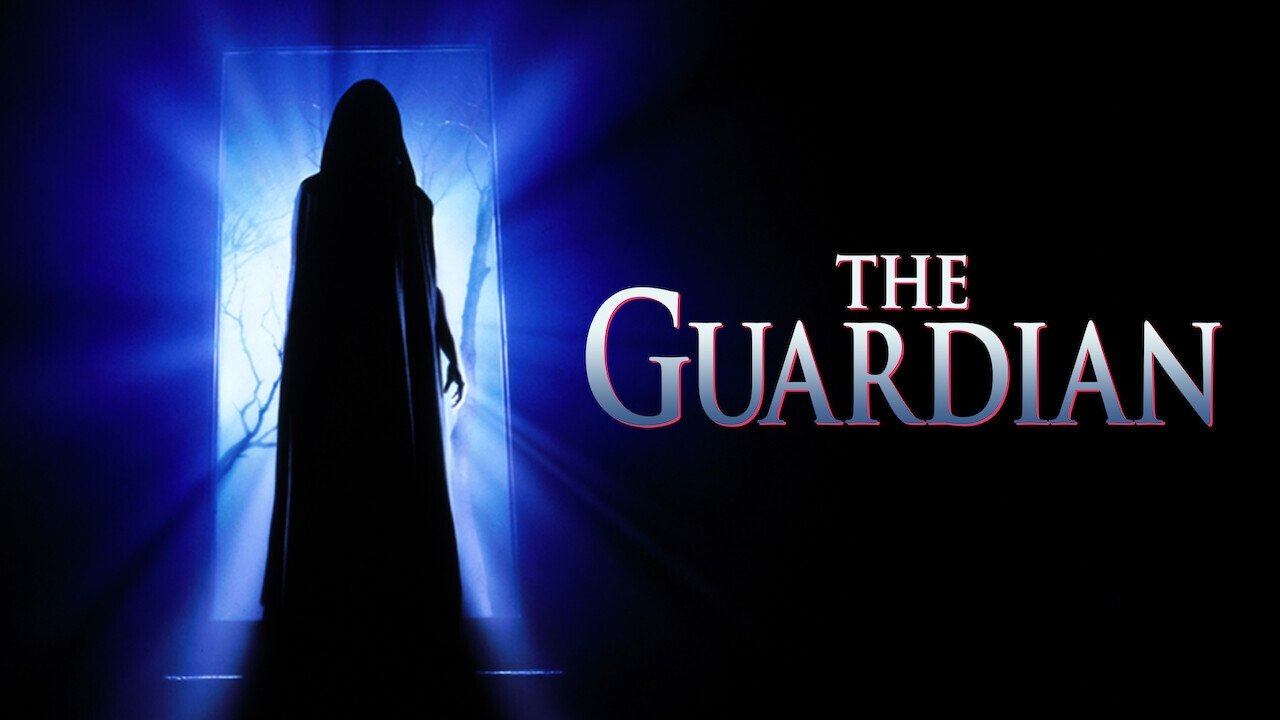
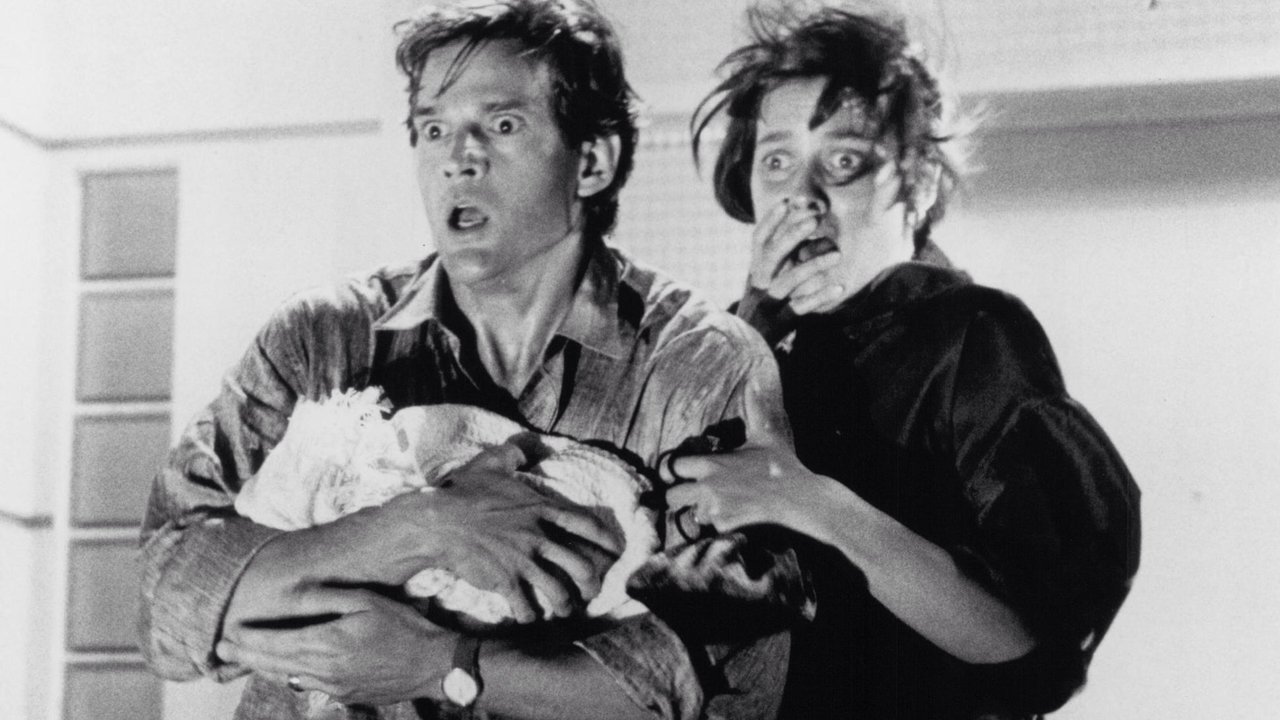
There's an primal unease baked into the premise: a young, upwardly mobile couple, Phil and Kate (Dwier Brown and Carey Lowell), move to sunny Los Angeles and hire what seems like the perfect English nanny, Camilla (Jenny Seagrove), for their newborn son. But Camilla isn't just good with babies; she has an ancient, arboreal secret. She's a druidic guardian, a hamadryad bound to a malevolent, sentient tree hidden deep in the woods, a tree that demands sacrifice. The most terrifying monsters, after all, are often the ones we willingly invite into our homes. Friedkin, the man who dragged audiences through the gritty hell of The French Connection and the spiritual terror of The Exorcist, seemed an odd fit for what could have been a standard "nanny from hell" thriller. But his touch lends the film a certain weight, a grim intensity that elevates it beyond typical genre fare, even if the journey getting there was notoriously troubled.
### The Roots of Terror
The atmosphere here is thick with a strange dichotomy. You have the bright, almost sterile Californian suburbs juxtaposed with the gnarled, menacing presence of Camilla's demonic oak. Friedkin uses this contrast effectively, making the eventual intrusions of the supernatural feel all the more violating. Jenny Seagrove is genuinely unnerving as Camilla. She doesn’t play it as a cackling villain but with a chillingly detached serenity, her eyes holding an ancient coldness that belies her warm smile. You believe her capable of soothing a baby one moment and communing with dark forces the next. It's a performance that anchors the film's weirder aspects. Funnily enough, Seagrove reportedly found working with the intense Friedkin a challenging experience, mirroring the on-screen tension perhaps a little too closely for comfort.
The real star, though, or perhaps the real monster, is the tree itself. Realized through ambitious (for the time) practical effects, it’s a grotesque entity – bleeding, pulsating, its branches like grasping claws. Remember watching those scenes on a fuzzy CRT, the organic horror feeling disturbingly tangible? The effects might show their age now, but the idea of it, this ancient, hungry wood-god demanding infants, still packs a creepy punch. There’s a notorious scene involving the tree and a rather unfortunate encounter with some thugs and a chainsaw that definitely pushed the boundaries of mainstream horror back then. It’s brutal and messy, pure Friedkin in its unflinching gaze.
### A Tangled Production History
You can't really talk about The Guardian without acknowledging its difficult birth. It was originally based on Dan Greenburg's novel "The Nanny," with acclaimed horror writer Stephen Volk (Gothic, Ghostwatch) penning the initial adaptation. Sam Raimi, fresh off Evil Dead II, was even briefly attached to direct before Friedkin came aboard. However, Friedkin heavily rewrote Volk's script, reportedly clashing with the writer and pushing the film further into supernatural territory, focusing more on the druidic lore and the tree itself. This creative tug-of-war is arguably palpable in the final film; sometimes it feels like a domestic thriller wrestling with a creature feature, leading to occasional pacing issues and tonal shifts that don't always quite land. Some plot threads feel underdeveloped, remnants, perhaps, of earlier drafts. Despite a decent $17 million budget (around $38 million today), the film wasn't a huge success, grossing only $5.7 million domestically, and reviews at the time were often harsh, many critics finding it a strange, uneven follow-up for the legendary director.
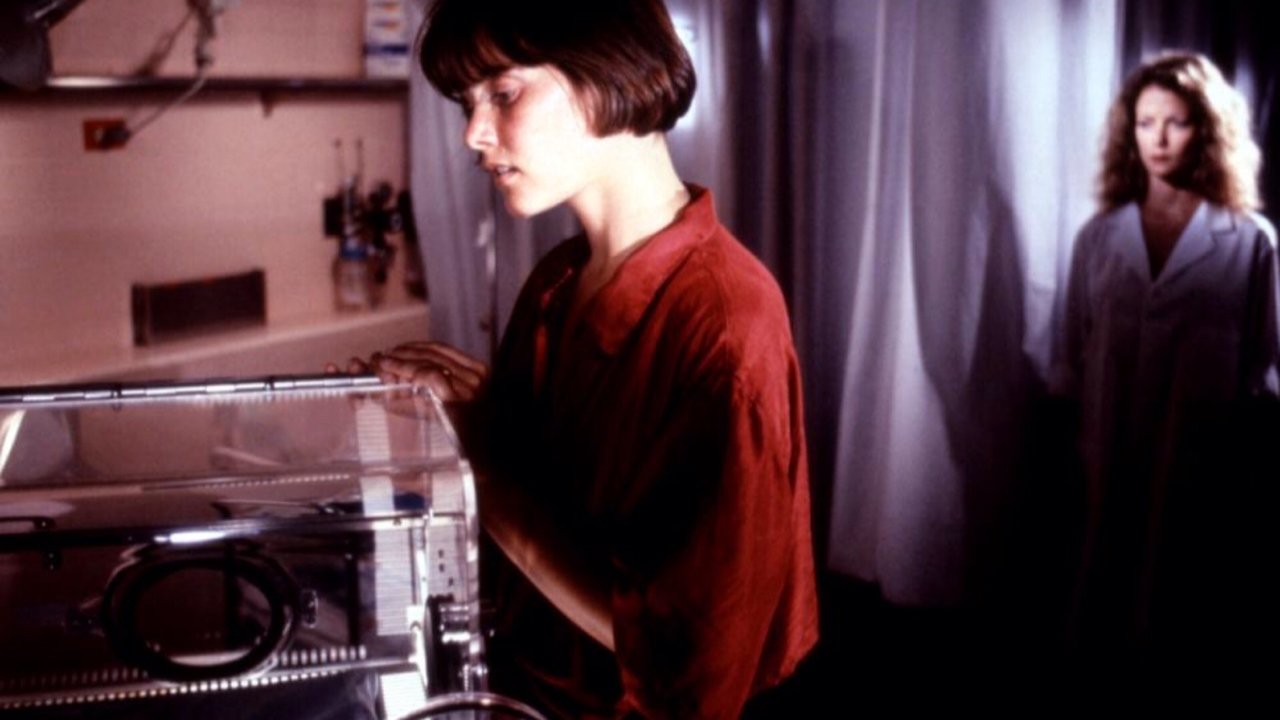
Still, even with its flaws, there's a commitment to the unsettling here. Friedkin doesn't shy away from the disturbing implications of his story. The scenes where Camilla's influence takes hold, the subtle shifts in the household dynamic, the growing parental dread – these moments work effectively. Dwier Brown, best known as Kevin Costner's dad in Field of Dreams, brings a necessary everyman quality to Phil, making his dawning horror relatable. Carey Lowell, who many would recognize from Licence to Kill, effectively portrays Kate's maternal fear turning to fierce protectiveness. The supporting cast includes a memorably weird turn from Miguel Ferrer as an architect neighbour who gets too curious for his own good.
### Lingering Shadows
The Guardian isn't a perfect film. It's uneven, occasionally clunky, and bears the scars of its troubled production. Yet, it possesses a unique, eerie quality that sticks with you. It taps into primal fears – the vulnerability of children, the hidden dangers in nature, the betrayal of trust. Friedkin's direction, even when wrestling with the material, brings a visual intensity and a commitment to genuine unease rather than cheap thrills. It’s a fascinating, flawed artifact from an era where major directors weren't afraid to tackle strange, sometimes messy, genre pictures. Did it redefine horror? No. But does its central imagery – that predatory nanny and her hungry tree – still manage to crawl under your skin after all these years? For many of us who caught it late one night on VHS, the answer is a quiet, unsettling yes.
Rating: 6/10
Justification: The score reflects the film's undeniable atmospheric strengths, Seagrove's chilling performance, and Friedkin's intense directorial hand, which create genuine moments of dread. However, it's held back from a higher score by its uneven script (a result of the documented production issues), sometimes awkward pacing, and effects that, while ambitious, haven't aged perfectly. It's a compelling but flawed piece of 90s horror.
Final Thought: It might not be top-tier Friedkin, but The Guardian remains a uniquely creepy slice of eco-horror meets nanny-nightmare, a film whose central, arboreal terror is hard to shake once it takes root in your mind. A fascinatingly dark branch on the horror family tree.