Okay, fellow rewind warriors, let's talk about a tape that probably saw some heavy rotation in the action section of your local video store: Delta Force 2: The Colombian Connection (1990). Forget the nuanced geopolitics; this is pure, unadulterated early 90s Chuck Norris, directed by his brother Aaron Norris, delivering exactly what the box art promised: righteous American fury aimed squarely at a sneering drug lord. Grab your favourite fizzy drink, maybe dim the lights – let's head back to the jungle.
### One Man Army vs. Cocaine Kingpin
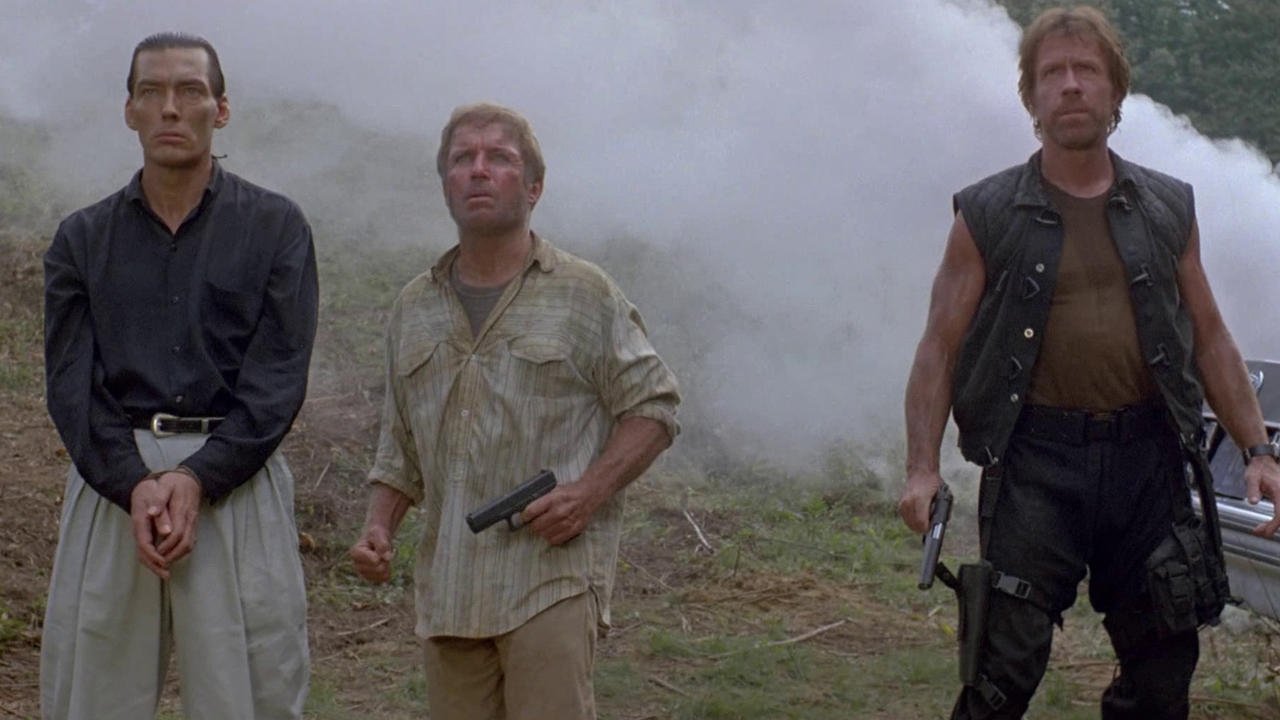
Right off the bat, Delta Force 2 ditches the ensemble feel of the 1986 original (which, let's be honest, was already half a Chuck Norris showreel thanks to Lee Marvin's fading presence). This time, it's personal. Colonel Scott McCoy (Chuck Norris, naturally) is out for blood after his DEA buddy and his family are brutalised by the cartoonishly evil Ramon Cota, played with chilling, reptilian glee by the unforgettable Billy Drago. Cota is the reason this movie lodges in your memory. With his slicked-back hair, piercing eyes, and utter lack of conscience, he’s a villain ripped straight from the era's headlines, albeit dialled up to eleven. Remember how genuinely unsettling Drago was? He didn't just play bad; he inhabited it. It's a performance that elevates the standard action-revenge plot considerably.
The setup is classic Cannon Films B-movie logic, carried over into their 90s output under Pathé Communications: Cota is untouchable in his fictional South American nation of San Carlos (standing in for Colombia), protected by his vast wealth and private army. When diplomacy fails (spectacularly and violently, involving Cota kidnapping DEA agents during a staged surrender), it's time for McCoy and his significantly smaller Delta Force team to go off-book.
### Raw Power, Real Danger
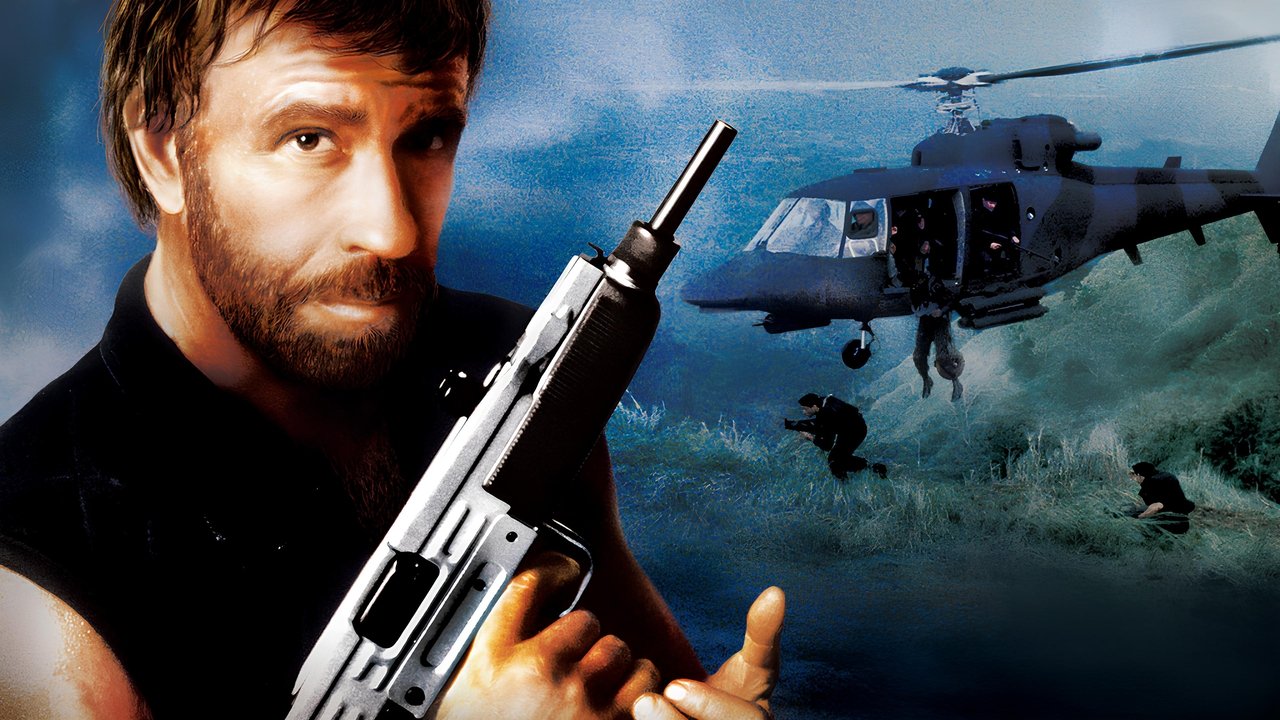
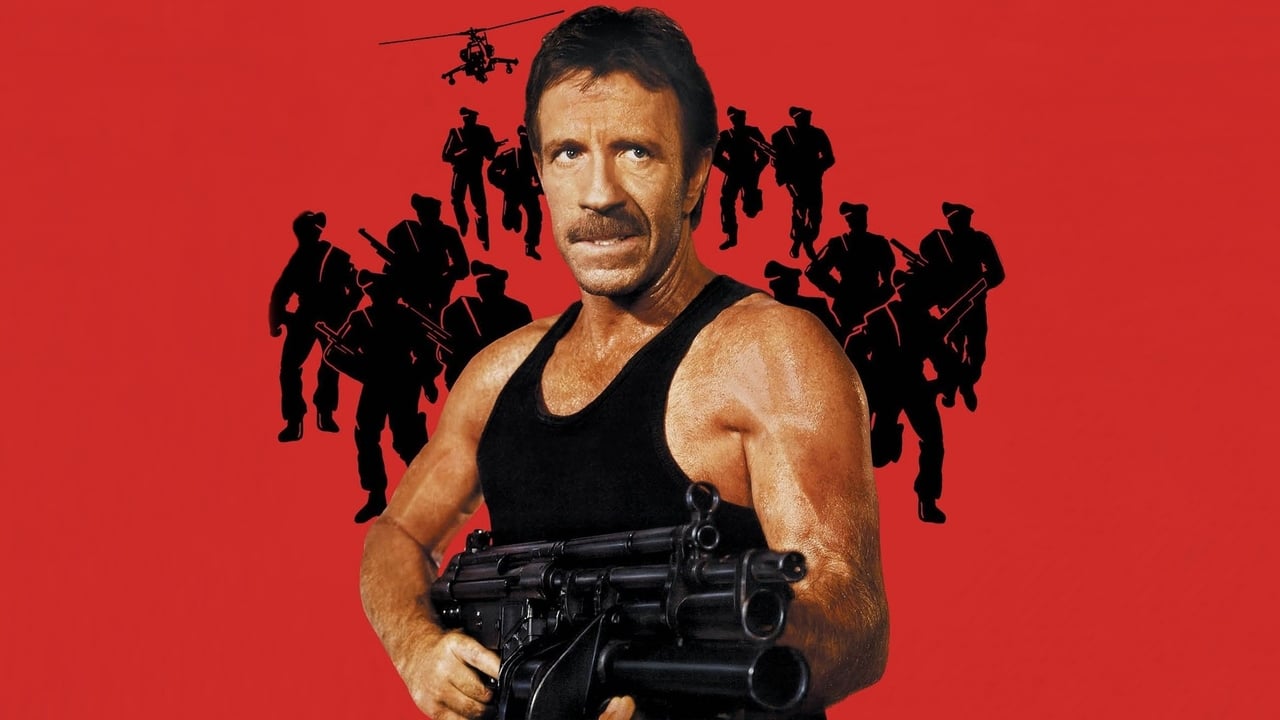
Now, let's talk action, because that's the main course here. Forget sleek, digital trickery. This is the era of tangible mayhem. The film throws everything at the screen: helicopter assaults, brutal hand-to-hand combat, massive explosions, and perilous stunt work. There’s a raw, almost reckless energy to it that modern, sanitised action often lacks. Remember that insane sequence where McCoy uses a helicopter winch to basically fly up a sheer cliff face under heavy fire? That’s pure, unadulterated 90s action gold, relying on nerve and practical rigging rather than pixels.
The jungle firefights feel chaotic and dangerous, bullets ripping through foliage, stunt performers taking hard falls. You feel the impact because, well, it was often real impact. This commitment to practical effects wasn't without its profound cost, however. It’s impossible to discuss Delta Force 2 without acknowledging the tragic reality of its production. During filming in the Philippines, a horrific helicopter crash claimed the lives of five people, including three Filipino crew members and two Americans (cameraman Don Marshall and pilot Jojo Imperial). It's a sobering reminder of the very real risks involved in creating this kind of spectacle back then, a side of the VHS thrill-ride we rarely considered as kids renting the tape. This devastating event undoubtedly cast a shadow over the production, a fact often lost in casual viewing but crucial to remember when appreciating the risks taken.

### Norris and the Norris Touch
Chuck Norris is, well, Chuck Norris. Stoic, lethal, delivering roundhouse kicks and concise threats with equal measure. He embodies the Reagan-era ideal of the unstoppable American hero cleaning up foreign messes, a theme that felt perfectly natural scrolling across our fuzzy CRT screens. His brother, Aaron Norris, who directed several Chuck vehicles like Braddock: Missing in Action III (1988) and later the Walker, Texas Ranger series, keeps the pacing relentless. There's no fat here; it's all about moving McCoy from one confrontation to the next. The supporting cast, including the always-reliable John P. Ryan as McCoy’s commanding officer General Taylor, provides the necessary backup, but make no mistake, this is Chuck's show.
Interestingly, the film faced some hurdles beyond the tragedy. It reportedly went over budget, a common issue for the ambitious productions Cannon (and its successors) were known for. While it performed respectably at the box office (grossing around $18.5 million worldwide against its budget, though precise figures vary), it didn't quite reach the heights of the first film, perhaps signalling a slight shift in audience tastes as the 90s dawned. Critics at the time were largely dismissive, often pointing to the simplistic plot and jingoistic undertones, but audiences looking for straightforward action thrills found plenty to cheer about.
### Does it Still Kick?
Watching Delta Force 2 today is a fascinating trip. The politics feel blunt, almost naive by modern standards, and the plot mechanics are straightforward. Yet, the action retains a visceral punch precisely because it’s so grounded in practical reality. The stunt work is genuinely impressive, Billy Drago remains a top-tier villain, and Chuck Norris delivers exactly the brand of quiet intensity his fans adored. You can almost feel the hum of the VCR pulling the tape through the heads.
Rating: 6.5/10
Justification: It's not sophisticated, and the shadow of the real-life tragedy adds a somber note. However, for sheer, unpretentious 90s action featuring incredible practical stunt work and a truly memorable villain, Delta Force 2 delivers the goods. It’s a solid example of the Chuck Norris B-action formula firing on most cylinders, warts and all.
Final Word: Forget slick editing and CGI armies; this is action filmmaking where you can almost smell the cordite and feel the rotor wash – a raw, sometimes dangerous, but undeniably potent blast from the VHS past.