Alright, rewind your mind. Picture this: it's Friday night, you've just wrestled the slightly chewed-up Days of Thunder cassette from its cardboard sleeve at the local video store (remember those glorious temples?), and slotted it into the VCR. The tracking might need a tweak, the picture might swim a little on your trusty CRT, but the roar that fills the room? That's pure, unadulterated 1990s adrenaline. Forget subtlety; this is cinematic nitro-methane, courtesy of the team that strapped us into a fighter jet just four years earlier.
"Top Gun" On Wheels? Yeah, And…?
Let's face it, the comparisons to Top Gun (1986) were immediate and unavoidable. You've got the reunion of producers Don Simpson and Jerry Bruckheimer, director Tony Scott, and superstar Tom Cruise. You've got the cocky young talent (Cole Trickle instead of Maverick), the grizzled mentor figure (Robert Duvall's Harry Hogge replacing Tom Skerritt's Viper), the competitive rivalries (Michael Rooker's Rowdy Burns), and the slightly improbable romance (Nicole Kidman's Dr. Claire Lewicki). The structure feels familiar, a high-octane sports movie template polished to a blinding sheen. But honestly? Back then, who cared? We weren't looking for Chekhov; we were looking for speed, spectacle, and Cruise flashing that million-dollar grin.
The plot, penned by the legendary Robert Towne (of Chinatown fame, believe it or not, though stories persist of extensive on-set rewrites heavily influenced by Cruise himself), follows Trickle, an open-wheel racer trying to break into the rough-and-tumble world of NASCAR. He clashes with veteran crew chief Harry Hogge, battles rivals on the track, overcomes injury, and finds love. It's simple, yes, but it's the execution that slams you back in your seat.
Feel the Roar: Practical Effects Nirvana
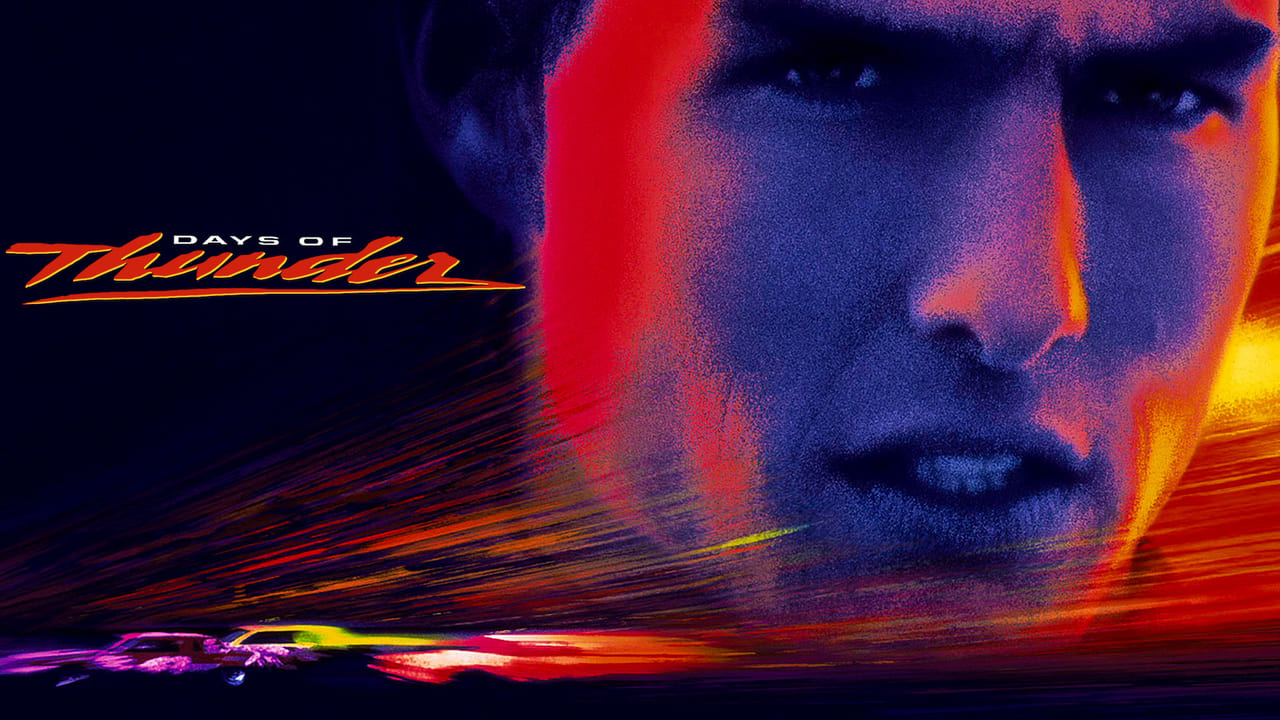
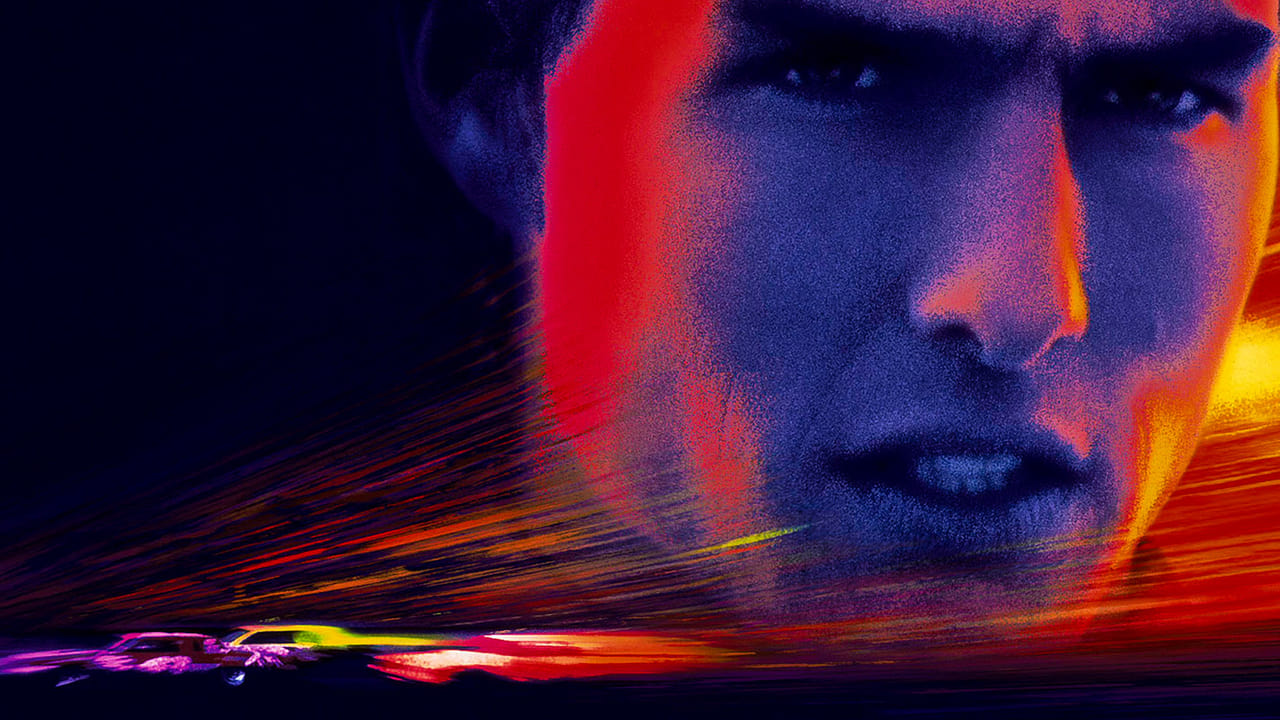
This is where Days of Thunder truly earns its place in VHS Heaven. Tony Scott, king of the stylized action aesthetic (think Beverly Hills Cop II, The Last Boy Scout), throws everything at the screen. Smoke, lens flares, saturated colours, quick cuts – it's a sensory assault designed to mimic the chaos of stock car racing. And the sound! Hans Zimmer's iconic score thumps alongside the engine screams and metal shrieks, creating an almost overwhelming wall of noise that felt incredibly immersive on a decent home theater setup (or even just turned up loud!).
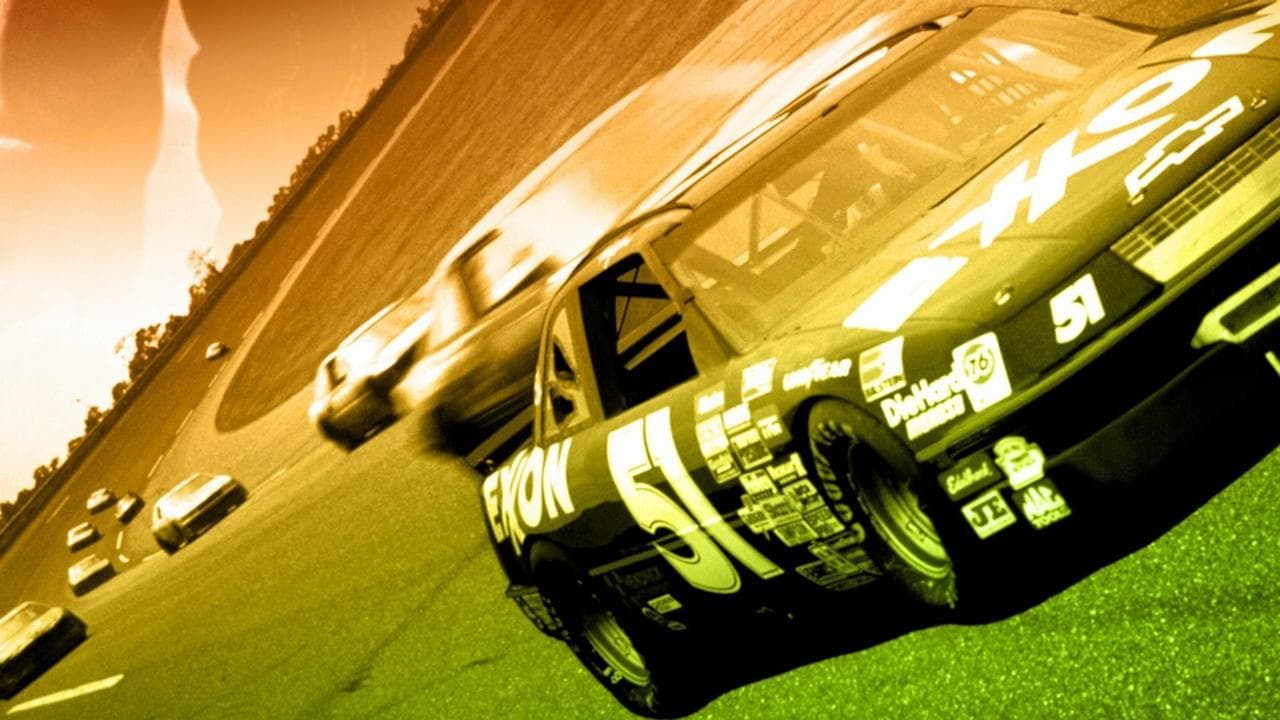
But the real stars are the practical effects. These races feel dangerous because, well, they often were. We're talking real cars, driven by actual stunt professionals and sometimes even NASCAR legends like Rusty Wallace and Neil Bonnett making appearances, thundering around genuine tracks like Daytona and Charlotte. Remember those crashes? The way cars would realistically crumple, shed parts, flip, and burst into flames felt terrifyingly authentic. There's a weight and impact here that often gets lost in today's smoother, CGI-aided sequences. Scott reportedly burned through a lot of race cars filming these scenes. It's rumoured that specialized camera cars were designed specifically for this film, allowing for those incredibly low, dynamic shots that put you right on the asphalt. This wasn't just point-and-shoot; it was orchestrated mayhem captured with groundbreaking techniques for its time.
The Crew Behind the Wheel
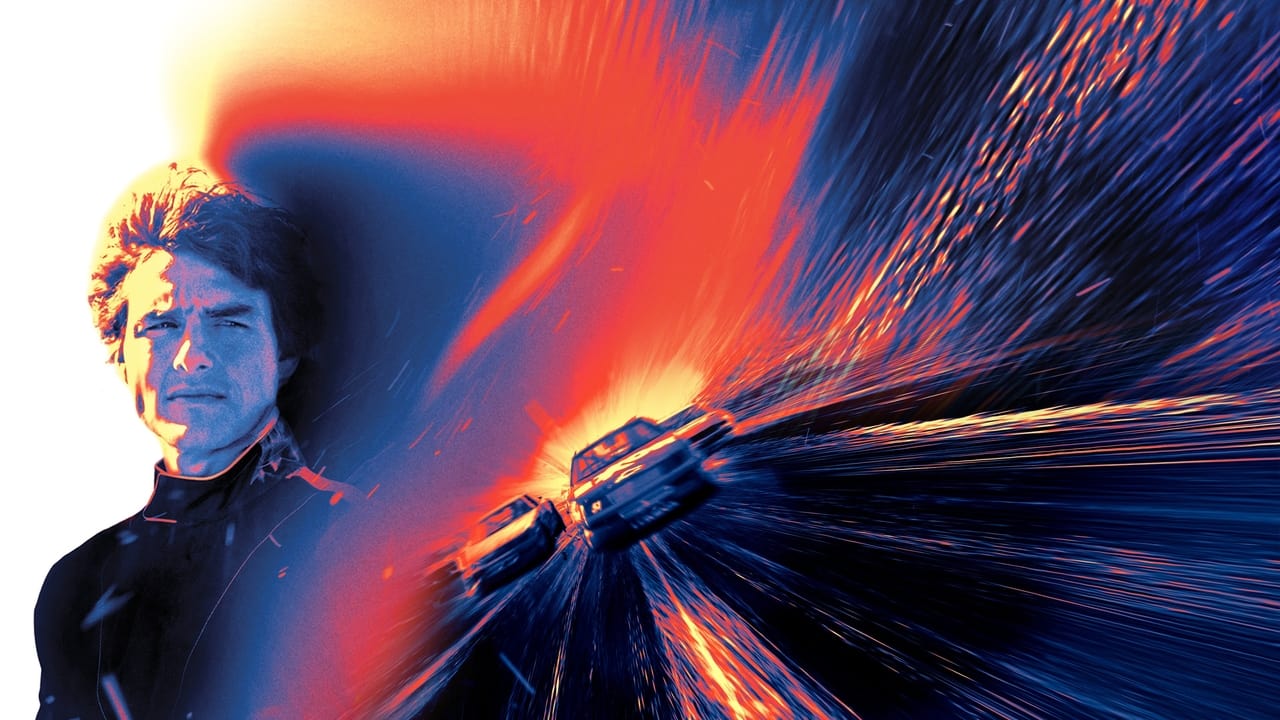
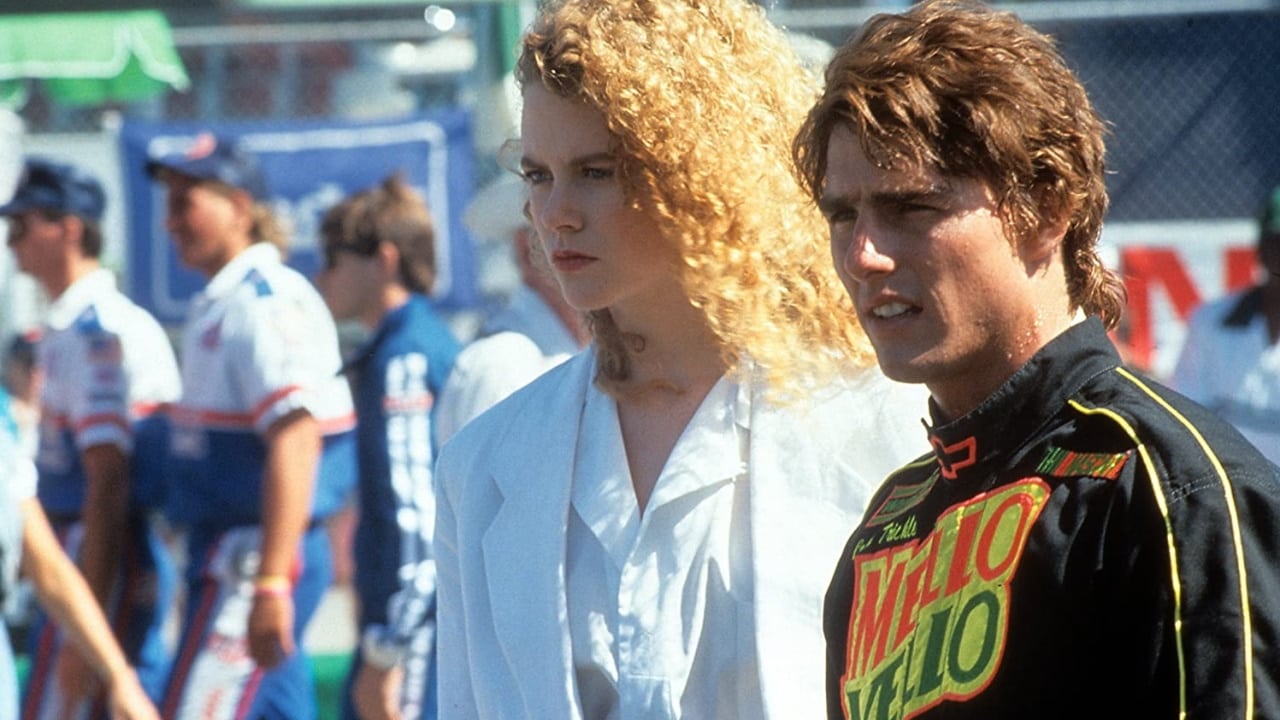
While Cruise is undeniably the star, radiating pure charisma as the ambitious Cole Trickle (and doing a fair bit of his own driving, adding another layer of perceived realism), the film is anchored by a phenomenal Robert Duvall. As Harry Hogge, the disgraced crew chief seeking redemption, Duvall brings a gravelly gravitas that elevates the whole affair. His scenes with Cruise, building trust and understanding amidst the grease and gasoline, are the film's heart. Reportedly, Duvall based his character heavily on real-life NASCAR legend Harry Hyde.
Then there's Nicole Kidman in her first major Hollywood role, meeting her future husband Cruise on set. As Dr. Lewicki, she's intelligent and capable, though the romance plotline sometimes feels like a mandated pit stop rather than an organic part of the race. Still, their chemistry, which obviously blossomed off-screen, is palpable. Supporting players like the always intense Michael Rooker as the initial rival Rowdy Burns, Cary Elwes as the later antagonist Russ Wheeler, and Randy Quaid as the folksy but shrewd team owner Tim Daland fill out the world effectively.
Burning Rubber and Burning Cash
This movie wasn't cheap. With a reported budget soaring around $60 million (that's roughly $140 million in today's money!), the pressure was immense. Stories abound of Tony Scott's meticulous, sometimes costly, visual perfectionism – famously waiting hours, even days, for the perfect cloud formations. Despite the cost and some critical grumbling about the formulaic plot, Days of Thunder was a significant box office success, pulling in over $157 million worldwide. It tapped directly into the zeitgeist, delivering exactly the kind of high-gloss, high-energy entertainment audiences craved. It wasn't high art, but damn, was it a ride. I distinctly remember the buzz around this one – the trailers seemed inescapable, promising the ultimate speed fix.
Final Lap
Days of Thunder is pure, unadulterated Simpson/Bruckheimer magic filtered through Tony Scott's hyper-visual lens. It's loud, it's brash, it's formulaic, and it's undeniably entertaining. The plot might be thin, but the racing sequences remain thrilling examples of practical stunt work at its peak, delivering a visceral impact that still resonates. Duvall provides the soul, Cruise brings the star power, and the sheer kinetic energy papers over any narrative bumps.
Rating: 7.5/10
Justification: The film delivers exactly what it promises: high-octane thrills and star power, executed with technical brilliance for its time. The practical racing effects are outstanding and hold up remarkably well. Duvall's performance adds significant weight. It loses points for its derivative plot structure and sometimes thin characterizations, but the sheer energy and nostalgic rush push it comfortably above average.
Final Thought: Pop this tape in (or fire up the stream) when you need a reminder of how exhilarating action felt before computers took over the heavy lifting – it’s pure, glorious, fuel-injected 90s excess.