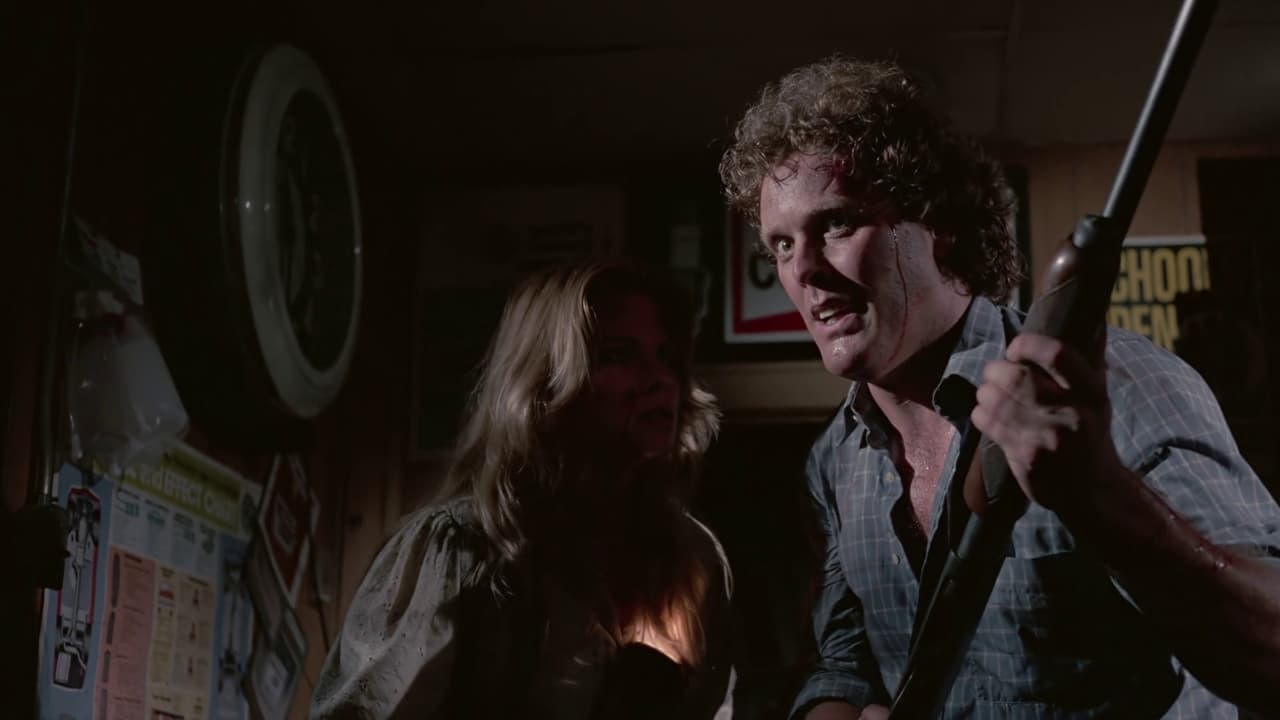
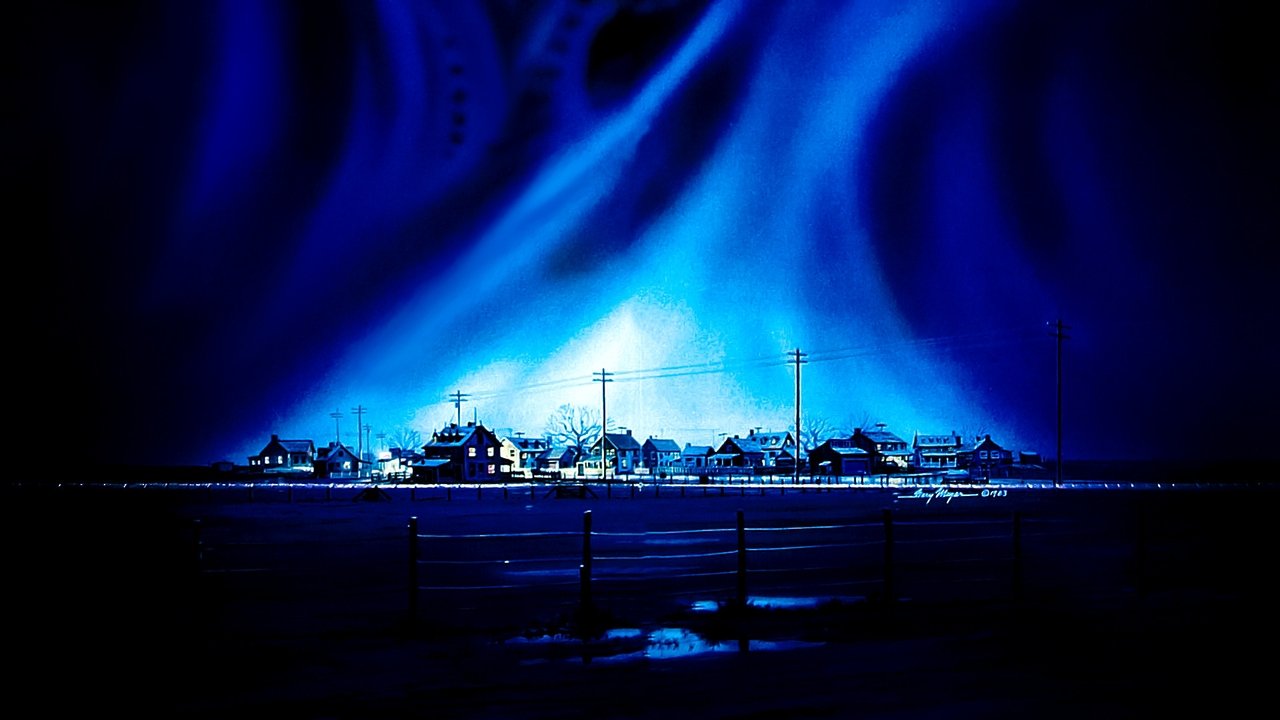
The air hangs thick and soupy, doesn't it? That peculiar blend of Southern humidity and something else… something acrid, chemical. It clings to the screen right from the opening frames of Night Shadows, the 1984 chiller often found under its more direct moniker, Mutant. You drive into the sleepy town of Goodland, alongside brothers Josh (Wings Hauser) and Mike (Lee Montgomery), seeking refuge from a road trip squabble, and immediately sense that the quiet streets mask a festering secret. This isn't just small-town suspicion; it's a pervasive sickness that seems to have seeped into the very soil.
Something in the Water
The setup is classic B-movie gold: outsiders stumble into a nightmare unknowingly unfolding. Director John 'Bud' Cardos, no stranger to creature features after helming the wonderfully creepy Kingdom of the Spiders (1977), takes his time letting the dread simmer. Initially, it’s just strange behaviour – hostile stares, vacant expressions, people shuffling in the shadows. But soon, the truth bubbles to the surface, quite literally. Illegal toxic waste dumping has contaminated the local water supply, transforming the townsfolk into something… else. They develop lesions, ooze yellowish goo, and crave salt with a homicidal intensity. Remember that specific, nauseating shade of yellow-green slime that seemed endemic to 80s horror? Night Shadows practically bathes in it.
It's this slow burn, the gradual reveal of the town's horrifying transformation, that gives the film its unsettling power. Cardos builds atmosphere effectively, using the muggy Georgia locations (where the film was shot on a modest $1.3 million budget) to create a sense of inescapable decay. The nights feel genuinely dark, punctuated by the buzzing of unseen insects and the guttural moans of the afflicted. You can almost feel the clammy heat radiating off the screen, adding another layer of discomfort to the unfolding horror.
Hauser Unleashed, Hopkins Grounded
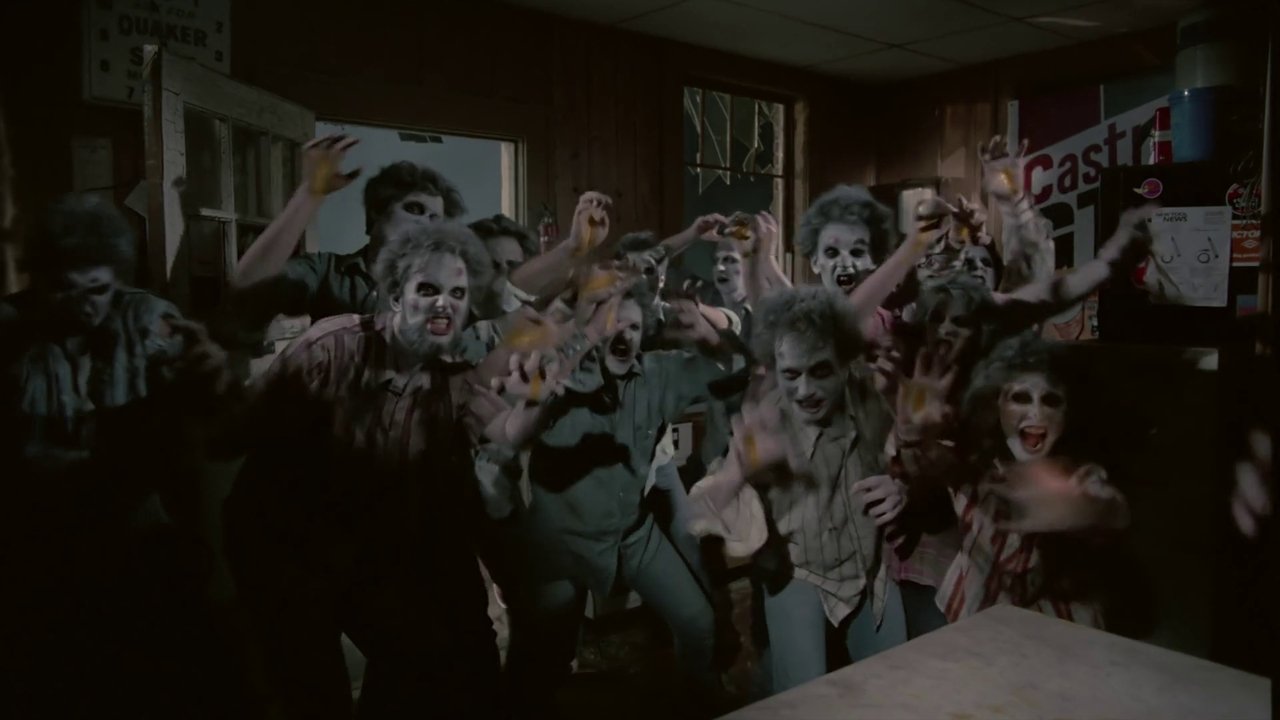
Anchoring the chaos is the ever-intense Wings Hauser as Josh. Hauser always brought a live-wire energy to his roles, and here it translates perfectly into the desperate older brother trying to protect his sibling and figure out what the hell is going on. He’s believably tough but also conveys the mounting panic as the situation spirals. Sharing the screen is the reliable Bo Hopkins as Sheriff Will Stewart. Hopkins, a familiar face from films like American Graffiti (1973) and Midnight Express (1978), provides the weary, grounded authority figure initially skeptical but forced to confront the grotesque reality. His dynamic with Hauser – shifting from suspicion to grudging alliance – forms the film's solid dramatic core. Jody Medford as the local schoolteacher, Holly, serves adequately as the concerned local and eventual ally, though the script (credited to three writers, which might explain some unevenness) doesn't give her quite as much to chew on.
The Gooey Goods
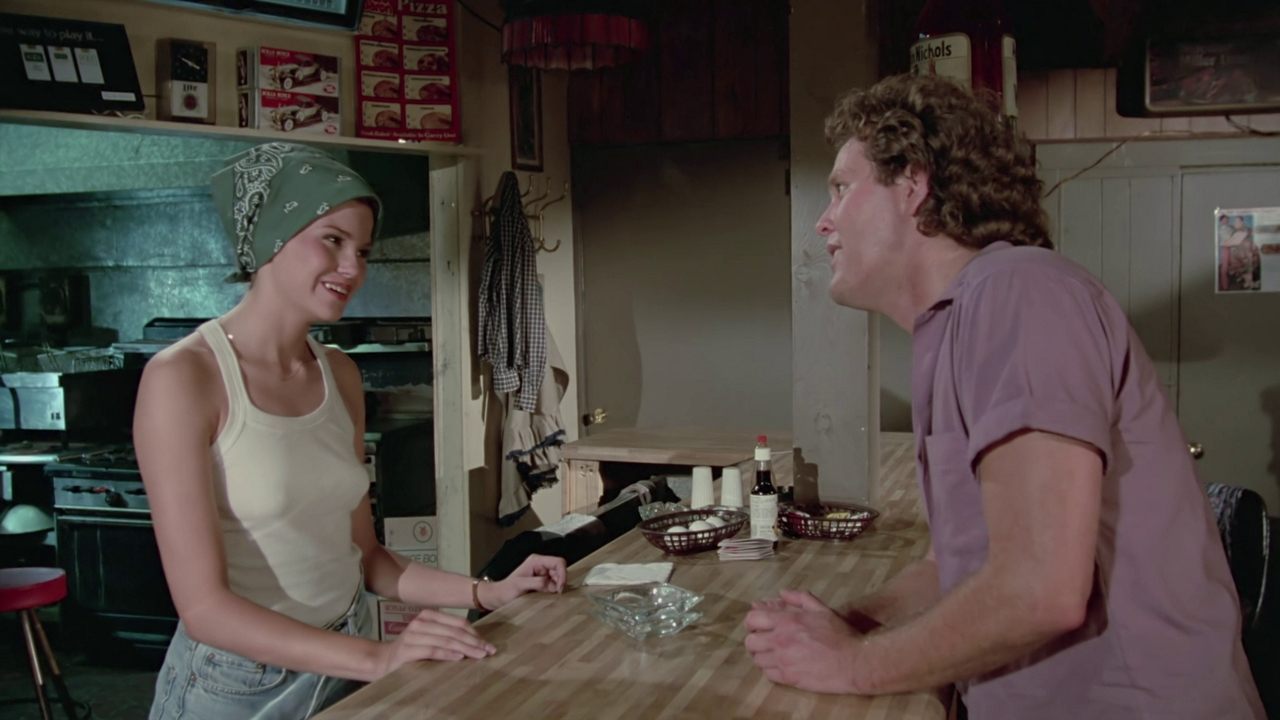
Let's talk about the "mutants." Forget subtle transformations; this is pure 80s practical effects territory. When the infected townsfolk go full monster, they become pustule-covered, slime-dripping ghouls with milky eyes and a decidedly unpleasant acidic touch. The credit for this stomach-churning work goes to makeup effects artist Mark Shostrom, a name familiar to horror aficionados for his contributions to classics like A Nightmare on Elm Street 2: Freddy's Revenge (1985), Evil Dead II (1987), and Phantasm II (1988). While perhaps not as technically sophisticated as some later work, the effects here have a tangible, grotesque quality that still feels genuinely nasty. There's a visceral physicality to the creatures – the way they shamble, the sound design accompanying their movements – that CGI rarely captures. Didn't those melting, corrosive handprints leave a mark on your memory?
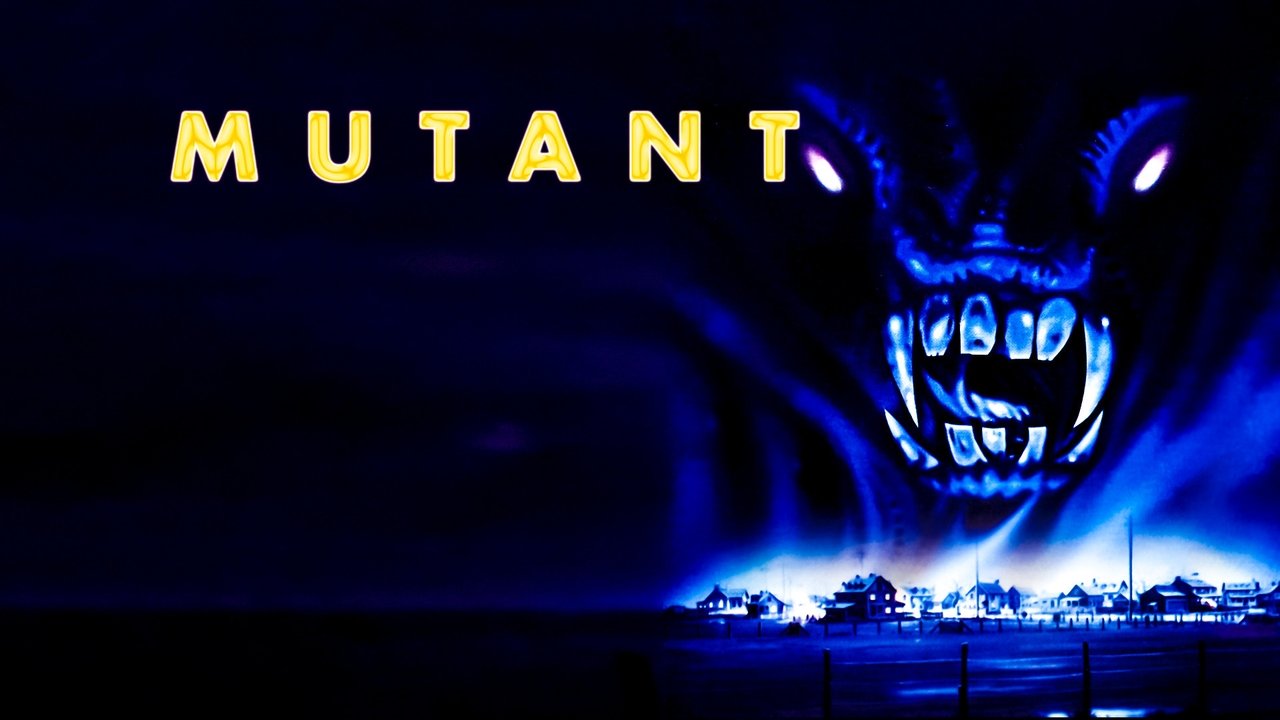
The film isn't without its pacing issues; there are stretches where the investigation plods a bit before the next slime-soaked encounter. Some dialogue feels functional rather than inspired. Yet, certain sequences lodge themselves firmly in the mind: the tense standoff in the local bar, the discovery of the chemical plant's foul secrets, and the frantic, messy final siege. These moments deliver the requisite shocks and splattery action that video store patrons were hunting for on a Friday night. I distinctly remember renting this one, the lurid cover art promising exactly the kind of creature-feature mayhem it largely delivered. It became a staple on late-night cable, a familiar dose of ooze and unease.
Still Shadows in the Corner?
Night Shadows/Mutant isn't a lost masterpiece, but it's a highly effective piece of Reagan-era eco-horror, tapping into anxieties about industrial pollution while delivering satisfying creature feature thrills. It sits comfortably alongside other 80s cautionary tales where science or corporate greed unleashes something monstrous upon unsuspecting communities. It may borrow liberally from zombie tropes and small-town horror clichés, but it does so with a certain grimy conviction. The practical effects hold a distinct, nostalgic charm, and the central performances, particularly Hauser's, elevate the material.
Rating: 6/10
Justification: Night Shadows earns its score through its strong atmosphere, genuinely unsettling practical effects work by a notable artist, and committed lead performances from Hauser and Hopkins. It successfully evokes the specific dread of 80s eco-horror and creature features. Points are deducted for uneven pacing, a somewhat derivative script, and characters who occasionally feel underdeveloped. However, it remains a solid, enjoyable example of its type.
Final Thought: For fans who haunted the horror aisles of video stores, Night Shadows/Mutant remains a potent dose of nostalgia – a reminder of a time when environmental fears manifested as goo-dripping monsters, best watched late at night with the lights down low. It’s a grimy, satisfying trip back to the heyday of practical horror.