The flickering static clears, the tracking lines settle, and the familiar Columbia Pictures logo glows dimly on the CRT. But something feels… different this time. The night outside the window seems heavier, the shadows in the room stretch a little longer. You slide in the tape for Fright Night Part 2 (1988), and almost immediately, a sense of displacement washes over you. This isn't quite the familiar terror next door; it's something slicker, stranger, and carrying the distinct chill of vengeance.
Picking Up the Pieces
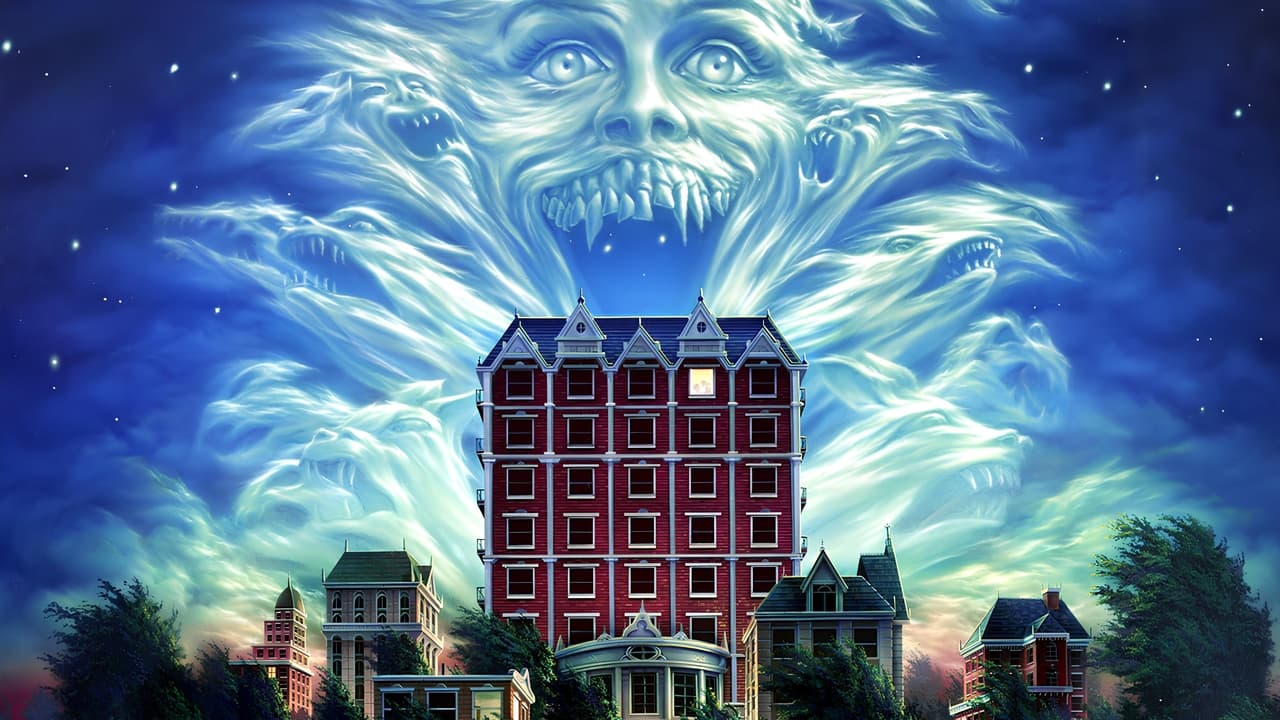
We rejoin Charley Brewster (William Ragsdale) attempting normalcy. Three years have passed since the horrifying events next door, and he’s undergoing therapy, trying to convince himself – and his psychologist – that Jerry Dandridge was nothing more than a delusion, a product of a horror-obsessed mind. Peter Vincent (Roddy McDowall), the beloved "Fearless Vampire Killer," is back hosting Fright Night, still clinging to his B-movie persona, though perhaps a little less convinced by his own act this time around. There’s a fragile peace, underscored by Charley’s new, grounded girlfriend Alex (Traci Lind), who seems determined to keep his feet on the ground. But peace, as any horror fan knows, is terrifyingly temporary.
A New Kind of Predator
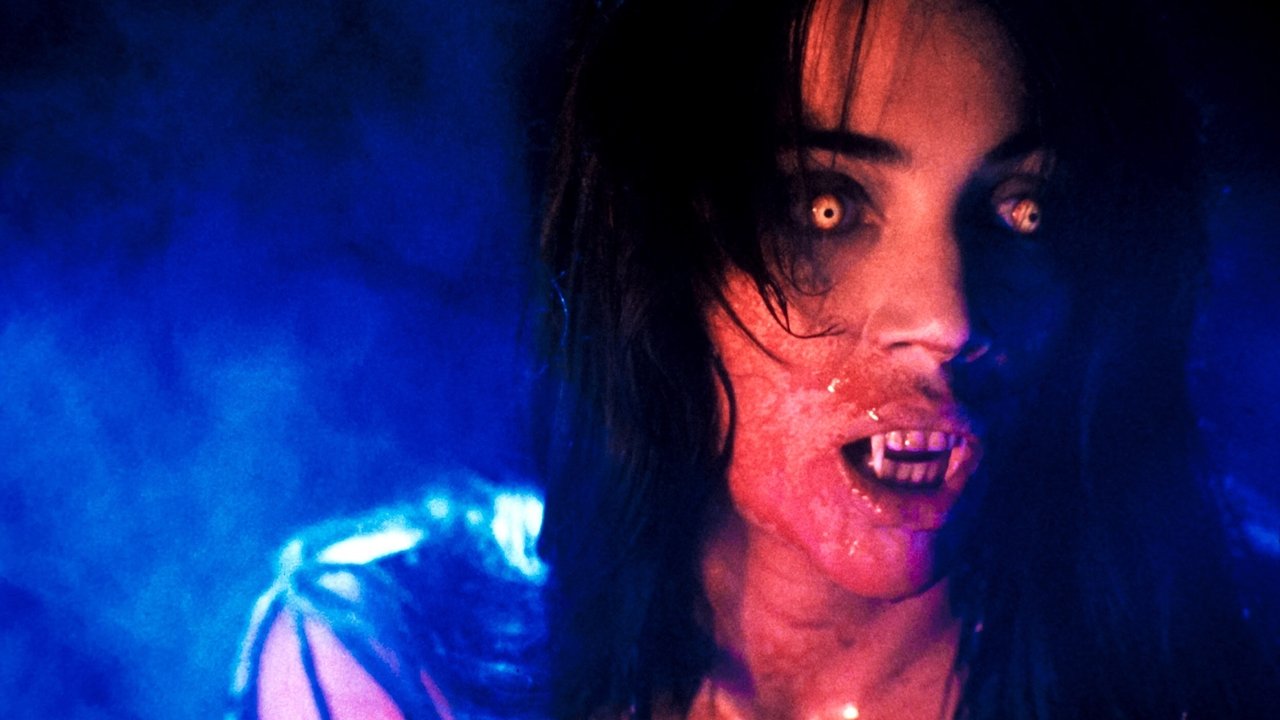
The disruption arrives in the form of Regine Dandridge (Julie Carmen) and her entourage, moving into Peter Vincent's apartment building. Carmen steps into impossibly large shoes, following Chris Sarandon's iconic portrayal of Jerry, but wisely chooses not to imitate. Regine is Jerry's sister, and she’s not just looking for a midnight snack; she’s seeking retribution for her brother's demise. Carmen plays her with a cold, captivating allure – less predatory charm, more calculated deadliness mixed with a performance artist's theatricality. Her crew isn't your standard coven, either. We get Belle, who consumes insects with unnerving relish; Louie, a perpetually grinning vampire on roller skates (yes, really); and the imposing chauffeur, Bozworth. It’s a bizarre, almost punk-rock collection of undead that immediately signals this sequel is marching to its own strange beat, courtesy of director Tommy Lee Wallace, a John Carpenter alum known for helming the distinctively different Halloween III: Season of the Witch (1982).
Shifting Shadows and Practical Oddities
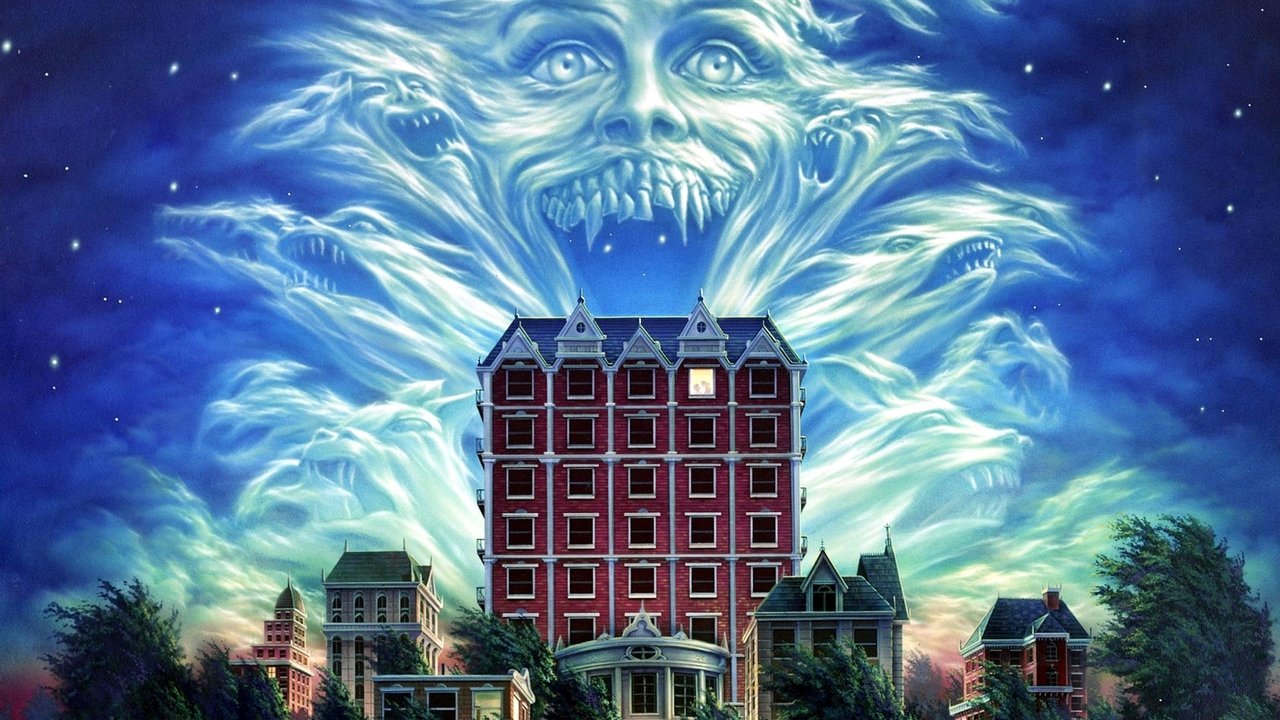
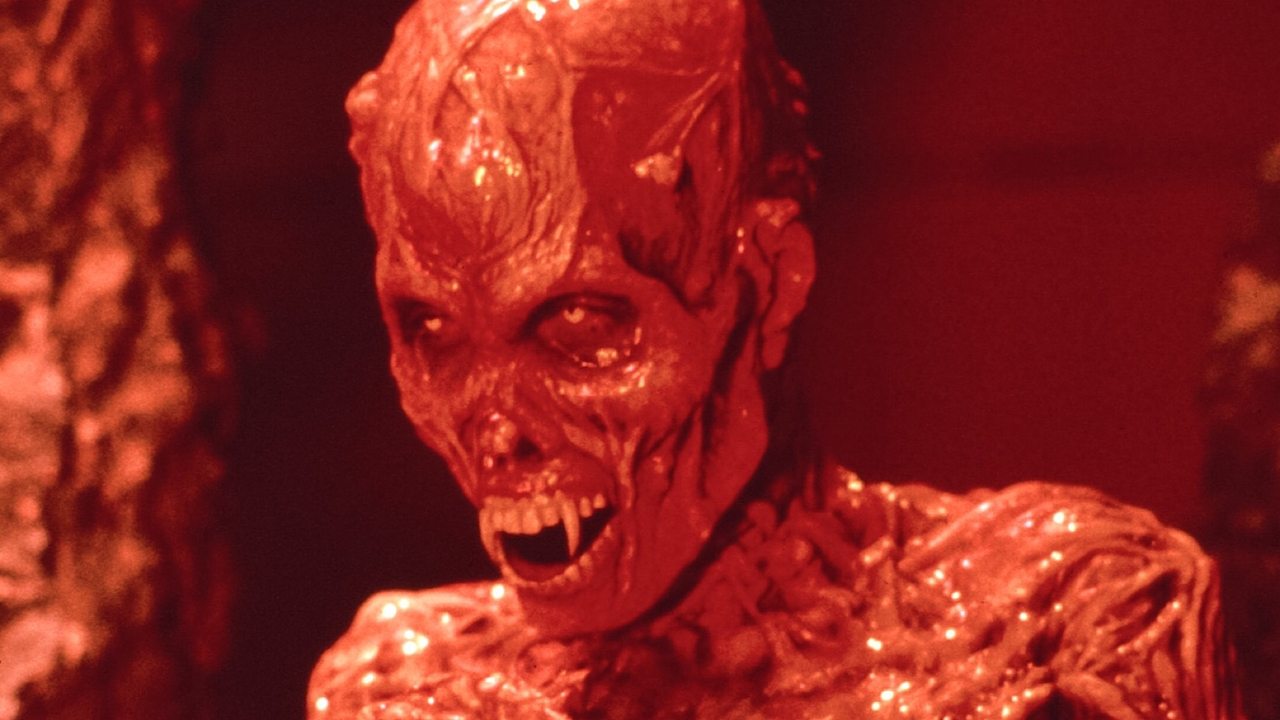
Wallace brings a different sensibility than Tom Holland did to the 1985 original. Where the first film balanced suspense and humor within a claustrophobic suburban setting, Part 2 feels more expansive, almost venturing into neon-drenched urban fantasy at times. The atmosphere is less gothic dread, more sleek 80s cool mixed with genuine weirdness. The practical effects remain a highlight, though perhaps less consistently terrifying than the first film's groundbreaking work. Belle’s bug-munching transformations and Louie’s acrobatic, roller-skating attacks are memorable, if slightly campy. There's a certain grimy, unsettling quality to the makeup and creature designs that still works, that tangible feeling so characteristic of late-80s horror effects before CGI took over completely. It’s a testament to the era’s craft, even when the concepts themselves border on the absurd. Did that roller-skating vampire sequence feel slightly out of place even then? Perhaps, but it’s undeniably unforgettable.
Familiar Faces, Lingering Fears
Roddy McDowall slips back into Peter Vincent’s smoking jacket with effortless grace. His arc, grappling with the reality of vampires while trying to maintain his fabricated bravery, remains one of the strongest elements. He is Peter Vincent, and his presence provides crucial connective tissue to the original. William Ragsdale does a capable job portraying Charley's struggle between recovery and returning terror, though the script perhaps gives him less room to maneuver this time. Traci Lind makes Alex a capable and intelligent counterpoint to Charley’s fraying nerves, a welcome departure from a simple damsel-in-distress role. It's interesting to note that Stephen Geoffreys, who memorably played Evil Ed in the first film, was reportedly offered a role but turned it down to star in 976-EVIL (1988), directed by Robert Englund – a classic "what if" scenario for fans.
The Curse of the Sequel?
Behind the scenes, Fright Night Part 2 faced challenges. Original writer/director Tom Holland wasn't involved, and the magic, for many, wasn't quite recaptured. Made on a reported budget of around $8 million, the film unfortunately failed to connect with audiences, grossing only about $3 million domestically. Perhaps it was the shift in tone, the lack of Sarandon's charismatic villainy, or maybe just sequel fatigue. Yet, despite its initial commercial failure and mixed critical reception, the film developed its own dedicated following on VHS and cable – those late-night slots where its eccentricities could shine. It became one of those tapes you'd rent again, maybe not with the same reverence as the first, but with a distinct appreciation for its unique flavor. It’s less a perfect continuation, more a strange, nocturnal cousin to the original.
Final Judgment
Fright Night Part 2 isn't the home run its predecessor was. It's quirkier, tonally uneven, and occasionally dips into outright silliness (the bowling alley scene comes to mind). Yet, it retains a certain dark charm. Julie Carmen crafts a memorable antagonist, Roddy McDowall is reliably wonderful, and the practical effects offer glimpses of grotesque brilliance. It attempts to expand the mythology and delivers some genuinely unsettling moments amidst its stranger choices. It feels very much like an artifact of its time – a late 80s horror sequel trying to find its own identity in the shadow of a beloved classic.
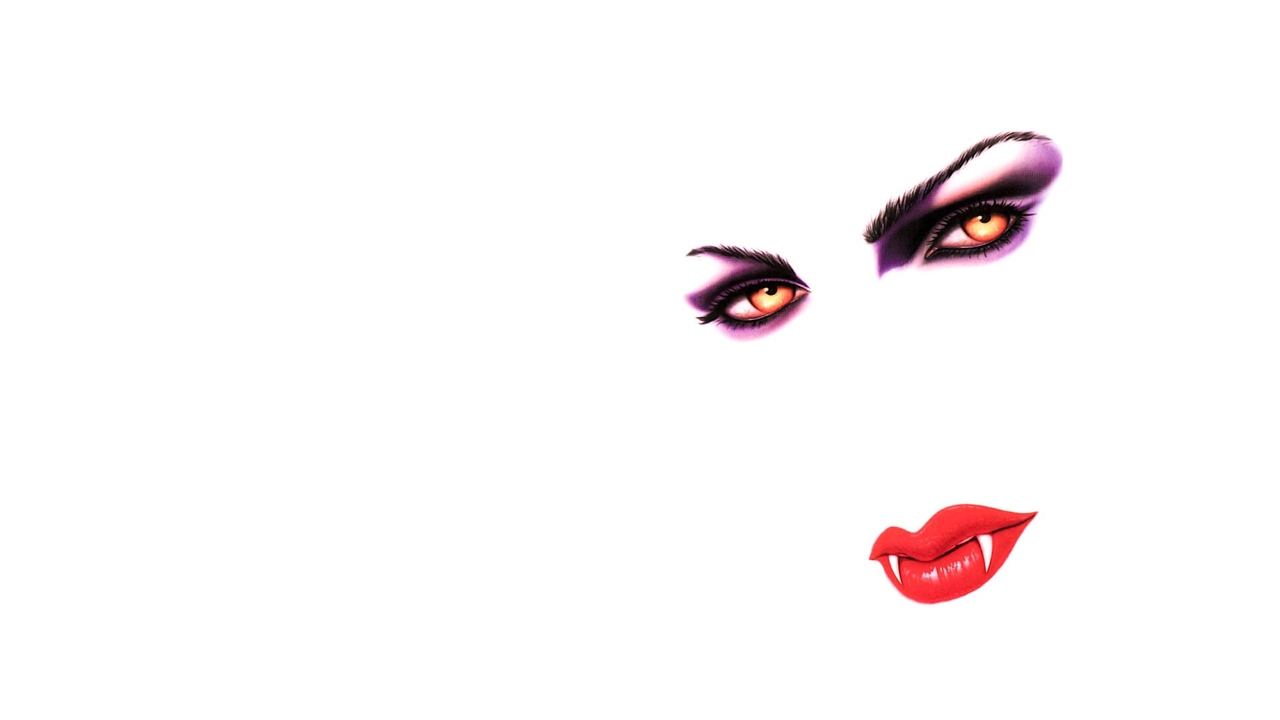
Rating: 6/10
Justification: The score reflects a film with undeniable nostalgic appeal and some strong elements (McDowall, Carmen, practical effects), but one that ultimately falls short of the original's cohesive vision and impact. It's hampered by a less focused plot and tonal inconsistencies, preventing it from reaching classic status on its own merits. However, its unique weirdness and memorable moments earn it significant points for sheer late-80s cult factor.
For fans of the original, Fright Night Part 2 remains essential viewing, even if just to appreciate its oddball ambition. It’s a strange, sometimes frustrating, but ultimately fascinating trip back to a time when horror sequels dared to be different, even if they didn't always stick the landing. It's a tape that might gather a little dust on the shelf, but one you pull out when you're in the mood for something familiar, yet distinctly… other.