It’s a strange thing, the discoveries one used to make browsing the seemingly endless aisles of the local video rental shop. Tucked away, perhaps in a slightly dusty "Foreign Films" section often dominated by European art house staples, you might occasionally stumble upon something utterly unexpected, something that felt like a transmission from another world entirely. For me, encountering Vladimir Bortko's 1988 television film Heart of a Dog (Sobachye Serdtse) on a grainy VHS tape was precisely that kind of discovery – a baffling, brilliant, and profoundly unsettling journey smuggled out of the late Soviet Union.
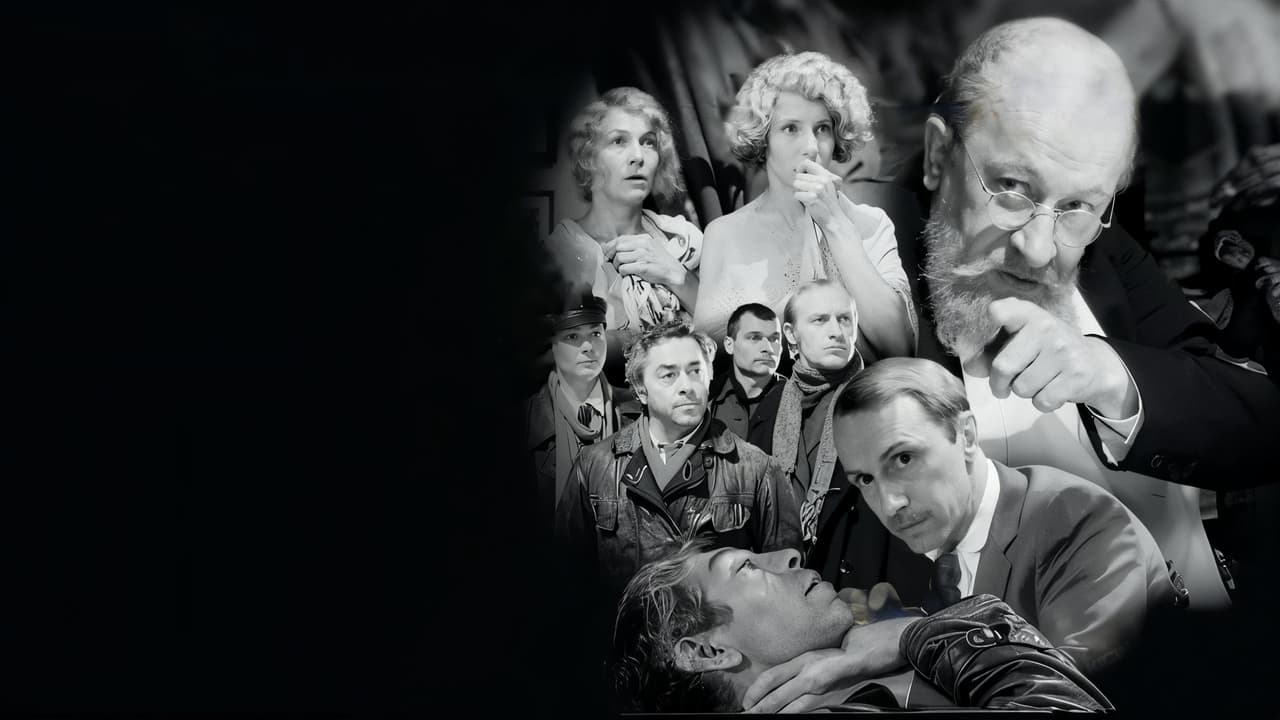
Based on Mikhail Bulgakov's fiercely satirical novella, penned in 1925 but banned in his homeland until 1987, the very existence of this adaptation feels like an act of cultural and political audacity. Releasing it just as the foundations of the Soviet state were beginning to visibly crack adds another layer to its potent commentary. This wasn't just a film; it felt like a long-suppressed truth finally allowed to exhale onto the screen.
Moscow Nights, Scalpel Bright
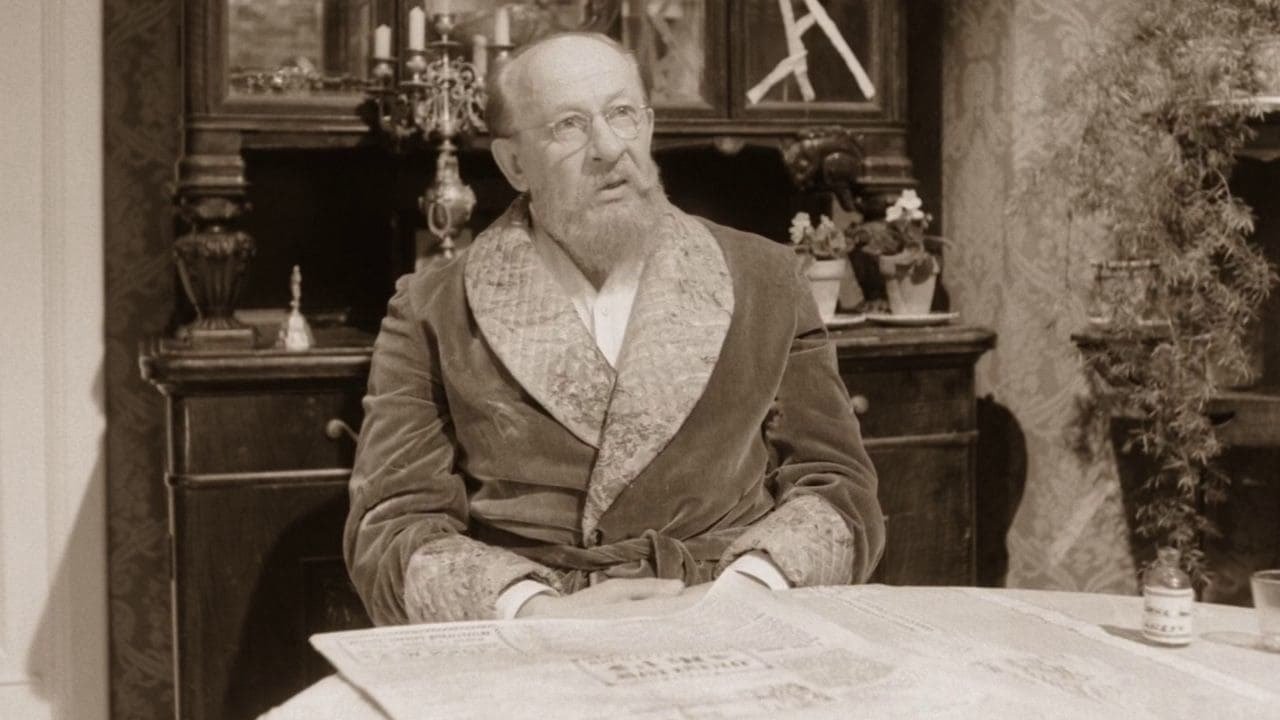
The film plunges us into the bleak, snow-dusted streets of Moscow shortly after the revolution. We see the world initially through the eyes – and inner monologue – of a miserable stray dog, Sharik. He’s scalded by cooks, kicked by passersby, freezing, starving – a picture of wretched existence. Then, salvation arrives in the unlikely form of Professor Filipp Filippovich Preobrazhensky (Yevgeny Yevstigneyev), a renowned, bourgeois surgeon who somehow continues to practice his lucrative rejuvenation surgeries on the Party elite, living in comparative luxury amidst the squalor and communal apartments mandated by the new regime.

Yevstigneyev, a giant of Soviet theatre and cinema, embodies the Professor perfectly. He’s brilliant, arrogant, weary, and deeply contemptuous of the proletarian louts now ostensibly running the country – epitomized by the officious house committee led by Schwonder (Roman Kartsev). The Professor takes Sharik in, feeds him sausage (a luxury!), and treats him with a peculiar mix of clinical detachment and surprising indulgence. Alongside his earnest young assistant, Dr. Bormenthal (Boris Plotnikov, perhaps best known internationally for his chilling role in Rasputin (1981)), the Professor embarks on his most audacious experiment yet: transplanting the pituitary gland and testes of a recently deceased petty criminal and alcoholic, Klim Chugunkin, into Sharik.
The Birth of Sharikov
What follows is not a simple Frankenstein story, but a grotesque and darkly comic satire on the entire Soviet project of forging a "New Man." The dog doesn't just become a man; he becomes the worst kind of man – Polygraph Polygraphovich Sharikov. And it's here that Vladimir Tolokonnikov, in a performance that remains utterly astonishing, steals the film. A relative unknown plucked from provincial theatre, Tolokonnikov’s physical and vocal transformation is horrifyingly convincing. He slouches, grunts, spits, demands vodka and balalaikas, spouts crude Party slogans he barely understands, and makes life utterly unbearable for his creators. He is Klim Chugunkin’s base instincts poured into a barely human form, a walking, talking catastrophe born of scientific hubris.
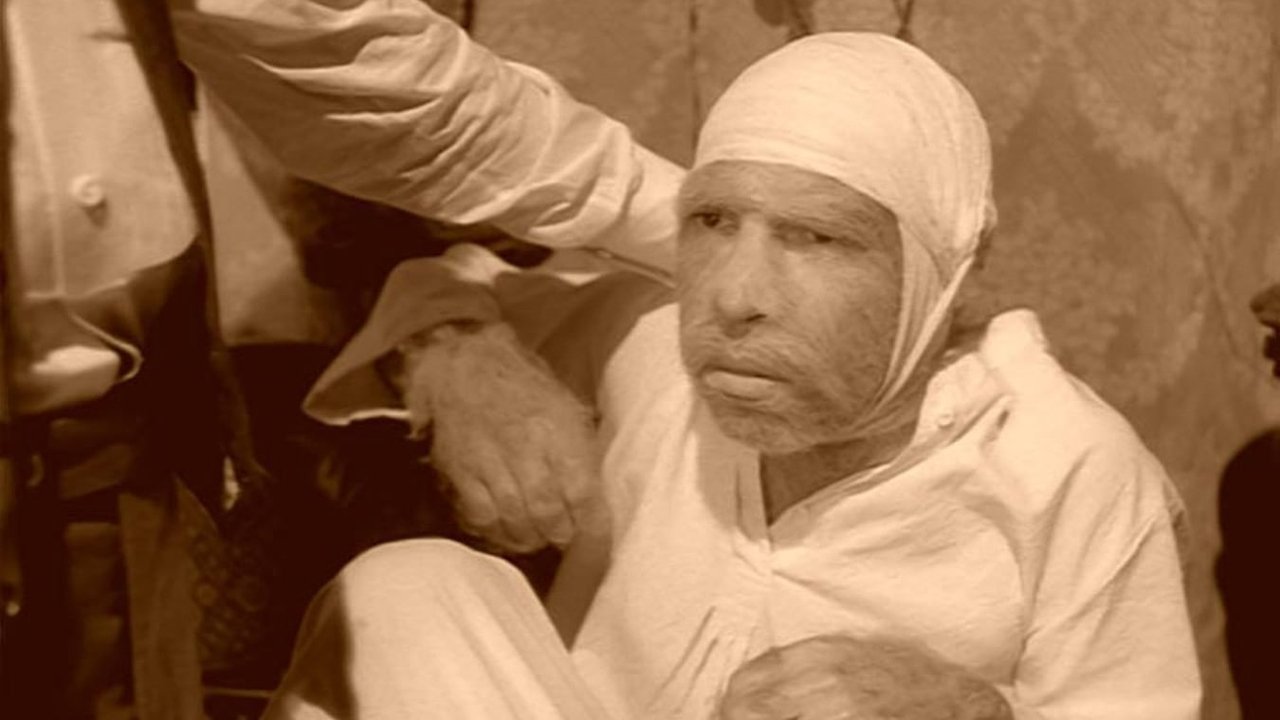
Tolokonnikov doesn't just play a crude man; he embodies the awkward, incomplete transition – the lingering canine mannerisms fused with the thuggish behavior of the donor. It’s a performance of unsettling physicality, making Sharikov both pathetic and menacing. You can almost smell the cheap booze and stale tobacco clinging to him. The casting was apparently a stroke of luck; Bortko reportedly saw Tolokonnikov in an Alma-Ata theatre production and knew he'd found his Sharikov. It’s impossible to imagine the film working without his singular, fearless portrayal.
Sepia Tones and Satirical Bites
Bortko makes the brilliant decision to shoot the majority of the film in a sepia tone, mimicking early photographs and lending the proceedings an almost dreamlike, yet grimy, quality. It perfectly captures the specific historical moment and the slightly surreal nature of Bulgakov's tale. The stark black-and-white sequences, often representing Sharik's initial canine perspective or moments of stark reality, provide a jarring contrast. This wasn't just an aesthetic choice; it felt like a deliberate effort to visually align the film with the era it depicted and critiqued.
The film’s genius lies in its multi-layered satire. On the surface, it mocks the Bolshevik attempt to crudely engineer a new society and a "New Soviet Man," suggesting that you can't simply stitch together utopia from flawed parts. Sharikov, embraced by the house committee as a true proletarian comrade despite his awfulness, becomes a tool to torment the bourgeois Professor. But the critique runs deeper, questioning the limits of science, the definition of humanity, and the inherent dangers of playing God. Preobrazhensky, for all his intellectual brilliance, unleashes a monster not through malice, but through arrogant curiosity. Doesn't his desire to reshape nature echo, in its own way, the very revolutionary fervor he despises?
A Time Capsule of Change
Finding Heart of a Dog on VHS back in the day felt special. It wasn't a slick Hollywood production; it had a rawness, an urgency. It was clearly made with passion and a deep understanding of Bulgakov's text, which itself was a cultural event when finally published officially in the USSR just a year before the film's release. Made for Leningrad Television, it apparently cost relatively little but became a massive sensation upon broadcast, resonating deeply with a public grappling with decades of suppressed history and the uncertainties of Perestroika and Glasnost. One can only imagine the conversations sparked in living rooms across the Soviet Union as Sharikov lurched across their television screens.
While some knowledge of Soviet history enriches the viewing, the core themes – the folly of unchecked ambition, the struggle between base instincts and cultivated intellect, the absurdities of bureaucracy – remain universal and potent. The film doesn't offer easy answers, leaving the viewer to ponder the unsettling implications long after the credits roll.
Rating: 9/10
This near-perfect score is earned by Bortko's masterful and faithful direction, the pitch-perfect casting – particularly Yevstigneyev's weary intellectual and Tolokonnikov's unforgettable, career-defining turn as Sharikov – the inspired visual style, and its courageous, multi-layered satire. It loses a point only perhaps for the slightly abrupt nature of its television-film pacing in places, but this is a minor quibble. Heart of a Dog is a stunning adaptation, a vital piece of late Soviet cinema, and a stark reminder from the VHS vaults that sometimes the strangest tales hold the most profound truths. What lingers most is the uncomfortable question: who, ultimately, is the real beast?