Here's a review for "The Brother from Another Planet" tailored for VHS Heaven:
***
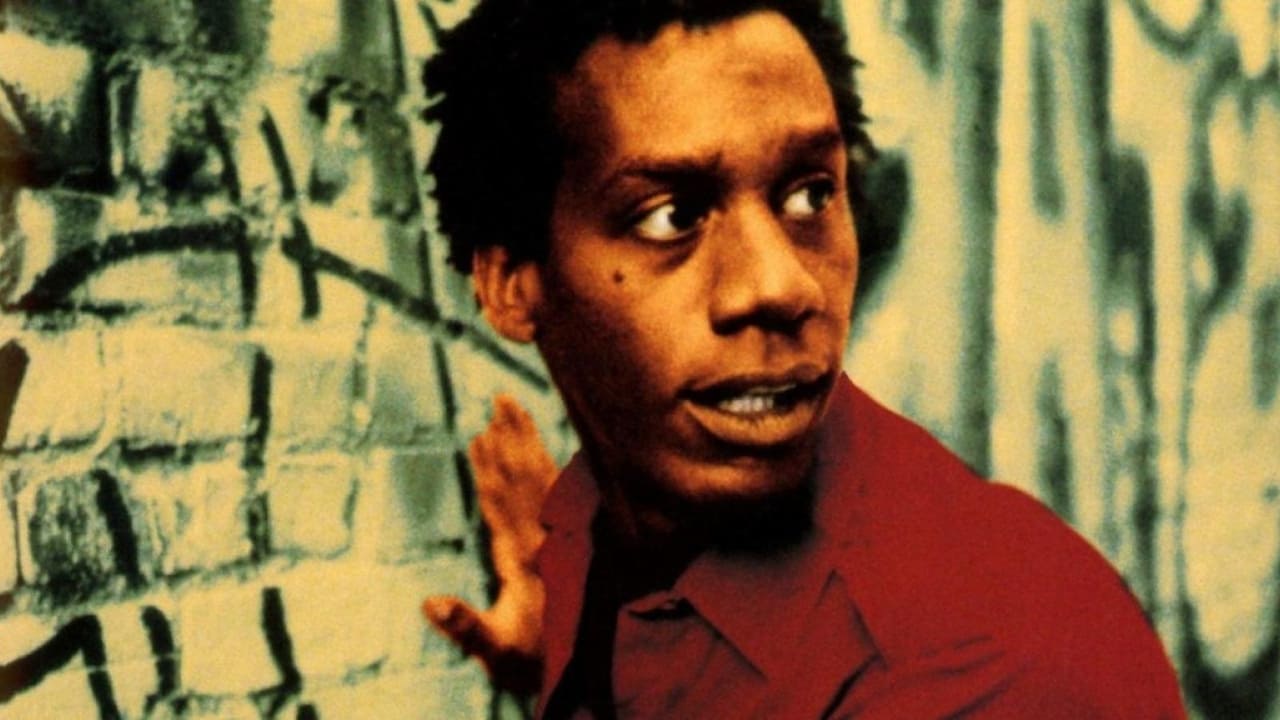
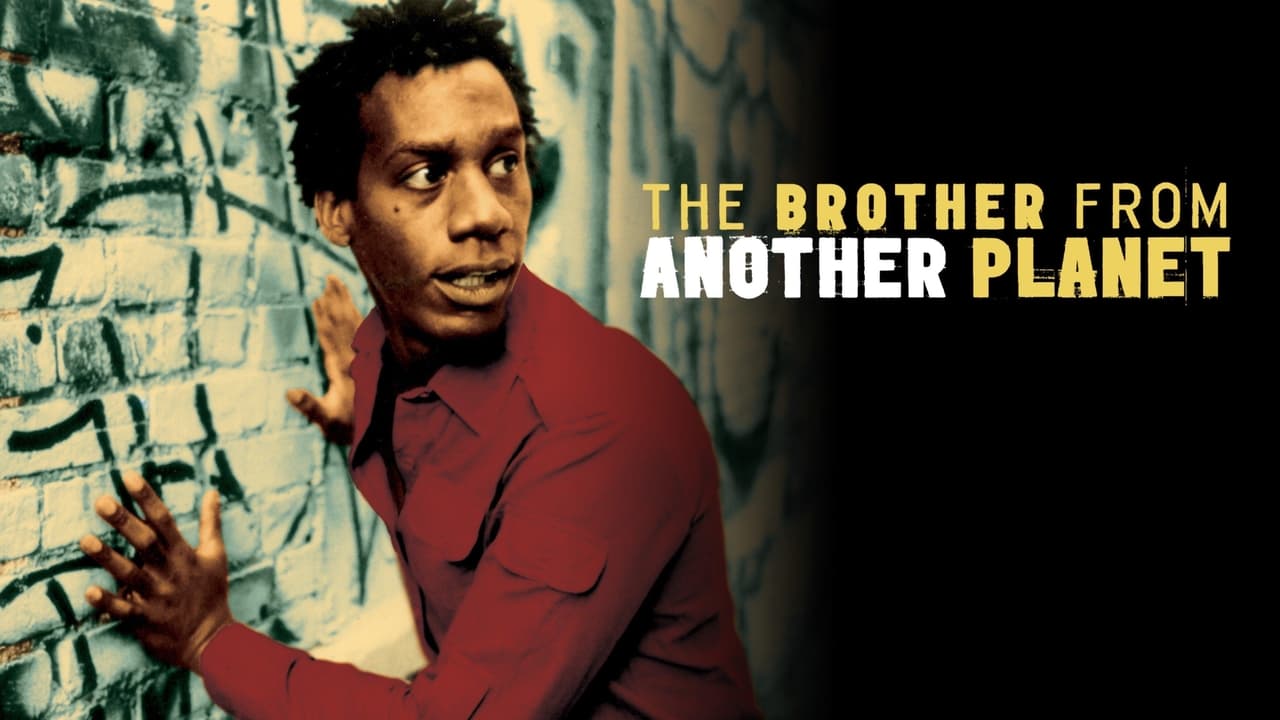
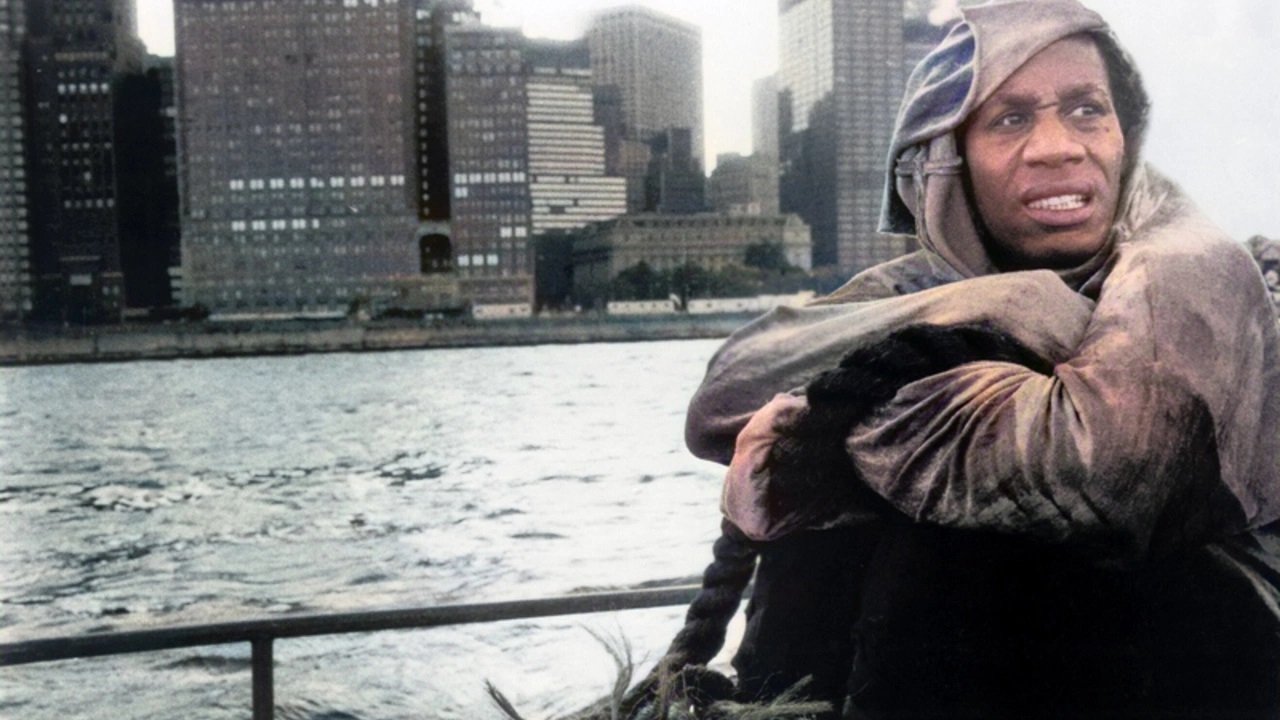
The image lingers long after the static hiss fades from the screen: a lone Black man, soaking wet, emerging bewildered onto the shores of Ellis Island, the Statue of Liberty a silent witness. But this isn't a historical drama. Look closer – his feet are different, possessing three large toes. This is the arrival, stark and unheralded, of The Brother from Another Planet, and it signals a film unlike almost anything else gracing video store shelves back in 1984. It’s a quiet film, observant and deeply humane, using the tropes of science fiction not for spectacle, but for a poignant exploration of what it means to be an outsider in Reagan's America.
Harlem Through Alien Eyes
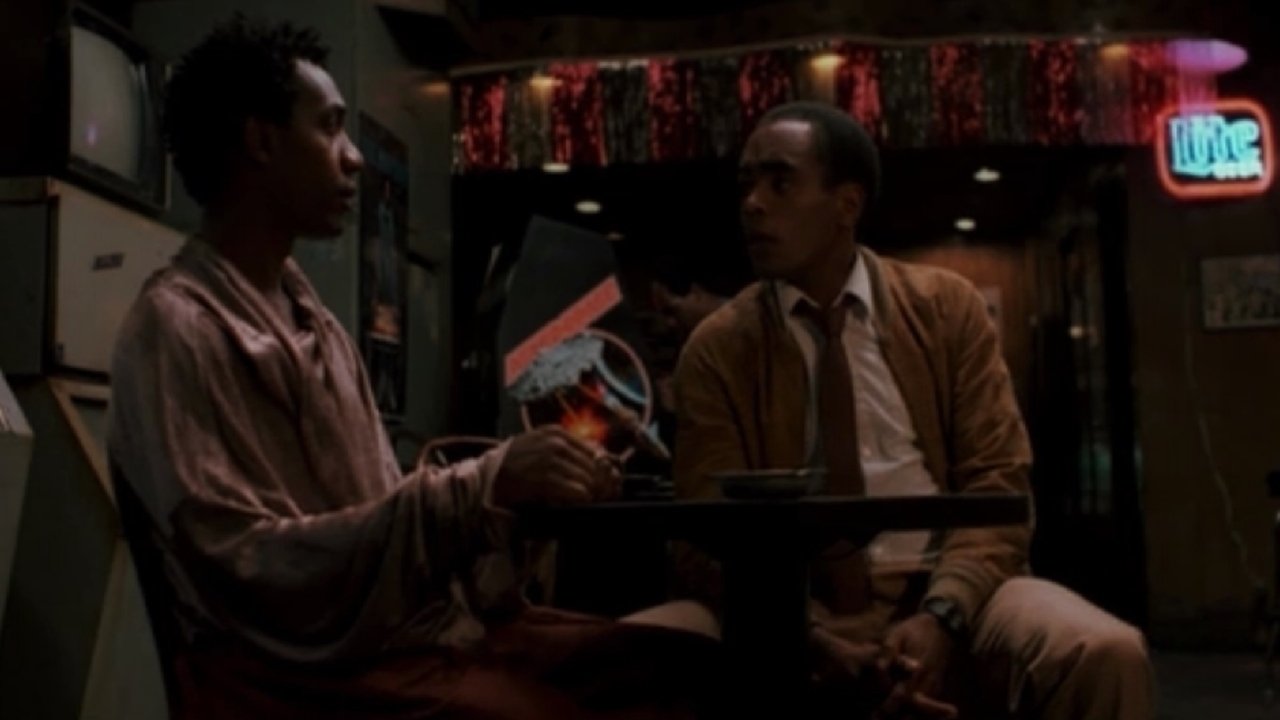
Writer-director John Sayles (Lone Star, Matewan), a true maverick of American independent cinema, sets his tale firmly in Harlem. And Harlem isn't just scenery; it's the vibrant, complex heart of the film. We experience its streets, bars, arcades, and apartments through the eyes of the titular Brother (a truly mesmerizing Joe Morton), an escaped alien slave who cannot speak but possesses empathetic abilities and a knack for fixing machines just by touching them. He’s taken in, helped, sometimes exploited, but mostly observed by the community. Sayles uses the Brother's muteness brilliantly – it forces us, and the characters around him, to project, to interpret, and ultimately, to reveal more about ourselves. What unfolds is less a sci-fi chase narrative (though that element exists) and more a series of vignettes, a tapestry of everyday life, struggle, and connection viewed through a uniquely detached, yet deeply feeling, perspective. Doesn't this outsider's viewpoint allow us to see the familiar contours of our own world with fresh, sometimes uncomfortable, clarity?
A Masterclass in Silence
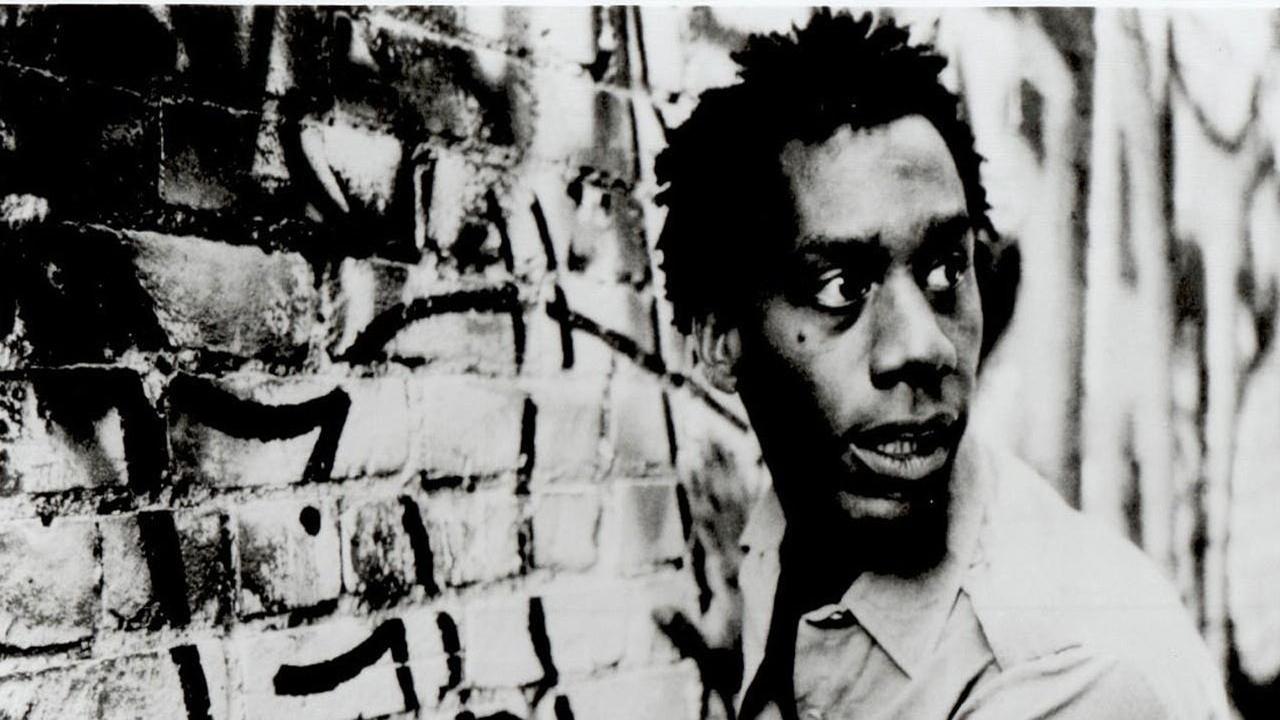
Let's talk about Joe Morton. Before he was Rowan Pope in Scandal or Miles Dyson in Terminator 2: Judgment Day (1991), he gave a performance here that remains utterly captivating. Without a single line of dialogue, Morton conveys a universe of emotion: confusion, wonder, fear, empathy, quiet dignity. His physicality is precise, his eyes absorbing everything. Watch the way he listens in the bar scenes, the subtle shifts in his expression as he witnesses casual racism or small acts of kindness. It’s a performance built on presence and reaction, a testament to the power of non-verbal acting. It feels profoundly truthful, reminding us how much communication transcends words. This central performance is the anchor that grounds the film's fantastical premise in something deeply relatable.
Indie Spirit, Big Ideas
The Brother from Another Planet is a prime example of doing more with less, a hallmark of the best 80s independent filmmaking. John Sayles famously helped fund the picture (budgeted around a lean $350,000 - $400,000) with his MacArthur Foundation "genius grant" and money earned writing genre screenplays like The Howling (1981) and doing uncredited work on giants like E.T. the Extra-Terrestrial (1982). This financial reality permeates the film's aesthetic. The "special effects" are charmingly low-key – a glowing hand, a removed eyeball – serving the story rather than overwhelming it. The alien hunters, the "Men in Black" (played with amusingly deadpan menace by David Strathairn and Sayles himself), are just guys in suits, their otherness suggested more by their clipped dialogue and relentless pursuit than by flashy tech. This grounding makes the film’s social commentary land even harder. It uses the alien narrative as an ingenious allegory for the immigrant experience, for the feeling of being 'othered' within your own country, particularly for Black Americans in urban centers. The themes of assimilation, prejudice, and the search for community resonate powerfully, perhaps even more so today.
Retro Fun Facts & Lasting Impressions
Finding this tape on a rental shelf felt like unearthing a secret. It wasn't loud or explosive like much of the era's sci-fi; it was thoughtful, witty, and possessed a quiet rhythm all its own.
- Authentic Vibe: Filming extensively on location in Harlem gives the movie an invaluable sense of place and realism that studio sets could never replicate.
- Sayles' Stamp: Known for his ensemble casts and ear for dialogue, Sayles populates the film with wonderfully drawn characters, even in small roles, making Harlem feel genuinely populated. The conversations the Brother overhears feel authentic, capturing the cadence and concerns of the community.
- Critical Nod: The film was a critical darling on the independent circuit, earning praise for its originality and Joe Morton's performance, rightfully securing its place as an 80s cult classic. It snagged an Independent Spirit Award nomination for Best Director for Sayles.
- Subtle Sci-Fi: The choice to make the Brother's alien nature physically subtle (the feet, the healing touch) was deliberate, keeping the focus squarely on the human (and alien) drama rather than creature feature elements.
The film isn't perfect; its episodic nature means the pacing occasionally meanders, and the low budget shows in moments. But these are minor quibbles in the face of its intelligence, warmth, and enduring relevance. It’s a film that invites contemplation, asking us to consider who the real aliens are in our society.
Rating: 8.5/10
This score reflects the film's profound humanity, Joe Morton's landmark silent performance, John Sayles' sharp and compassionate script, and its clever use of sci-fi conventions for potent social commentary. Despite its modest budget, The Brother from Another Planet achieves a resonance that many bigger films miss, making it a standout gem from the indie boom of the 80s.
It leaves you pondering not just the stars, but the intricate, often challenging, constellations of human connection right here on Earth. A truly special find from the VHS era.