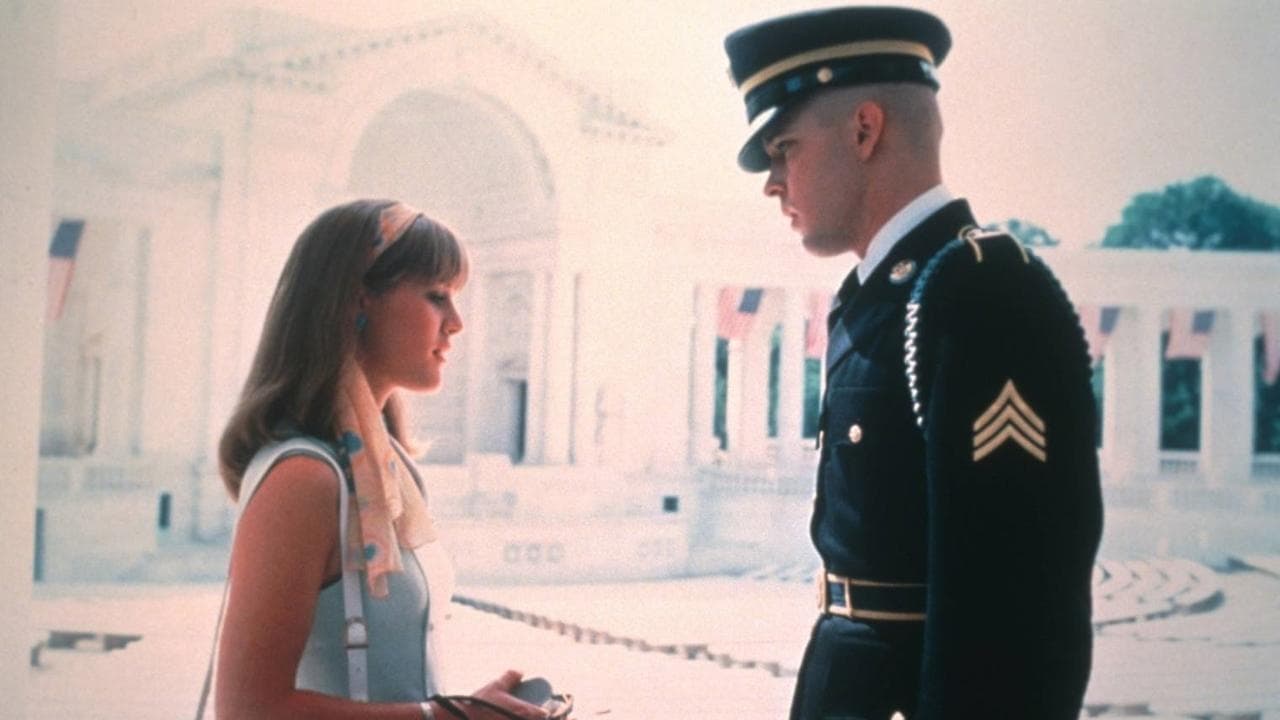
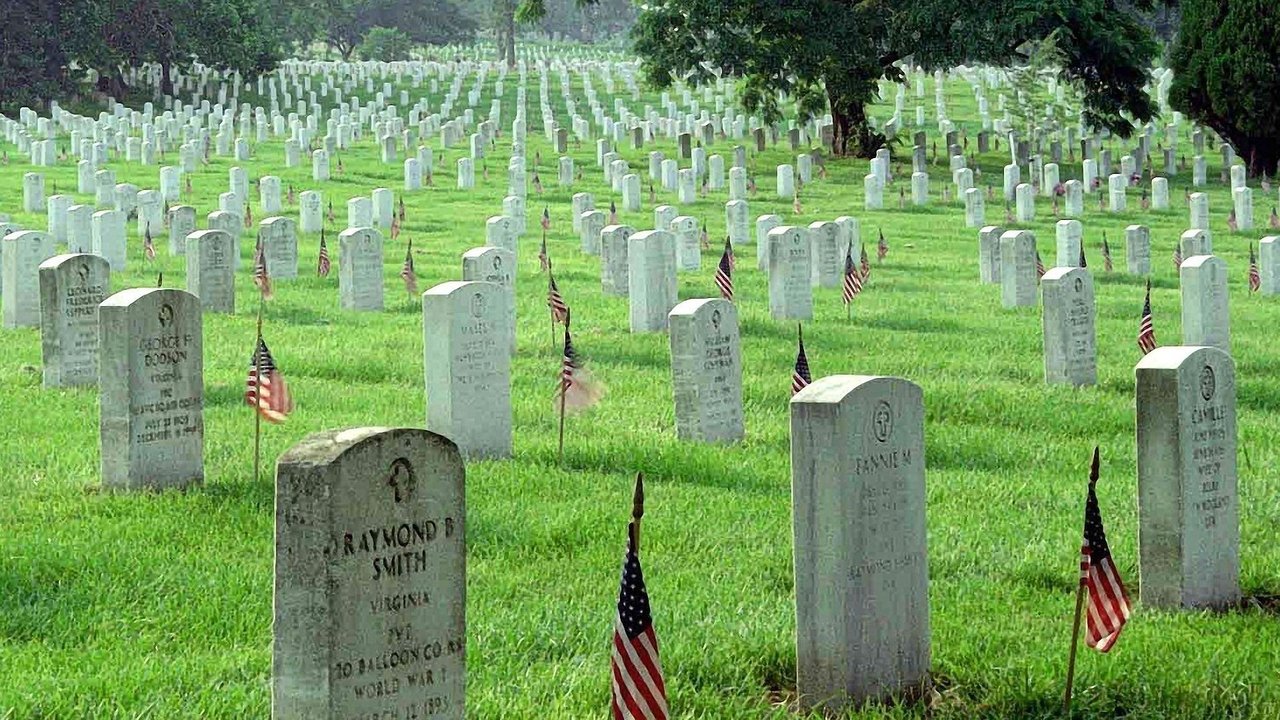
There's a certain stillness that pervades Gardens of Stone, a quiet gravity that feels worlds away from the visceral chaos often depicted in films about the Vietnam War era. It settles over you like the meticulously manicured lawns of Arlington National Cemetery itself, the film's central, solemn stage. Released in 1987, this wasn't the jungle warfare epic some might have expected from Francis Ford Coppola, the man who plunged us into the heart of darkness with Apocalypse Now (1979). Instead, Gardens of Stone offers a different, perhaps more domestically resonant, perspective on the conflict – the story of the soldiers who stayed home, tasked with burying the dead.
The Home Front's Quiet War
The film centers on the U.S. Army's 3rd Infantry Regiment, "The Old Guard," stationed at Fort Myer, Virginia. Their duty is ceremonial precision: standing guard at the Tomb of the Unknown Soldier and conducting the military funerals at adjacent Arlington. We see this world through the eyes of Sergeant First Class Clell Hazard (James Caan), a decorated combat veteran disillusioned with the war but deeply committed to his men and the traditions he upholds. He’s a lifer, weary but resolute, trying to impart hard-won wisdom to the idealistic young recruits under his command, particularly the eager Private Jackie Willow (D.B. Sweeney), son of an old army buddy, who longs for combat glory.
This dynamic forms the emotional core: Hazard, knowing the grim reality Willow is so desperate to experience, wants to protect him, perhaps train him well enough to survive it. It’s a mentorship shadowed by impending loss, a theme that resonates throughout. The film doesn't shy away from the stark contrast between the spit-and-polish routine of the Old Guard and the brutal news filtering back from Southeast Asia. Coppola masterfully uses the formal rituals – the crisp uniforms, the synchronized steps, the heartbreaking sound of Taps – as a counterpoint to the unseen, distant violence that necessitates them.
Anchors of Performance
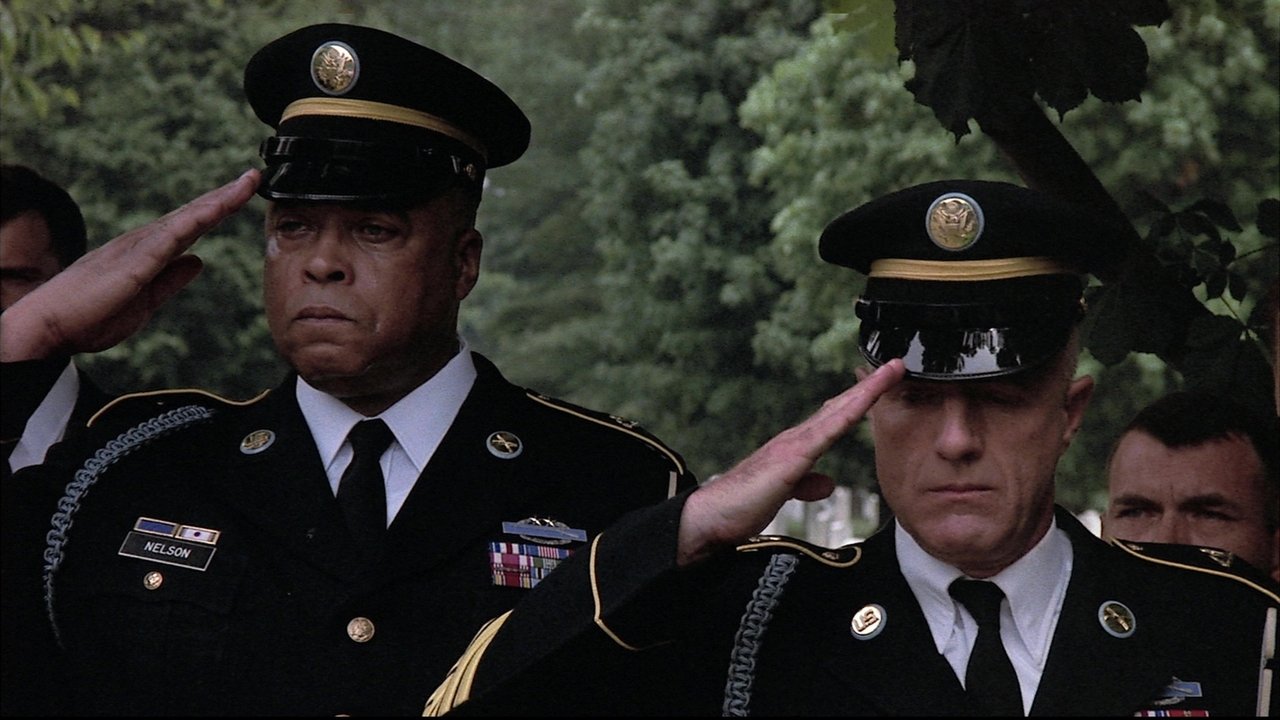
What truly grounds Gardens of Stone are the performances, particularly from its veteran cast. James Caan delivers one of his most nuanced and affecting portrayals as Hazard. There’s a lifetime of conflict etched onto his face, a weariness in his eyes that speaks volumes more than any dialogue could. He embodies the paradox of the professional soldier: proud of his service, loyal to the institution, yet deeply skeptical of the war itself. His frustration and contained grief are palpable, making Hazard a compelling, deeply human figure. I remember watching Caan here, after seeing him in tougher roles like Sonny Corleone or in Thief (1981), and being struck by this quiet display of burdened integrity.
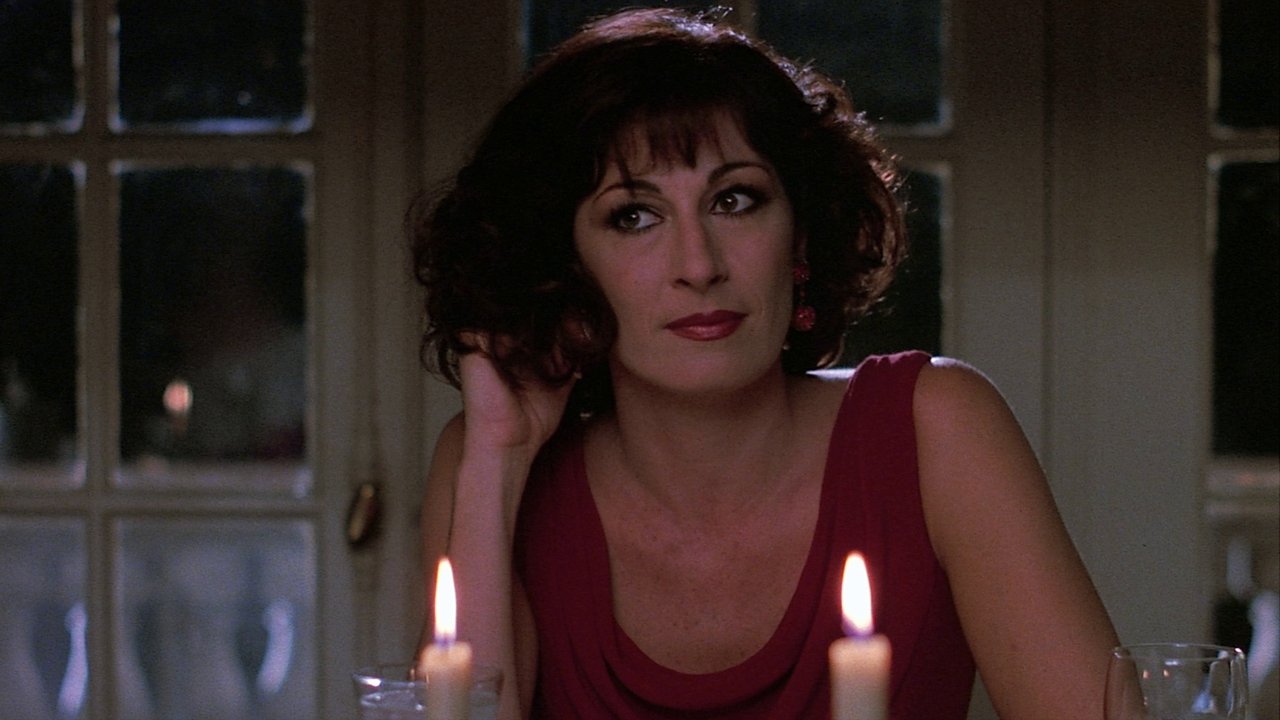
Anjelica Huston, fresh off her Oscar win for Prizzi's Honor (1985), brings sharp intelligence and warmth as Samantha Davis, a Washington Post reporter who opposes the war but finds herself drawn to Hazard. Their relationship provides not only a romantic counterpoint but also an intellectual sparring ground, allowing the film to voice critiques of the conflict without resorting to didacticism. Their scenes together feel authentic, two mature individuals navigating complex feelings amidst a turbulent time. And then there's James Earl Jones as Sergeant Major "Goody" Nelson, Hazard's friend and superior. Jones lends his trademark gravitas and commanding presence, offering another perspective on duty and resilience. His deep voice feels like the bedrock of the Old Guard itself.
Coppola's Somber Reflection
This film arrived during a period of artistic exploration for Francis Ford Coppola, following ambitious but less commercially successful projects like One from the Heart (1981) and Rumble Fish (1983). Gardens of Stone feels intensely personal, a more restrained and contemplative work than his earlier epics. Based on Nicholas Proffitt's novel, the adaptation by Ronald Bass stays focused on character and atmosphere.
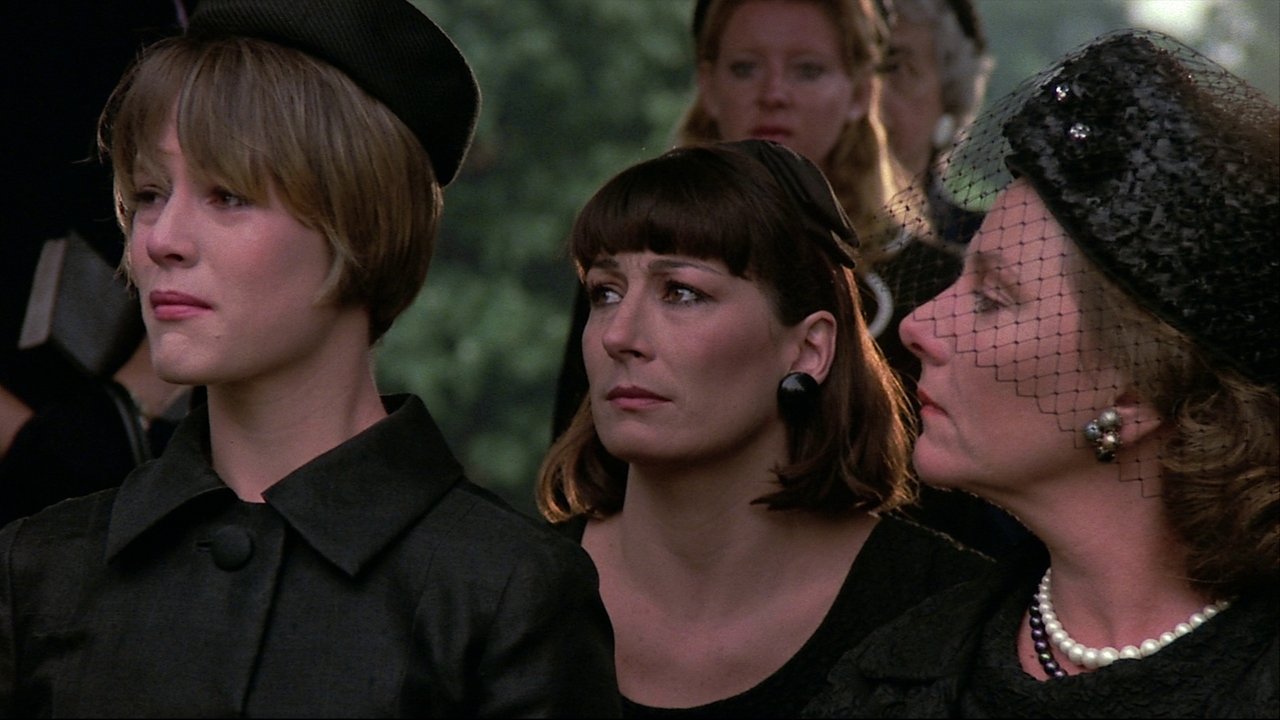
Tragically, the film's production was marked by the death of Coppola's eldest son, Gian-Carlo, in a boating accident. It's impossible not to feel an echo of that profound personal loss in the film's exploration of grief, mentorship, and the premature end of young lives. This real-world sadness perhaps permeates the film's already somber tone, lending it an added layer of poignancy. It wasn’t a box office smash, earning around $5.6 million against a $13.5 million budget, suggesting audiences perhaps weren't ready for this quieter, more melancholic take on Vietnam amidst more action-oriented fare like Platoon (1986) which had dominated the previous year.
Echoes in the VHS Era
Renting Gardens of Stone back in the day, maybe nestled on the shelf between louder action flicks, offered a different kind of experience. It wasn’t about explosions or firefights; it was about the weight of duty, the ache of loss, and the quiet dignity found in honoring the fallen. Filmed primarily at Fort Myer, Fort Belvoir, and within Arlington National Cemetery itself, the locations lend an undeniable authenticity. Seeing those familiar, hallowed grounds used as the backdrop for this story felt significant. It’s a film that asks us to consider the cost of war not just on the battlefield, but on the souls of those who serve, both abroad and at home. What does it mean to uphold tradition in the face of a conflict you doubt? How do you mentor the young when you fear for their future?
The film isn't perfect; some might find its pace deliberate, its tone perhaps overly elegiac. But its strengths lie in its unique perspective, its refusal to offer easy answers, and the powerful, lived-in performances from its cast. It feels like a necessary counter-narrative, a reminder of the quiet ceremonies that frame the loud clamor of war.
Rating: 7/10
This score reflects the film's considerable strengths – primarily the outstanding performances from Caan, Huston, and Jones, Coppola's sensitive direction, and its unique, thought-provoking perspective on the Vietnam War's impact on the home front. It avoids sensationalism, opting for quiet emotional resonance. However, its deliberate pacing and somber tone might not connect with all viewers, and it lacks the iconic punch of some other films dealing with the era, preventing it from reaching higher echelon status. It remains a deeply felt, well-crafted drama that offers a valuable, often overlooked view of military life and the rituals surrounding loss.
Gardens of Stone may not be the first Francis Ford Coppola film that springs to mind, nor the most celebrated Vietnam-era movie on the rental shelf, but its quiet power lingers, much like the haunting notes of Taps drifting over Arlington's silent rows. It’s a thoughtful piece, a different kind of war story worth revisiting for its humanity and grace.