"I'm saying... I'm an insect who dreamt he was a man and loved it. But now the dream is over... and the insect is awake." That line, delivered with a chilling blend of resignation and burgeoning horror by Jeff Goldblum, cuts straight to the terrifying, tragic heart of David Cronenberg's 1986 masterpiece, The Fly. This isn't just a creature feature splashed across the flickering cathode ray tube of your memory; it's an opera of decay, a romance curdled by biological nightmare, and one of the most potent examples of body horror ever committed to film. Watching it again, decades after first sliding that worn VHS tape into the VCR, the dread feels remarkably undiluted.
### A Different Kind of Monster Movie
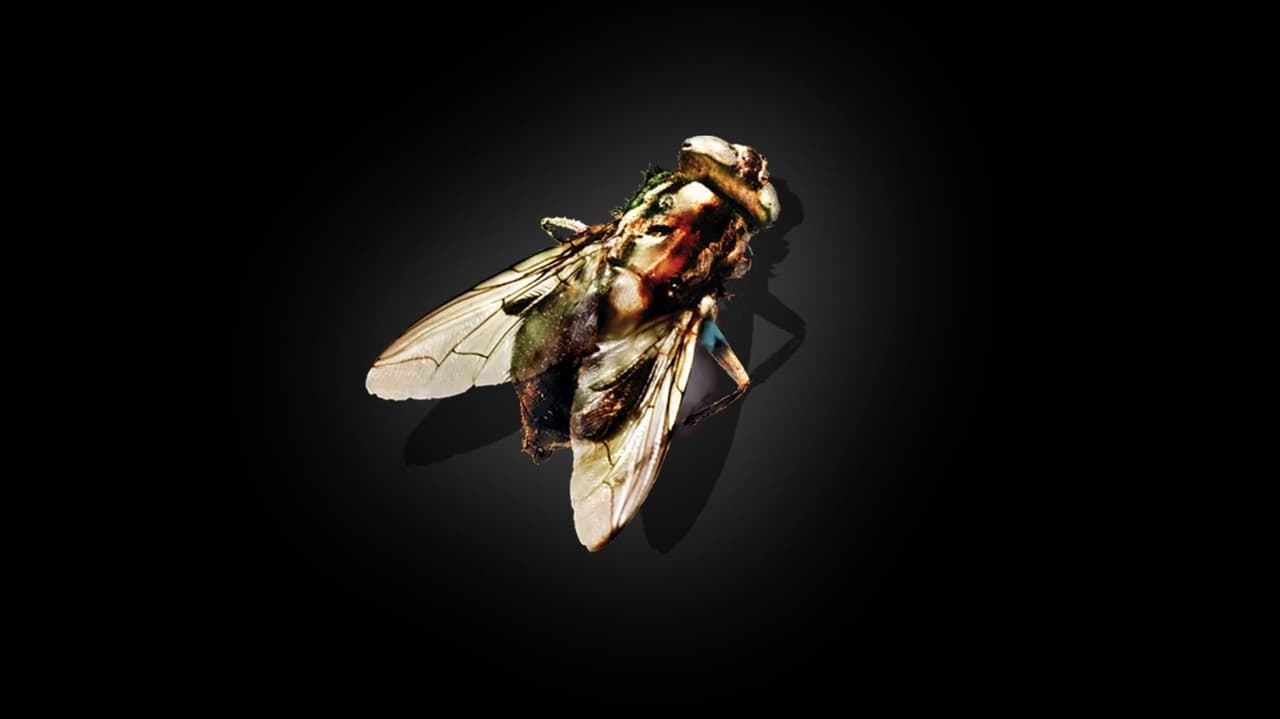
Forget the campy charm of the 1958 original (a classic in its own right). Cronenberg, working from a script he significantly rewrote with Charles Edward Pogue, wasn't interested in a simple man-in-a-monster-suit romp. He saw a metaphor – for disease, for aging, for the inherent betrayal of the flesh – and fused it with a surprisingly affecting love story. We meet Seth Brundle (Goldblum at his twitchy, charismatic peak), an eccentric but brilliant scientist on the verge of cracking teleportation. Enter Veronica "Ronnie" Quaife (Geena Davis, bringing intelligence and grounding empathy), a journalist who becomes both his chronicler and his lover. Their connection feels genuine, making the inevitable descent all the more gut-wrenching. It's this emotional core, often overlooked amidst the spectacular gore, that elevates The Fly beyond mere shock value.
### "Something Went Wrong"
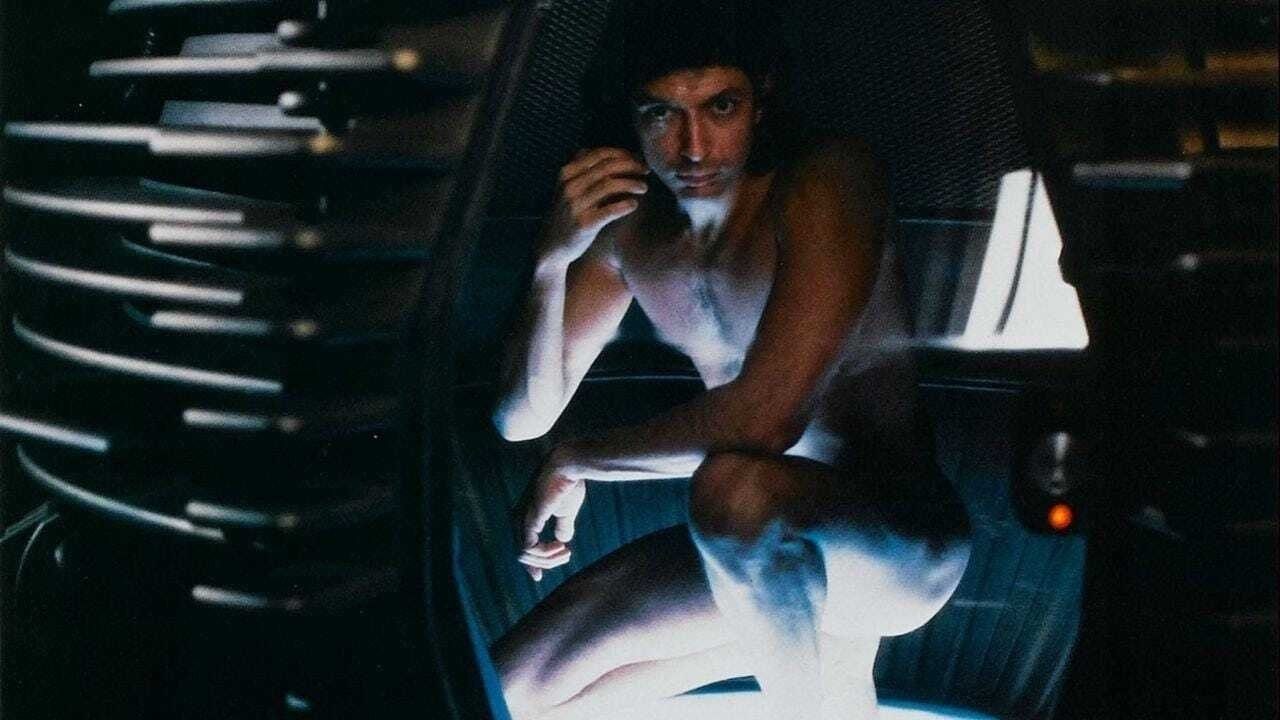
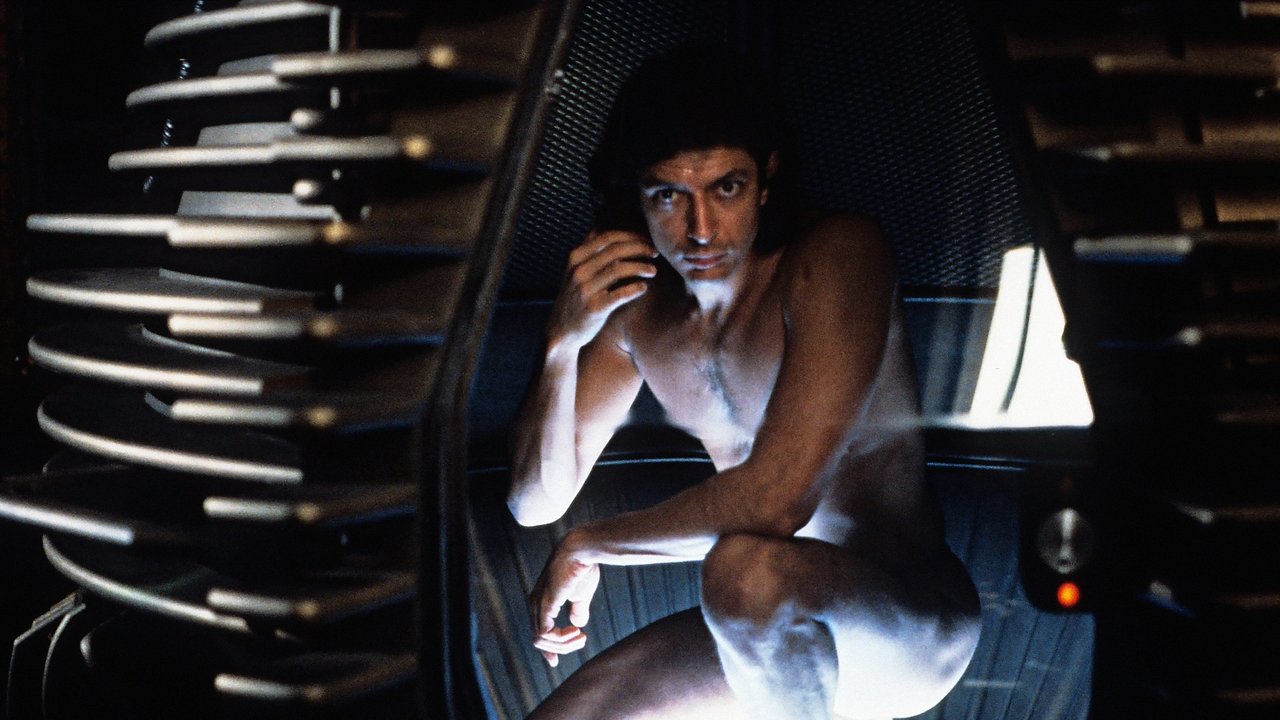
The premise is elegantly simple: a drunken, jealous impulse leads Brundle to test his telepods on himself, unaware that a common housefly has slipped into the chamber with him. At first, the results seem miraculous – heightened strength, stamina, seemingly boundless energy. Goldblum perfectly captures this initial manic phase, a whirlwind of scientific fervor and physical prowess. But Cronenberg masterfully seeds the unease early. Strange hairs sprout. Fingernails loosen. That slight buzzing in the background of Howard Shore's increasingly operatic score seems to grow louder. The slow, inexorable transformation begins, and it's here the film truly sinks its mandibles into you. Who could forget the queasy fascination of watching Brundle meticulously document his own horrifying metamorphosis in the bathroom mirror? Doesn't that slow burn of realization still feel more chilling than any jump scare?
### The Birth of Brundlefly: Practical Effects Perfection
Let's talk about those effects. Oh, those glorious, grotesque, Oscar-winning practical effects by Chris Walas and his team. In an era before CGI rendered everything weightless and consequence-free, the physical reality of Brundle's decay felt terrifyingly tangible. The peeling skin, the corrosive vomit, the final, monstrous emergence of "Brundlefly" – it was achieved through hours of painstaking makeup application (reportedly up to five hours for the later stages) and ingenious puppetry. Goldblum endured this process, channeling the discomfort into his performance, making the creature feel less like a monster and more like a man trapped within a biological prison. Interestingly, the film was produced by Brooksfilms, the company founded by comedy legend Mel Brooks. Brooks deliberately kept his name off the marketing, fearing audiences wouldn't take such a dark, serious horror film seriously if they associated it with the man behind Blazing Saddles (1974). It was a savvy move, allowing Cronenberg’s vision to stand – or perhaps crawl – on its own nightmarish merits. The final creature design, a lopsided fusion of man and insect, remains one of cinema's most unsettling creations.
### Beyond the Body Horror: A Tragic Triangle
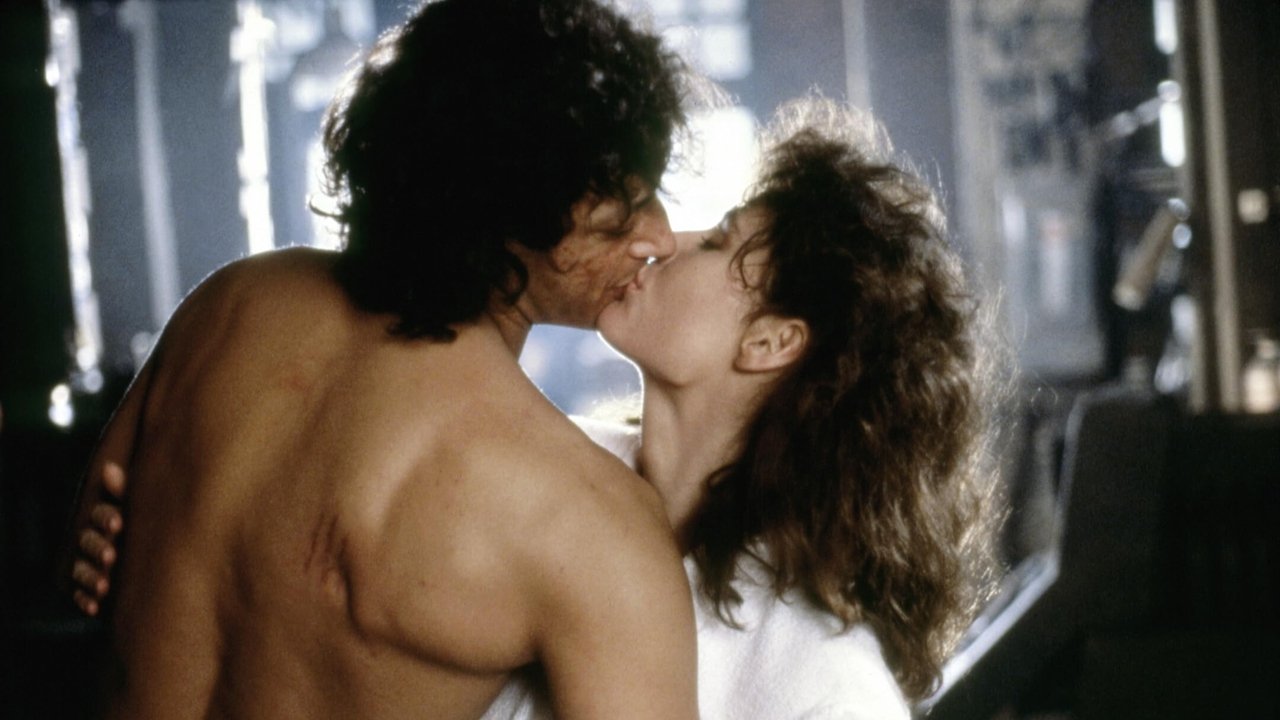
While the physical transformation is the film's most famous aspect, the emotional horror resonates just as deeply. Geena Davis is phenomenal as Ronnie, navigating love, revulsion, fear, and a desperate desire to save the man she knew. Her reactions ground the fantastical elements, making the audience feel her terror and heartbreak. Even John Getz as Stathis Borans, Ronnie's slimy editor and ex-lover, evolves beyond a simple antagonist into a flawed but ultimately sympathetic figure, forced into a confrontation far beyond anything he could have imagined. His final encounter with the fully transformed Brundle is pure nightmare fuel, driven by primal fear rather than heroic posturing. Cronenberg doesn't shy away from the ugliness – both physical and emotional – making the film a complex exploration of love enduring, and ultimately failing, in the face of utter biological breakdown.
### Echoes in the Static: Cut Content and Legacy
Part of the film's dark legend involves scenes deemed too disturbing even for Cronenberg's sensibilities or test audiences. The infamous "monkey-cat" scene, where Brundle attempts a grotesque fusion of animals, and a later sequence involving the creature graphically "digesting" a baboon, were ultimately cut. While fascinating artifacts for hardcore fans (available on some later releases), their removal arguably streamlines the narrative, keeping the focus tightly on Brundle's personal tragedy and his relationship with Ronnie. What remains is potent enough, a film that pushed boundaries and solidified David Cronenberg's reputation as the master of visceral, philosophical horror. It took a respectable $15 million budget and turned it into a $60 million+ success worldwide, proving audiences were ready for smarter, darker genre fare. It even spawned a less-regarded sequel, The Fly II (1989), but the original remains the definitive statement.
---
VHS Heaven Rating: 9.5/10
Justification: The Fly is nearly perfect execution of a high-concept horror premise. Groundbreaking practical effects that still hold up, career-defining performances from Goldblum and Davis, Cronenberg's unflinching direction, and a surprisingly potent emotional core blend seamlessly. It transcends mere creature feature status to become a profound meditation on mortality, identity, and love corrupted by biology. The deduction of half a point acknowledges that its sheer intensity and graphic nature might be prohibitive for some, but as a piece of filmmaking craft and visceral storytelling, it's undeniable.
Final Thought: Decades later, long after the magnetic tape has degraded, the chilling hum of Brundle's telepods and the image of that final, tragic transformation still echo. It's more than just a horror movie; it's an experience that burrows under your skin and stays there. Be afraid. Be very afraid... it's still worth it.