The air hangs thick and wet, buzzing with unseen life. Deep within the murky Louisiana swamps (or rather, the convincing South Carolina locations that stood in for them), something primal stirs. Forget the polished CGI beasts of today; this is about latex, sweat, and the kind of tangible creature feature magic that defined a generation of late-night video rentals. We're talking about 1982's Swamp Thing, a film that felt like a strange, humid dream discovered on a grainy VHS tape.

From Horror Maestro to Creature Comforts?
Coming from Wes Craven, the mind behind the visceral terror of The Last House on the Left (1972) and The Hills Have Eyes (1977), Swamp Thing felt... different. It still carried shadows of horror, particularly in the tragic origin of its titular hero, but it leaned more into adventure, sci-fi, and even a surprising touch of romance. It's said Craven took the project partly to prove he could handle stunts, manage a bigger (though still modest by Hollywood standards, around $2.5 million) budget, and deliver something less likely to send ratings boards into a frenzy after his notoriously difficult experiences with censorship. The result is a fascinating hybrid – a comic book adaptation before they became box office titans, filtered through Craven’s unique lens but softened for broader appeal (landing a PG rating, believe it or not).
The premise is classic pulp: brilliant scientist Dr. Alec Holland (Ray Wise, perfectly cast for his earnest intensity before his iconic turn in Twin Peaks) works on a revolutionary bio-restorative formula deep in the swamp. Enter the nefarious Anton Arcane (Louis Jourdan, dripping with sophisticated menace), who wants the formula for his own dark purposes. Sabotage leads to a fiery lab explosion, Holland’s apparent death in the swamp... and his rebirth as the titular Swamp Thing, a plant-human hybrid driven by lingering memories and a protective instinct towards government agent Alice Cable (Adrienne Barbeau).
Embracing the Muck and Mire
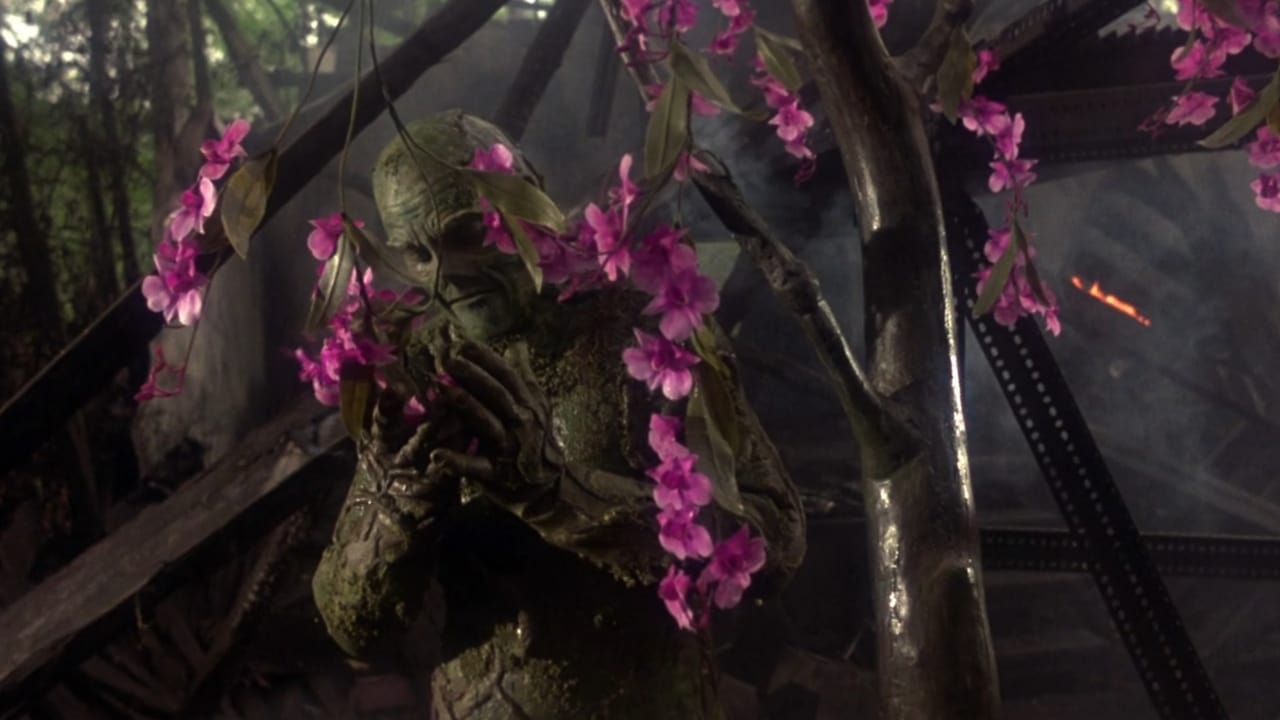
What truly sells Swamp Thing, especially viewing it through nostalgic eyes, is its commitment to its environment and its central creature. The South Carolina filming locations provide an authentic, almost suffocating atmosphere. You can practically feel the humidity and hear the insects. This tangible sense of place grounds the fantastic elements. Craven uses the swamp not just as a backdrop, but as an active participant – a place of death, rebirth, and hidden dangers.
And then there's the suit. Designed by William Munns, the Swamp Thing costume, worn stoically by the late Dick Durock (who reprised the role in the sequel and TV series), is a triumph of practical effects for its era. Yes, by today's standards, it might look cumbersome, perhaps even a little stiff. But back then, seeing that hulking, moss-covered figure rise from the water? It felt real. Durock endured hellish conditions inside the heavy latex suit, battling extreme heat, limited visibility (leading to more than a few on-set stumbles, apparently), and the general discomfort of being encased in rubber while filming in actual swamps. That dedication translates onto the screen, giving the creature a physical presence that CGI often lacks.
Barbeau's Grit and Jourdan's Glide
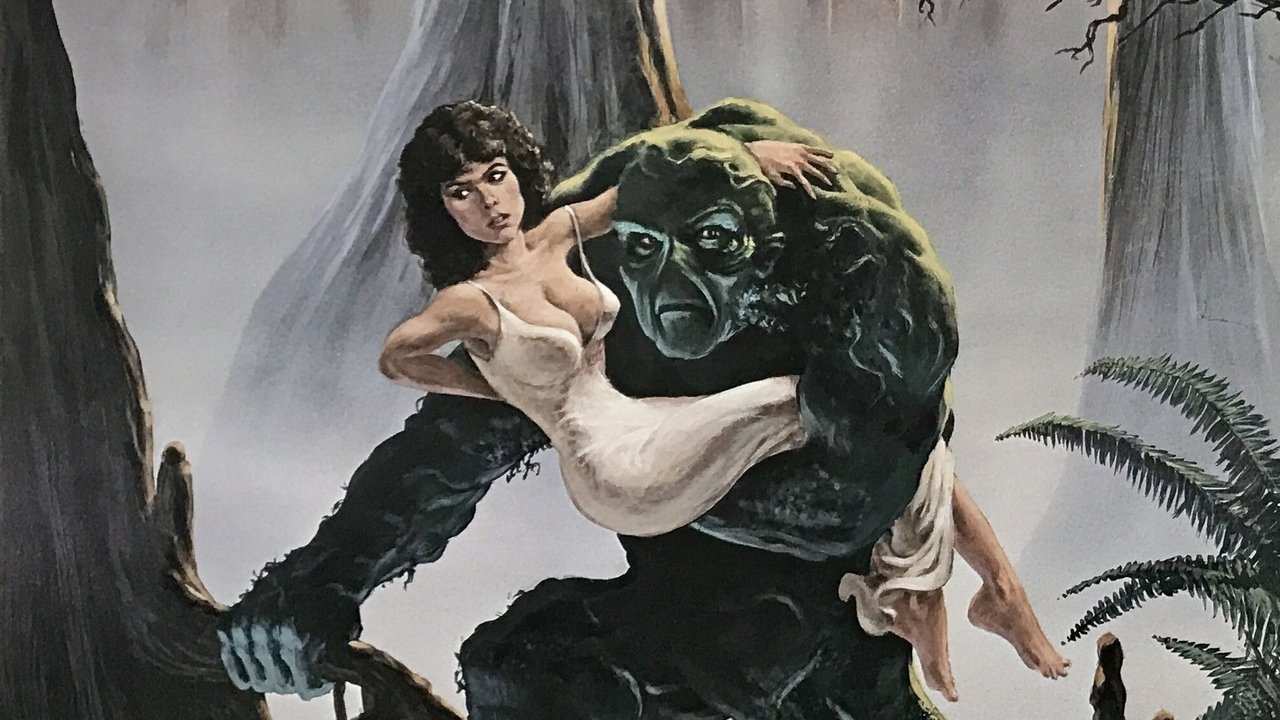
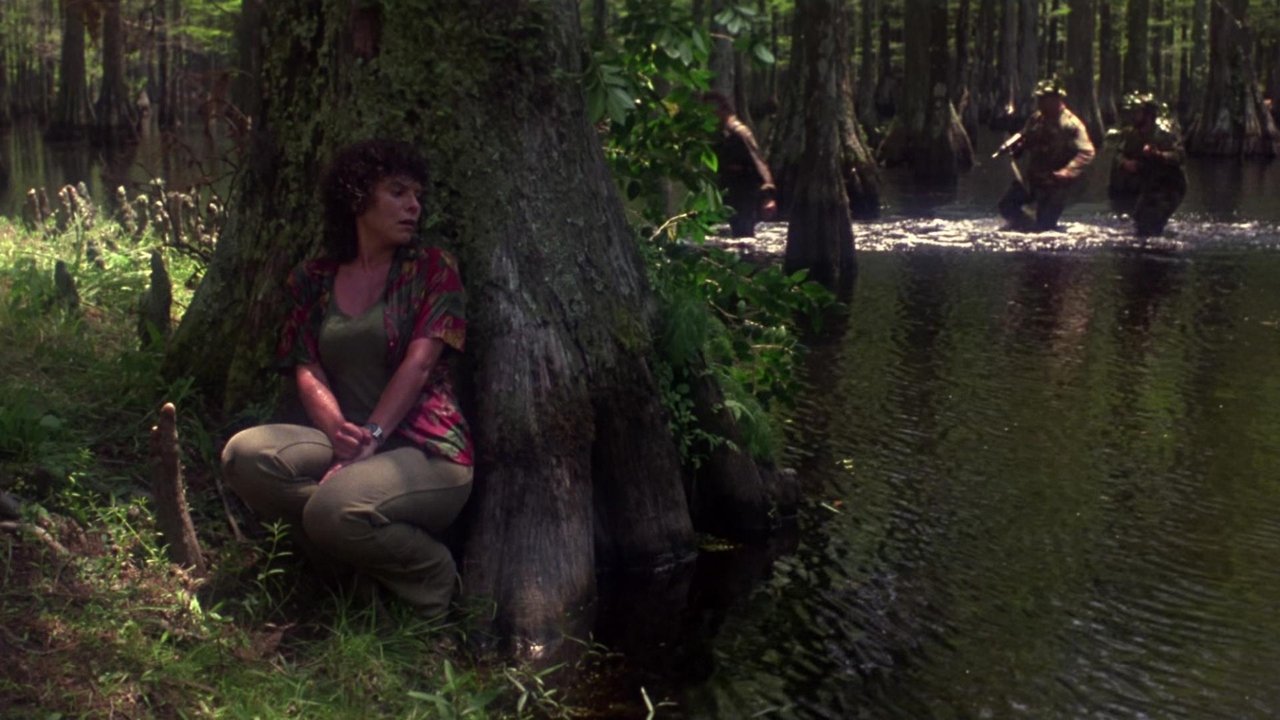
Adrienne Barbeau, fresh off her memorable role in John Carpenter's The Fog (1980), is the film's anchor. As Alice Cable, she's more than just a damsel in distress; she's resourceful, tough, and injects a necessary dose of humanity into the proceedings. Barbeau famously performed many of her own stunts, including wading through the actual swamp water – an act of bravery that reportedly led to a nasty throat infection. Her chemistry with the often-silent Swamp Thing forms the film's emotional core, a strange 'Beauty and the Beast' dynamic amidst the explosions and mutant henchmen. Louis Jourdan, meanwhile, offers a counterpoint of smooth, old-world villainy. His Arcane isn't a cackling madman, but a calculating, almost bored aristocrat of evil, making his eventual monstrous transformation (another highlight of practical makeup effects) all the more grotesque.
A Cult Bloom on Home Video
Swamp Thing wasn't a massive box office hit upon release, earning back its budget but not setting the world alight. Its true life began, as with so many genre gems of the era, on home video. Those wonderfully lurid VHS cover boxes beckoned from rental store shelves, promising monster mayhem. It found its audience there – folks who appreciated its B-movie heart, its pioneering (for the time) comic adaptation feel, and its unique blend of action, horror, and swampy atmosphere. Its success on tape paved the way for the much campier (and arguably more purely entertaining) sequel, The Return of Swamp Thing (1989), and cemented the character in the pop culture consciousness. Remember arguing with friends about whether the suit looked cool or cheesy? That debate was part of the fun.
The Verdict

Swamp Thing is undeniably a product of its time. Some dialogue creaks, the pacing occasionally lags, and certain plot elements feel underdeveloped. Yet, its earnestness, Craven's atmospheric direction, Barbeau's committed performance, and the sheer tactile presence of that iconic monster suit grant it an enduring charm. It’s a film that captures the feeling of discovering something slightly weird, slightly dangerous, but ultimately captivating on a flickering CRT screen late at night. It might not be Craven’s most terrifying work, but it holds a special place in the annals of 80s creature features and comic book movie history.
Rating: 7/10
For its groundbreaking practical effects (warts and all), Adrienne Barbeau's resilience, the palpable swamp atmosphere, and its status as a beloved VHS-era cult classic, Swamp Thing remains a fascinating watch. It’s a reminder of a time when comic book movies felt less like corporate mandates and more like strange, ambitious experiments growing wild in the cinematic swamp.