The hum of the VCR, the click of the tape sliding home… sometimes, the anticipation was almost as potent as the film itself. And then there were films like David Cronenberg's Scanners (1981), where the unsettling imagery burned itself onto your retinas, lingering long after the static snow filled the CRT screen. It wasn't just a movie; it felt like a transmission from a colder, stranger frequency, a glimpse into a world vibrating with psychic tension and the horrifying potential of the human mind turned inward, then violently outward.
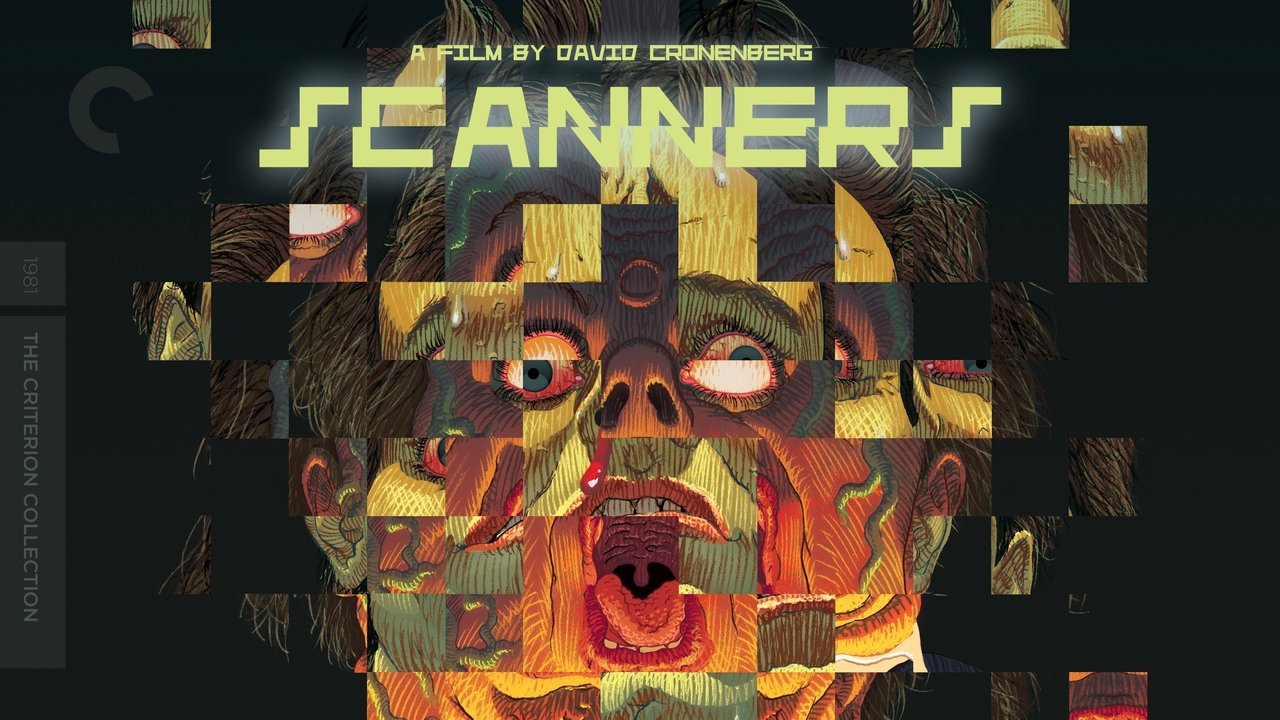
That opening scene in the shopping mall – the sheer, unprovoked intensity of it – sets a tone of pervasive unease. We meet Cameron Vale (Stephen Lack), a derelict haunted by voices, unaware of the power raging within him. His eyes hold a particular kind of vacant intensity, a performance often debated but one I've always felt perfectly captures the alienation and confusion of a man besieged by his own consciousness. It’s a portrayal that feels less like traditional acting and more like a vessel for the film's core dread. Cronenberg reportedly cast Lack, an artist with limited acting experience, precisely for his unconventional presence, wanting someone who looked genuinely tormented and outside the norm. It’s a choice that pays off, adding to the film's off-kilter, disturbing atmosphere.
A Mind is a Terrible Thing to Waste... Or Weaponize
The premise unfolds with chilling precision: "scanners" are individuals with telepathic and telekinetic abilities, capable of eavesdropping on thoughts or, more terrifyingly, manipulating flesh and blood. The shadowy corporation ConSec, led by the initially paternal Dr. Paul Ruth (Patrick McGoohan, radiating tightly coiled authority honed perhaps during his time on The Prisoner), seeks to control these powerful individuals. But there’s a rogue element: Darryl Revok (Michael Ironside in a career-defining role of pure, malevolent charisma), a scanner with immense power and a terrifying vision for the future of his kind. His introductory scene remains one of cinema's most shocking and infamous moments. You know the one. The sudden grimace, the bulging veins, the explosive release. Did that moment genuinely catch you off guard back then? It felt like a boundary being shattered.
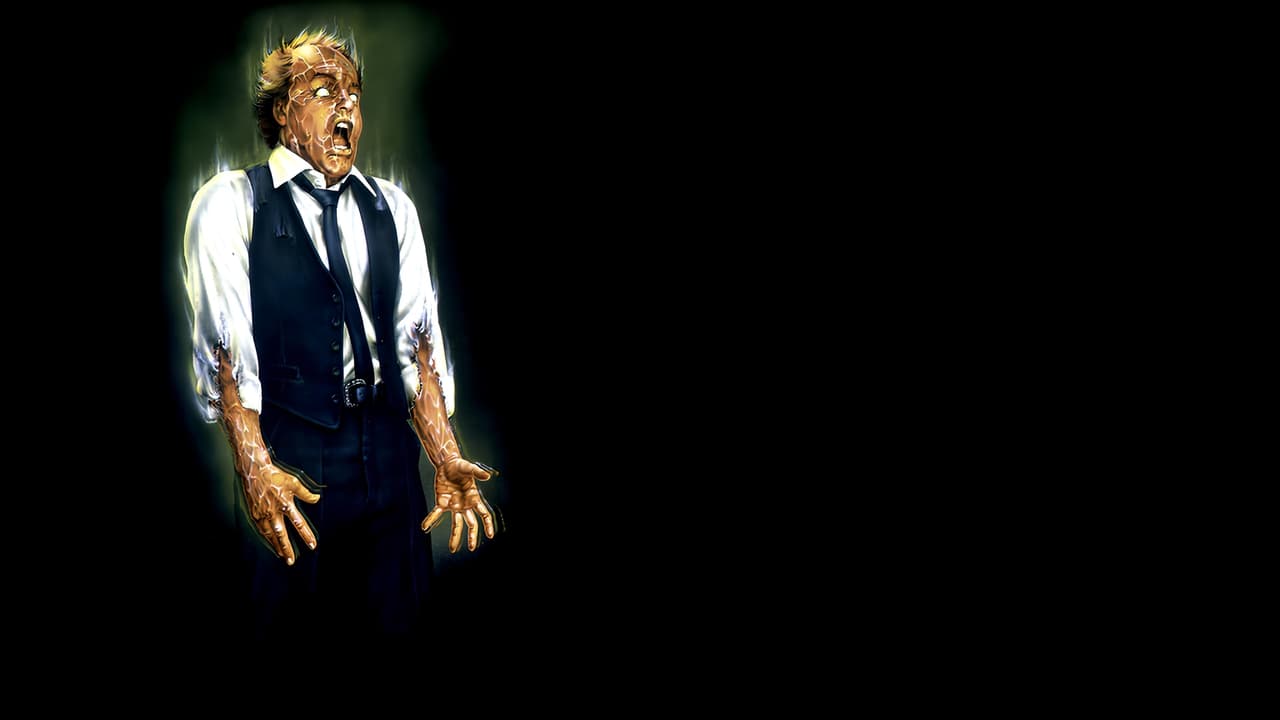
Creating that legendary head explosion was a feat of grisly practical effects ingenuity, characteristic of the era's tactile horror. There was no CGI safety net. The effect, masterminded by makeup guru Dick Smith (fresh off Altered States), reportedly involved filling a plaster head packed with latex, wax, leftover lunch scraps, and fake blood, then discharging a shotgun loaded with rock salt at it from behind. The sheer visceral mess of it captured on film feels viscerally real in a way digital effects rarely replicate. It wasn't just gore; it was a statement of intent, a visual metaphor for the violent eruption of psychic power the film explores. They apparently only had one shot to get it right, adding another layer of tension to its creation.
Cold Concrete and Corporate Dread
Scanners isn't just about exploding heads, though. Cronenberg masterfully weaves a narrative steeped in paranoia and corporate conspiracy. The film's visual landscape – shot primarily in Montreal – is dominated by cold, brutalist architecture, sterile laboratories, and anonymous corporate offices. This reinforces the themes of alienation and dehumanization, suggesting a world where individuals are mere assets or threats to be managed or eliminated. The haunting, electronic score by Howard Shore, who would become a frequent Cronenberg collaborator and later score The Lord of the Rings trilogy, perfectly complements this chilly aesthetic, amplifying the sense of isolation and impending psychic violence.
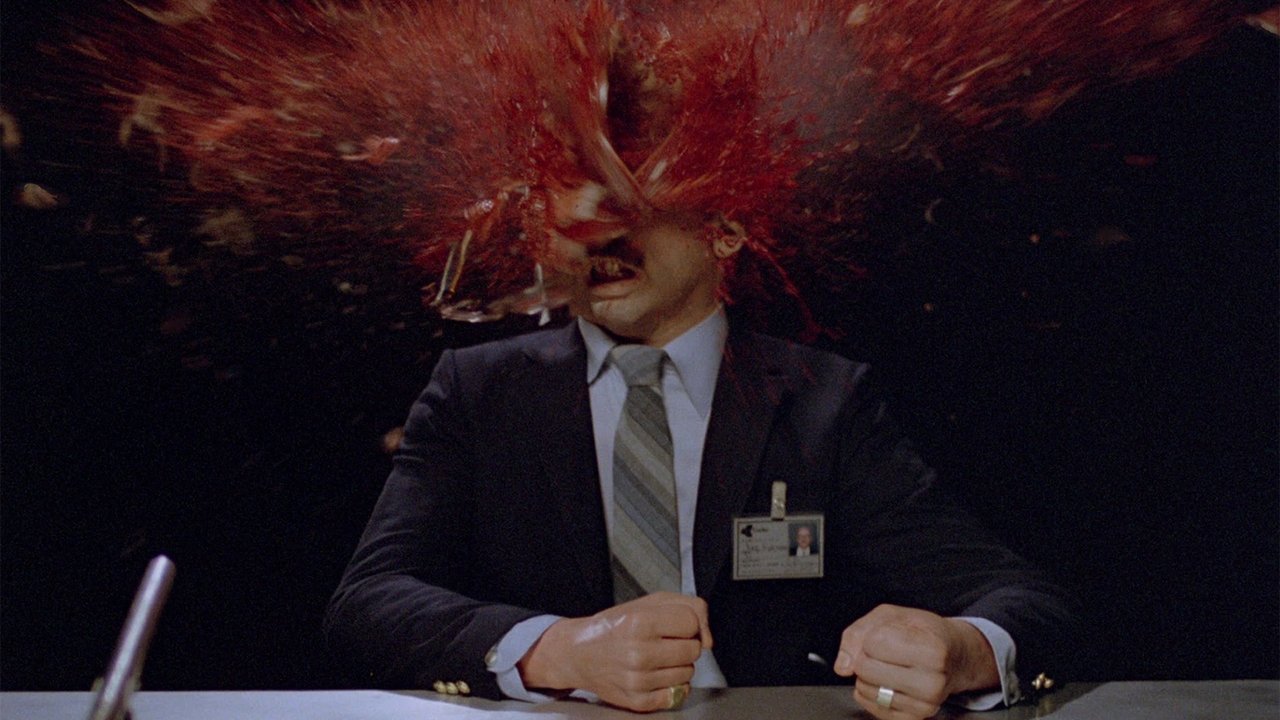
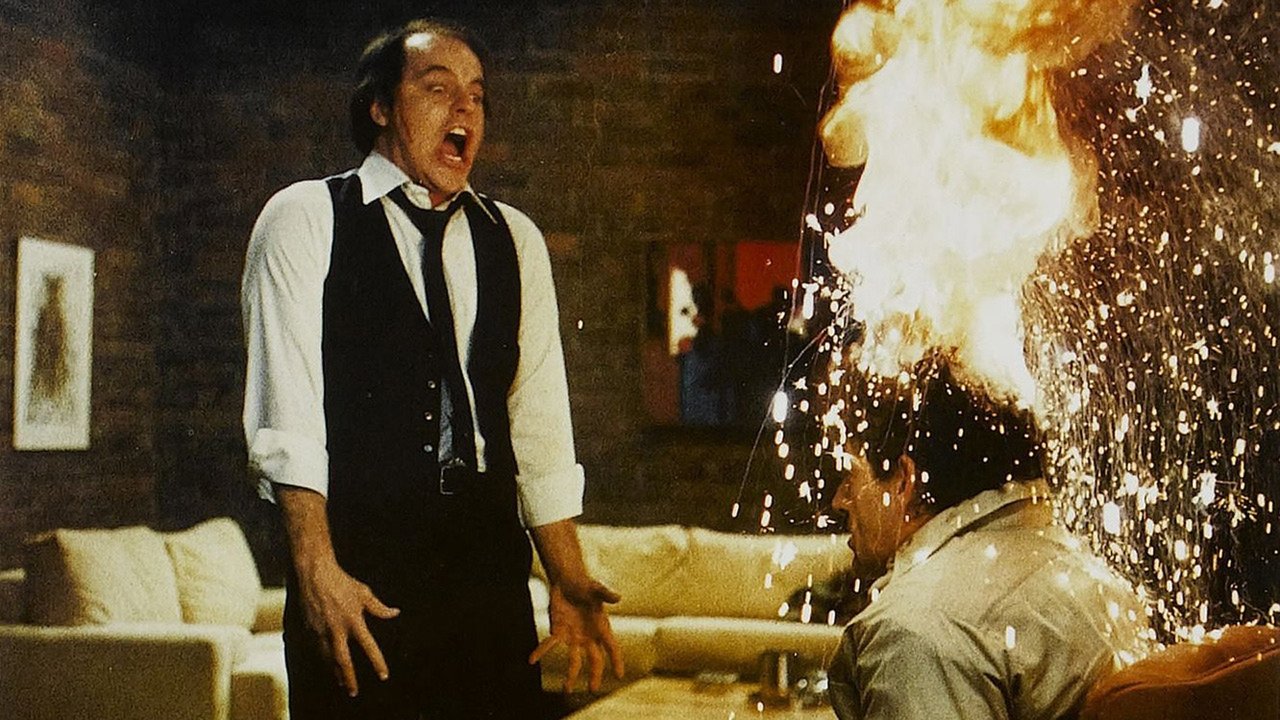
The tension builds not just through overt displays of power but through the constant threat simmering beneath the surface. The scenes where Vale learns to control his abilities under Dr. Ruth's guidance, or his encounters with other scanners like the sympathetic Kim Obrist (Jennifer O'Neill), are fraught with the potential for things to go horribly wrong at any moment. McGoohan, known for his intense presence, apparently clashed with Cronenberg at times, yet his performance as the ambiguous father figure/manipulator is utterly compelling. And Ironside… well, he simply is Revok, embodying a terrifying certainty and ambition that makes him an unforgettable antagonist. Doesn't that final psychic duel still feel incredibly intense, despite the sometimes dated effects?
Retro Fun Facts
- The film was reportedly rushed into production to take advantage of Canadian tax shelters, leading Cronenberg to write the script frantically during filming, sometimes delivering pages mere hours before scenes were shot. This pressure perhaps contributed to the film's raw, urgent energy.
- Despite its graphic content, Scanners secured an 'R' rating from the MPAA relatively easily, perhaps because the infamous head explosion happened early and was framed within a sci-fi/horror context.
- Budgeted at around $3.5 million CAD, Scanners became Cronenberg's first major commercial success, grossing over $14 million USD at the box office, proving there was an audience hungry for his unique brand of intellectual body horror.
- The film spawned several sequels and a spin-off series (Scanners II: The New Order, Scanners III: The Takeover, Scanner Cop, Scanner Cop II), though none captured the original's potent blend of philosophical horror and visceral shock, existing mostly as straight-to-video fare familiar to many a rental store browser.
The Scan Concludes
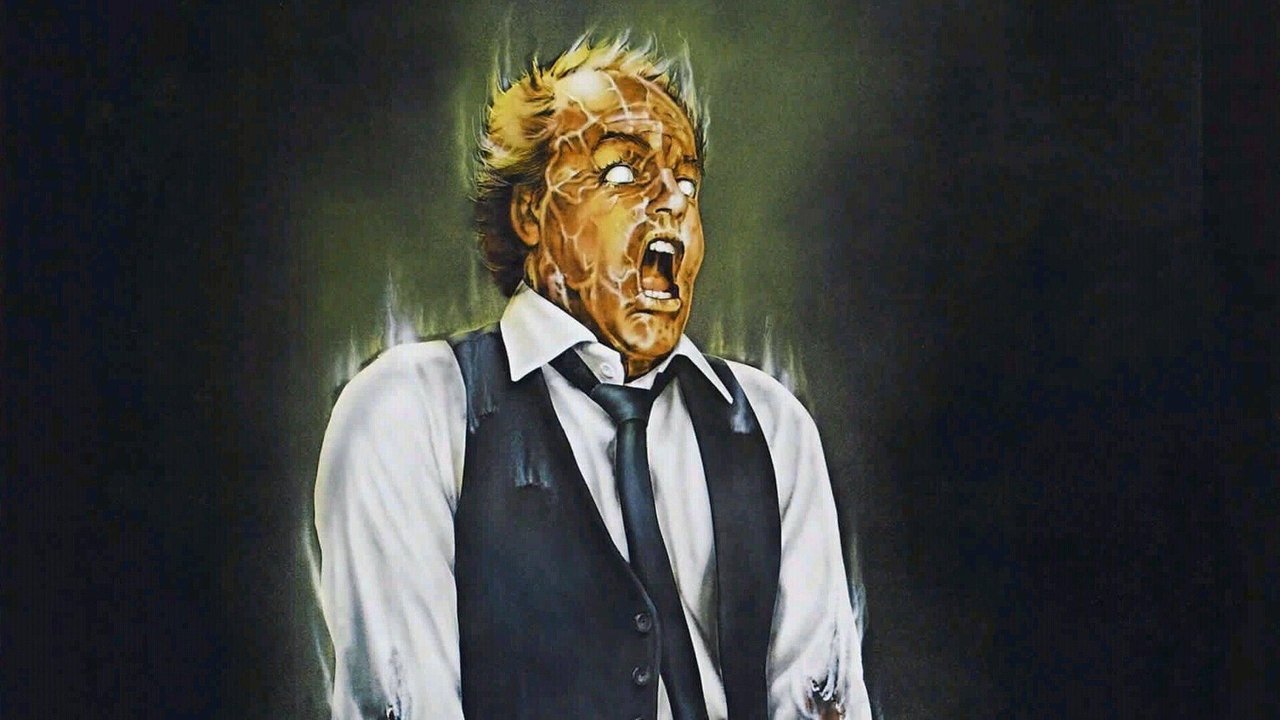
Scanners remains a potent piece of early 80s sci-fi horror. It’s a film that feels distinctly Cronenbergian – intelligent, visceral, deeply unsettling, and preoccupied with the fragility and terrifying potential of the human body. While some aspects, like Stephen Lack's unique performance or certain effects, might seem dated to modern eyes, the core concepts and the atmosphere of pervasive dread hold up remarkably well. It tapped into anxieties about unchecked power, corporate overreach, and the terrifying unknown lurking within our own minds. Watching it again on a fuzzy VHS copy always felt like uncovering a dangerous secret.
Rating: 8/10
This score reflects the film's groundbreaking practical effects (especially that scene), its chilling atmosphere, Michael Ironside's iconic performance, and its status as a cornerstone of Cronenberg's body horror legacy. While Lack's lead performance is divisive and the pacing occasionally flags, the sheer audacity and lingering unease make it essential viewing. It’s more than just gore; it's a cold, sharp shock to the system that cemented Cronenberg as a master of cerebral horror, leaving an indelible mark on the genre landscape – a frequency that still disturbs decades later.