Alright fellow travelers of the tape-tracked path, let’s journey back to a time when the biggest adventures could unfold right in your own backyard, provided you had a slightly malfunctioning ray gun and a heap of bad luck. I’m talking, of course, about the miniature marvel that is Honey, I Shrunk the Kids, released in the summer of 1989. Forget sprawling galaxies or ancient tombs for a moment; this film proved that a freshly cut lawn could be as treacherous and awe-inspiring as any fantasy landscape, especially when you’re only a quarter-inch tall.

### A World Made Wonderfully Huge
The setup is pure, delightful suburban chaos. We have the Szalinski family, headed by the lovably eccentric inventor Wayne Szalinski, played to absolute perfection by Rick Moranis. He’s the kind of genius who’s this close to a breakthrough, but also this close to accidentally incinerating the family couch. Across the fence are the Thompsons, led by the more pragmatic, slightly macho Big Russ (Matt Frewer, forever etched in our minds from Max Headroom). Their kids – Amy (Amy O'Neill) and Nick Szalinski (Robert Oliveri), along with Russ Jr. (Thomas Wilson Brown) and Ron Thompson (Jared Rushton) – get caught in the crossfire of Wayne’s electromagnetic shrinking machine after a stray baseball sets it off. Suddenly, their world isn’t just big; it’s colossal, dangerous, and utterly fantastic. Tasked with bringing this oversized vision to life was Joe Johnston, making his feature directorial debut. Coming from a stellar background in visual effects and art direction at ILM (he helped design Boba Fett!), Johnston was uniquely equipped to tackle a film so reliant on visual trickery and scale.
### The Perilous Journey Home

What follows is essentially an epic trek across... well, the backyard. But through the eyes of the shrunken kids, it becomes a jungle safari fraught with peril. Remember the terror of that sprinkler system turning into a torrential downpour, with water droplets the size of boulders? Or the heart-stopping moment navigating the treacherous blades of the lawnmower (thankfully avoided)? This 80s family adventure turned everyday objects into monumental obstacles and allies. A discarded Lego brick becomes a vital shelter. An Oreo cookie (or "giant cookie," as it felt) transforms into a life-saving feast. It’s a brilliant conceit, tapping into that childhood fantasy of exploring a hidden world right under our noses.
The film was a masterclass in practical effects wizardry for its era. Long before CGI could easily render such scale, Johnston and his team relied heavily on ingenuity. They built enormous, meticulously detailed oversized props – blades of grass like towering trees, a gargantuan cigarette butt, that famous cookie. Combined with forced perspective, clever matte paintings, some stop-motion animation (like the menacing scorpion), and blue-screen work, they created a believable micro-world that still holds up remarkably well. The sequence where the kids ride a friendly bee (dubbed "Bee-atrice" by the crew, apparently) was a complex triumph, involving a mix of techniques that really sold the dizzying flight. My childhood self desperately wanted an ant friend after seeing the surprisingly touching bond formed with "Antie" – a testament to how well the film balanced adventure with genuine heart.
### Perfect Casting for Suburban Chaos
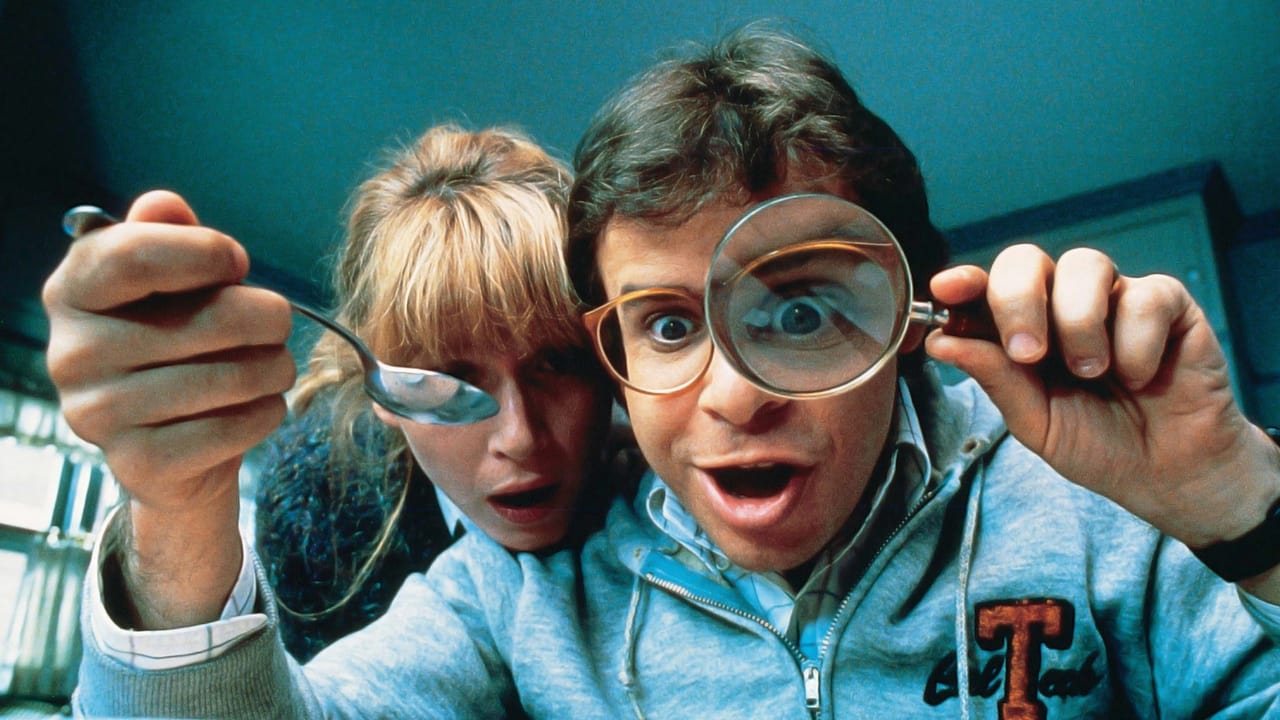
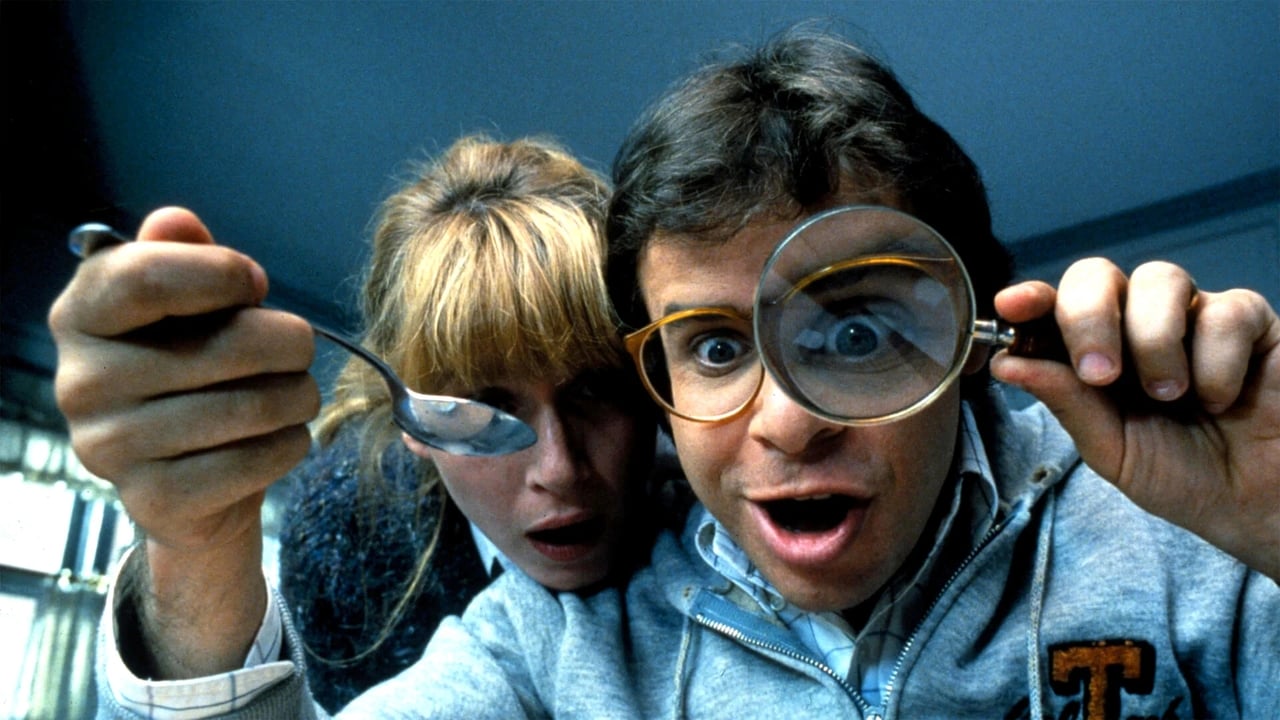
While the effects were groundbreaking, the film wouldn't work nearly as well without its human element. Rick Moranis is Wayne Szalinski. He perfectly embodies the well-meaning but dangerously distracted scientist, his panic and guilt palpable as he realizes what he’s done. His frantic search, contrasted with the kids’ desperate journey, gives the film its emotional core. Marcia Strassman as Diane Szalinski provides the necessary grounding force, reacting with believable shock and determination. The kids, too, are great – a believable mix of bickering siblings and neighbours forced to rely on each other for survival. Even Matt Frewer's Big Russ gets his moments, moving from annoyed neighbour to genuinely concerned parent.
### Retro Fun Facts: Shrinking Success
Honey, I Shrunk the Kids wasn't just a hit; it was a phenomenon. Made for a relatively modest $18 million, it grossed over $222 million worldwide (that's well over half a billion in today's money!), becoming Disney’s highest-grossing live-action film up to that point. It’s wild to think this family favourite originated from horror maestros Stuart Gordon and Brian Yuzna (Re-Animator), though the final script by Tom Schulman (who penned the very different Dead Poets Society the same year!) and Ed Naha leaned heavily into adventure and comedy. Can you imagine watching "Teeny Weenies," the film's working title? Doesn't quite have the same ring, does it? The success spawned sequels – Honey, I Blew Up the Kid (1992) and the direct-to-video Honey, We Shrunk Ourselves (1997) – plus a TV series and even a beloved 3D theme park attraction ("Honey, I Shrunk the Audience"), cementing its place in pop culture.
### Why It Still Looms Large
Watching it again, maybe on a slightly-less-fuzzy screen than the old CRT, the magic is still there. It captures that potent blend ofAmblin-esque wonder, gentle humour, and genuine stakes that defined so many great 80s family films. It’s imaginative, thrilling, funny, and has just enough heart to make you care about the Szalinskis, the Thompsons, and even a brave little ant. It’s a reminder that sometimes the grandest adventures don’t need far-flung locales, just a fresh perspective on the world right outside your door. We might not have all wanted Rick Moranis's questionable lab safety protocols, but admit it – seeing the world from that tiny vantage point looked like one heck of an adventure back then.
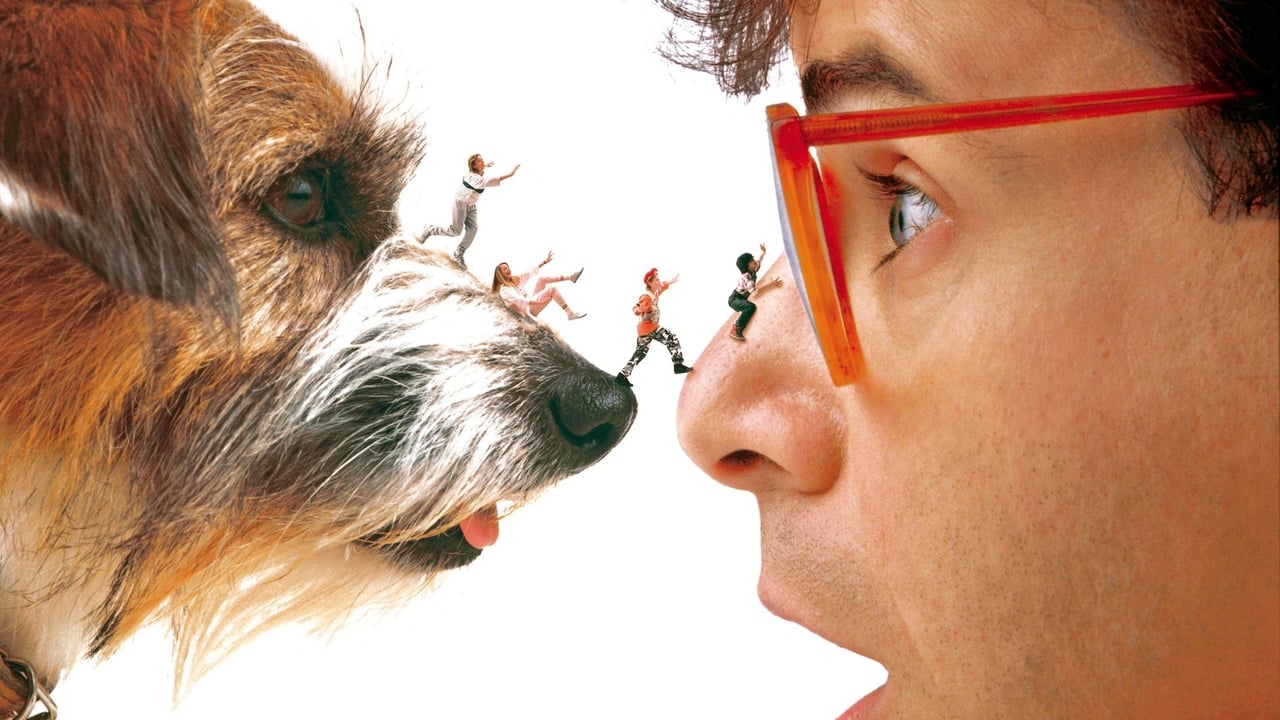
VHS Heaven Rating: 9/10
This score reflects the film's near-perfect execution of a brilliant high concept, its groundbreaking practical effects (for the time), Rick Moranis's iconic performance, and its enduring charm as a top-tier 80s family adventure. It masterfully blends sci-fi, comedy, and thrilling set pieces with genuine heart, creating a uniquely imaginative experience. While some aspects might feel dated, its core creativity and sense of wonder remain undiminished.
It’s a film that encourages you to look closer at the world around you, because you never know what tiny wonders – or dangers – might be lurking in the grass. A true giant of the VHS era.