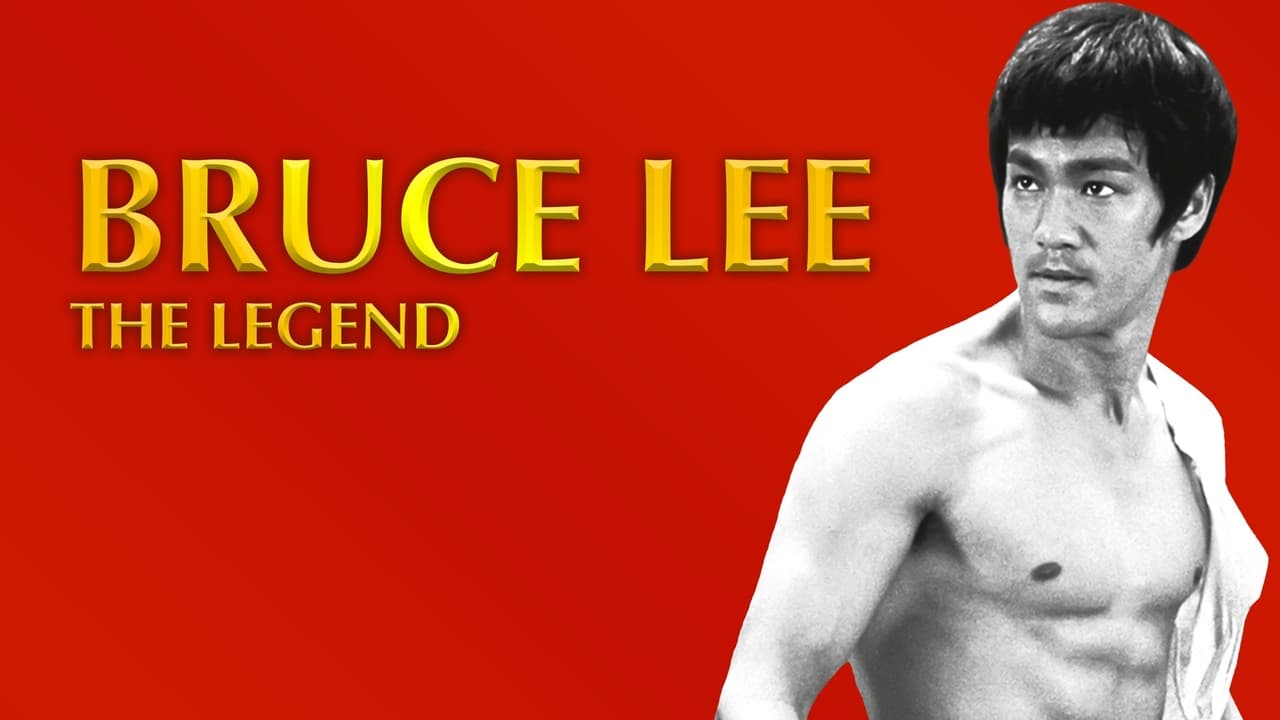
Okay, fellow tapeheads, let's rewind the clock. Picture this: it's sometime in the mid-80s, the VCR is humming, and you've just slotted in a tape promising the story of a cinematic icon gone too soon. Maybe the box art was a little worn, the tracking might need adjusting, but the energy crackling off the screen? Undeniable. That's the feeling Bruce Lee: The Legend (1984) conjures up, a time capsule assembled by those who knew him best, designed to keep the dragon's flame burning bright for the home video generation.
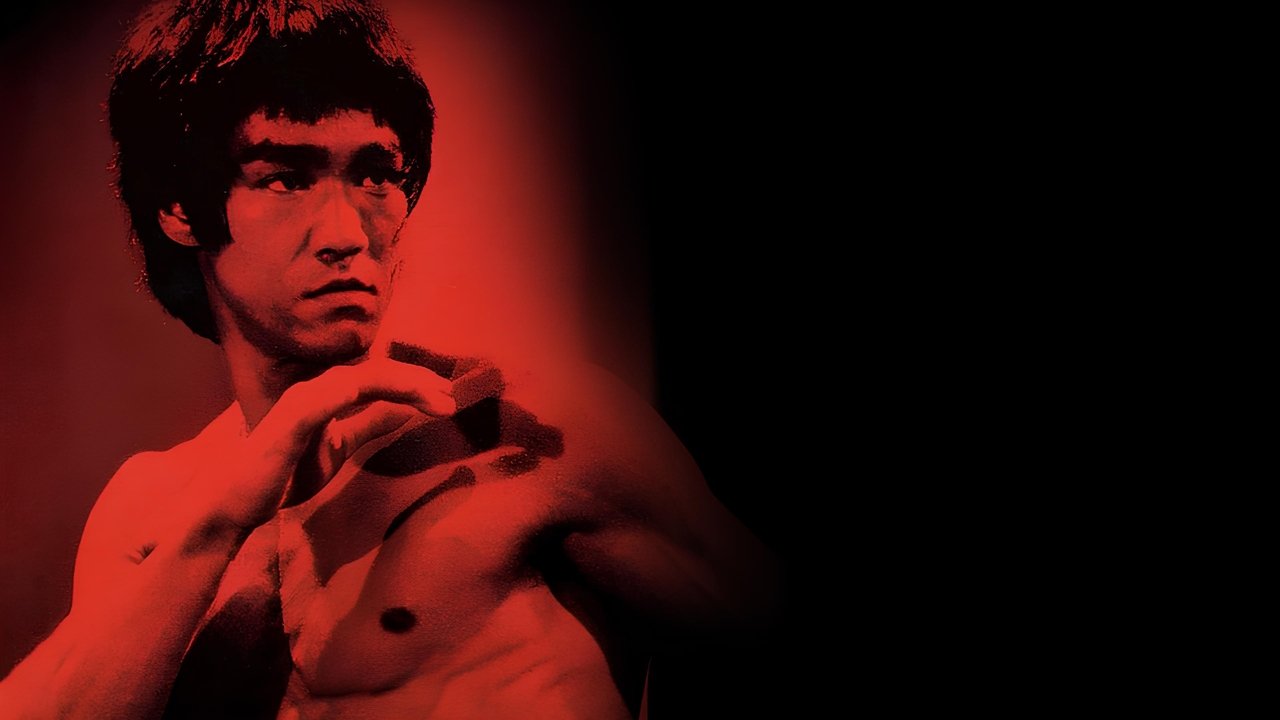
This wasn't just another cash-grab compilation, though plenty of those certainly flooded the shelves. Coming from Golden Harvest, the studio synonymous with Bruce Lee's meteoric rise, and guided by studio stalwart Leonard Ho (credited as director) and powerhouse producer/writer See-Yuen Ng (who famously gave Jackie Chan his big break), The Legend carried a certain weight, a sense of official tribute. Released a full eleven years after Lee's tragic passing in 1973, it arrived when his mystique was arguably hitting a new peak, fueled by endless replays on late-night TV and the burgeoning VHS market.
### More Than Just Highlights
Unlike some posthumous documentaries that feel like dry academic essays, Bruce Lee: The Legend pulses with the kinetic energy of its subject. It leans heavily on archival footage, naturally, but it weaves together iconic scenes from his films (Enter the Dragon, Fist of Fury, Way of the Dragon), rare screen tests (that electrifying Green Hornet audition!), and glimpses of his life off-screen with a narrative flow that feels distinctly... well, 80s. There’s a certain earnestness to the presentation, sometimes bordering on the melodramatic, but it perfectly captures the reverence fans felt – and still feel.
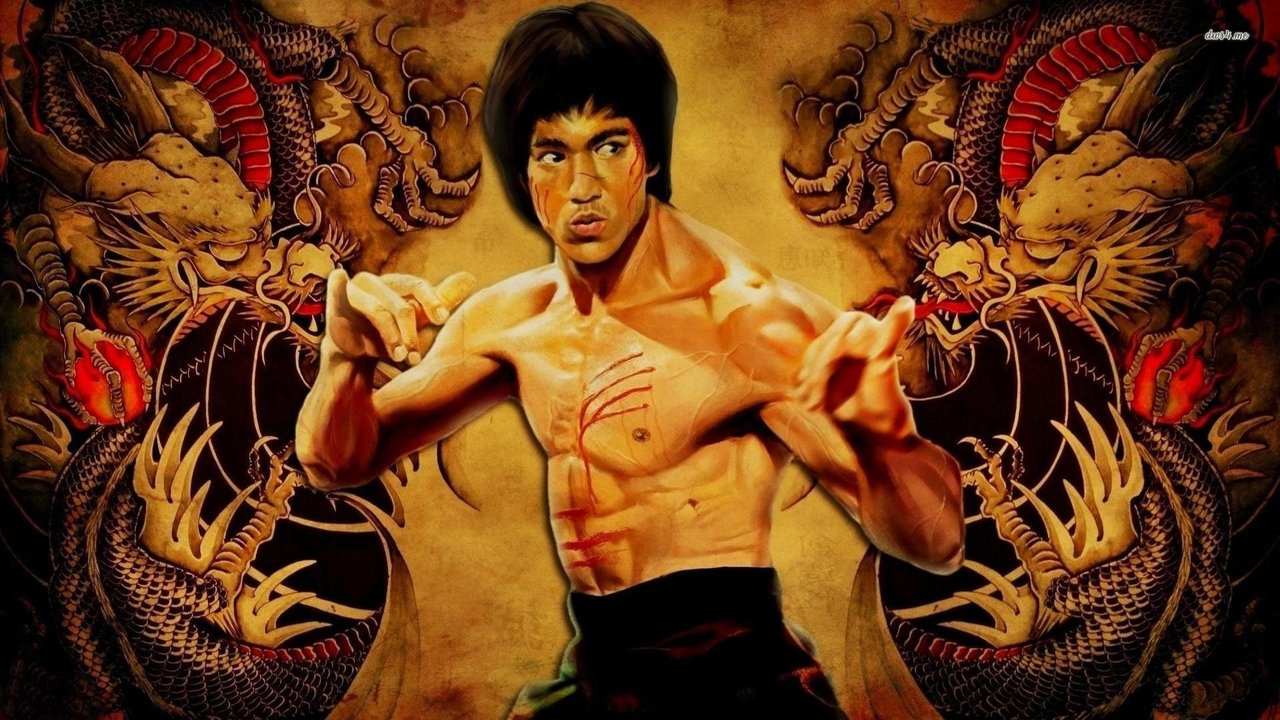
The film mixes these potent visuals with select interviews. Seeing James Coburn, Lee's friend, student, and fellow Hollywood star, speak about Bruce's philosophy and intensity lends genuine insight. The inclusion of Betty Ting Pei, the actress present during Lee's final moments, adds a layer of poignant, slightly uncomfortable intimacy, addressing the swirling rumors head-on in a way that felt quite direct for the time. It's not an exhaustive investigation, but it provides valuable perspectives from key figures.
### The Ultimate Practical Effect: Bruce Lee
Let's talk action, because that's the core of the legend, isn't it? Watching Lee move, even through the sometimes grainy, flickering footage typical of older film stock transferred to VHS, is breathtaking. This documentary serves as a powerful reminder that before CGI smoothies out every impact, this was raw cinematic power. Lee’s speed wasn’t a camera trick; his precision wasn’t clever editing (though editing certainly enhanced the rhythm). It was real. Remember seeing those push-ups – the one-handed, two-finger push-ups? That wasn't a stunt double, that was pure, cultivated physical discipline.
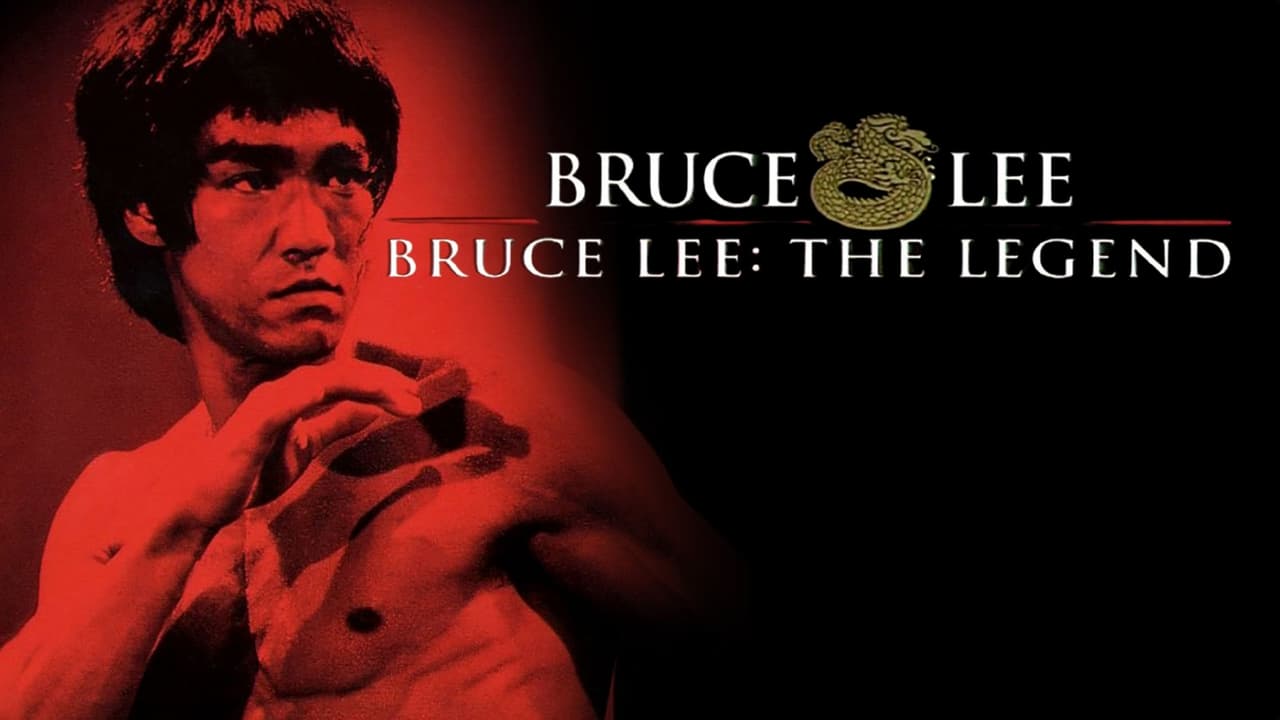
The Legend expertly showcases this, letting extended sequences from his films play out. The nunchaku sequences still hypnotize, the impossibly fast kicks and blocks feel visceral. Seeing snippets of the unfinished Game of Death, particularly the pagoda sequence, felt like unearthing lost treasure back then. It's a masterclass in physical performance, and the documentary rightly treats this footage as the main event. There’s an almost hypnotic quality watching him demonstrate Jeet Kune Do principles, a fluidity and explosiveness modern action stars often struggle to replicate without digital assistance.
### Golden Harvest Knows Best
The Golden Harvest connection is key here. They weren't just observers; they were collaborators who helped shape the Bruce Lee phenomenon. Leonard Ho, a long-time executive at the studio, understood the material intimately. This wasn't just about recounting biographical details; it was about capturing the spirit that made Lee a global superstar. Interestingly, while produced relatively cheaply by compiling existing footage and interviews, its cultural impact far outweighed its budget, cementing Lee's image for kids discovering him not in smoky 70s theaters, but in their living rooms. It became a foundational text for a new wave of fans.
I distinctly remember renting this tape, probably more than once, from the local 'Video Spot'. It felt essential, a necessary pilgrimage for anyone interested in martial arts or just pure, unadulterated screen presence. The slightly fuzzy picture, the mono sound coming out of the old CRT television – it all added to the mythic quality. You felt like you were getting a privileged look behind the curtain, even if it was carefully curated.
### Still Burning Bright?
So, how does Bruce Lee: The Legend hold up after decades of slicker, more analytical documentaries? Remarkably well, especially if you approach it as a product of its time and a heartfelt tribute. It lacks the deep-dive investigative journalism or slick production values of modern docs, but it compensates with sheer, undiluted star power and a genuine sense of affection radiating from its creators. It captured the essence of why Bruce Lee mattered then, and that energy remains potent.
Rating: 8/10
Justification: While perhaps not the most comprehensive Bruce Lee documentary ever made, The Legend is an essential piece of 80s home video history. It effectively uses archival footage and key interviews to capture the electrifying presence and enduring impact of its subject. Its Golden Harvest pedigree lends it authenticity, and it perfectly encapsulates the posthumous wave of Lee-mania that swept through the VHS era. It's earnest, energetic, and a fantastic hit of pure nostalgia that still showcases Lee's unparalleled magnetism.
Final Word: Forget pixel-perfect restorations for a moment; Bruce Lee: The Legend reminds us that sometimes, the raw, flickering energy captured on a well-loved VHS tape holds more power than polished perfection ever could. An absolute must-watch for any fan of the Little Dragon.