Okay, fellow tapeheads, dim the lights, maybe crack open a Jolt Cola if you can still find one, and let's talk about a movie that probably left more than a few jaws on the shag carpet back in the day. I'm talking about the arterial spray-filled, baby-cart-wheeling legend that is Shogun Assassin (1980). Finding this gem on the shelf at the local video store, maybe tucked between a mainstream action flick and some dubious horror, felt like unearthing forbidden treasure. The cover art alone promised something wild, and boy, did it deliver.
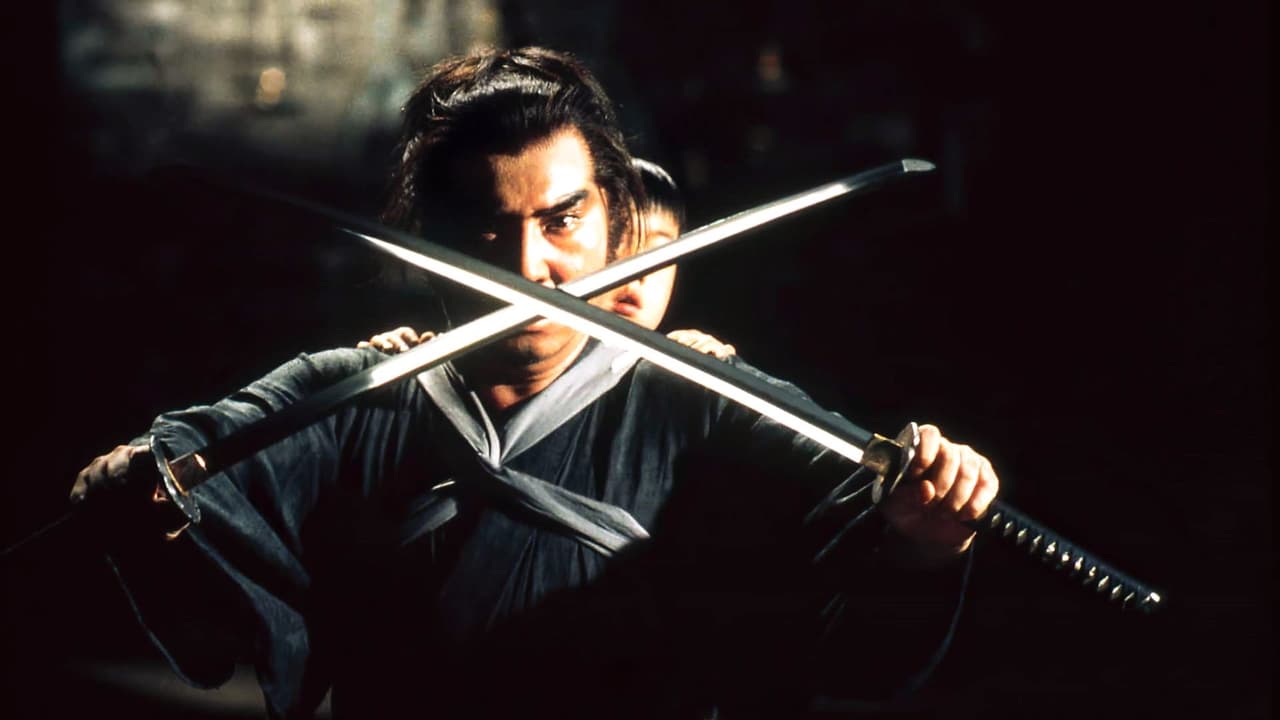
### A Samurai Epic... Re-Sliced and Diced
First things first, let's clear something up that blew my mind when I first learned it: Shogun Assassin isn't technically a single, original film. What we watched on those worn-out VHS tapes was actually a masterful (and arguably ruthless) act of cinematic surgery. Producer David Weisman and director/editor Robert Houston took the first two films in the legendary Japanese Lone Wolf and Cub series – Sword of Vengeance (1972) and Baby Cart at the River Styx (1972), both helmed by the brilliant Kenji Misumi and based on the seminal manga by Kazuo Koike and Goseki Kojima – chopped them up, rearranged scenes, added a pulsating electronic score, and slapped on that unforgettable English narration from the perspective of a toddler. It sounds like a recipe for disaster, a quick cash-grab exploitation flick, but somehow, it became something iconic.
### Meet Ogami Ittō: Father, Warrior, Lawnmower
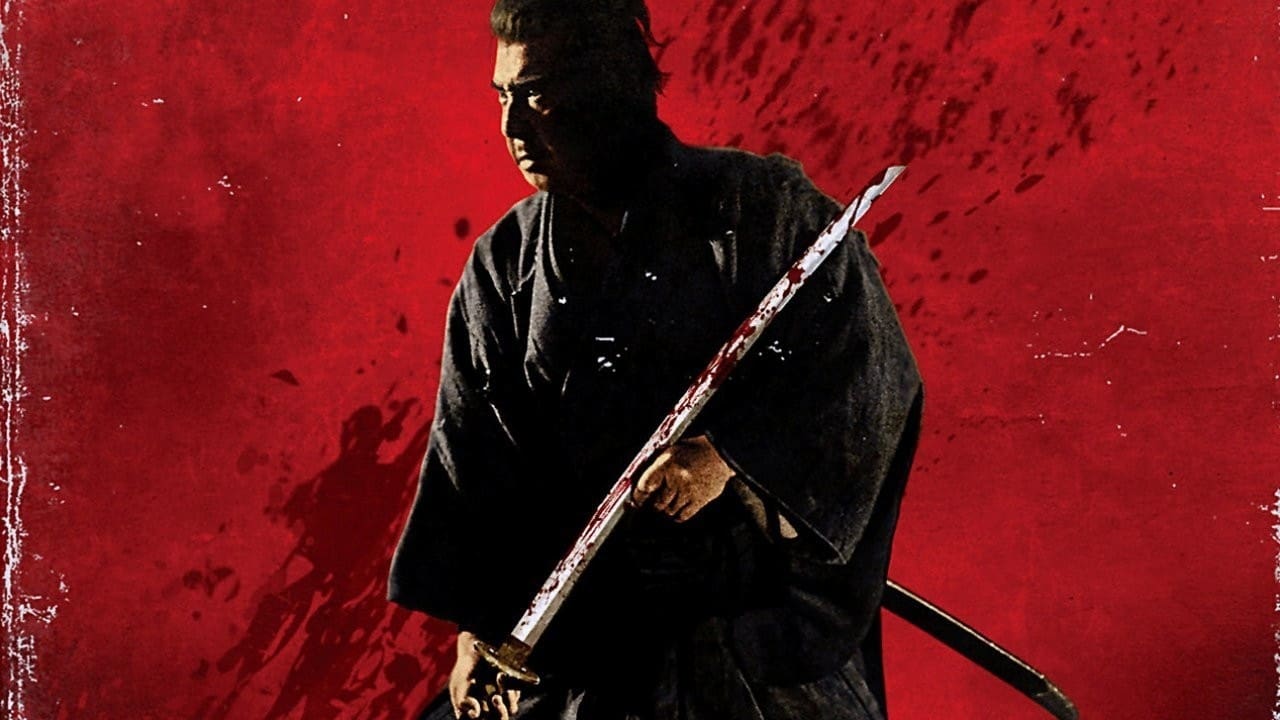
The premise is deceptively simple, distilled to its brutal essence for Western audiences. We follow Ogami Ittō (Tomisaburo Wakayama), the former executioner for the Shogun, now a masterless samurai (ronin) framed for treason by the treacherous Yagyu clan. His path is one of pure vengeance, and accompanying him on this blood-soaked journey is his very young son, Daigoro (Akihiro Tomikawa), riding shotgun in a wooden baby cart that... well, let's just say it’s heavily customized. Tomisaburo Wakayama, a mountain of a man and brother to the perhaps more internationally known Shintaro Katsu (star of the Zatoichi series), is Ogami Ittō. His stoic presence, punctuated by moments of surprising tenderness towards Daigoro, anchors the mayhem. He moves with the deadly grace of a seasoned warrior, embodying the lone wolf archetype perfectly. Retro Fun Fact: Wakayama was a legitimate martial artist, holding high ranks in judo and other disciplines, which lent incredible authenticity to his swordsmanship, even amidst the stylized carnage.
### Geysers of Gore: When Practical Effects Ruled
Alright, let's talk action. Because Shogun Assassin is, above all else, an action spectacle. Forget the subtle wire-fu or the clean, bloodless kills of some samurai epics. This is grindhouse meets chanbara. The sword fights are frequent, fast, and incredibly messy. Remember how real those blood sprays looked back then? We're talking fire-hose pressure, crimson fountains erupting from severed limbs and torsos. This wasn't subtle CGI; this was achieved with practical effects, likely pressurized blood packs and clever tubing rigs concealed under costumes. The sheer volume is almost comical, yet delivered with such stylistic conviction by Kenji Misumi's original direction that it becomes hypnotic.
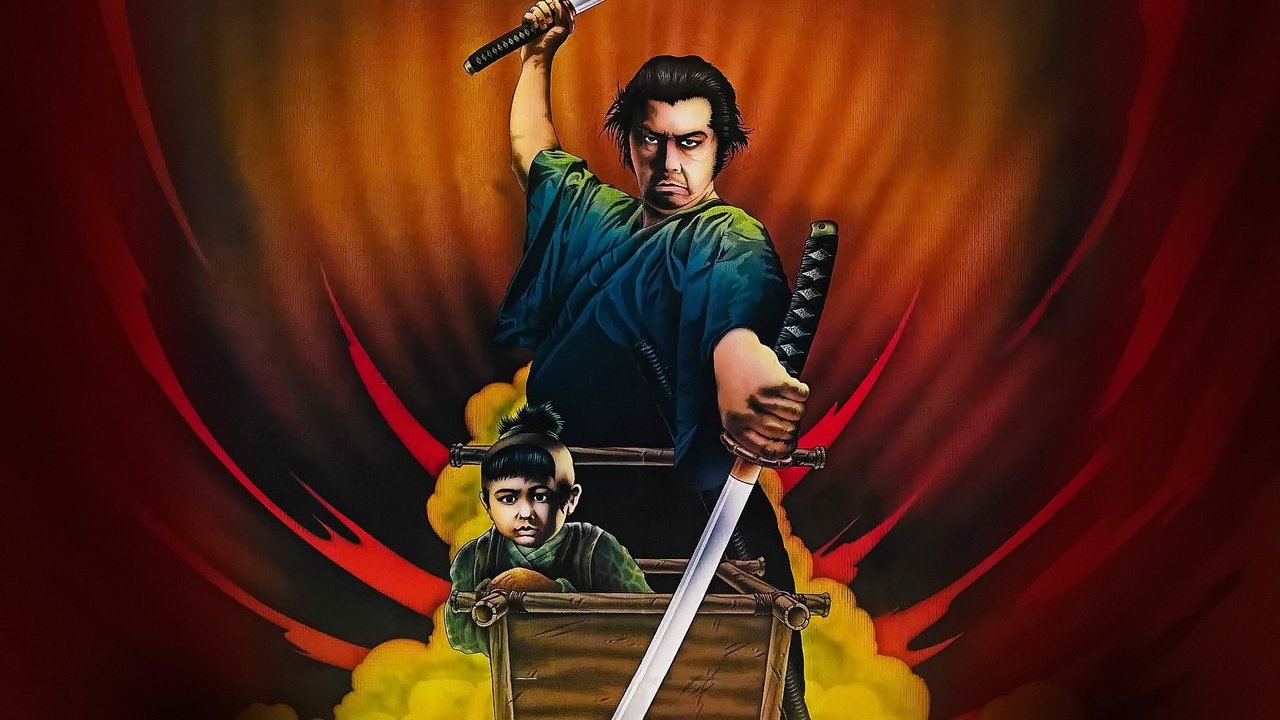
And the baby cart! It’s not just transport; it's a rolling arsenal, concealing blades that pop out from the axles and handles. The sequences where Ittō uses the cart defensively and offensively are pure, unadulterated pulp genius. Watching him mow down hordes of assassins – reportedly dispatching over 150 foes across the original films condensed here – felt viscerally thrilling on a grainy CRT screen. It was raw, kinetic, and felt genuinely dangerous in a way modern, polished action sometimes lacks.
### That Unforgettable Soundtrack and Voice
Adding to the film's unique identity is the music. Instead of traditional Japanese orchestrations, Robert Houston commissioned a new score by Mark Lindsay, the former lead singer of the 60s rock band Paul Revere & the Raiders. The result is a driving, moody, synth-heavy soundscape that feels completely anachronistic yet somehow perfectly captures the film's relentless forward momentum and stark atmosphere. It's pure 80s electronic moodiness layered over feudal Japan, and it works. Then there's the dubbing, especially Daigoro's childlike, monotone narration ("When I was little, my father was famous. He was the Shogun's decapitator..."). It's chilling, oddly poetic, and frames the relentless violence through an innocent, almost detached perspective, making it even more unsettling and memorable.
### Cult Status Achieved
Shogun Assassin wasn't exactly a critical darling upon release, and its extreme violence caused quite a stir. Retro Fun Fact: It famously landed on the UK's "video nasty" list during the moral panic of the early 80s, leading to bans and confiscations – which, naturally, only amplified its cult appeal among those seeking thrills off the beaten path. It became a staple of late-night cable TV and the 'Action' or 'Martial Arts' sections of video rental stores, passed around among fans like a secret handshake. Its influence popped up in surprising places too, most notably being heavily sampled by the Wu-Tang Clan on GZA's classic album Liquid Swords (1995).
### Final Verdict
While the narrative is essentially a highlight reel of vengeance and swordplay, lacking the deeper character arcs of the original Lone Wolf and Cub saga, Shogun Assassin succeeds brilliantly on its own terms. It's a visceral, stylish, and brutally efficient distillation of action, elevated by Wakayama's imposing presence, Misumi's kinetic visuals (even re-edited), and that haunting electronic score. It’s a testament to clever exploitation filmmaking and the enduring power of well-executed, practical action.
Rating: 8/10 - This score reflects its undeniable impact as a cult classic and a masterclass in violent, stylish action filmmaking within its specific context. It's not high art, perhaps, but it’s incredibly effective pulp art, delivering exactly what it promises with unforgettable flair. The stitched-together nature prevents a higher score, but its influence and raw power are undeniable.
Final Thought: Stripped down, blood-drenched, and propelled by a killer synth beat, Shogun Assassin is the sound of feudal vengeance filtered through an 80s exploitation lens – a brutally beautiful VHS relic that still slices deep.