What does twenty-one years look like compressed into just over two hours? Not in a highlight reel, not through dramatic re-enactment, but through the steady, unblinking gaze of a camera returning, again and again, to the same faces. Watching Michael Apted's 28 Up (1984) feels less like watching a movie and more like participating in a profound, sometimes uncomfortable, human experiment. It lands differently than the usual blockbuster fare we champion here at VHS Heaven, yet finding this documentary, perhaps nestled between thrillers and comedies on a rental shelf back in the day, offered a unique kind of cinematic revelation.
The Unfolding Tapestry
For those unfamiliar, 28 Up is the fourth installment in what has become one of the most ambitious and moving documentary projects ever undertaken. It revisits a group of British individuals first interviewed as seven-year-olds in 1964 for Granada Television's Seven Up!. The original program, inspired by the Jesuit maxim, "Give me a child until he is seven and I will give you the man," aimed to explore the stark realities of the British class system. Would the children from privileged backgrounds inevitably succeed, while those from poorer upbringings remain constrained by their circumstances? Apted, who began as a researcher on the original and took over directing from 14 Up onwards, returned every seven years to ask.
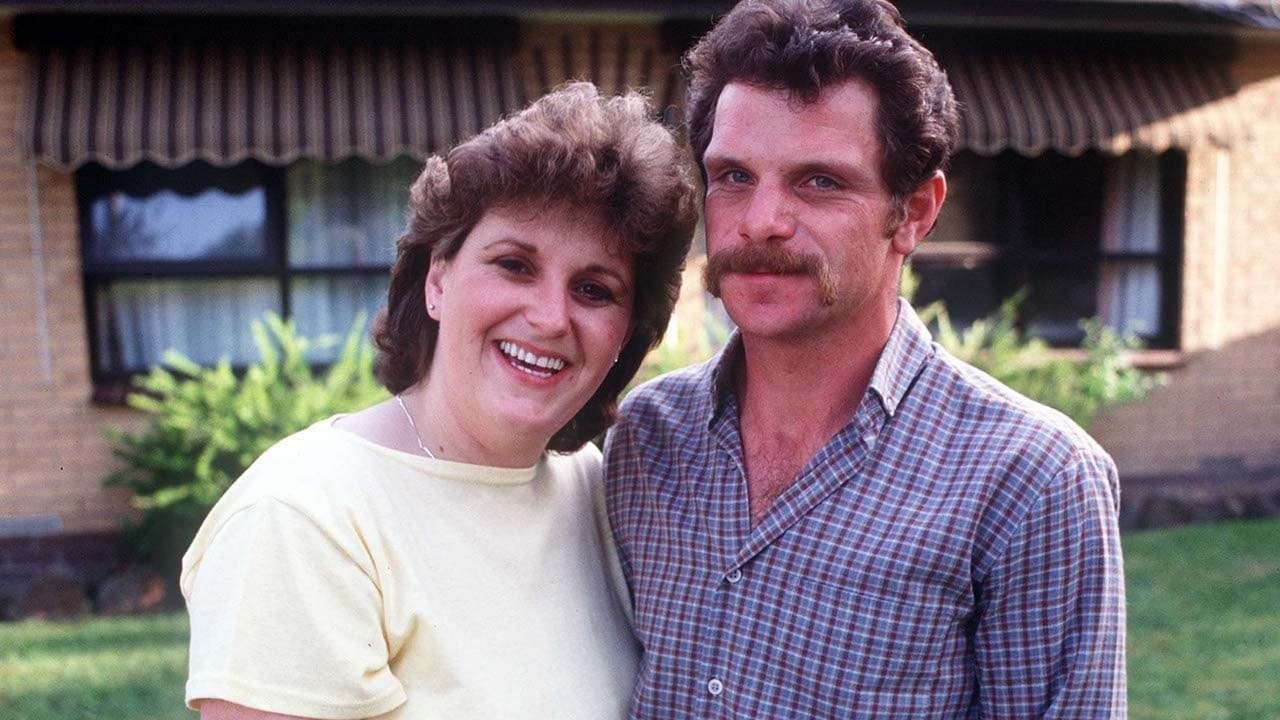
By 28 Up, the children are adults navigating careers, relationships, families, and the often messy business of figuring out who they are. The film intercuts footage from their previous appearances (at 7, 14, and 21) with their present-day interviews. This simple structure yields something incredibly powerful. We see the echoes of the child in the adult – a turn of phrase, a familiar expression, a recurring dream or ambition. We also witness the divergences, the unexpected turns, the weight of life experience settling onto once-youthful faces.
Life Laid Bare
There are no "performances" here in the traditional sense, yet the authenticity is gripping. We see individuals like Bruce Balden, the sensitive boarding school boy who pursued teaching in London's East End and later Bangladesh, wrestling with idealism and practicality. There's Symon Basterfield, who spoke poignantly of wanting to be a father at seven, now navigating divorce and co-parenting. Jacqueline Bassett, Sue Davis, and Lynn Johnson, friends from London's East End, offer candid insights into working-class life, marriage, and motherhood, challenging some of the assumptions made about them earlier.
Perhaps most famously, there's Neil Hughes. His journey from a bright Liverpool child dreaming of being an astronaut or coach driver, through dropping out of university at 21, to arriving at 28 homeless and wandering Scotland, is deeply affecting. His vulnerability and intellectual searching, even amidst profound struggles, make his segments almost unbearably poignant. What does it mean to watch someone's life seemingly unravel on screen? It forces questions about societal support, mental health, and the sheer unpredictability of life's path.
More Than Just Check-Ins
Apted's genius lies not just in his dedication to the decades-long project, but in his unobtrusive interviewing style. He allows his subjects space, revisiting themes from their past without judgment, letting their own words paint the picture. The editing, weaving past and present, is crucial. It highlights continuity and change, dreams realized and deferred. Seeing the 7-year-old declare a future ambition juxtaposed with the 28-year-old's reality can be funny, heartbreaking, or deeply inspiring, often all at once.
Interestingly, the project itself became a factor in their lives. By 28 Up, the participants are aware of their recurring role in this public chronicle. Some embrace it, others seem wary, and a few even opted out temporarily over the years (like Charles Furneaux and John Brisby around this period, though their earlier footage is still used). This awareness adds another layer: how does being observed shape the life being lived?
The Weight of Time
28 Up isn't about flashy effects or intricate plots. Its power lies in its profound simplicity and the cumulative weight of time observed. It's a film that prompts deep reflection on our own lives – the choices made, the paths taken and not taken, the enduring influence of childhood, and the surprising ways people grow and change (or don't). It’s a potent reminder that class and opportunity, the original themes, still cast long shadows, even as individual agency and resilience shine through.
Did we rent this expecting escapism back in the 80s? Probably not. But encountering 28 Up was, for many, an unexpected encounter with something far more lasting. It felt important then, and watching it now, knowing the series continued for decades more (up to 63 Up in 2019 before Apted's passing in 2021), its significance only deepens. It stands as a monumental achievement in documentary filmmaking, a longitudinal study that became a mirror reflecting the universal human journey.
Rating: 9/10
This score reflects the film's unique power, its profound humanism, and its enduring significance as part of an unparalleled documentary project. It's not entertainment in the conventional sense, but its impact is undeniable. The occasional feeling of voyeurism and the inherent limitations of representing complex lives in brief segments slightly temper a perfect score, but its achievement remains immense. 28 Up doesn't just show lives unfolding; it invites us to consider the very fabric of time, choice, and circumstance that shapes us all. What will the next seven years bring? The question lingers long after the credits roll, both for them and for ourselves.