Alright, fellow tapeheads, dim the lights, maybe adjust the tracking just a hair, and settle in. Tonight, we're cracking open the plastic clamshell on a film that baffled some upon release but became a true VHS legend: 1985's Clue. Forget trying to guess whodunit before the movie starts; the real mystery back then was which ending your local cinema was actually showing! It was a gamble, a gimmick, and honestly, pure chaotic genius that found its perfect home on replayable, pause-able, glorious videotape.
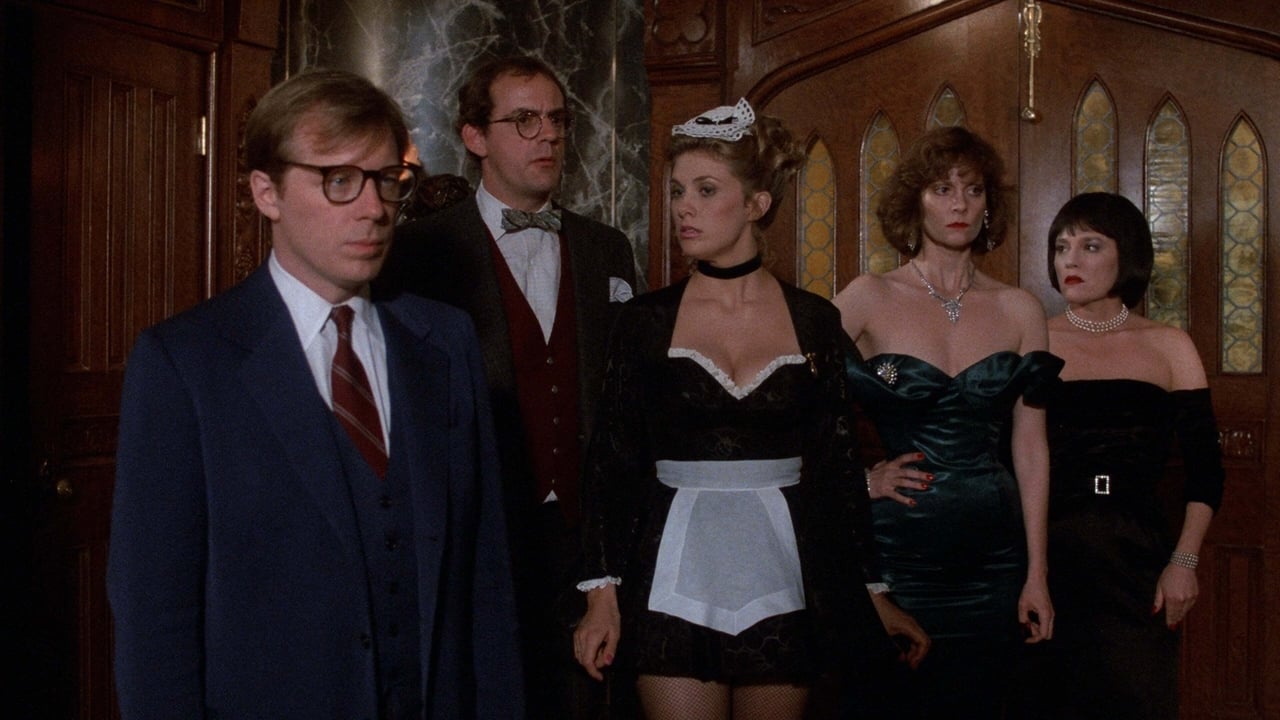
Based on the Parker Brothers board game we all spilled soda on, Clue takes a premise that sounds like a quick cash-grab and elevates it into a masterclass of ensemble comedy and tightly wound farce. Directed by Jonathan Lynn (who would later give us My Cousin Vinny (1992), and whose sharp wit was honed writing for the brilliant British series Yes Minister), with a story assist from John Landis (An American Werewolf in London (1981)), the film understands that the how and the why are just as important, and infinitely funnier, than the who.
A Dark and Stormy Invitation
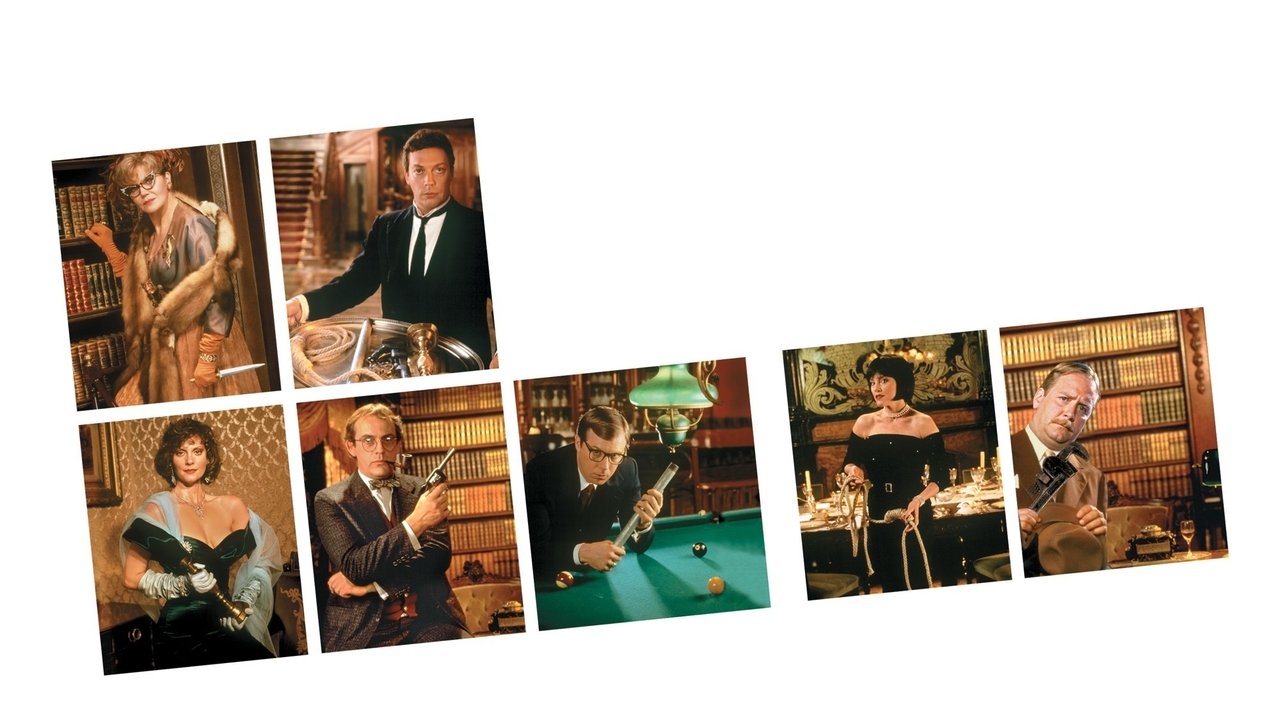
The setup is elegantly simple, mirroring the game: six strangers, all concealing secrets and known only by colorful pseudonyms (sound familiar?), are summoned to a gothic New England mansion on a treacherous night in 1954. They're met by the hyper-efficient, slightly unnerving butler, Wadsworth, played with astonishing verbal and physical dexterity by Tim Curry. Curry doesn't just deliver lines; he launches them like comic missiles, his rubber-faced expressions and darting eyes anchoring the escalating madness. His breathless recap of the evening's events near the film's climax is a feat of controlled chaos that remains utterly mesmerizing.
Murder by Committee
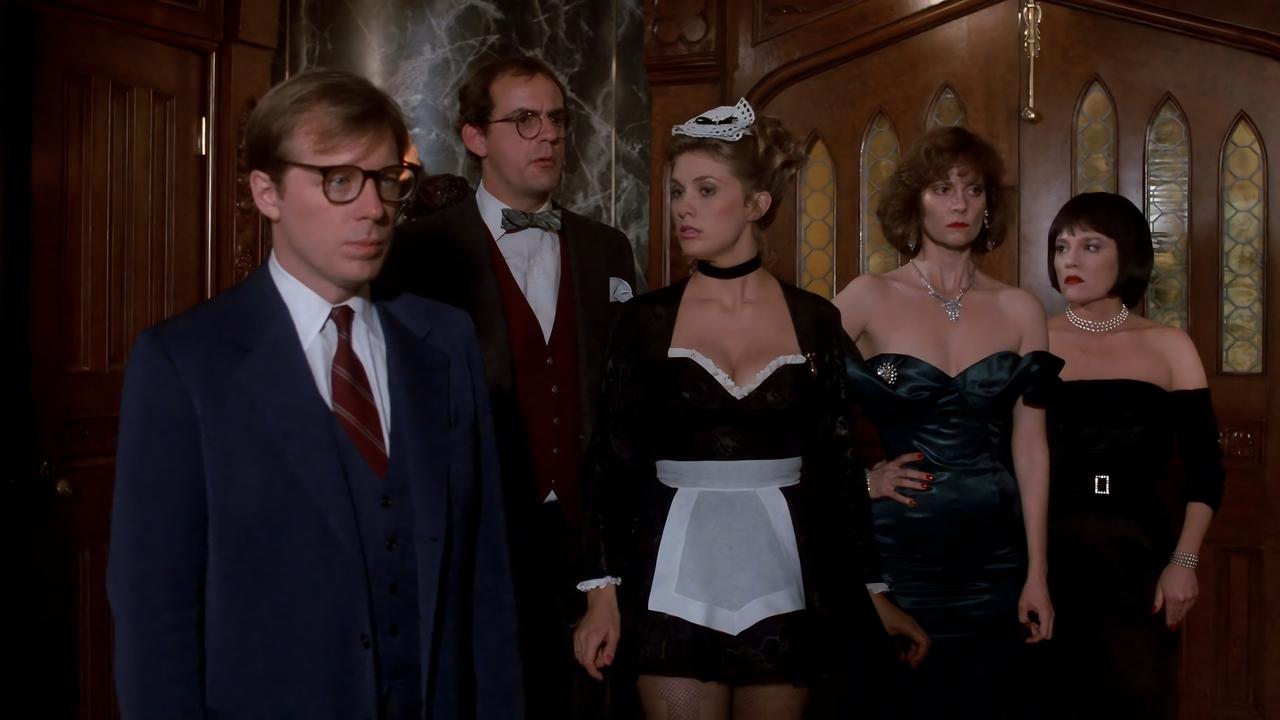
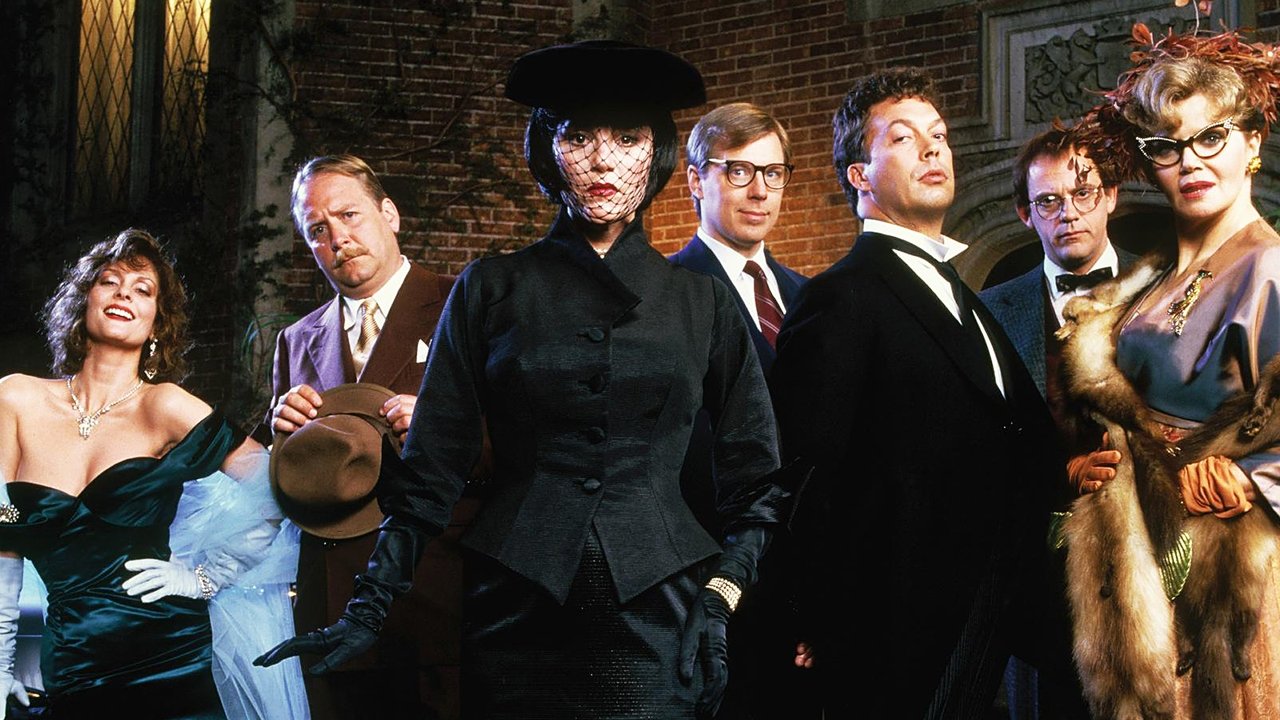
But oh, that ensemble! Clue is stacked with comedic heavyweights firing on all cylinders. Madeline Kahn as the perpetually flustered Mrs. White is sublime, delivering lines with a dry wit that could curdle milk. Fun fact: Her legendary "flames... flames, on the side of my face..." monologue about her hatred for Yvette the maid was reportedly improvised on the spot, a moment of pure comedic brilliance. Then there's the sputtering indignation of Eileen Brennan as Mrs. Peacock, the pompous absurdity of Martin Mull as Colonel Mustard, the slinky cynicism of Lesley Ann Warren as Miss Scarlet, the awkward charm of Michael McKean as Mr. Green, and the wonderfully lecherous Christopher Lloyd (just a year before Back to the Future) as Professor Plum. Each actor carves out a distinct, hilarious persona, bouncing off each other with perfect timing. Watching them navigate the mansion's secret passages and mounting body count is like witnessing a perfectly orchestrated Marx Brothers routine, albeit with more murder weapons.
The House Always Wins
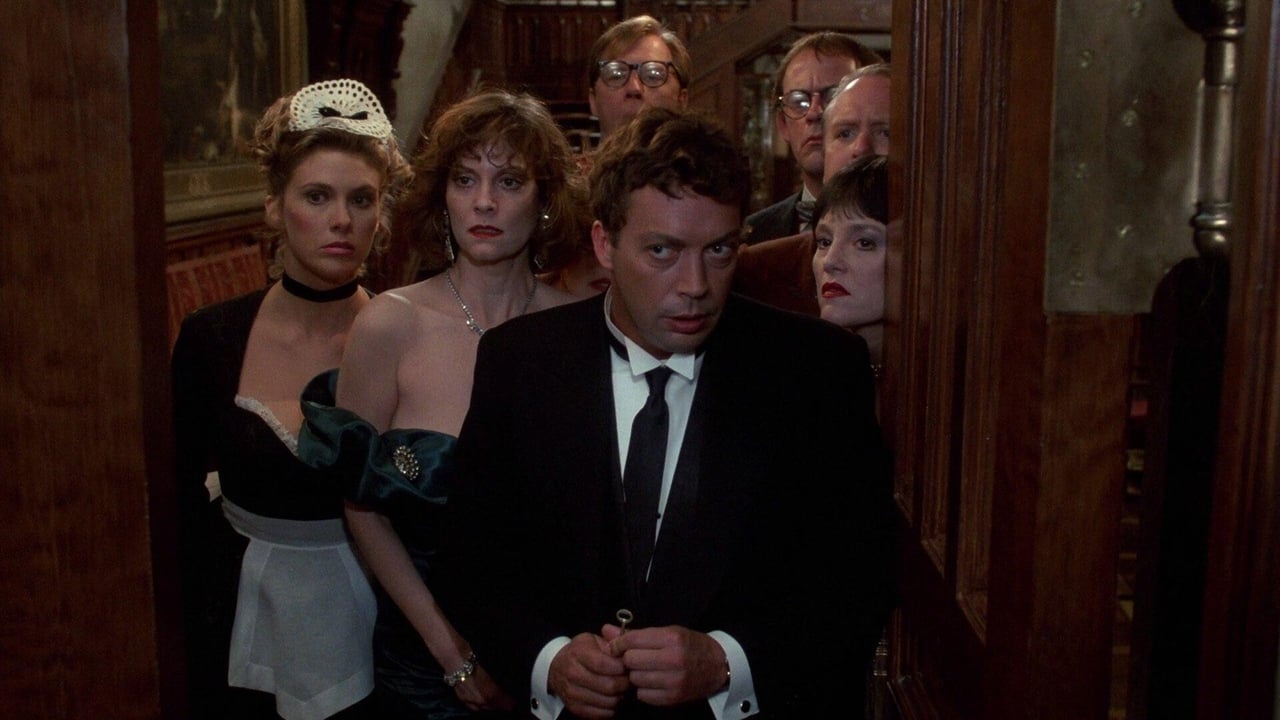
The mansion itself, constructed entirely on Stage 18 at Paramount Studios (the same stage where parts of Rear Window (1954) and Breakfast at Tiffany's (1961) were filmed!), becomes another character. The filmmakers lovingly recreated the iconic rooms from the board game – the Study, the Library, the Billiard Room, the Conservatory – complete with those oh-so-convenient secret passages that facilitate maximum farcical confusion. The production design nails the spooky-yet-slightly-campy atmosphere, a perfect backdrop for the dark comedy unfolding within its walls. It feels tangible, real, in a way green screens rarely capture today. You can almost smell the dusty velvet and old wood polish through the CRT static.
The End(s) of the Story
Of course, the film's most famous calling card is its multiple endings. Initially, Paramount shipped prints with one of three possible conclusions (labeled A, B, or C) to different theaters, hoping word-of-mouth about the gimmick would drive ticket sales. The tagline was "It's not just a movie, it's a race to see it three times!" It... didn't quite work. The film was a box office disappointment, grossing around $14.6 million against a similar budget. Critics were mixed, some finding the gimmick confusing or unsatisfying. But then came home video. The VHS release crucially included all three endings sequentially, transforming the film from a theatrical puzzle box into a perfectly packaged cult object. Suddenly, you could debate the merits of each scenario with friends, rewind Tim Curry's manic explanations, and appreciate the cleverness of how the same clues could lead to different culprits. Wasn't that discovery on VHS part of the magic? It felt like unlocking a secret level.
Verdict:
Clue is a whirlwind of sharp dialogue, brilliant physical comedy, and inspired performances. It takes a simple board game concept and spins it into a unique cinematic experience that perfectly blends mystery and farce. The ensemble cast is simply legendary, each member contributing indelible moments. While its theatrical gimmick might have initially backfired, the film found its true calling on VHS, becoming a beloved staple for sleepovers and late-night viewings. It’s a testament to witty writing, impeccable comedic timing, and the enduring fun of a good old-fashioned whodunit… or three.
Rating: 9/10 – A near-perfect ensemble comedy whose unique structure and rapid-fire wit only improved with the advent of home video replay.
Final Take: Forget CGI de-aging; Clue proves that the best special effect is often just Tim Curry running frantically down a hallway, fueled by pure comedic adrenaline. A timeless riot.