Some tapes carried whispers with them, heavier than the plastic casing itself. They circulated in the shadowy corners of video stores or through mail-order lists printed on cheap paper, promising something forbidden, something real. Few tapes embodied this dark allure more potently than 1985's Guinea Pig: Devil's Experiment (ギニーピッグ 悪魔の実験, Ginī Piggu: Akuma no Jikken). This wasn't a film you stumbled upon lightly; it was sought out, often dared, fueled by rumors that blurred the line between brutal fiction and something far more sinister.

The premise is sickeningly simple, presented with a chilling lack of narrative fanfare. We witness three men systematically torture a captive woman. There's no discernible plot beyond the escalation of cruelty, no character development, just the cold, detached observation of calculated abuse. Director Satoru Ogura, working from concepts by infamous horror manga artist Hideshi Hino, strips away cinematic artifice. The grainy, shot-on-video look, the stark lighting, the absence of a traditional score – it all conspires to create an atmosphere not of entertainment, but of grim documentation. This was its terrifying power on a flickering CRT screen in a dimly lit room: it felt illicit.
The Illusion of Reality
The film's enduring legacy is inextricably tied to its gruesome practical effects and the urban legends they spawned. Let's be blunt: the simulated violence is the entire point. The effects team, reportedly guided by Hideshi Hino himself, aimed for a level of visceral realism rarely attempted, depicting acts of punching, kicking, burning, and worse with unflinching detail. Back in the heyday of VHS, where special effects often had a charmingly handmade quality, the sheer graphic nature here felt disturbingly plausible to many viewers. Does it hold up perfectly under modern scrutiny? Perhaps not pixel-perfectly, but the low-fidelity recording medium ironically enhances the illusion, masking seams and lending a raw immediacy that high definition might betray. Remember how convincing some of those 80s gore gags seemed before digital cleanup became the norm? This film weaponized that lo-fi aesthetic.
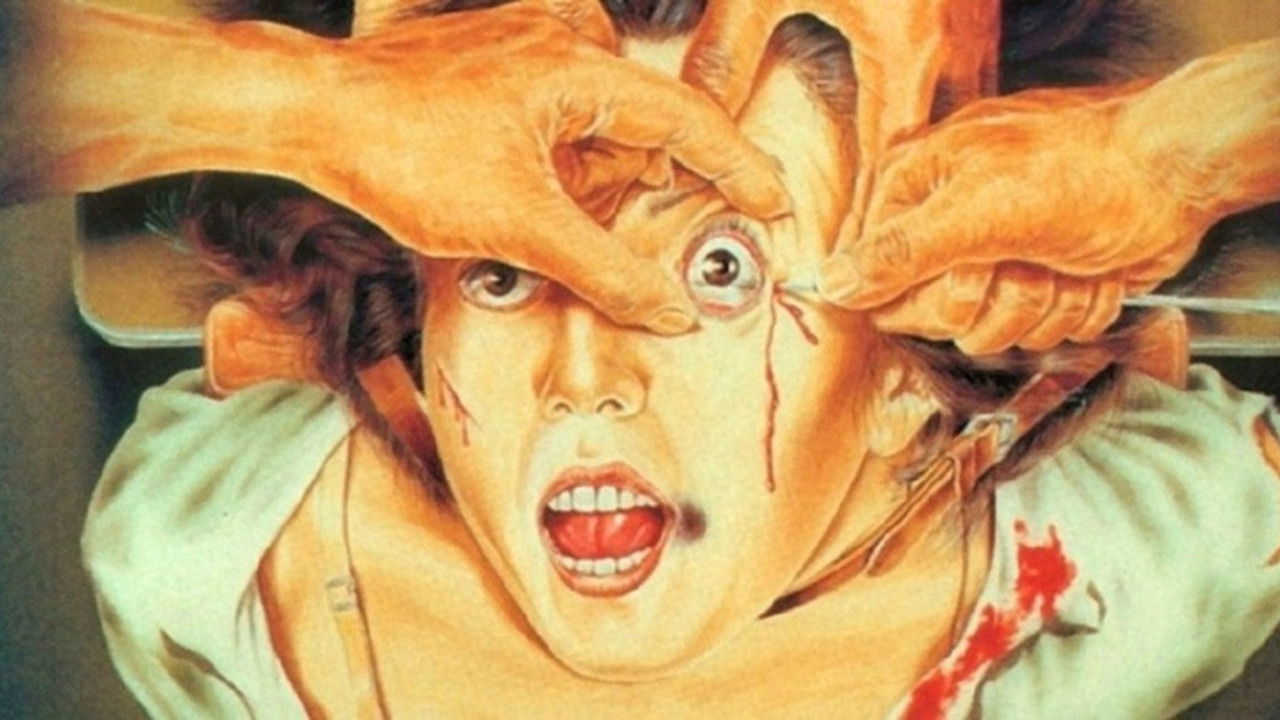
This perceived realism wasn't just idle chat among horror fans. The most famous story, now practically legend, involves actor Charlie Sheen. Reportedly, upon viewing a copy in the late 80s or early 90s, he was so convinced he’d witnessed an actual snuff film that he contacted the MPAA, who in turn notified the FBI. An investigation followed, requiring the filmmakers to produce documentation and behind-the-scenes footage demonstrating how the extreme effects were achieved. Imagine the chill of that – a piece of underground Japanese horror sparking a genuine federal inquiry in the US. It cemented Devil's Experiment's reputation as something dangerous, something potentially real, even after being debunked.
Beyond the Gore: Intent vs. Impact
Was Devil's Experiment intended as a serious exploration of violence, or merely provocative exploitation? It's a murky question. Released as the first in what would become the notorious Guinea Pig series, it tapped into a vein of extreme horror far removed from mainstream slashers. There's no catharsis, no final girl triumph, just bleak endurance. The perpetrators are faceless ciphers, their motivations unexplored, making their cruelty feel random and terrifyingly mundane. The victim’s suffering is the sole focus, pushing the viewer into uncomfortable complicity. Is it effective? Undeniably, in achieving its goal of pure revulsion and unease. Is it good filmmaking in any traditional sense? That's far more debatable.
The film lacks narrative structure, pacing relies solely on the escalation of torture, and performances are functional at best, designed not to elicit empathy but to serve the grim spectacle. It exists almost entirely as an exercise in special effects and boundary-pushing, a celluloid dare captured on videotape. For many who sought it out on grainy Nth-generation dubs, the appeal wasn't just the gore, but the transgression – watching something you perhaps weren't supposed to see. I distinctly remember the hushed tones people used when discussing this tape, the sense that merely possessing it felt vaguely illicit.
A Dark Corner of VHS History
Guinea Pig: Devil's Experiment isn't a film to be enjoyed in the conventional sense. It’s a historical artifact, a testament to the power of practical effects, and a chilling reminder of how easily the lines between fiction and reality could blur in the pre-internet age of underground tape trading. It represents a specific, extreme niche within the vast landscape of 80s horror, one concerned less with storytelling and more with visceral, gut-wrenching impact.
Rating: 3/10
Let's be clear about this score. As a piece of traditional cinema, it barely registers. The narrative is nonexistent, the character work nil, the direction purely functional towards its grim aim. However, its notoriety is undeniable, and the practical effects, for their time and context, were disturbingly effective enough to fool people (including federal investigators, allegedly). The score reflects its historical significance as a controversial touchstone and its raw, albeit repellent, power within the specific subgenre of extreme gore, rather than any conventional measure of quality. It achieved exactly what it set out to do: shock, disturb, and make you question what you were watching.
Devil's Experiment remains a deeply unpleasant watch, a relic from a time when VHS tapes could carry forbidden secrets and genuine unease. It’s not something I’d readily revisit, but its place in the darker annals of home video history, fueled by rumor and visceral effects, is undeniable. It's a stark reminder of how far some filmmakers were willing to push the envelope, long before the internet made extreme content readily accessible. Did this one ever cross your VCR's path back in the day?