Okay, fellow travellers of the video rental aisles! Settle back into that comfy armchair, maybe imagine the faint hum of a CRT nearby. Today, we're rewinding the tape to a truly unique animated marvel, one that might have seemed utterly alien if you stumbled upon it nestled between the usual Hollywood fare: 1981’s Soviet science-fiction gem, The Secret of the Third Planet (originally Tayna tretyey planety). This isn't your typical Saturday morning cartoon; it's a visually stunning, wonderfully imaginative journey that feels like diving headfirst into a surrealist painting teeming with cosmic wonders.
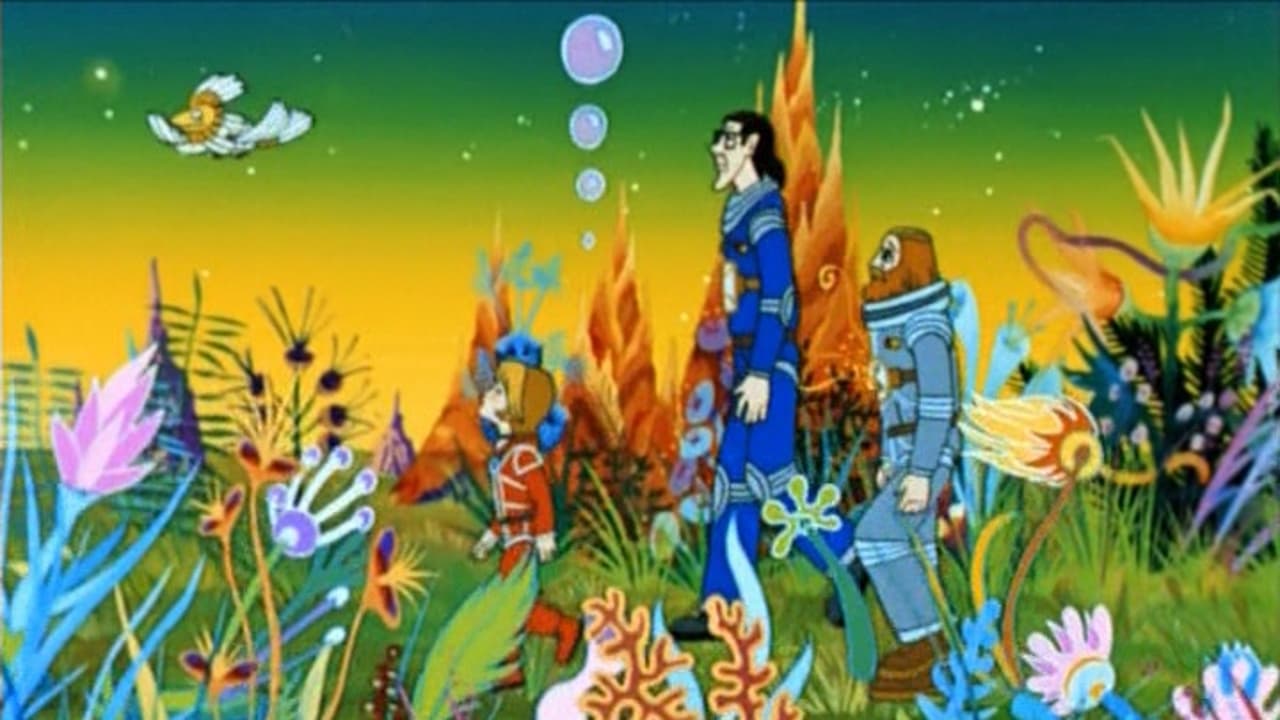
For many outside of Russia and Eastern Europe, discovering this film felt like unearthing a hidden treasure. Its aesthetic is instantly striking – a vibrant, almost psychedelic palette bringing to life bizarre flora, fauna, and starscapes that feel genuinely otherworldly. Forget sterile spaceship corridors; this universe pulses with organic shapes and unexpected beauty, a testament to the incredible artistic vision driving the project.
A Trip to the Cosmic Zoo
Our guide on this interstellar safari is the curious and courageous young Alisa Selezneva (Olga Gromova providing her bright voice), daughter of the esteemed Professor Seleznyov (Vasiliy Livanov, whose resonant voice is instantly recognizable to fans of Soviet cinema as the definitive Sherlock Holmes!). They embark on a mission aboard the spaceship Pegas, helmed by the perpetually grumpy but ultimately good-hearted Captain Zelyonyy (Yuriy Volyntsev), their goal: to collect rare animals for the Moscow Zoo. Simple enough, right? But what starts as a procurement trip quickly spirals into a thrilling mystery involving space pirates, shape-shifting creatures, and the fate of two legendary space captains.
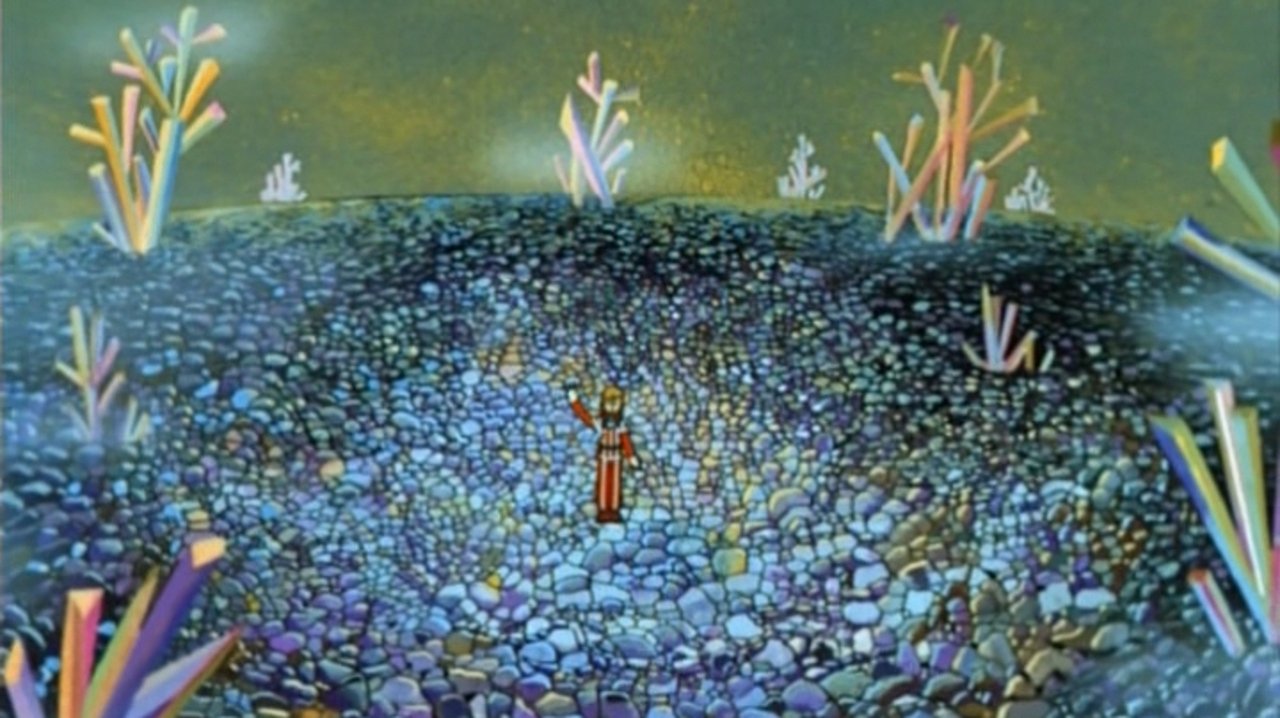
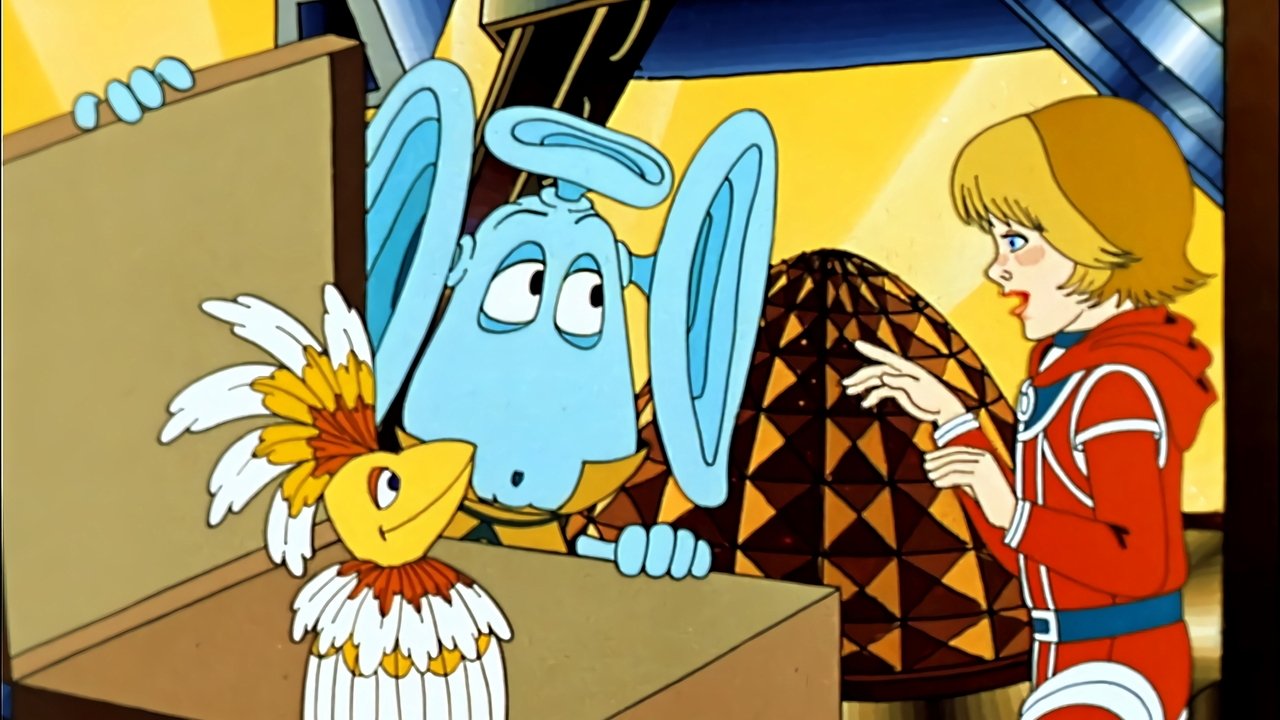
The plot unfolds with a sense of wide-eyed wonder. Each planet visited presents a new visual feast and a fresh set of challenges or peculiar inhabitants. Who could forget the Mirror flowers reflecting the past, or the enigmatic Bird-Talker (Govorun), a creature whose ability to mimic voices holds a crucial clue? It’s this constant inventiveness that keeps you glued to the screen, eager to see what bizarre marvel the animators will conjure up next.
Artistry from Behind the Curtain
Directed by Roman Kachanov, already beloved for his work on the Cheburashka animated shorts, The Secret of the Third Planet showcases a different side of his talent. Working from a script he co-wrote with Kir Bulychov (adapting Bulychov's own massively popular children's book "Alice's Travels," part of the enduring Alisa Selezneva series), Kachanov and his team crafted a film that feels both distinctly Russian and universally appealing. The character Alisa was, and remains, a phenomenon in her homeland – a smart, capable, and adventurous young heroine who captured the imaginations of generations.
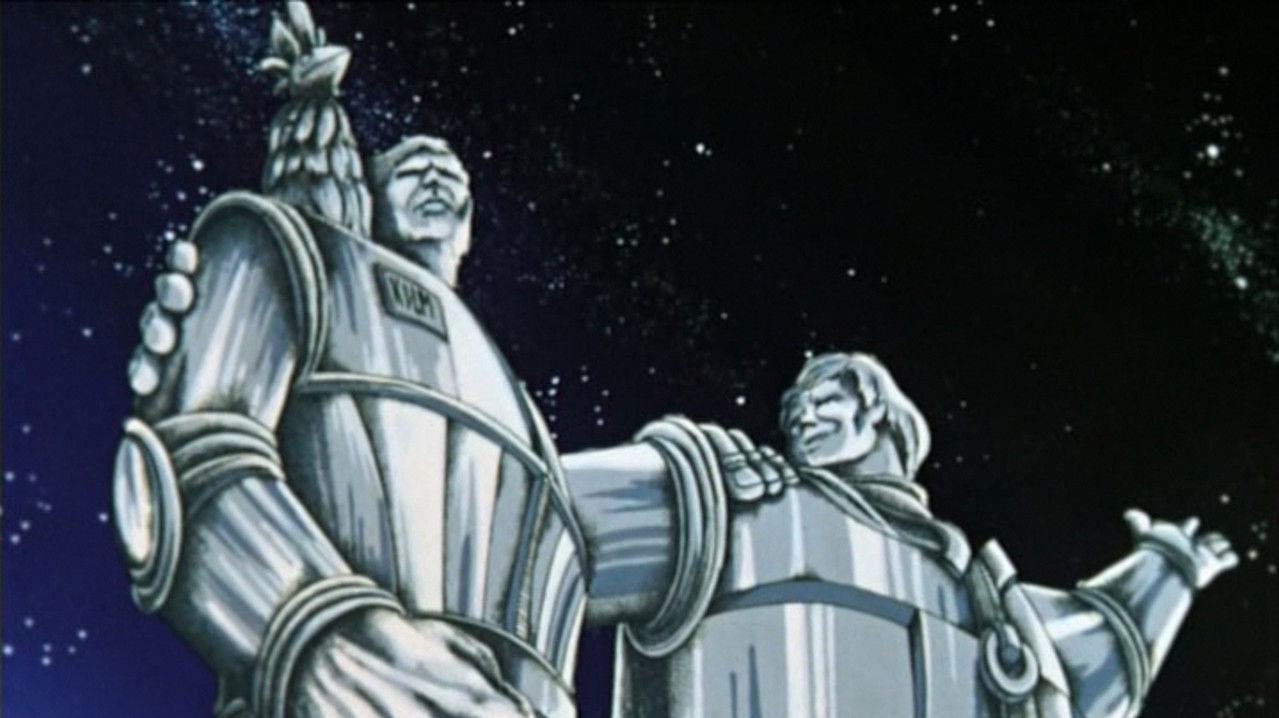
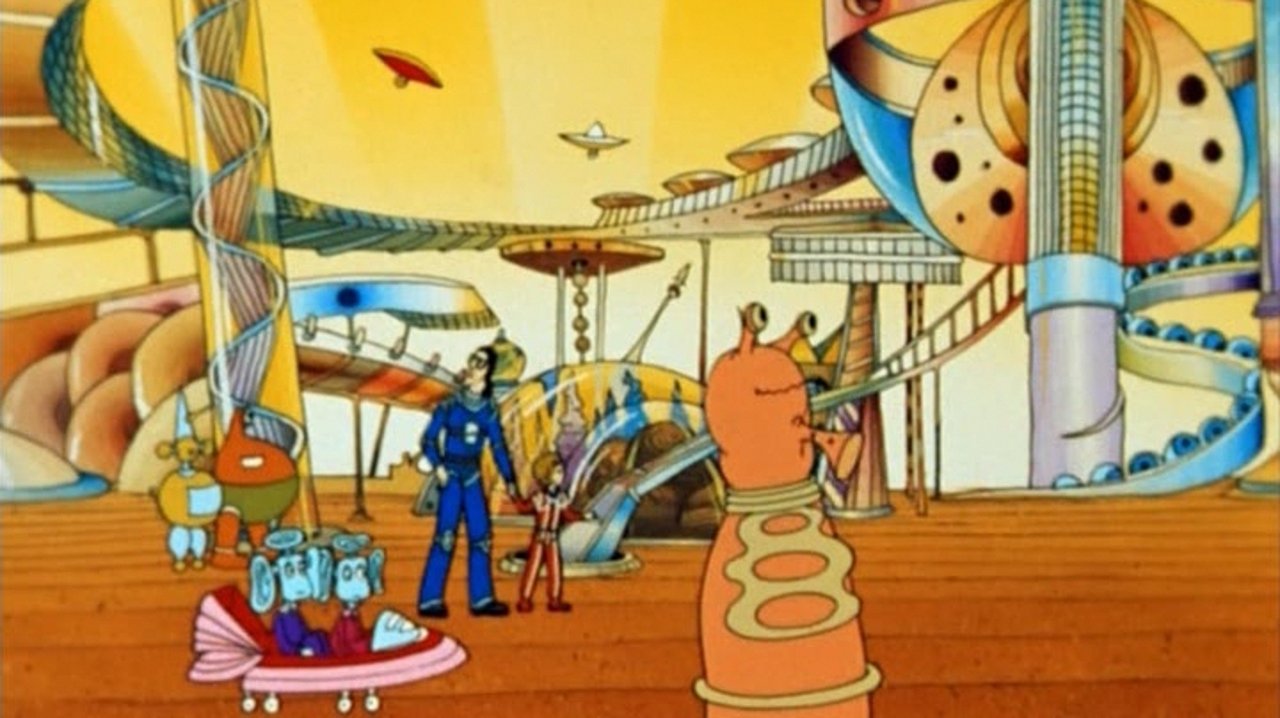
The film's standout feature, however, is undoubtedly its art direction, masterminded by Natalya Orlova. Her designs move beyond typical cartoon aesthetics, embracing a fluid, painterly style with echoes of Art Nouveau and surrealism. Characters possess a unique expressiveness, from Alisa’s inquisitive eyes to the hulking, multi-limbed archaeologist Gromozeka – a gentle giant who looks like something dredged from the depths of a particularly vivid dream. The animation itself, primarily traditional cel animation (though some moments possess a fluidity hinting at rotoscoping techniques for reference), brings this strange universe to life with grace and dynamism. It’s a visual style that has aged remarkably well, retaining its unique charm decades later.
Creatures, Clues, and Cosmic Charm
Part of the film's enduring appeal lies in its blend of adventure, mystery, and surprisingly touching moments. While there are chases and laser blasts (delivered with a certain Soviet flair), the core remains the relationships between the characters and the sheer joy of discovery. Alisa isn’t just tagging along; she’s often the one pushing the investigation forward, her bravery and quick thinking saving the day more than once. Professor Seleznyov provides the calm intellect, while Captain Zelyonyy offers relatable exasperation amidst the cosmic chaos.
And the creatures! From the diamond-shelled tortoises to the chattering indicators, each design feels thoughtfully weird. The film revels in its alien bestiary, making the quest for zoo animals feel like a genuinely exciting exploration rather than just a plot device. Adding another layer of atmosphere is the evocative electronic score by Aleksandr Zatsepin, whose melodies range from whimsical to suspenseful, perfectly complementing the on-screen visuals. Zatsepin was a prolific composer for Soviet film, and his distinctive sound is integral to the movie's identity.
A Cult Classic’s Orbit
While perhaps not a household name globally in the way of Disney or Ghibli, The Secret of the Third Planet holds a cherished place in animation history, particularly in Russia and former Soviet countries where Alisa is a cultural icon. Its influence can be seen in subsequent Russian animation, and for international viewers lucky enough to track down a copy (often via dubbed versions of varying quality on VHS back in the day, or more recently through restored releases), it remains a captivating example of animation's power to transport us to utterly unique worlds. Its legacy also includes other adaptations of Bulychov's Alisa stories, like the live-action miniseries Guest from the Future (1985), further cementing the character's popularity.
This film is a reminder that groundbreaking creativity flourished everywhere, even in places Western audiences might not have expected during the Cold War era. It’s a sci-fi adventure brimming with imagination, heart, and a visual style that refuses to be forgotten.
VHS Heaven Rating: 9/10
This score reflects the film's breathtaking artistic originality, its engaging characters, imaginative world-building, and its status as a beloved, enduring classic of non-Western animation. It's a near-perfect slice of animated sci-fi wonder, losing perhaps only a sliver for pacing that occasionally meanders slightly by modern hyper-speed standards, but its visual feast and charm more than compensate.
For anyone yearning for animation that dares to be different, that paints its universe with bold, beautiful strokes, The Secret of the Third Planet is a journey well worth taking. It’s pure animated alchemy, a vibrant dream captured on celluloid (or, indeed, magnetic tape).