Okay, fellow tapeheads, dig this one out of the dusty cardboard box in your memory palace. Remember those nights wandering the aisles of the local video store, past the big Hollywood action flicks, past the horror section dripping with lurid covers, and landing on... something different? Maybe something with a slightly goofy cover, perhaps a title that made you chuckle, starring actors you sort of recognized from somewhere else? That's the vibe I get hit with whenever I think about Sergio Martino's 1981 Italian farce, Spaghetti at Midnight (or Spaghetti a mezzanotte for the purists). Yes, that Sergio Martino, the maestro behind stone-cold Giallo classics like The Strange Vice of Mrs. Wardh (1971) and the jungle nastiness of The Mountain of the Cannibal God (1978)! Finding his name attached to a domestic comedy felt like discovering your menacing Goth neighbour secretly loved knitting fluffy kittens – unexpected, slightly baffling, but undeniably intriguing.

### Not Your Usual Italian Horror Feast
Forget suspenseful tracking shots and black-gloved killers for a moment. Here, Martino swaps shadowy dread for brightly lit marital mayhem. The plot is pure frantic farce, revolving around Savino Lagrasta (Lino Banfi), a lawyer juggling a demanding wife, Celeste (Barbara Bouchet), and a fiery mistress, Elvira (Alida Chelli). Things escalate, as they always do in these things, leading to mistaken identities, slammed doors, near misses, and eventually... well, a rather inconvenient dead body that needs disposing of, preferably before the titular spaghetti gets cold. It's the kind of setup that powered countless stage plays and sitcoms, but given an energetic, distinctly Italian early-80s spin.
### The Banfi Bounce
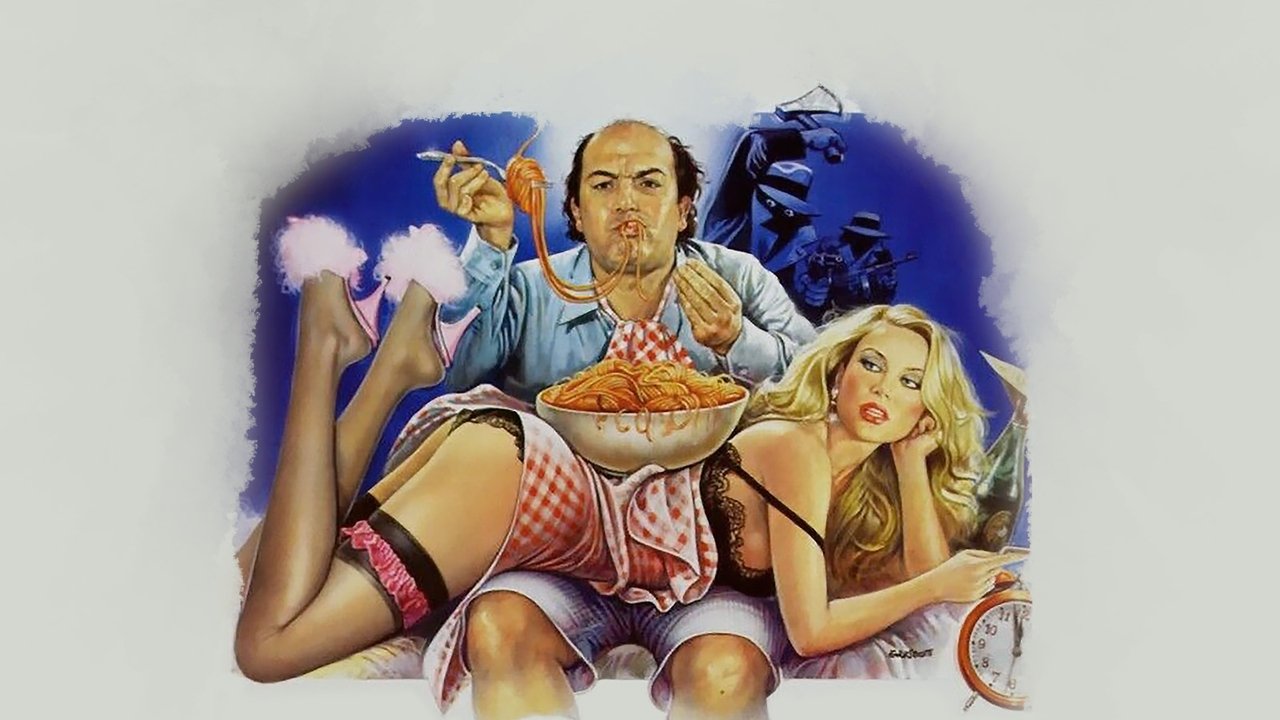
The engine driving this comedic jalopy is undoubtedly Lino Banfi. If you spent any time exploring the weirder corners of the VHS rental store's foreign section, you might have encountered Banfi – a titan of Italian comedy, famed for his expressive face, rapid-fire delivery (often in his native Pugliese dialect, though we usually got the dubbed versions), and boundless physical energy. In Spaghetti at Midnight, he's in fine form, mugging, gesticulating, and panicking his way through escalating disasters. It’s a performance that feels utterly of its time – broad, loud, and relying heavily on Banfi’s established persona. He'd already worked with Martino the previous year in Sugar, Honey and Pepper (Zucchero, miele e peperoncino), suggesting Martino wasn't just dipping a toe but perhaps enjoying a swim in comedic waters. Seeing Banfi try to nonchalantly hide a corpse wrapped in a carpet while navigating his complicated love life is the film's chaotic centrepiece.
### Giallo Queen Goes for Laughs
And then there’s Barbara Bouchet. Ah, Barbara Bouchet! An icon for anyone who appreciates Giallo cinema, having starred in multiple classics including Martino's own The Red Queen Kills Seven Times (1972) and Lucio Fulci's Don't Torture a Duckling (1972). Seeing her here, playing the exasperated, potentially vengeful wife, is a treat. She brings glamour and a sharp comedic timing that plays nicely against Banfi's buffoonery. It’s fun seeing her trade screams for sarcastic quips. Supporting player Alida Chelli also throws herself into the mix with gusto as the demanding mistress, completing the triangle of comic tension. Martino, surprisingly, keeps the pace relentless, borrowing perhaps some of the editing rhythm from his thrillers to heighten the comedic panic rather than suspense. You don't get the stylistic flourishes of his Gialli, but there's a workmanlike efficiency in how he sets up and pays off the gags.

### That Early 80s Italian Sheen
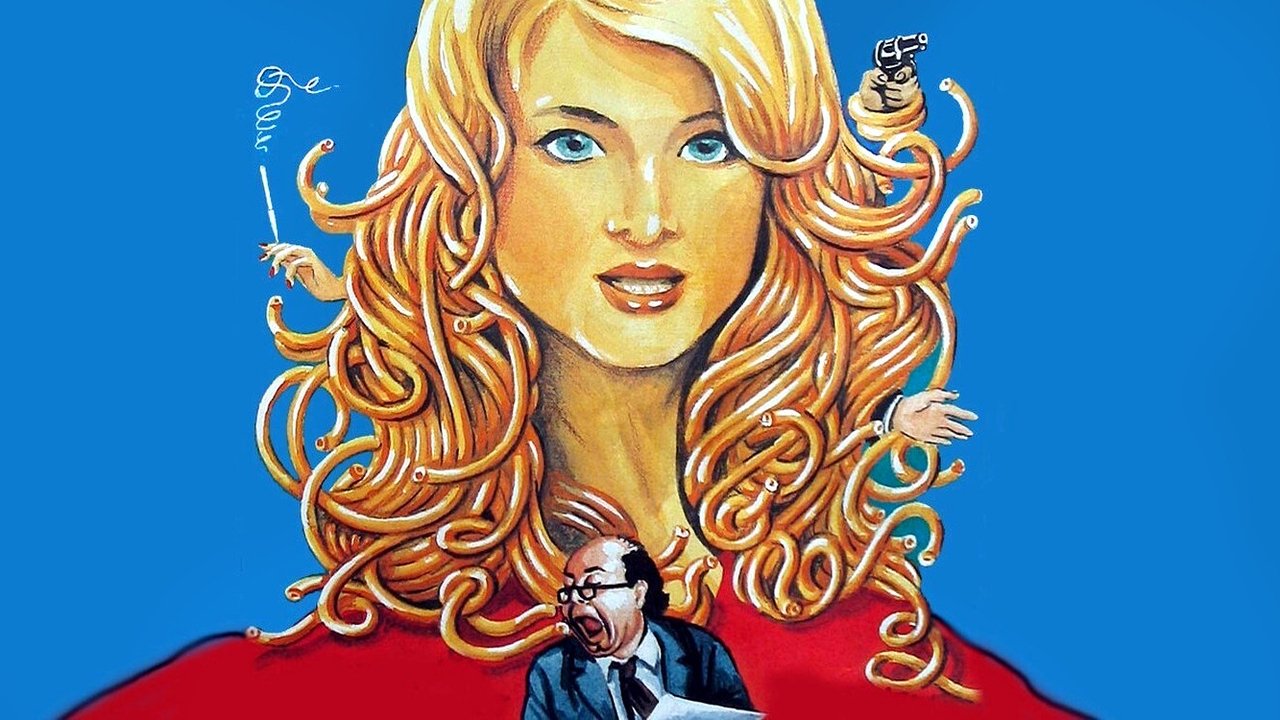
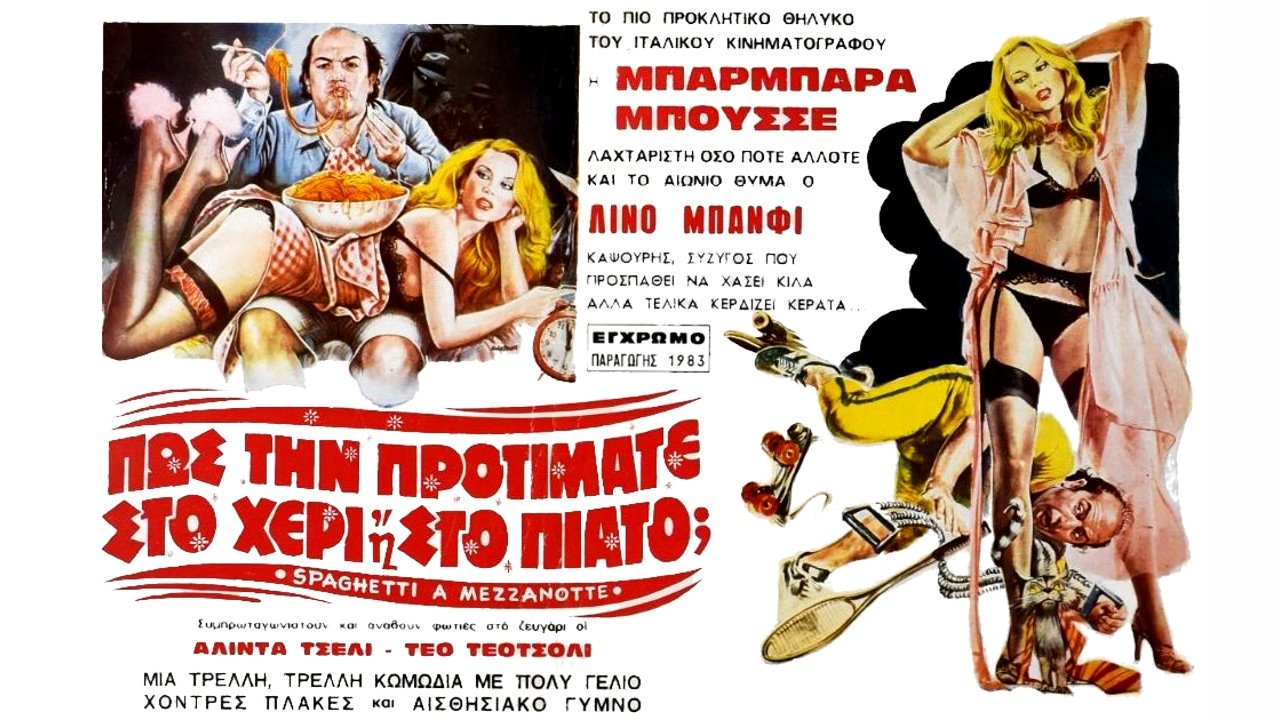
Watching Spaghetti at Midnight now is like opening a time capsule. The sets scream early 80s Italian middle-class aspirations, the fashion is a glorious riot of questionable patterns and silhouettes, and the whole thing has that slightly overlit, glossy look common to European comedies of the era. It’s part of the commedia sexy all'italiana wave – films often built around infidelity, attractive stars (check!), and farcical situations, usually with a dose of mild titillation (less overt here, thankfully). It’s a genre that burned brightly and quickly in Italian cinema. Finding reliable behind-the-scenes trivia for these specific Italian comedies can be tough, but it's known that Lino Banfi was churning out multiple films like this per year during this peak period, making him one of Italy's most bankable stars. These films were often shot quickly and efficiently to capitalize on his popularity. You can almost feel that hurried energy on screen.
Rating: 6/10
Justification: Look, this isn't high art, and it’s certainly not prime Sergio Martino for genre purists. The humour is broad, very Italian, and definitely dated in places. However, propelled by Lino Banfi's sheer comedic force and the novelty of seeing Martino and Barbara Bouchet tackle outright farce, it's an entertaining enough romp if you're in the mood for this specific flavour of retro silliness. It earns points for energy, curiosity value (Martino directing comedy!), and nailing the chaotic vibe of its subgenre. It's a perfect example of the kind of slightly baffling, energetic foreign comedy you might have stumbled upon on VHS – maybe not a masterpiece, but a memorable slice of its time.
Final Thought: Forget fine dining; Spaghetti at Midnight is the cinematic equivalent of a messy, late-night plate of pasta after a few too many limoncellos – chaotic, maybe a bit much, but undeniably full of flavour from a bygone era. Probably best enjoyed with the tracking slightly off.