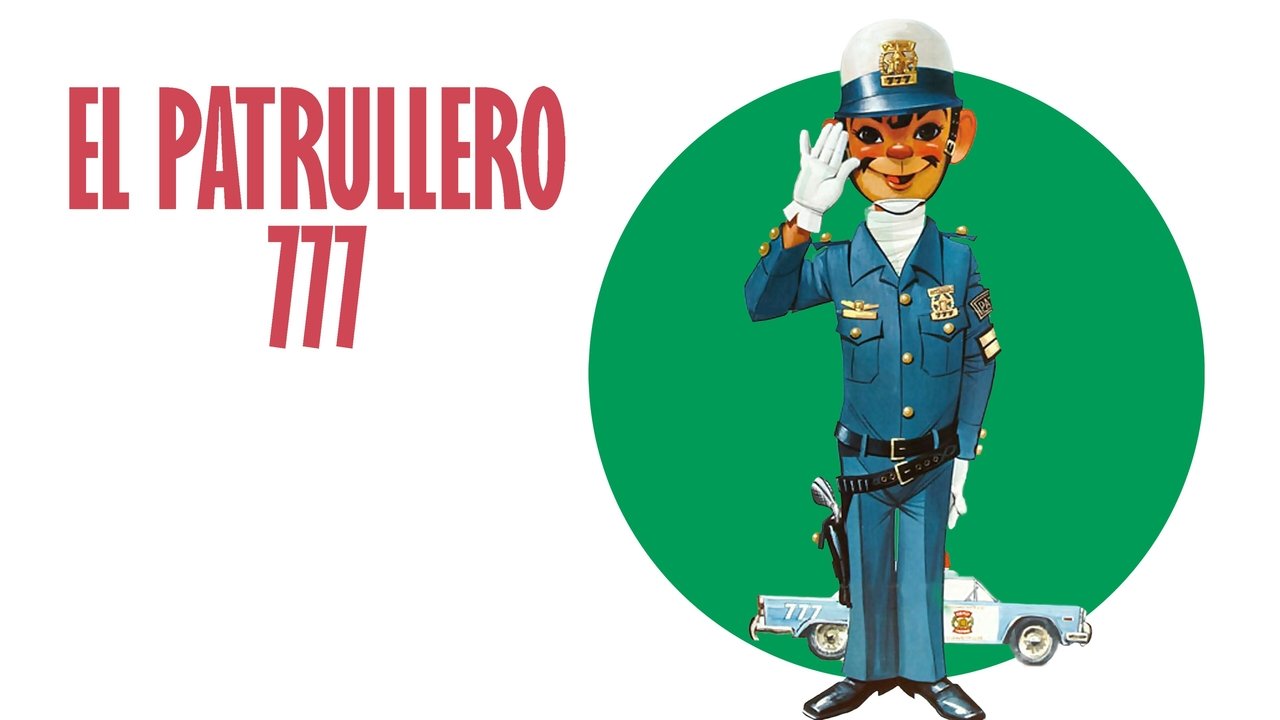
Alright team, settle in and adjust the tracking. Remember stumbling across those non-Hollywood gems in the video store? Tucked between the usual action heroes and horror slashers, sometimes you’d find something… different. Maybe a cover with a familiar, mischievous face peering out – the legendary Cantinflas. Finding El Patrullero 777 (or The Patrolman 777 if your local shop slapped an English sticker on it) from 1978 felt like that kind of discovery. It wasn't Stallone or Schwarzenegger, but it promised a unique blend of heart and humor, instantly recognizable to anyone familiar with the icon of Mexican cinema.
### The Beat Goes On
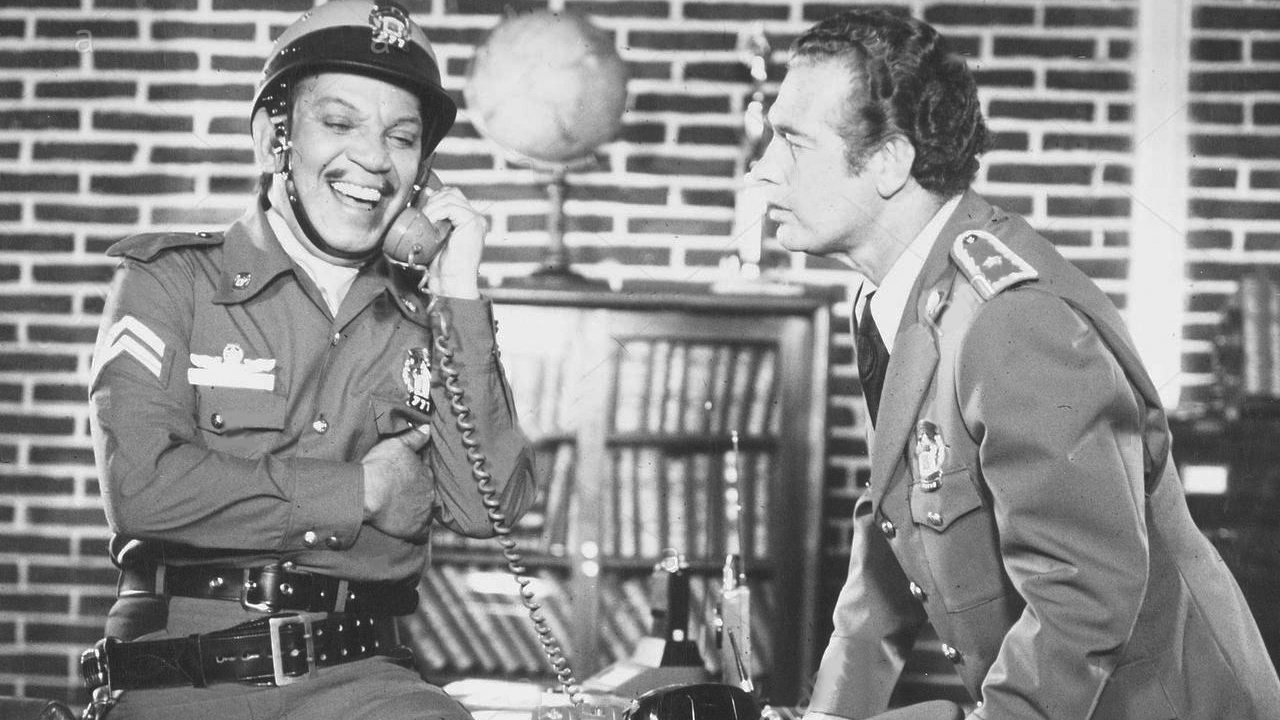
This isn't your typical guns-blazing cop flick. Forget gritty realism or explosive car chases (though there's a bit of vehicular mayhem). El Patrullero 777 follows Diógenes Bravo, played, of course, by Cantinflas himself (born Mario Moreno Reyes), an honest beat cop navigating the absurdity and occasional danger of Mexico City's streets. He’s Patrolman 777, a guy trying to do the right thing amidst petty thieves, bureaucratic nonsense, pompous superiors, and sometimes, genuine threats. It's classic Cantinflas: the fast-talking, double-talking pelado character – the underdog who uses bewildering wordplay and surprising moments of competence to get by – is still there, albeit a little older, perhaps a touch more world-weary than in his golden age films.
Directed by Miguel M. Delgado, who helmed a staggering number of Cantinflas vehicles (over 30 collaborations!), the film knows exactly what its audience wants: Cantinflas doing his thing. Delgado lets his star dominate the screen, setting up scenarios where Diógenes can unleash his signature verbal gymnastics (cantinflear, a term derived from his name, even entered the Spanish lexicon!) or stumble into heroic moments almost by accident. The plot is episodic, following Diógenes through various calls – resolving domestic disputes with baffling logic, dealing with arrogant politicians' kids, confronting drug dealers, and even delivering a baby.

### More Than Just Laughs
While the laughs are plentiful, there's a clear undercurrent of social commentary, a hallmark of Cantinflas's later work. The film doesn't shy away from depicting corruption within the force and the wider society, the wealth gap, or the daily struggles of ordinary people. Diógenes is the incorruptible soul swimming against the tide. It’s not subtle, mind you – the messages are delivered with the directness typical of the era – but it adds a layer of substance beneath the slapstick. Seeing this again, it’s striking how relevant some of those critiques still feel.
We also get solid support from familiar faces of Mexican cinema like Ana Bertha Lepe as the central romantic interest, and Valentin Trujillo adding some youthful energy. But let's be honest, this is Cantinflas's show through and through. It's fascinating to watch him in this later stage of his career; the physical comedy is slightly toned down compared to his 40s and 50s classics, but the verbal wit and that essential spark of human decency shine brighter than ever. Retro Fun Fact: This film was a significant box office success in Mexico upon release, proving Cantinflas's enduring appeal even towards the end of his cinematic run. It wasn't really aiming for international crossover, focusing squarely on the massive Latin American audience that adored him.

### The Look and Feel of the Era
Forget slick CGI or hyper-stylized action. El Patrullero 777 feels grounded, shot on location in what looks like late-70s Mexico City. The streets feel real, the cars are boxy, the uniforms look functional rather than designed for a movie poster. There's a certain authenticity to it, a snapshot of a time and place that adds to the nostalgic charm. Even the film stock has that slightly grainy, warm quality familiar from countless hours spent in front of a CRT screen. The practical elements – a minor scuffle, a car chase – feel endearingly low-key compared to Hollywood blockbusters of the time, but they serve the story perfectly. The focus isn't on spectacle, but on character and situation. Remember how sometimes the slightly rough-around-the-edges look of foreign films on VHS actually made them feel more real?
The film isn’t perfect. The pacing can feel a bit meandering, reflecting its episodic nature, and some comedic bits land better than others. Modern viewers unfamiliar with Cantinflas's specific comedic style might find the wordplay baffling (even native Spanish speakers sometimes joke about the delightful nonsense of cantinflear!). But for fans, or those willing to tune into its unique frequency, it’s a rewarding watch. Another Retro Fun Fact: Cantinflas was fiercely protective of his character's image as a man of the people; even as his films took on more social commentary, the core appeal of the clever, slightly bumbling but ultimately good-hearted hero remained paramount.
### The Final Verdict
El Patrullero 777 is a comforting, often funny, and surprisingly poignant late-career entry for one of cinema's true originals. It captures the essence of Cantinflas – the humor, the heart, the sly social critique – wrapped in the warm, slightly faded hues of late-70s filmmaking. It might not have the kinetic energy of an 80s actioner, but its charm is undeniable, especially if you have a soft spot for the star or enjoy discovering gems from beyond the Hollywood mainstream. It’s a perfect example of the kind of unique character piece you could happily stumble upon during a late-night video store run.
Rating: 7/10 - Justified by Cantinflas's still-potent charisma and comedic timing, the film's genuine heart, and its effective (if unsubtle) social commentary, balanced against slightly uneven pacing and humor that might be an acquired taste for some.
Final Thought: It’s a ride-along powered more by wit than horsepower, a reminder that sometimes the most effective weapon on the beat is a bewilderingly brilliant turn of phrase – classic Cantinflas, preserved on tape.