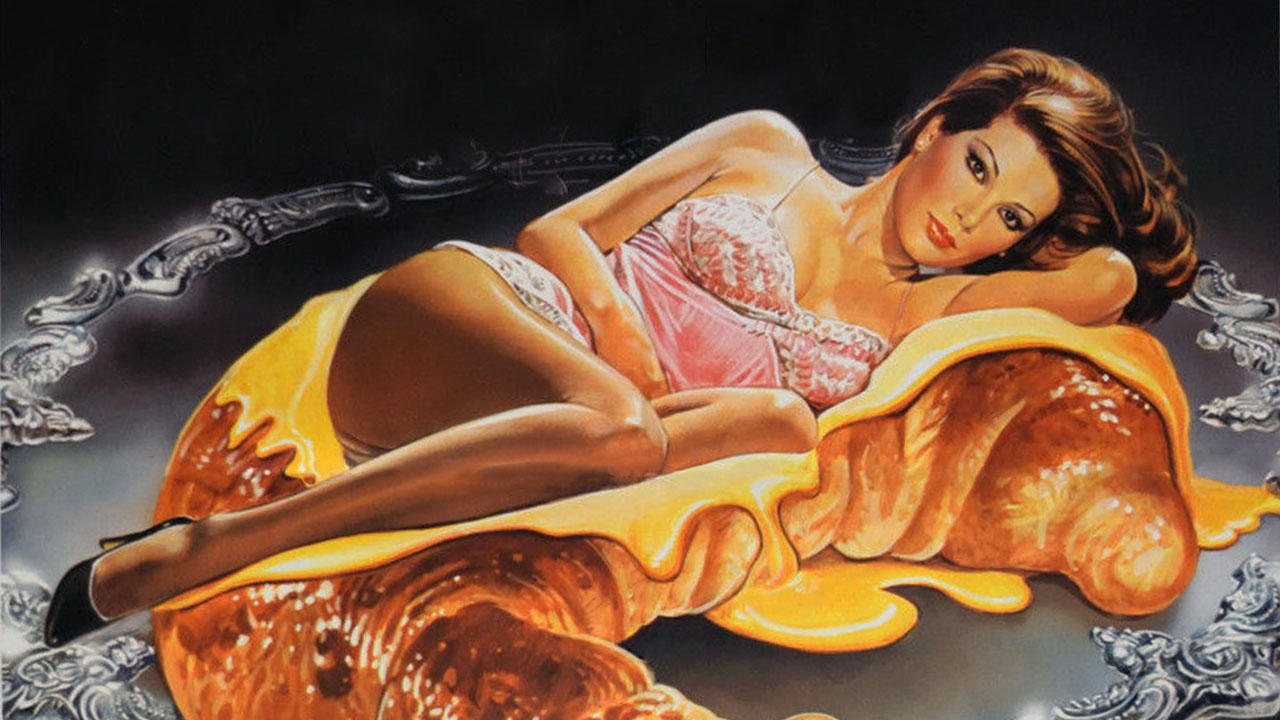
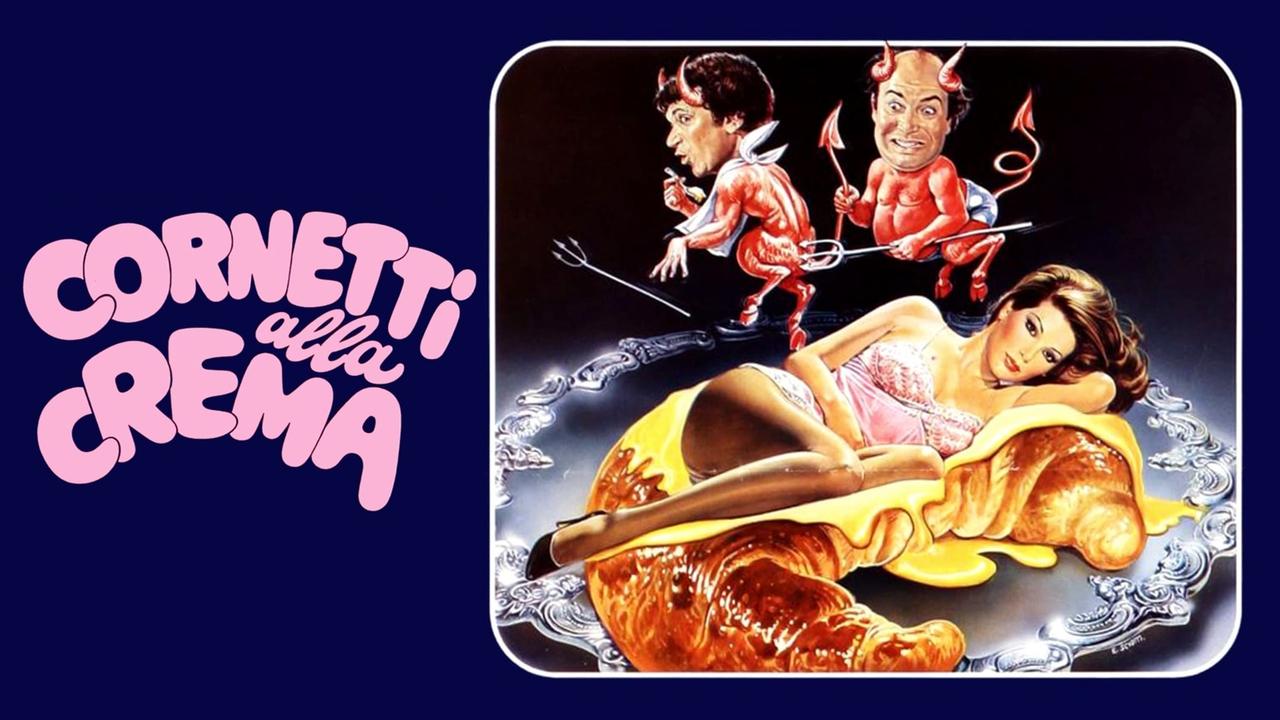
Okay, rewind time. Picture this: it's late, the local video store is about to close, and you're scanning the comedy section. Tucked between the familiar Hollywood fare, you spot a slightly worn tape with a distinctly European flair. The title? Cream Horn (or Cornetti alla crema, if you were lucky enough to snag an import). Maybe the cover art, likely featuring the legendary Ugo Tognazzi looking flustered, caught your eye. You take a gamble, and what unfolds on your flickering CRT screen is a prime example of that uniquely frantic, slightly naughty brand of Italian comedy that peppered the shelves back in 1981. This wasn't your slick American sitcom humour; this was something else entirely, brewed in Rome and served piping hot.
### Roman Holiday... of Deception
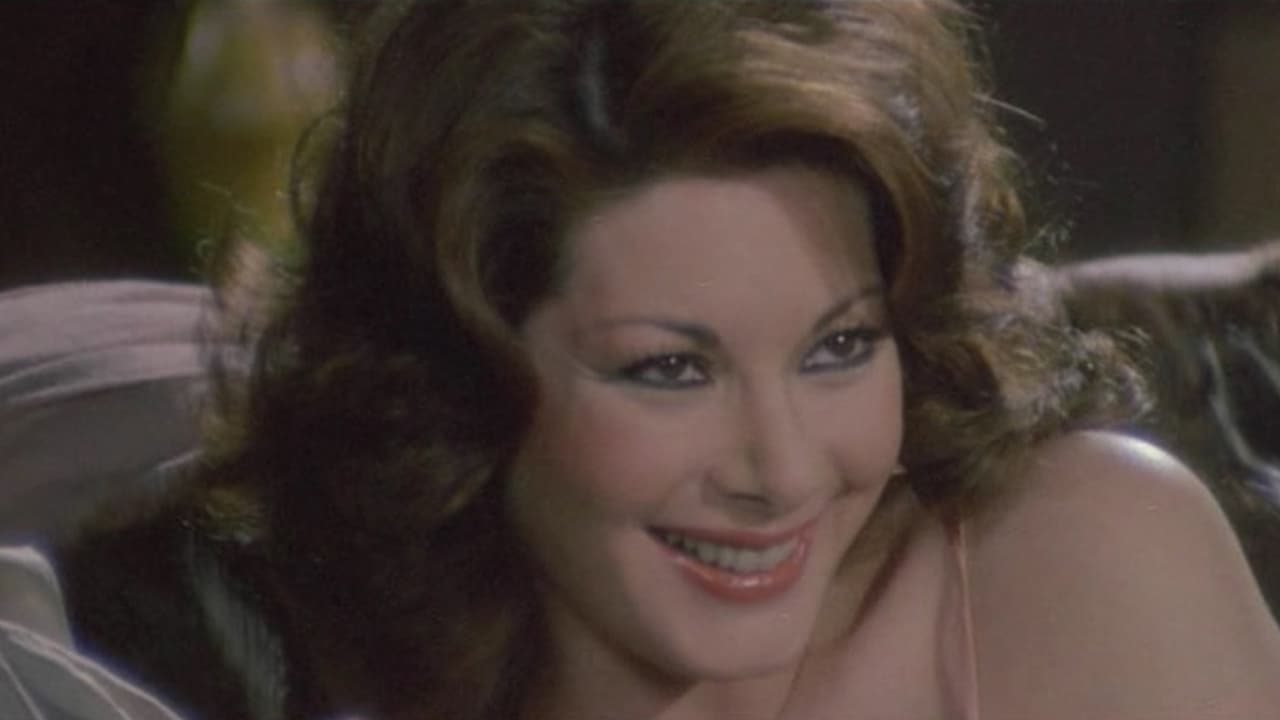
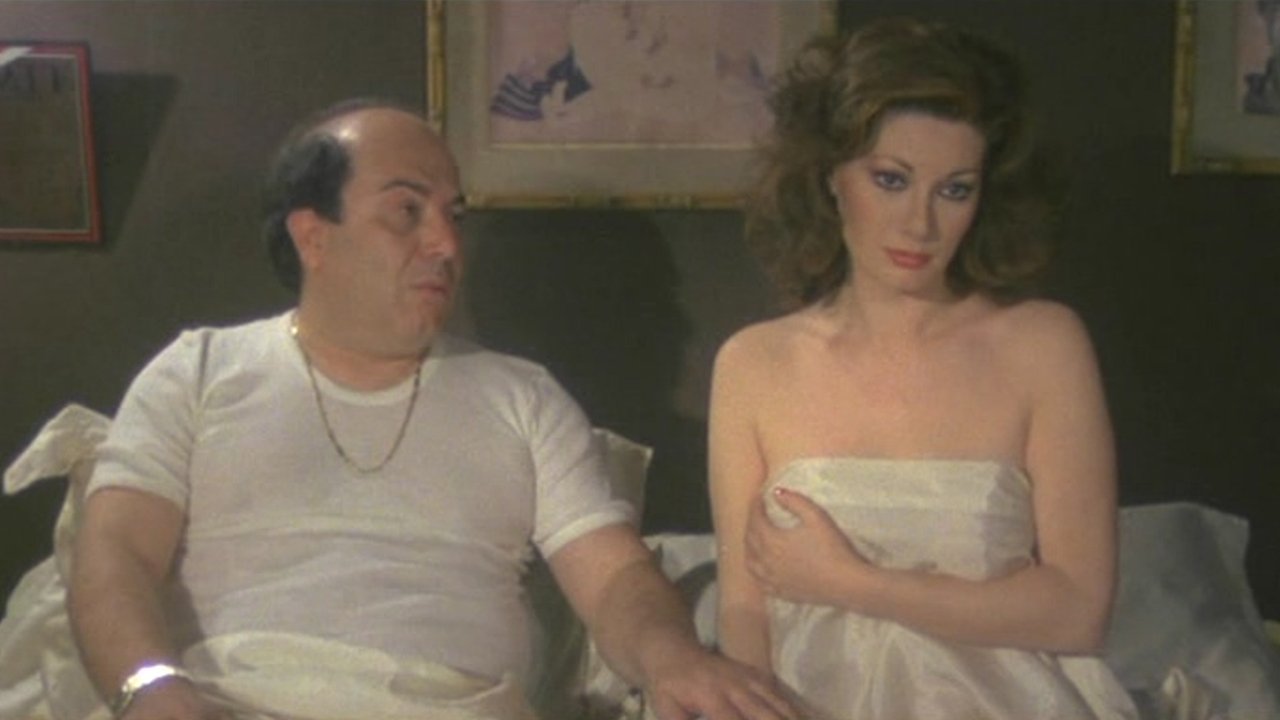
At its heart, Cream Horn is pure farce, a staple of the commedia sexy all'italiana genre that was hugely popular in Italy throughout the 70s and early 80s. We follow Domenico (the irreplaceable Ugo Tognazzi), a seemingly respectable tailor living a quiet life in Rome with his wife. Quiet, that is, until he spots his gorgeous new neighbour, Marianna, played by the striking Swedish actress Janet Agren (a familiar face to anyone who dabbled in Italian genre cinema of the era). Domenico, struck by lightning (or perhaps just mid-life crisis), concocts an elaborate lie, pretending to be a visiting bachelor, renting a nearby apartment solely for his amorous pursuits. What could possibly go wrong? Everything, naturally.
This is where the film finds its frantic energy. Tognazzi, a master of conveying simmering panic beneath a veneer of forced calm, is simply brilliant. Watching him juggle his real life, his fabricated identity, and the escalating suspicions of both his wife and Marianna's fiercely jealous (and utterly unhinged) boyfriend is the film's main engine. It's a performance built on perfect timing and expressive physicality – the kind of comedic acting that didn't rely on digital trickery, just pure skill honed over decades. Remember seeing Tognazzi in films like La Cage aux Folles (1978)? He brings that same incredible comedic presence here, grounding the absurdity.
### The Maestro of Mayhem Steps In
Adding fuel to the fire is the supporting role played by another titan of Italian comedy, Paolo Villaggio. Best known as the creator and star of the wildly successful Fantozzi film series, Villaggio pops up here as Marianna's ridiculously possessive partner. His character is a whirlwind of physical comedy and explosive reactions, a perfect counterpoint to Tognazzi's more internalised panic. The scenes featuring these two comedic giants together are gold, showcasing contrasting styles that somehow mesh perfectly within the film's chaotic framework. Apparently, putting Tognazzi and Villaggio, two massive box office draws, together was a significant event for Italian audiences back in '81, and you can see why – their chemistry crackles.
What makes Cream Horn particularly interesting for VHS Heaven connoisseurs, though, is the man behind the camera: Sergio Martino. Yes, that Sergio Martino, the director revered by genre fans for his stylish and often brutal gialli like The Strange Vice of Mrs. Wardh (1971) and Torso (1973), not to mention rough-and-tumble exploitation flicks. Seeing him tackle a light, breezy (well, mostly breezy) sex comedy feels like a fascinating detour. While you won't find the creeping dread of his thrillers, Martino brings a certain efficiency and visual clarity to the proceedings. He knows how to stage the escalating chaos for maximum comedic impact, keeping the pace brisk and the misunderstandings piling up like laundry in Domenico's secret flat. It’s a testament to Martino’s versatility that he could shift gears so effectively, even if just for a period in his career.
### That 80s Italian Charm (and Cheese)
Let's be honest, watching Cream Horn today requires adjusting your settings to "Early 80s European Comedy Mode." The plot relies heavily on misunderstandings that could be solved with a single honest conversation (or, you know, a mobile phone, but where's the fun in that?). The gender politics are definitely of their time, with Janet Agren's character primarily serving as the beautiful object of desire, a common trope in the commedia sexy. Yet, there's an undeniable charm to it all. The locations feel authentically Roman, the fashion is gloriously dated, and the whole enterprise has a sort of naive, slightly cheeky energy that's hard to dislike.
The comedy itself is broad, relying on slammed doors, mistaken identities, near misses, and Tognazzi's increasingly desperate attempts to keep his worlds from colliding. There are no complex digital effects here, just actors hitting their marks, delivering lines with gusto, and throwing themselves into the physical demands of farce. Remember how satisfying those intricate, real-world comedic set pieces felt before CGI could smooth every edge? Cream Horn delivers that in spades. It might not be sophisticated, but it’s often genuinely funny, thanks largely to its stellar cast.
Overall:
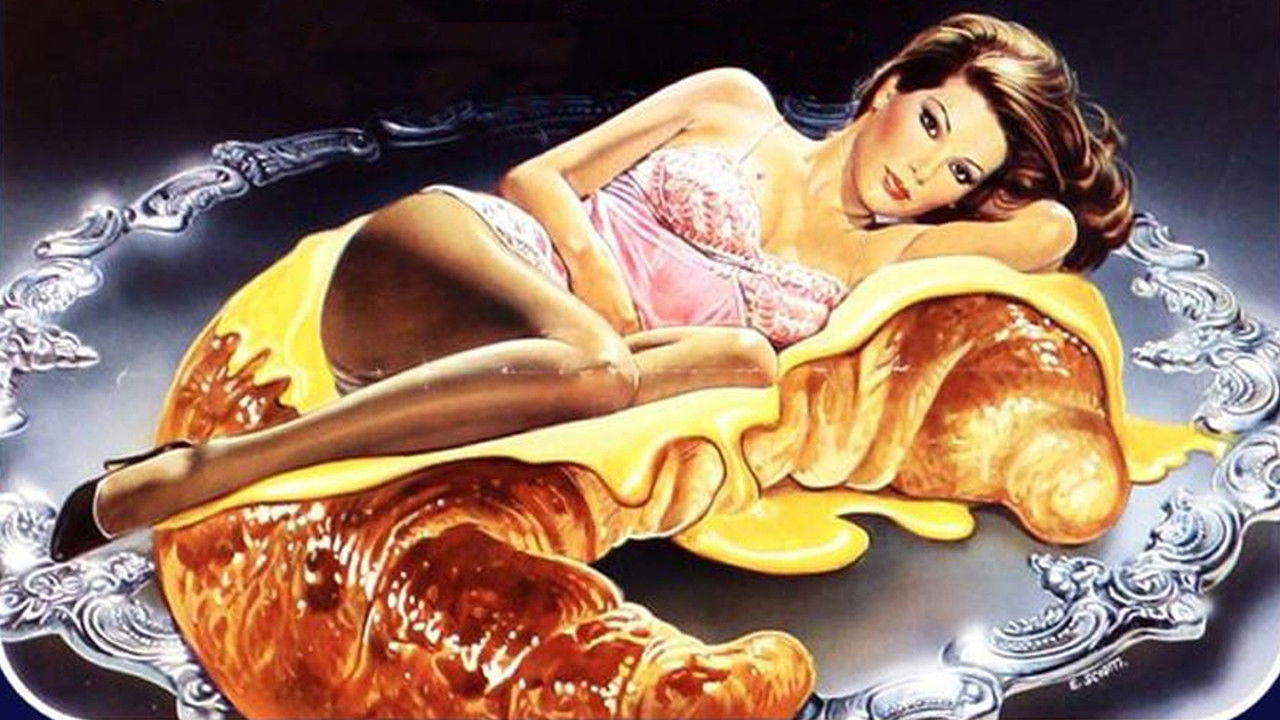
Cream Horn is a delightful time capsule find. It’s a showcase for two legendary Italian comedians operating at peak performance, guided by a genre maestro taking a surprising, lighter turn. It perfectly embodies the slightly risqué, high-energy farce that filled European cinemas (and eventually, savvy video store shelves) in the early 80s. Sure, it's dated in places, and the plot is thinner than Domenico's excuses, but the performances and frantic energy are infectious. It captures that specific feeling of discovering something a bit different, a bit foreign, and undeniably entertaining on a fuzzy VHS tape late one night.
Rating: 7/10 - The score reflects the stellar comedic performances, particularly from Ugo Tognazzi and Paolo Villaggio, and its status as a well-crafted example of its specific time and genre. Points are deducted for the predictable plot mechanics and dated elements typical of the commedia sexy all'italiana, but its energy and star power still shine.
Final Take: A charmingly frantic slice of Italian farce that runs on pure Tognazzi power and 80s cheek – proof that sometimes, the best comedic disasters were built brick by hilarious brick, long before computers could fake the panic. Worth tracking down if you have a taste for classic European comedy.