Okay, fellow tapeheads, let's rewind the clock just a smidge past the dawn of the 80s, back to '78, for a slice of pure, unadulterated French comedic chaos: Claude Zidi's La Zizanie, often known to us English-speakers as The Discord. Now, I know our usual haunt is the neon-drenched landscape of the 80s and 90s proper, but trust me, this late-70s gem starring the absolute whirlwind of frantic energy that was Louis de Funès has that same vibrant, slightly unhinged spirit that makes so many tapes from the era absolute gold. Finding this on a dusty shelf felt like unearthing buried treasure, a frantic farce just waiting to explode out of the VCR.
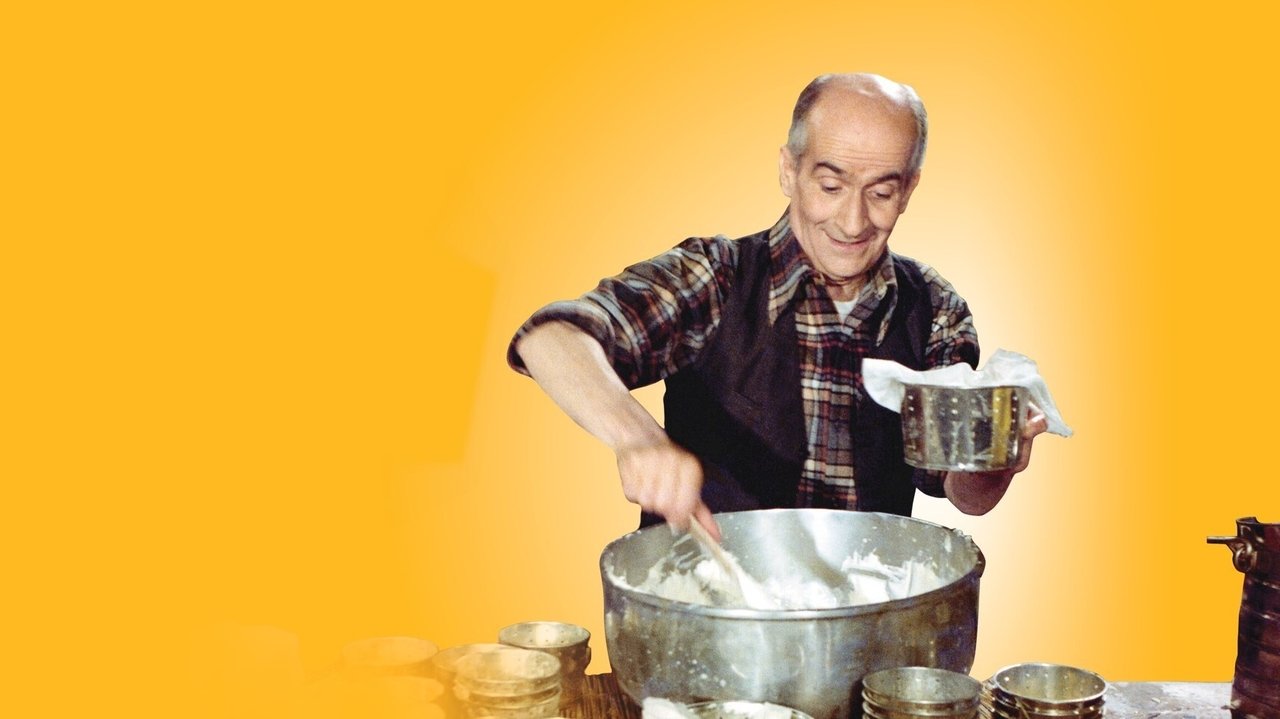
Domestic Bliss? Not Likely.
The premise is gloriously simple, yet provides fertile ground for escalating madness. Guillaume Daubray-Lacaze (Louis de Funès at his eye-popping, gesticulating best) is a small-town mayor and inventor, obsessed with landing a massive contract for his pollution-reducing machine (oh, the irony!). The catch? He needs to rapidly expand his factory floor. The other catch? The factory is attached to his house. His solution? Just... keep expanding. Into the living room. Through the kitchen. Eventually consuming nearly the entire bourgeois home he shares with his long-suffering, increasingly exasperated wife, Bernadette (Annie Girardot, a magnificent foil). What starts as a minor inconvenience spirals into an all-out domestic warzone, fueled by ambition, noise, and sheer mechanical intrusion.
The de Funès Dynamo
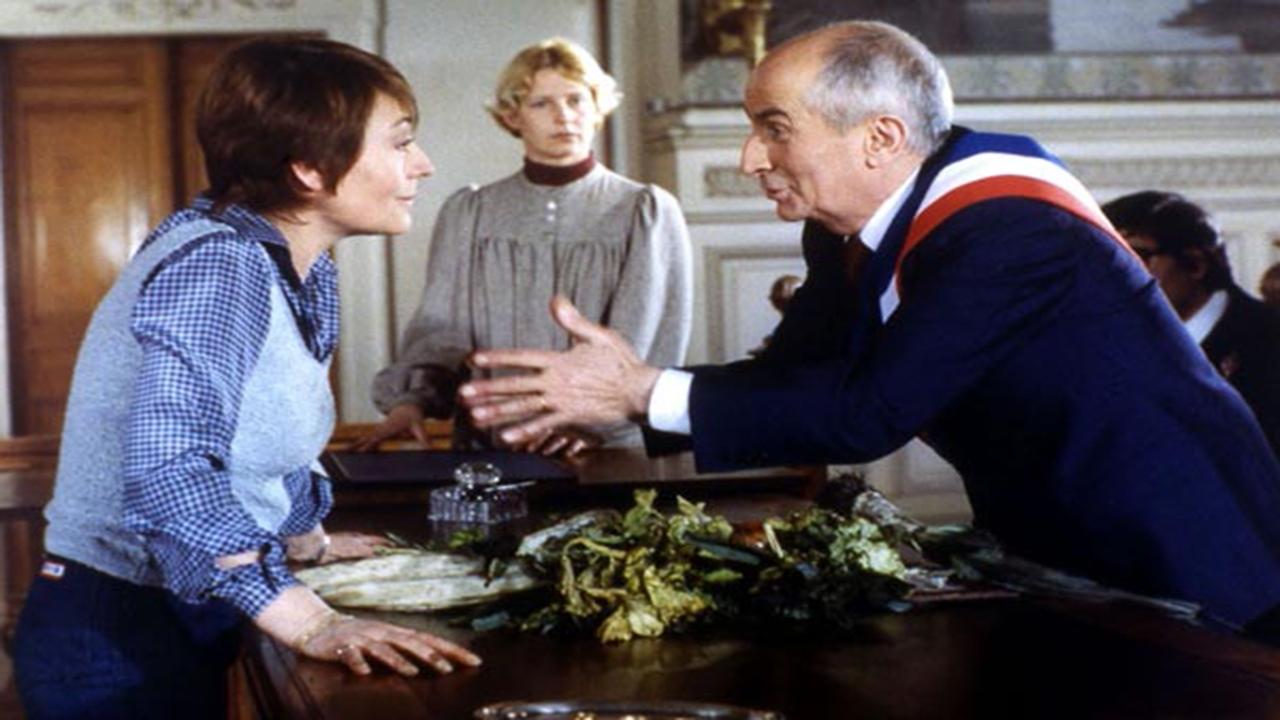
Let's be honest, the main reason you slap this tape in is for de Funès. He’s not just acting; he’s practically vibrating. That signature blend of simmering rage, sudden bursts of panic, tightly wound physical comedy, and those incredible facial contortions – it’s all here. He embodies the obsessive industrialist archetype pushed to its comedic extreme. Watching him try to conduct delicate mayoral business while factory workers are literally jackhammering through his wall is pure comedic genius. You can almost feel the rising blood pressure radiating off the screen. It's a performance style that feels almost analog in its energy, a far cry from the more restrained comedic approaches often seen today. He commits with every fiber of his being. Interestingly, de Funès had suffered a heart attack a few years prior, leading to slightly less physically demanding roles, but director Claude Zidi (who would later give us hits like Asterix & Obelix Take On Caesar) knew exactly how to harness that manic energy effectively, even with some constraints.
Girardot Fights Back
But this isn't just the Louis de Funès show. Annie Girardot as Bernadette is absolutely essential. She's not just a passive victim; she's the grounded counterpoint whose patience finally snaps in spectacular fashion. Her transition from dutiful, slightly eccentric housewife (her passion is gardening, which also falls victim to the factory) to defiant opponent is wonderful to watch. Girardot brings a warmth and steeliness that makes Bernadette utterly relatable, even as the situation descends into absurdity. The chemistry between her and de Funès is electric – two titans of French cinema battling it out amidst the clanging machinery. Their arguments are less shouting matches and more intricate dances of comedic timing and barely suppressed fury. Remember how palpable their frustration felt, even through slightly fuzzy tracking?
Industrial Strength Comedy
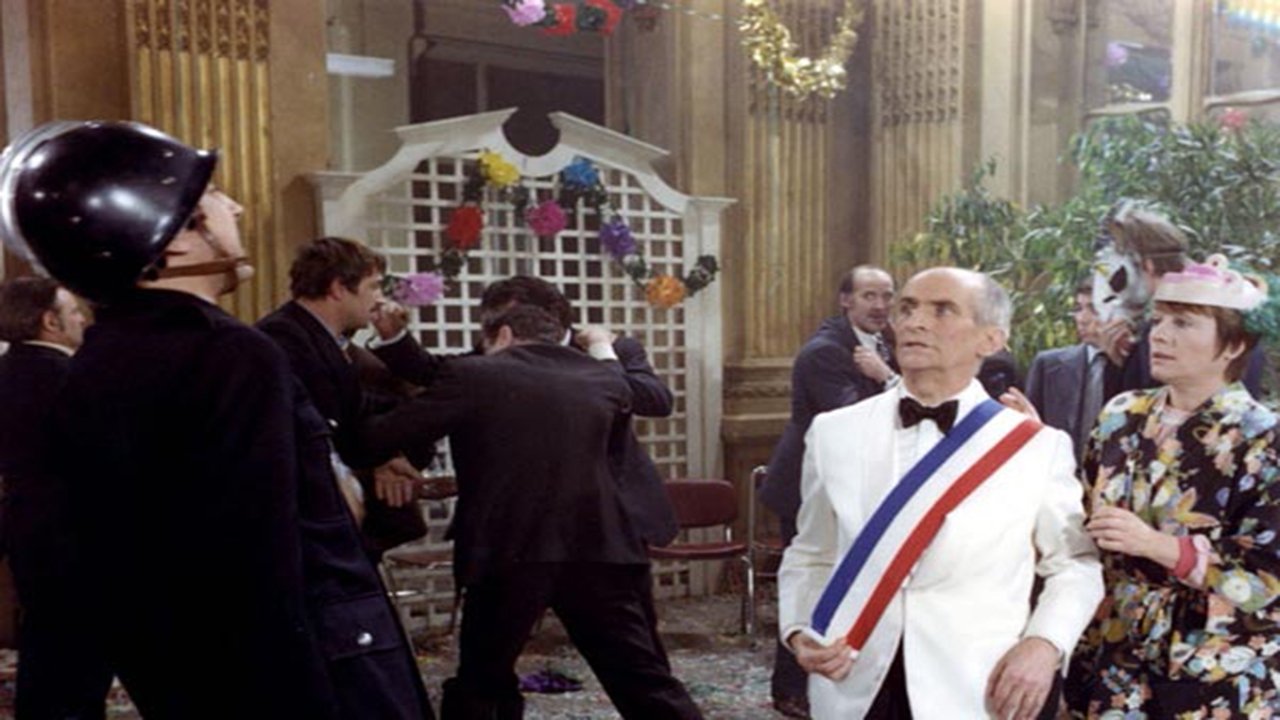
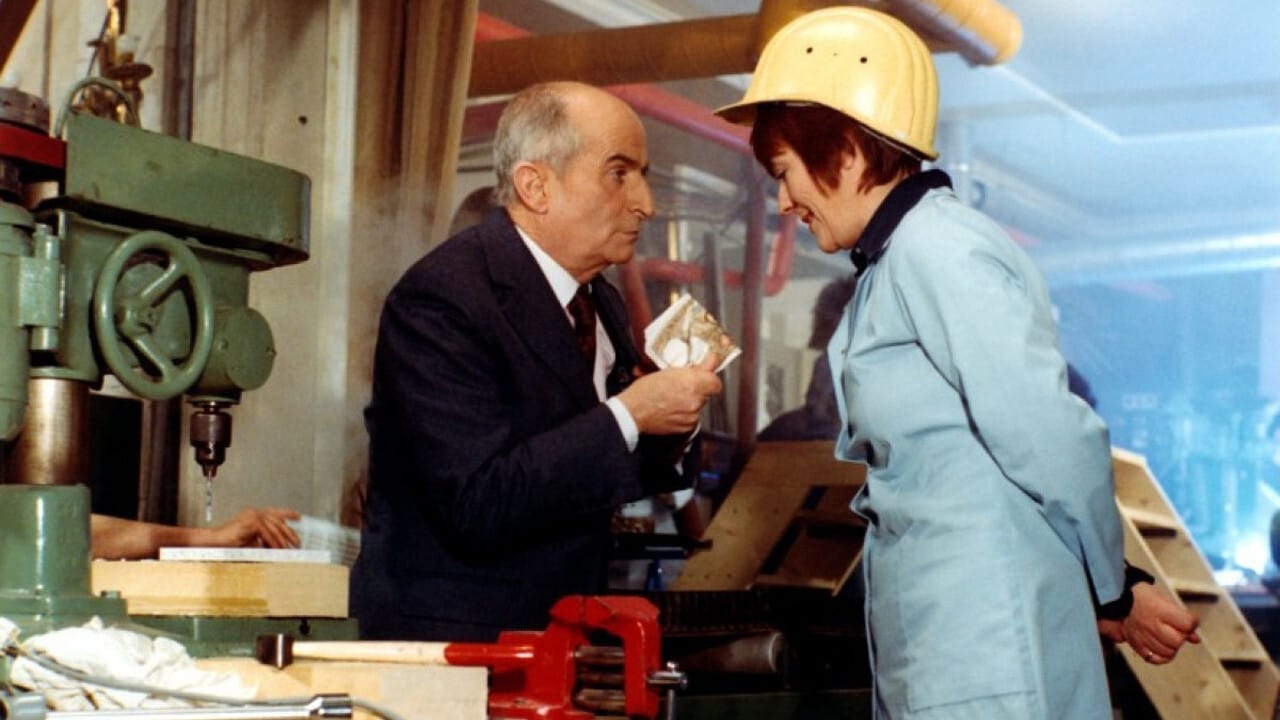
What really elevates The Discord beyond a simple marital spat comedy is the sheer visual spectacle of the factory consuming the house. This isn't CGI, folks. Zidi and his team built intricate, working (or at least convincingly appearing to work) sets that physically encroach upon the domestic space. The production design is a star in itself. Seeing pistons pumping next to the marital bed or assembly lines running through the salon isn't just funny conceptually; it's realised with a tangible, almost Rube Goldberg-esque complexity. You have to appreciate the practical craft involved in making this escalating invasion feel so real and invasive. Zidi, who also co-wrote the script with Michel Fabre, paces the chaos beautifully, letting each new industrial intrusion land with comedic impact before topping it with the next absurdity. It reportedly cost a fair bit for a French comedy at the time (around 18 million Francs, which was substantial), and you can see where the money went – right into those collapsing walls and invading machines!
A Product of its Time, But Still Clicking
Sure, some elements feel distinctly late-70s – the specific political satire about Japanese contracts, maybe some of the gender dynamics. But the core conflict – ambition versus domestic harmony, the encroachment of work into personal life – feels surprisingly relevant. It was a huge hit in France, drawing millions to the cinema, cementing de Funès's status as a comedic megastar even late in his career. While maybe not as internationally ubiquitous on VHS shelves as some American blockbusters, finding The Discord (or La Zizanie if you grabbed a continental copy) was always a treat for fans of European comedy. It’s loud, it’s frantic, and it’s powered by two incredible lead performances.
---
VHS Heaven Rating: 8/10
Justification: The Discord earns a solid 8 for its masterful comedic performances, particularly the iconic Louis de Funès operating at near peak mania, brilliantly paired with Annie Girardot. The increasingly absurd visual comedy driven by the genuinely impressive practical set design (the factory literally eating the house) is a huge plus. Claude Zidi's direction keeps the escalating chaos tight and funny. It loses a couple of points perhaps for the plot being a little thin outside the central conflict and some elements feeling undeniably dated, but the core comedic engine runs beautifully.
Final Thought: This is pure, high-energy farce done right – a tangible, mechanical comedy where the gags feel as bolted-together and chaotic as the invasive factory itself. A reminder of when comedic conflict felt hilariously, physically present. Crank it up and enjoy the glorious noise.