Dark Night of the Scarecrow
Some stains never wash out. Not the dirt ground into worn denim or the grime under a farmer’s fingernails, but the deeper stains on a town’s soul, left by prejudice and mindless cruelty. Dark Night of the Scarecrow, first broadcast into living rooms in 1981, doesn't just tell a ghost story; it peels back the sun-baked soil of rural America to reveal something rotten underneath, something that lingers long after the harvest moon has set. It’s a film that understands that true horror often wears a familiar face, perhaps even the face of your friendly local postman.
### An Innocent Man, A Terrible Town
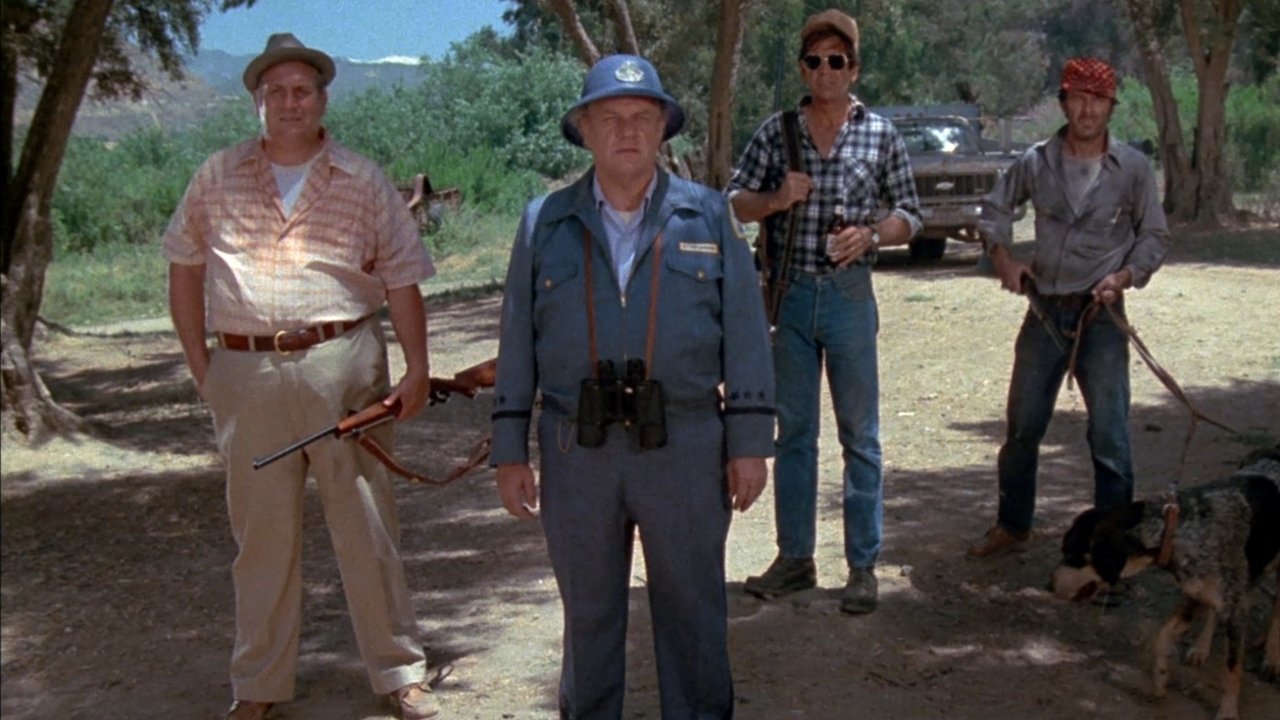
The setup is deceptively simple, almost pastoral. We meet Bubba Ritter (Larry Drake), a large, gentle man with the mind of a child, devoted to his only friend, young Marylee Williams (Tonya Crowe). Their innocent bond is tragically misinterpreted following an accident involving a vicious dog, and the town’s simmering resentment towards the “different” Bubba boils over. Led by the venomous mail carrier Otis P. Hazelrigg (Charles Durning) – a man whose petty tyranny extends far beyond misdelivered letters – a posse forms, fueled by ignorance and hate. Drake’s performance here is heartbreakingly effective; his portrayal of Bubba is imbued with a childlike sweetness that makes the impending violence feel utterly devastating. You feel his confusion, his fear, and his inherent goodness, making him an instantly sympathetic figure caught in a web he doesn't understand.
### Harvest of Hate
The pursuit and execution of Bubba, disguised in the very scarecrow costume Marylee helped him make, is a masterclass in suggested brutality. Director Frank De Felitta, known for the unsettling supernatural drama Audrey Rose (1977), wisely keeps the most graphic details off-screen. Yet, the sequence is profoundly disturbing. The frantic chase through moonlit fields, the frantic cries, the muzzle flashes piercing the darkness – it’s pure mob mentality distilled into chilling cinema. Writer J.D. Feigelson, who conceived the story initially for the big screen, reportedly battled network censors at CBS who were deeply uncomfortable with the intensity, particularly the vigilante execution. Feigelson stood his ground, understanding that the power of the story hinged on the visceral injustice of Bubba’s death. The fact this sequence remains so effective speaks volumes about De Felitta's direction and the power of implication over explicit gore – a lesson many modern horror films could stand to relearn.
### The Wind Whispers Revenge
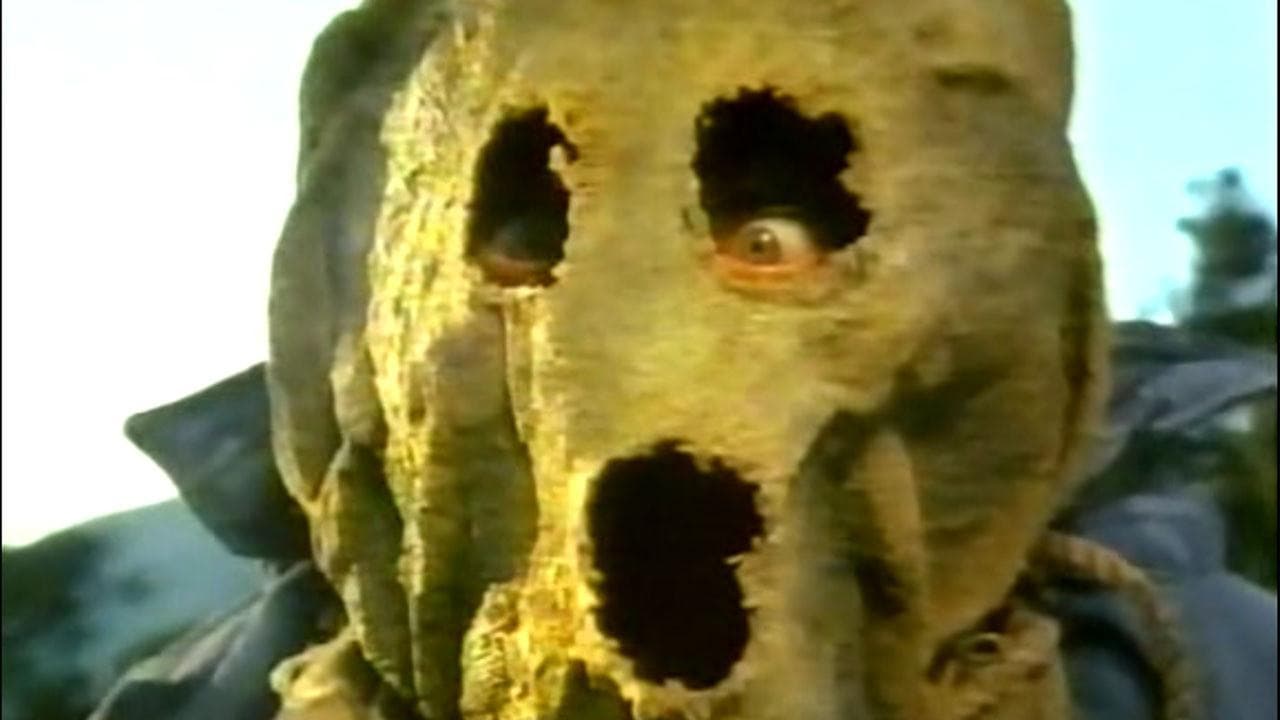
When the posse learns Bubba was innocent – Marylee was saved by him, not harmed – a fragile conspiracy of silence descends. But guilt, like corn rust, spreads insidiously. Soon, a lone scarecrow appears, sentinel-like, in the fields near where Bubba fell. Is it just a farmer’s marker, or something more? This is where Dark Night of the Scarecrow truly excels, shifting from a grim rural tragedy into a genuinely creepy supernatural thriller. De Felitta masterfully uses the landscape – the whispering corn stalks, the lonely farmhouses, the oppressive darkness – to build an atmosphere thick with dread. The score, often minimalist and eerie, underscores the isolation and paranoia perfectly. Practical effects are simple but chillingly effective; the scarecrow itself, stiff and unnerving, becomes an iconic symbol of retribution. Its appearances are often sudden, exploiting peripheral vision and the fear of the unseen, much like the best ghost stories shared around a crackling fire.
### Retro Fun Facts: From TV Movie to Cult Classic
- Making Something from Nothing: Filmed primarily in Piru, California, the production had to cleverly use its limited TV movie budget. This constraint likely contributed to the reliance on atmosphere and suggestion over expensive effects, ultimately benefiting the film.
- Durning's Darkness: Charles Durning reportedly tapped into a deep well of controlled menace for Otis. His performance is terrifying precisely because it feels so grounded in petty hatred and self-righteousness. It’s a career highlight, showcasing his incredible range far beyond the comedic roles many associate him with.
- Feigelson's Fight: J.D. Feigelson's persistence in bringing his dark vision to television, despite network pushback, is a testament to his belief in the story. He retained the rights for decades, eventually producing a long-gestating sequel, Dark Night of the Scarecrow 2, in 2022.
- VHS Immortality: While a success on its initial CBS broadcast, Dark Night of the Scarecrow truly found its audience on home video. Those chunky rental tapes passed between friends cemented its status as a must-see slice of 80s made-for-TV horror, a gem discovered on late-night channel surfing or during trips down the aisles of the local video store. Its reputation grew steadily through word-of-mouth, far surpassing its humble origins.
### Reaping What You Sow
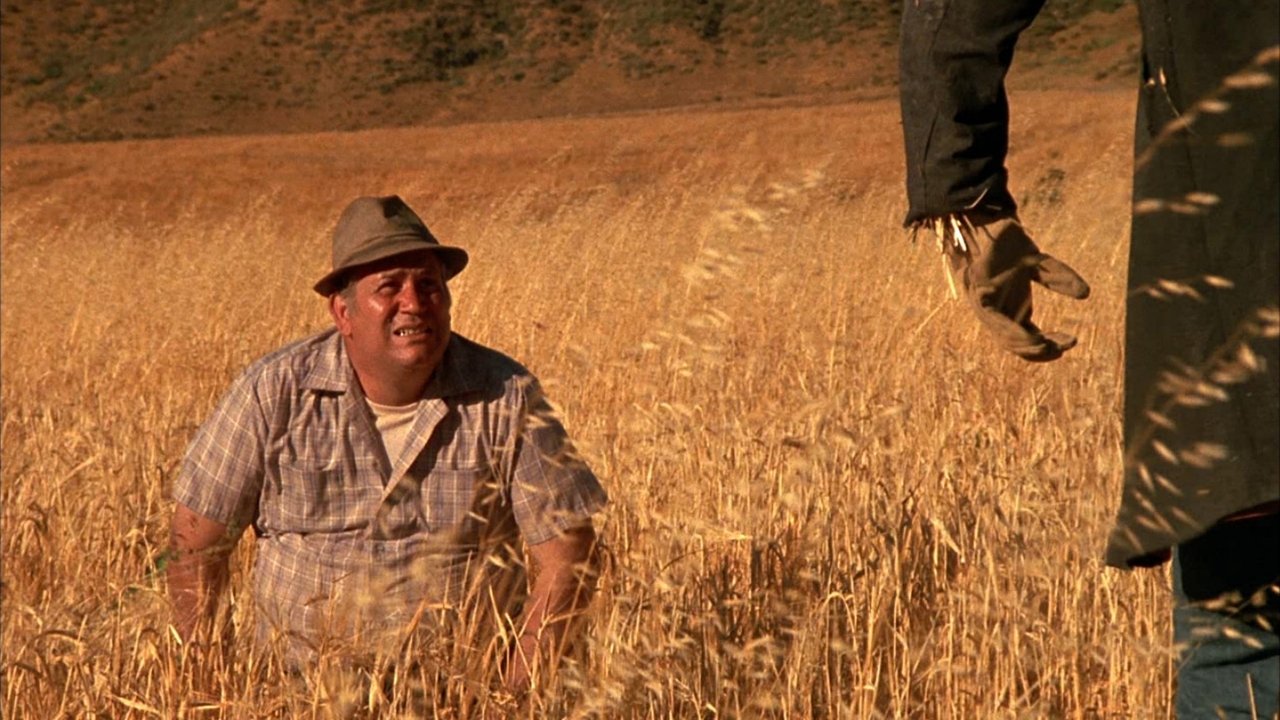
As Otis and his cohorts – the greasy mechanic Skeeter (Robert F. Lyons), the shifty farmer Harless Hocker (Lane Smith), and the easily led Philby (Claude Earl Jones) – meet increasingly ironic and disturbing ends, the film never explicitly confirms the scarecrow's nature. Is Bubba's vengeful spirit animating the straw-stuffed figure? Or is someone else orchestrating these "accidents"? The ambiguity enhances the suspense. The deaths themselves are inventive and often tailored to the sins of the victim, feeling like grim poetic justice delivered from beyond the grave (or perhaps just from the shadows of a grain silo). Doesn't the grain silo sequence still feel incredibly claustrophobic and tense?
The film's power lies in its grounded approach to the supernatural. The horror stems not just from the potential ghost, but from the very real human evil that precipitated the haunting. Otis Hazelrigg remains one of television horror's most chillingly believable villains because his motivations – prejudice, fear of the unknown, abuse of power – are tragically timeless.
### Final Thoughts

Dark Night of the Scarecrow is a standout achievement, especially considering its television roots. It transcends the limitations of its medium to deliver genuine chills, a palpable atmosphere of dread, and a resonant story about injustice and revenge. The performances, particularly from Drake and Durning, are superb, anchoring the supernatural elements in believable human drama (and monstrousness). It's a film that proves suspense, strong characters, and a pervasive sense of unease can be far more terrifying than buckets of blood. For those seeking a slice of genuinely creepy 80s nostalgia, one that still packs a surprising punch, look no further. This is rural gothic horror done right.
Rating: 9/10
Justification: The film masterfully builds atmosphere and suspense on a limited budget, features outstanding performances (especially Durning's chilling villain), and tells a compelling, tragic story of injustice and supernatural revenge. Its reliance on psychological dread over gore makes it incredibly effective and memorable, easily overcoming its made-for-TV origins to stand as a genre classic. The pacing is tight, the scares earned, and the central scarecrow motif iconic. A near-perfect example of its kind. It remains a potent reminder that sometimes, the scariest monsters are the ones living right next door.