Alright, settle back into that worn spot on the couch, maybe grab a bowl of something crunchy. Tonight on VHS Heaven, we’re popping in a tape that might have looked a bit out of place nestled between Die Hard and The Terminator on the rental shelf back in the day. It’s a Turkish gem from 1981, a film that blends laugh-out-loud comedy with some surprisingly sharp teeth: Davaro: The Outsider. Finding this felt like uncovering hidden treasure, the kind of discovery that made digging through those dusty video store aisles so rewarding.

### The Reluctant Avenger
Imagine this: Memo (Kemal Sunal), a gentle soul with eyes as wide as his dreams, finally returns to his Anatolian village after years working in Germany. He’s saved his money, he’s ready to marry his beloved Cano (Aysegul Ünsal), and settle down. Simple, right? Wrong. Memo walks straight into a tangled web of archaic tradition – the dreaded blood feud. His father was killed years ago by the father of Sülo (Sener Sen), and village law dictates Memo must avenge the death by killing Sülo before he can marry Cano. The problem? Memo wouldn't hurt a fly, and frankly, Sülo isn't exactly itching for a showdown either. What follows is not a gritty revenge saga, but a brilliantly funny cascade of schemes and evasions as these two reluctant enemies try to fool the entire village into thinking the feud is alive and well.
### A Match Made in Comedy Heaven
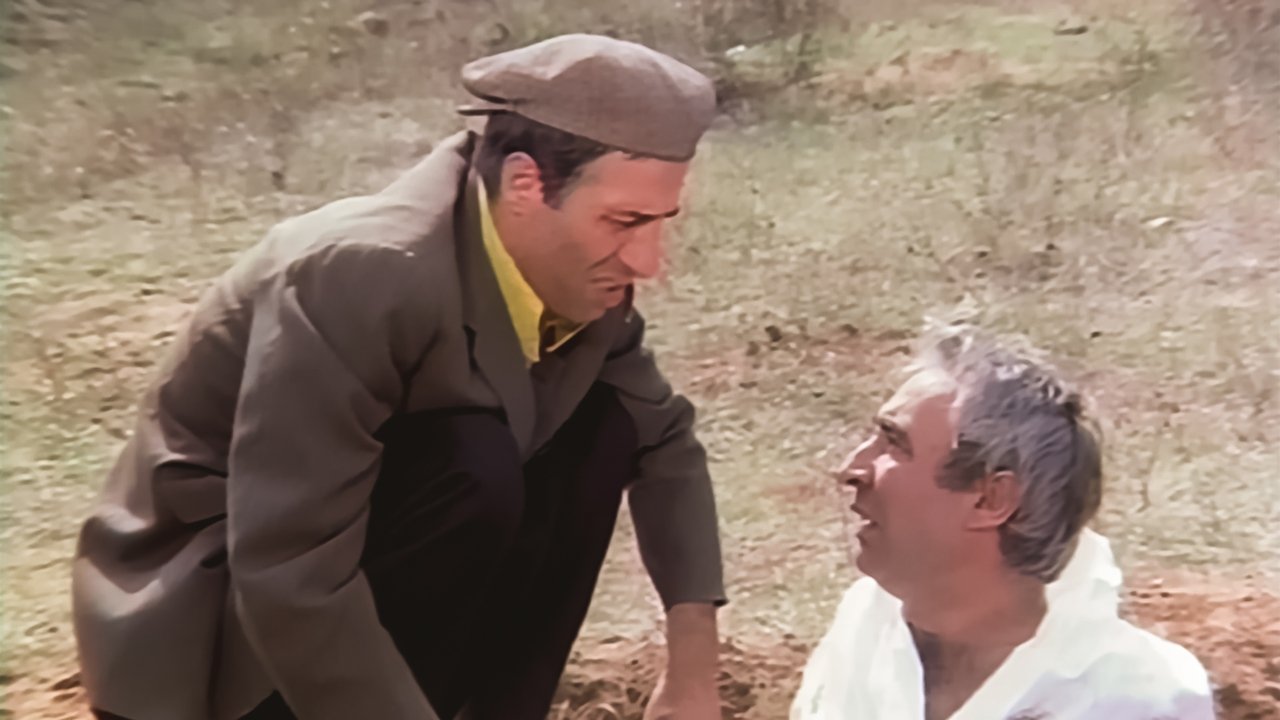
Let's talk about the absolute magic that is Kemal Sunal and Sener Sen sharing the screen. If you're unfamiliar with Turkish cinema, discovering these two together is like finding out Abbott had Costello, or Matthau had Lemmon. Sunal, a true icon often playing the naive but good-hearted 'everyman', embodies Memo's predicament with hilarious physicality and expressive innocence. You feel his panic, his desperation to escape this violent obligation. And Sener Sen, another titan of Turkish film (who Western audiences might recognize from the acclaimed Eşkıya (The Bandit) from 1996), plays Sülo with a world-weary exasperation that perfectly complements Sunal's wide-eyed confusion. Retro Fun Fact: Their on-screen chemistry wasn't accidental; Sunal and Sen starred together in numerous beloved comedies, becoming one of Turkey's most legendary cinematic pairings, their dynamic often forming the heart of wildly popular films. Their scenes together in Davaro are pure gold, a masterclass in comedic timing and reacting to escalating absurdity.
### Laughing Through the Barbed Wire
What makes Davaro truly special is how it uses comedy as a Trojan horse. Beneath the slapstick, the frantic chases through dusty village streets, and the increasingly ludicrous plans (involving fake deaths and questionable disguises), lies a sharp critique penned by the brilliant Yavuz Turgul (who would later write and direct Sen in Eşkıya). The film skewers the nonsensical cruelty of blood feuds, the suffocating pressure of tradition, and the often-unseen struggles of rural life. It pokes fun at bureaucracy, honour codes, and the desperation that drives people to maintain appearances, even deadly ones. It’s done with such warmth and humour, directed with a light but assured touch by Kartal Tibet (another prolific figure who directed Sunal in several hits), that the message lands without feeling preachy. Remember how some 80s comedies managed to sneak in real substance amidst the laughs? Davaro does that masterfully.
### Authentic Grit, Not Grainy Effects
Forget elaborate CGI – the 'special effect' here is the palpable authenticity. Retro Fun Fact: Davaro was filmed on location in the villages around Malatya in Eastern Turkey, and that reality bleeds through the screen. You feel the heat, the dust, the texture of life in this specific place and time. The rough-hewn buildings, the stark landscapes, the faces of the villagers – it all feels incredibly grounded. This isn't a polished Hollywood set; it's a lived-in world that makes the characters' plight, however comedic, feel genuine. This raw, unvarnished look is something we often miss in today's hyper-polished cinema, isn't it? It gives the film an energy, a truthfulness that connects directly. The 'action' isn't explosions, but the frantic energy of near-misses, the desperate sprints, and the high-stakes game of deception played out against this real backdrop.
### Why This 'Outsider' Still Belongs
Sure, it’s deeply rooted in Turkish culture, but the core themes of Davaro are universal. Who hasn't felt trapped by expectations? Who hasn't wished they could just walk away from a pointless conflict? The film's heart lies in Memo and Sülo's shared humanity, their mutual desire for peace overriding the violent demands of their society. Retro Fun Fact: Released shortly after a period of political upheaval in Turkey (the 1980 coup), films like Davaro offered not just escapist laughter but also subtle social commentary that resonated deeply with audiences, cementing Kemal Sunal's status as a voice for the common person. Its immense popularity back then wasn't just about laughs; it struck a chord. And honestly, the humour holds up remarkably well – the situations are universally funny, driven by character rather than fleeting pop culture gags.
---
VHS Heaven Rating: 9/10
This rating is earned through the sheer comedic brilliance of the Sunal-Sen pairing, Yavuz Turgul's incredibly sharp and layered script that balances humour and social critique perfectly, and the film's enduring heart. It transports you to a specific time and place with infectious energy and wit, making its points without sacrificing entertainment. It loses a single point perhaps only because some specific cultural nuances might require a little context for maximum appreciation, but the core story and humour are immediately accessible and utterly charming.
Final Rewind: Davaro is proof that sometimes the most rewarding finds on the VHS shelf were the ones with unfamiliar names and faraway settings. It’s a hilarious, clever, and surprisingly poignant reminder that common sense and a good heart are often the best weapons against outdated, dangerous traditions – a message delivered with pure 80s cinematic warmth and iconic performances. Don't let this 'outsider' stay outside your watchlist.