## The Echo of a Child's Cry
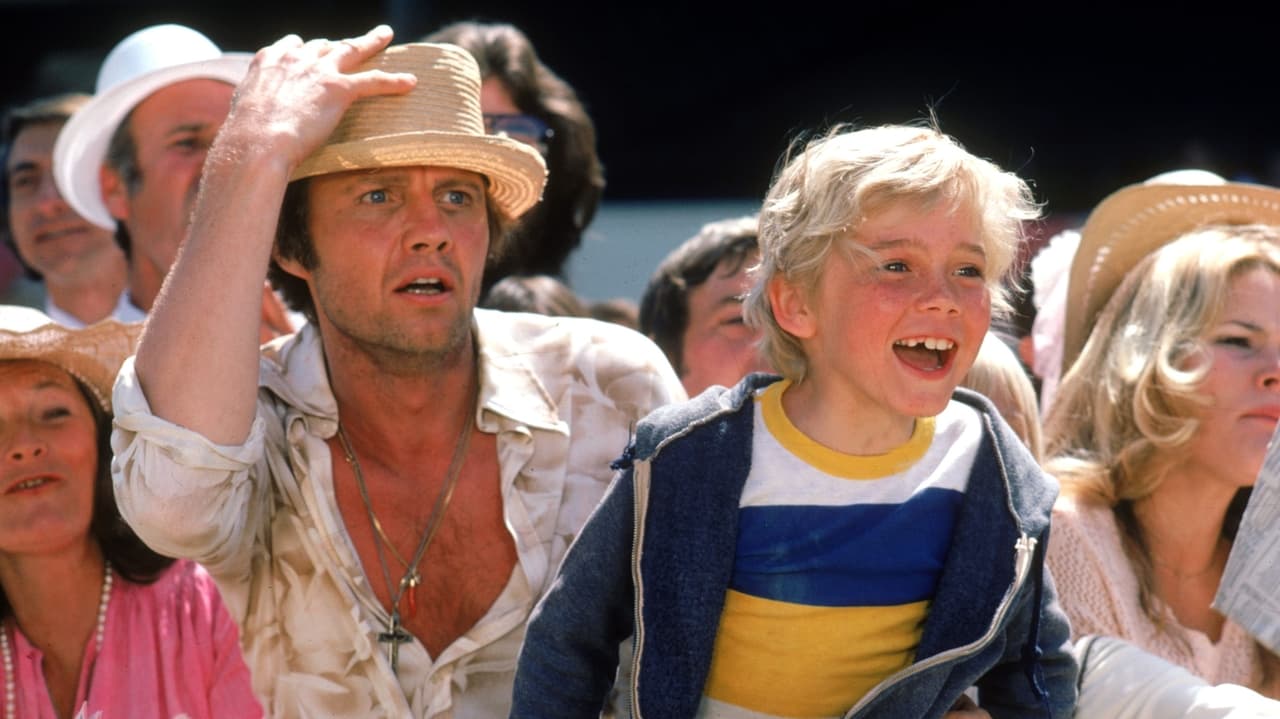
There are films that entertain, films that thrill, and then there are films that lodge themselves deep within your emotional memory, resurfacing years later with startling clarity. Franco Zeffirelli's 1979 remake of The Champ belongs firmly in that last category. Forget the boxing gloves and the roar of the crowd for a moment; the image that truly endures, the one etched onto the magnetic tape of countless rental copies, is the face of a small boy, utterly consumed by grief. It’s a film that built its formidable reputation not on knockouts in the ring, but on the emotional knockout it delivered to audiences, particularly during its reign as a must-rent VHS staple in the early 80s.
A Faded Glory, An Unbreakable Bond
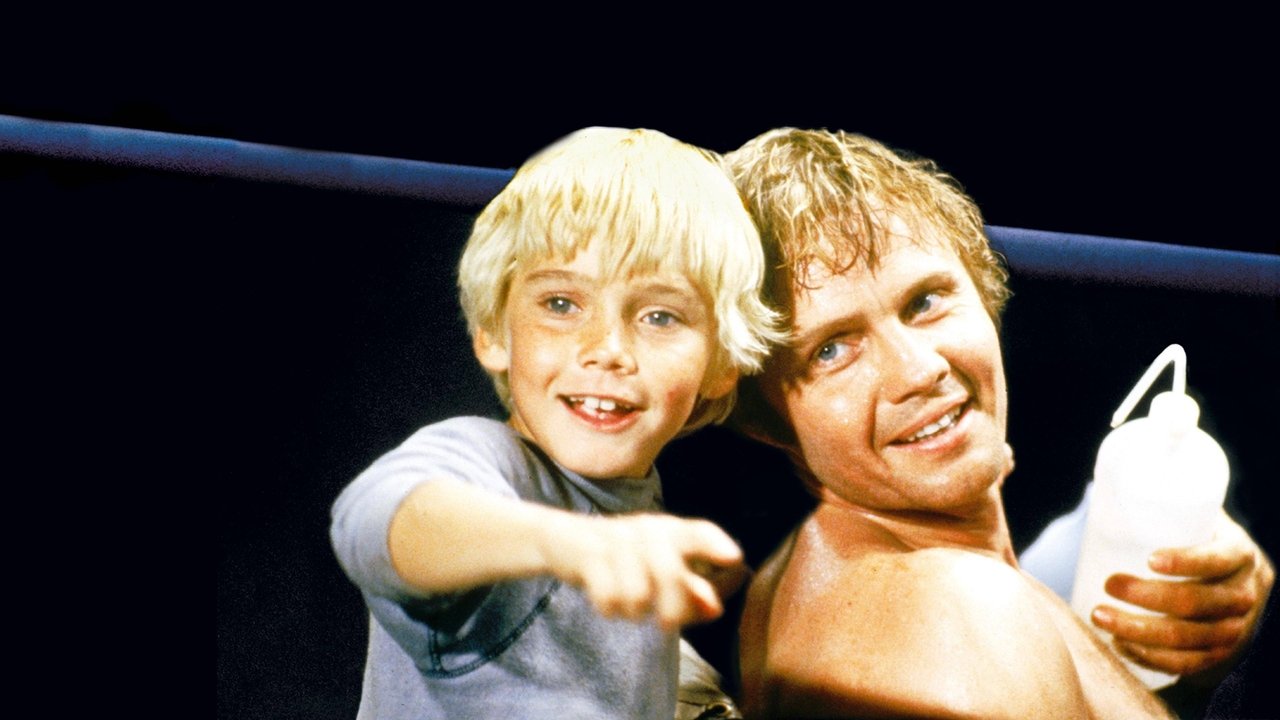
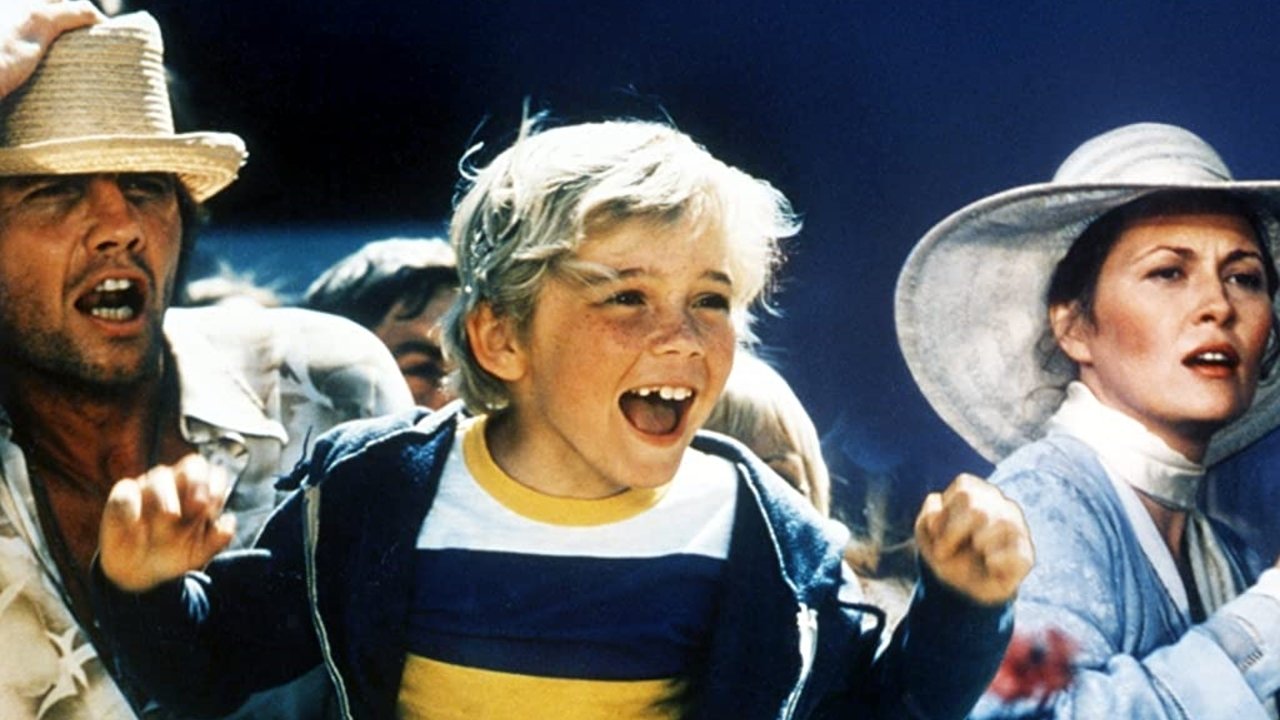
The setup is pure, uncut melodrama, steeped in the hazy sunshine and slightly worn-down atmosphere of late 70s Florida. We meet Billy Flynn (Jon Voight), a former heavyweight champion now working odd jobs at the Hialeah race track, haunted by past glories and present gambling debts. His entire world, however, revolves around his adoring son, T.J. (Ricky Schroder, in a debut performance that remains astonishing). Their bond is the film’s unwavering heart – a portrayal of father-son love that feels touchingly authentic amidst the heightened emotions. Into this precarious existence steps Annie (Faye Dunaway), Billy’s estranged ex-wife and T.J.'s mother, now remarried and wealthy, seeking to reconnect with the son she abandoned years ago. Her arrival destabilizes Billy’s world, forcing him to confront his failures and consider one last, desperate shot at redemption in the ring.
That Performance
Let’s be direct: the gravitational center of The Champ is Ricky Schroder. It’s almost unnerving to watch him. There's a rawness, an unvarnished vulnerability to his portrayal of T.J. that transcends typical child acting. His adoration for Voight’s Billy feels utterly real, his confusion and hurt palpable, and his eventual devastation… well, it’s the stuff of cinematic legend. You watch him and wonder, how did Zeffirelli capture such profound emotion from an eight-year-old? Stories from the production suggest Zeffirelli employed intense methods to elicit tears for the climactic scenes, essentially coaching Schroder through imagined scenarios of loss concerning his actual parents. While Schroder himself has spoken about the process without apparent trauma, viewed through a modern lens, it raises uncomfortable questions about the ethics of achieving such realism. Yet, the undeniable power of his performance, which rightly earned him a Golden Globe, is inseparable from the film’s enduring impact.
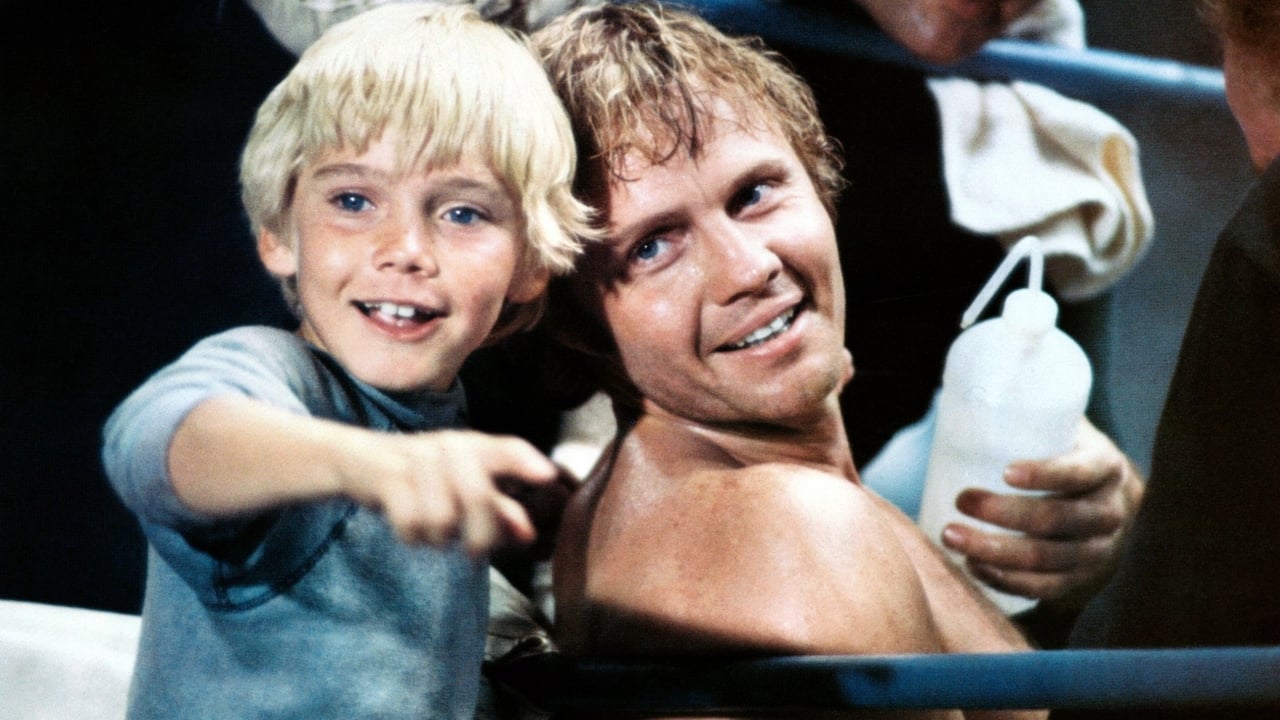
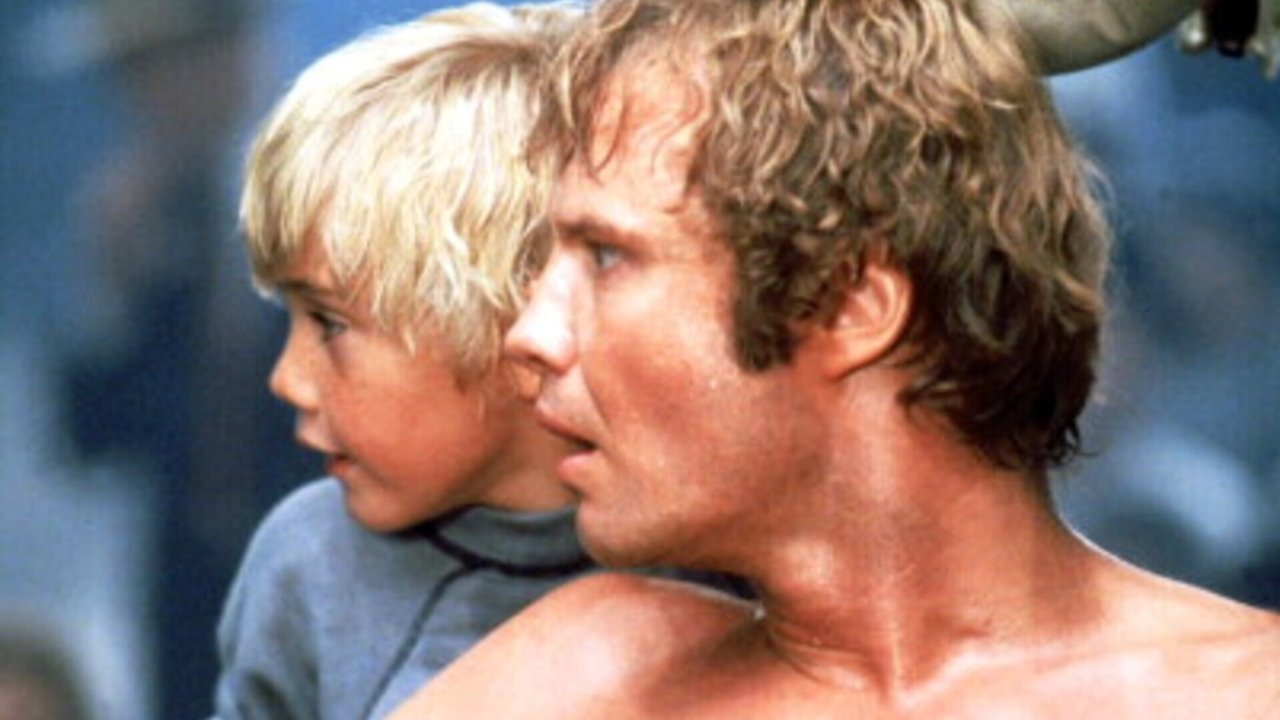
Opposite Schroder, Jon Voight delivers a performance layered with regret and desperate love. Coming off powerhouse roles in Midnight Cowboy (1969) and Deliverance (1972), Voight embodies Billy’s faded charisma and profound paternal devotion. He’s flawed, impulsive, and often makes terrible choices, but his love for T.J. is never in doubt. Voight reportedly threw himself into the boxing training, lending a physical authenticity to the ring sequences. Faye Dunaway, arguably at the peak of her stardom following Chinatown (1974) and Network (1976), has a more complex role. Annie is elegant and composed, a stark contrast to Billy’s messy life, yet Dunaway subtly conveys the character’s own lingering regrets and maternal longing beneath the polished surface.
Zeffirelli's Operatic Heartbreak
Franco Zeffirelli, known for his visually rich, almost operatic style in films like Romeo and Juliet (1968), brings a certain grandeur to this small-scale human drama. The Florida locations are lushly photographed, and Dave Grusin’s score swells at precisely the moments designed to tug heartstrings. Some might argue this glossy approach clashes with the story's inherent grit, amplifying the sentimentality. Does the film earn its tears honestly, or does it expertly manipulate our emotions? It’s a valid question. The pacing can feel deliberate, focusing intently on the emotional beats, building towards its infamous conclusion.
Retro Fun Facts: The Tearjerker Phenomenon
- The film was a remake of the 1931 King Vidor classic, which won Wallace Beery a Best Actor Oscar. Zeffirelli aimed to recapture that emotional power for a new generation.
- Despite mixed critical reviews upon release (some found it overly sentimental), audiences embraced it wholeheartedly. It became a significant box office success, grossing over $30 million on a $6 million budget (that's roughly $128 million against $25 million today).
- Its afterlife on VHS cemented its legendary status. Renting The Champ became a rite of passage, often accompanied by warnings about needing tissues. I vividly remember the worn-out clamshell case being a permanent fixture at my local video store.
- The final scene’s emotional intensity is so potent that clips have reportedly been used in scientific studies to reliably induce sadness in participants – a rather clinical testament to its power.
- While Voight received an Oscar nomination, it was Ricky Schroder who became an immediate child star, soon landing the lead role in the popular sitcom Silver Spoons.
The Final Round (Spoiler Alert!)
There's no discussing The Champ without addressing the ending. Billy, needing money and perhaps seeking a final moment of dignity, takes one last fight. He wins, battered and bruised, only to collapse and die in his dressing room while a hysterical T.J. pleads, "Champ, wake up! Wake up, Champ!" It is relentless, heartbreaking, and utterly unforgettable. Schroder's performance in this sequence is devastatingly effective. Is it manipulative? Absolutely. Does it work? Undeniably. Watching it again now, decades later, knowing what’s coming, doesn’t lessen its impact; if anything, the dread makes it almost harder to watch.
Legacy of Tears
The Champ isn't a subtle film. It wears its heart, bruised and bleeding, squarely on its sleeve. It aims directly for your tear ducts and rarely misses. While contemporary viewers might find its emotional orchestrations heavy-handed, its power remains undeniable, largely thanks to the staggering performance by young Ricky Schroder and the genuine warmth conveyed by Jon Voight. It perfectly captured a certain kind of earnest, uncynical filmmaking that resonated deeply in its era, becoming a touchstone experience for anyone who haunted the aisles of a video rental store back in the day. It reminds us of a time when mainstream movies weren't afraid to go for broke emotionally, even if it meant leaving the audience emotionally wrecked.
Rating: 7/10
This rating reflects the film's undeniable emotional power and the unforgettable performances, particularly Schroder's, which remain incredibly potent. The filmmaking is solid, capturing the era effectively. However, the score is tempered slightly by the film's sometimes heavy-handed sentimentality and manipulative tactics, which feel more pronounced today. It earns its tears, but perhaps pushes a little too hard.
Final Thought: Even knowing its reputation, The Champ still lands its punches. It's a fascinating time capsule of late-70s melodrama and a powerful, if unsubtle, exploration of fatherly love and loss that practically defined the "tearjerker" genre for a generation of VHS watchers. Just keep the tissues handy.