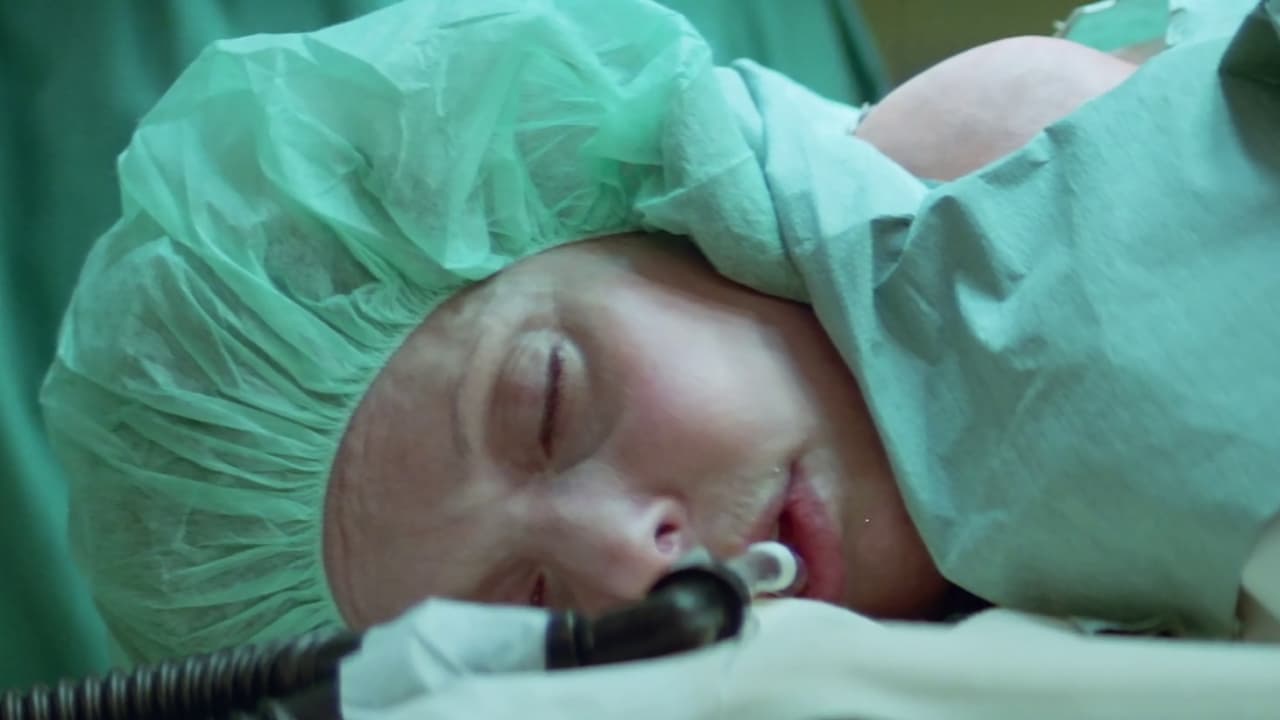
It starts with a lump. A seemingly innocent, yet profoundly unsettling growth on the neck of Karen Tandy (Susan Strasberg). Doctors are baffled, their sterile procedures useless against something ancient and malevolent stirring beneath her skin. This isn't just a tumor; it's a nesting place. The opening scenes of William Girdler's The Manitou don't rely on jump scares, but rather plant a seed of primal body horror, a creeping dread that burrows deep long before the true, outrageous nature of the threat reveals itself. Remember finding this gem tucked away on a dusty video store shelf, the lurid cover art promising something truly bizarre? It didn't lie.
### From Medical Mystery to Cosmic Horror
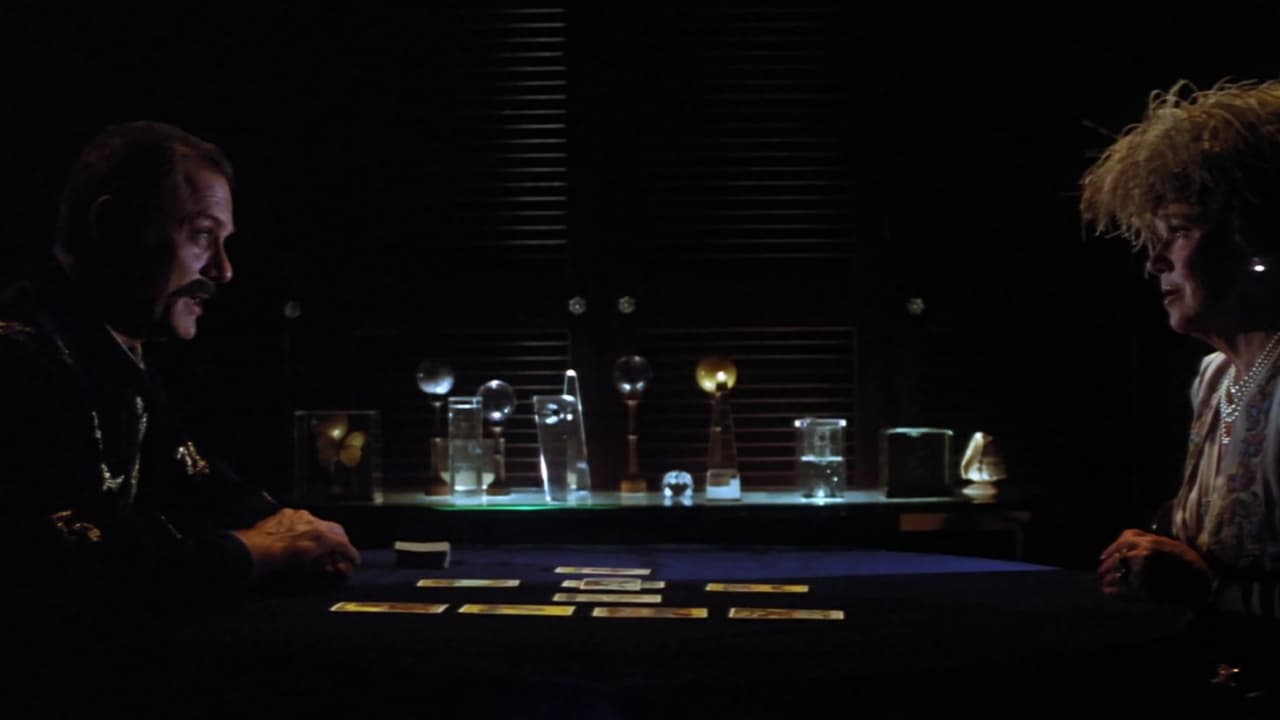
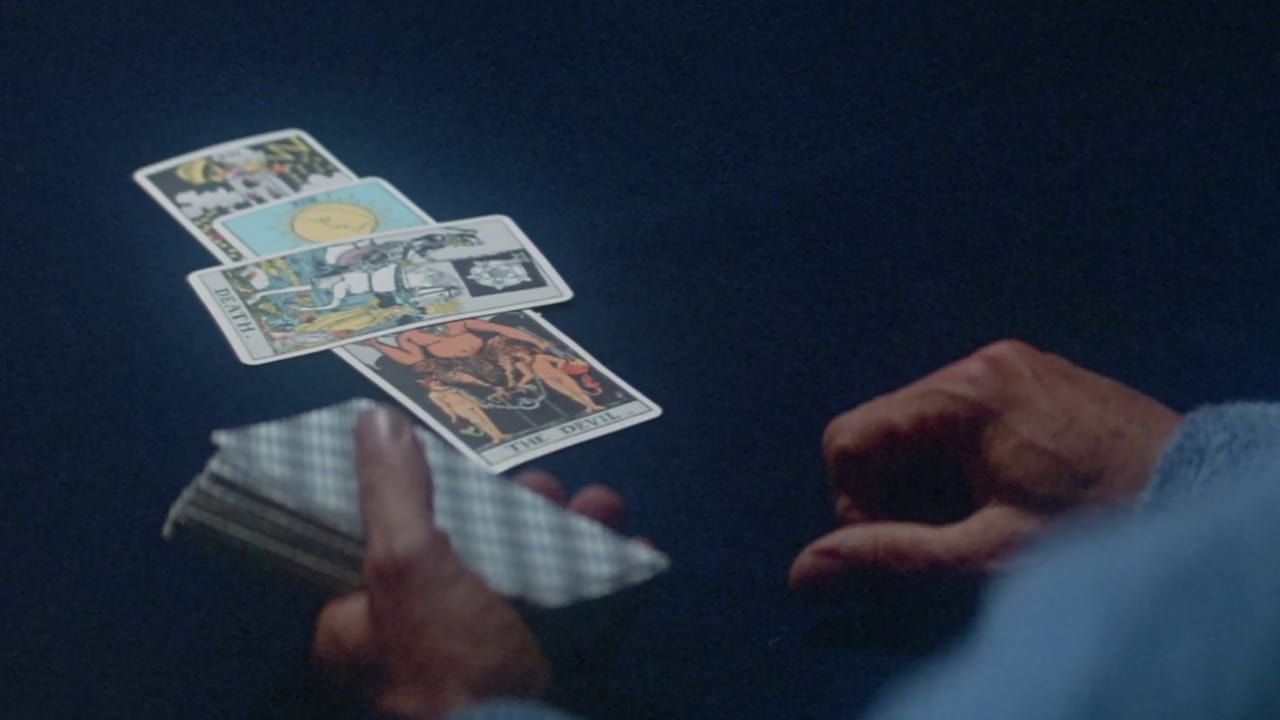
What begins as a hospital drama quickly spirals into the supernatural. Karen’s affliction is diagnosed not by scalpels and scans, but by the whispers of forgotten lore. Enter Harry Erskine, played with a baffling sincerity by none other than Hollywood legend Tony Curtis. Erskine isn't your typical occult hero; he’s a charming, slightly desperate tarot card reader, peddling parlor tricks for cash in San Francisco. When Karen, his former lover, seeks his help, he's initially out of his depth, fumbling through séances like a stage magician caught in a real haunting. Curtis, perhaps best known for lighter fare like Some Like It Hot or dramas like The Defiant Ones, throws himself into the role with a conviction that grounds the escalating madness. It's a performance that shouldn't work, yet somehow becomes the strange, beating heart of this chaotic film. You can almost picture the conversations – did Curtis fully grasp the sheer B-movie insanity he was signing up for, or did he just see a chance to play a different kind of leading man?
### The Medicine Man and the Monster
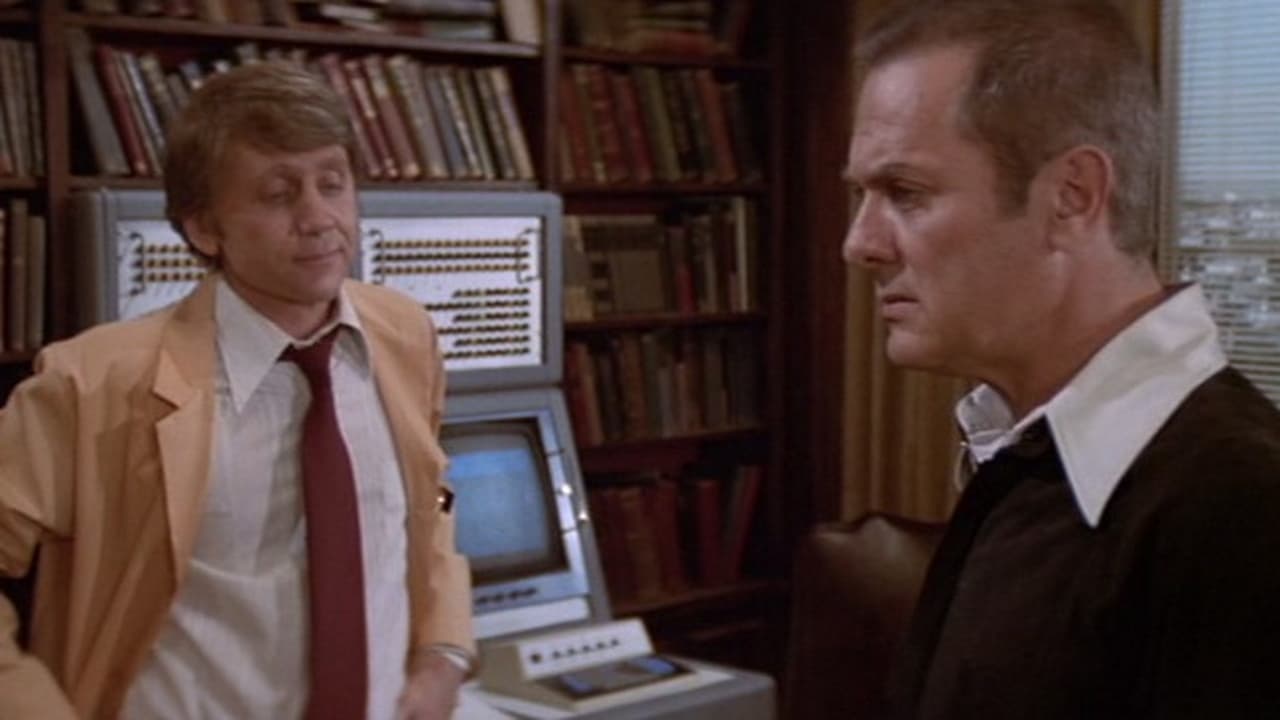
The truth, when it arrives, is wonderfully outlandish: Karen is incubating the reincarnation of Misquamacus, a powerful, centuries-old Native American medicine man seeking rebirth to wreak vengeance upon the white man. The film attempts to blend medical anxiety with Indigenous mysticism, a potentially fraught combination that lands somewhere between respectful and exploitative, typical of certain 70s genre efforts. This leads Erskine to seek the aid of John Singing Rock, portrayed with stoic gravity by Michael Ansara (Broken Arrow, Star Trek). Ansara brings a necessary weight to the proceedings, embodying the ancient power needed to combat Misquamacus. His character becomes the conduit for the film's most visually striking sequences – rituals involving chanting, smoke, and a palpable sense of desperation as modern medicine proves utterly useless against ancient magic. It’s said that director William Girdler, known for his rapid-fire, low-budget filmmaking style seen in films like Grizzly and Day of the Animals, was drawn to the high-concept weirdness of Graham Masterton's novel, seeing potential for a truly unique horror spectacle.
### Unleashing the Manitou
And spectacle is certainly what Girdler delivers in the film's climax. Forget subtlety; The Manitou goes for broke. Once the... entity... makes its full appearance, the film descends into a glorious mess of laser light shows, distorted bodies, summoned spirits (including a lizard-demon thing that feels pure 70s怪奇 kaiju), and hospital corridors transformed into icy astral planes. The practical effects, crafted on a limited budget, possess that tangible, slightly grotesque charm that defined the era. Sure, some moments might look creaky now – the miniature Misquamacus puppet, the optical effects bathing everything in primary colors – but back then, projected onto a flickering CRT, didn't that psychedelic chaos feel genuinely unnerving? The ambition far outstripped the resources, leading to sequences that are simultaneously terrifying and hilariously over-the-top. There's a dark legend surrounding Girdler himself – tragically, he died in a helicopter crash scouting locations for his next film shortly after The Manitou's release, leaving behind a legacy of high-concept, often flawed, but undeniably memorable exploitation cinema.
### A Legacy of Weirdness
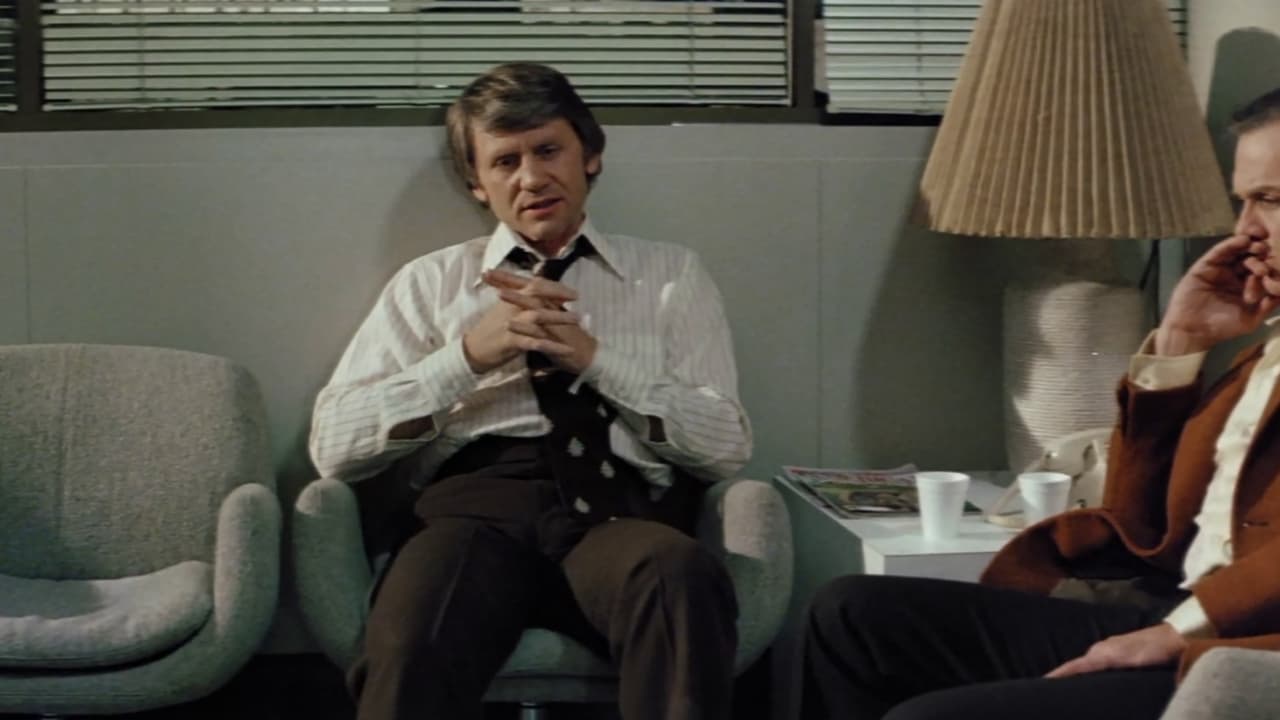
The Manitou isn't a conventionally "good" horror film. Its pacing can be uneven, the blend of tones jarring, and the handling of its Native American elements occasionally clumsy. Yet, it's undeniably effective in creating a unique atmosphere of dread mixed with sheer disbelief. Susan Strasberg sells Karen's terror convincingly, making the body horror aspect genuinely disturbing. Tony Curtis provides an anchor of bewildered charm, while Michael Ansara delivers the mystical gravitas. It’s a film that takes a truly bonkers premise and commits to it absolutely, culminating in a finale that has to be seen to be believed – featuring naked space battles and exploding typewriters, no less. It’s the kind of movie that lodges itself in your memory, a testament to a time when genre filmmaking dared to be truly, unashamedly strange. It perfectly captures that late-night VHS discovery vibe – something wild, unexpected, and utterly unforgettable.
VHS Heaven Rating: 7/10
Justification: The Manitou earns its score through sheer audacity and memorable weirdness. While hampered by budget constraints, questionable effects by modern standards, and some narrative awkwardness, its core concept is chilling, Curtis's performance is fascinatingly sincere, and the climax delivers unforgettable B-movie spectacle. It captures a specific flavor of 70s horror – ambitious, strange, and unafraid to be utterly bizarre.
Final Thought: Decades later, the image of that pulsating growth, the memory of Curtis battling cosmic forces with faulty charms, and the sheer WTF energy of the finale ensures The Manitou remains a potent, perplexing, and oddly cherished relic of drive-in and video store nightmares. It’s a film that proves sometimes, the strangest trips are the most memorable.