The flickering image resolves, the cathode ray tube hums its low, electric song. Outside, the streetlights cast long shadows, and inside, a dying mother gasps out a final, cryptic command to her son: "Destroy my notes... find Anthony... I'm sorry." With those words, The Kindred (1987) sinks its genetic hooks into you, pulling you down into a spiral of familial horror and squirm-inducing practical effects that felt disturbingly real on those grainy rental tapes. This wasn't just another creature feature; it carried a strange weight, a sense of biological dread that lingered long after the VCR clicked off.

### A Legacy of Flesh and Fear
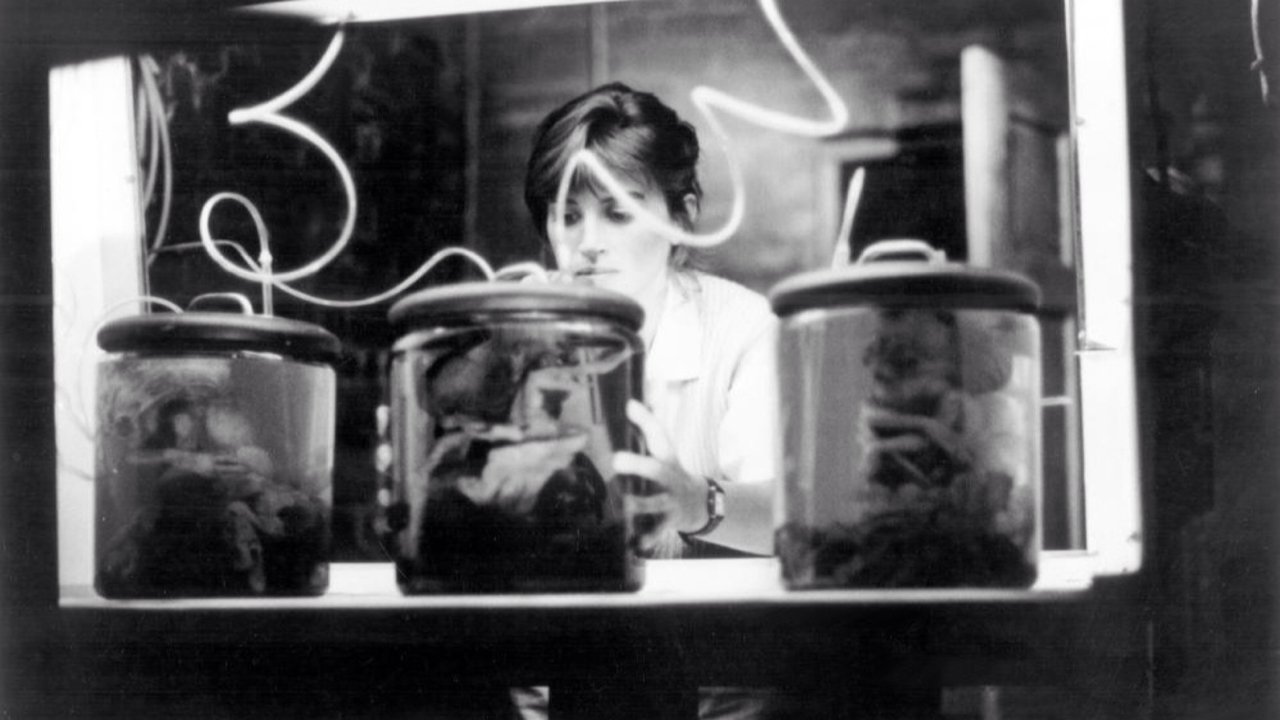
The setup is pure pulp science nightmare fuel. John Hollins (David Allen Brooks) learns his reclusive scientist mother was involved in some seriously unethical genetic research. Her dying wish sends him to her isolated old house, a place steeped in shadows and secrets. He’s not alone, bringing along his girlfriend (Amanda Pays, bringing a touch of British cool amidst the escalating madness) and some scientist friends eager to uncover his mother's potentially Nobel-worthy work. What they find instead is Anthony – John’s supposed brother, a grotesque, tentacled product of accelerated evolution and gene-splicing experiments, lurking in the basement laboratory. Oh, and the malevolent Dr. Phillip Lloyd (Rod Steiger), a former colleague of John’s mother, is ruthlessly determined to get his hands on that research, no matter the cost.
### The Beast Below
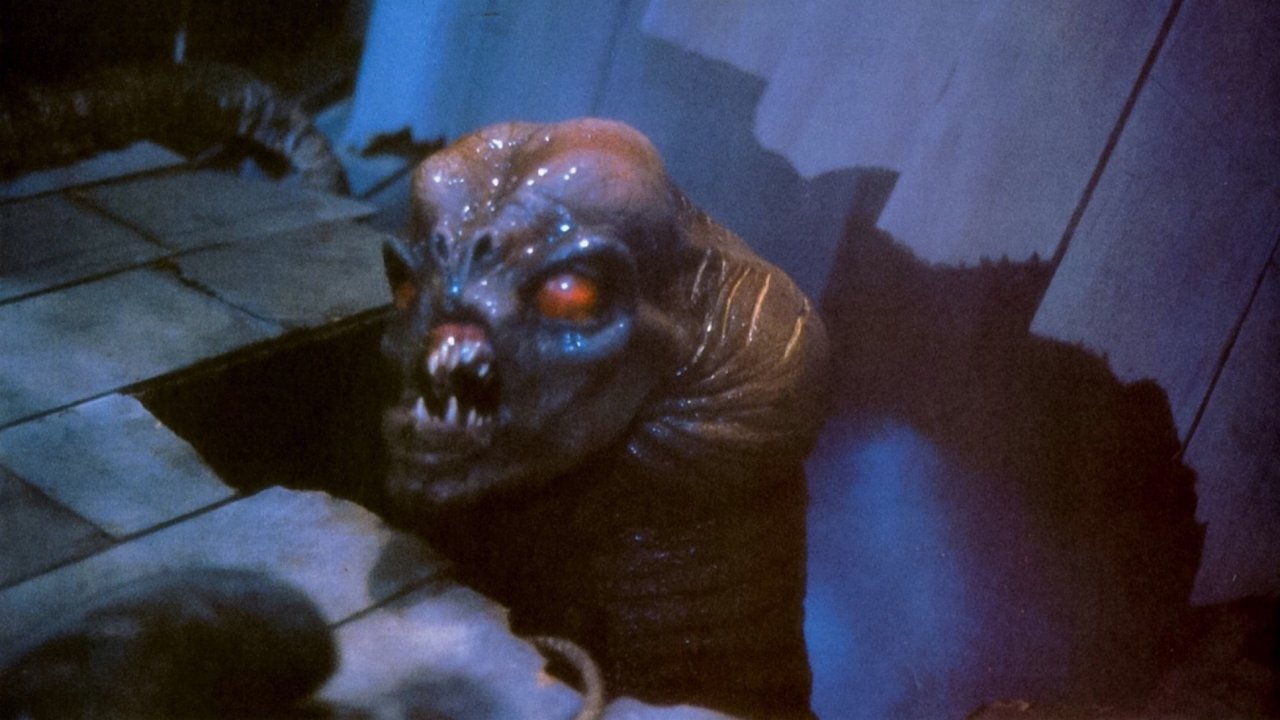
Let’s be honest, the star of The Kindred is Anthony. In an era defined by brilliant practical effects, the creature work here, spearheaded by effects artist Michael McCracken (whose slimy fingerprints are also on Swamp Thing and Return of the Living Dead Part II), is a standout achievement. Anthony isn't just a monster; he's a constantly evolving mass of teeth, tentacles, and pulsing flesh. The design feels genuinely wrong, a biological abomination that taps into primal fears of mutation and the unknown lurking within our own DNA. Remember watching that transformation scene, the sheer visceral wetness of it all? It wasn't jump scares; it was the unsettling texture and movement, the implication of unnatural life, that burrowed under your skin. The filmmakers, Stephen W. Carpenter and Jeffrey Obrow (who previously gave us the psychic chiller The Power), clearly understood that showing less, initially, and focusing on the sound and the implication built a palpable tension before the full reveal. Reportedly, crafting Anthony on a modest budget required incredible ingenuity from McCracken's team, pushing the limits of latex and mechanics to create something truly memorable.
### Steiger's Unsettling Intensity
While the creature effects provide the spectacle, it's Rod Steiger who gives the film its unnerving human threat. As Dr. Lloyd, Steiger doesn't chew the scenery; he devours it whole, injecting a manic, obsessive energy that elevates the material. There's a story that Steiger, ever the method actor, remained intensely focused and somewhat intimidating on set, channeling Lloyd's ruthless ambition. His presence grounds the more fantastical elements, making the scientific obsession feel genuinely dangerous. He’s not just a mustache-twirling villain; he’s a man consumed by a warped vision of progress, a chilling counterpoint to the instinctual horror of Anthony. Doesn't his cold determination still feel genuinely menacing?

### A Whisper of Psycho?
Digging into the film's creative DNA reveals a fascinating connection: Joseph Stefano, the screenwriter who adapted Robert Bloch's novel into Alfred Hitchcock's Psycho (1960), is credited as one of The Kindred's writers. While the film leans heavily into Cronenbergian body horror rather than pure psychological suspense, you can perhaps sense Stefano's influence in the themes of dark family secrets and the horrors hidden behind a seemingly normal façade (or, in this case, within a family tree). It adds an unexpected layer of pedigree to this slice of 80s creature horror, a subtle hint of classic genre storytelling beneath the slime and tentacles.
### That VHS Gloom and Glory
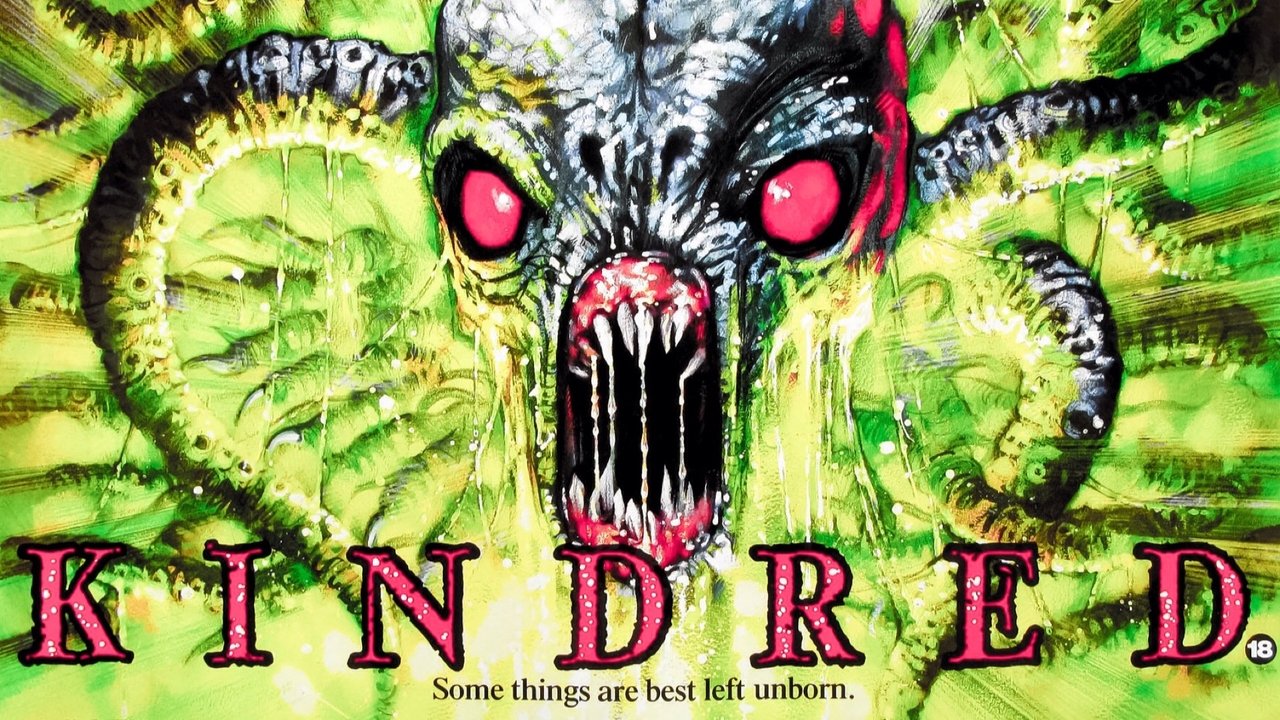
Watching The Kindred today inevitably brings back memories of dimly lit living rooms, the satisfying clunk of inserting the tape, and the specific kind of dread these movies conjured. The film’s atmosphere – the isolated house, the stormy nights, the claustrophobic lab – felt amplified by the low-resolution fuzz of VHS. The practical effects, while perhaps showing their seams more clearly on crisp Blu-ray, had a tangible, grotesque physicality on tape that digital creations often lack. It’s a film that benefits from that slightly murky, imperfect presentation, enhancing the feeling that you’ve stumbled onto something forbidden and deeply unsettling. It wasn't perfect – the pacing occasionally lags, and some supporting characters feel underdeveloped – but its commitment to its gruesome premise and its standout creature effects made it a coveted rental. I distinctly remember the slightly battered box art beckoning from the horror shelf, promising something truly monstrous within.
***
The Verdict: The Kindred is a prime slab of 80s creature feature goodness, elevated by genuinely disturbing practical effects and a commandingly intense performance from Rod Steiger. It taps into fears of genetic manipulation and hidden family horrors with gooey, memorable results. While perhaps overshadowed by bigger genre titans, it remains a potent slice of body horror that perfectly captures the visceral thrills of the VHS era.
Rating: 7.5/10 - The rating reflects its status as a strong, memorable cult horror item with fantastic creature work and atmosphere, slightly held back by pacing and some typical 80s horror tropes, but delivering solidly on its monstrous premise.
Final Thought: It’s a testament to the power of practical effects and a committed performance that The Kindred, despite its B-movie roots, still manages to make your skin crawl decades later – a truly grotesque family reunion worth revisiting.