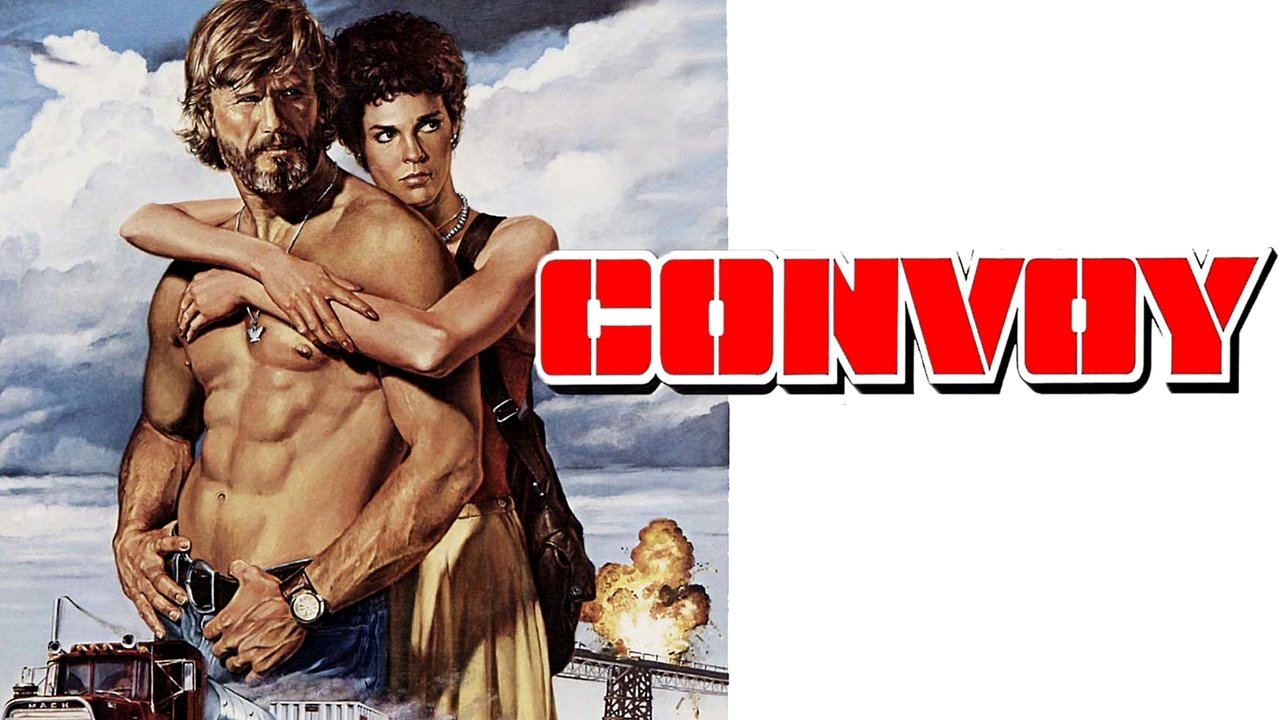
It’s a strange thing, isn't it? How certain films lodge themselves in your memory, not necessarily for cinematic perfection, but for capturing a fleeting moment, a specific cultural vibe. And few films feel quite as specific, as oddly of their time, as Sam Peckinpah's 1978 trucker epic, Convoy. Yes, you read that right. The notoriously volatile auteur behind the brutal poetry of The Wild Bunch and the grim intensity of Straw Dogs took the reins of a movie inspired by a chart-topping C.W. McCall novelty country song about CB radios and disgruntled truckers. The result is as fascinatingly uneven, chaotic, and occasionally brilliant as that unlikely pairing suggests.
Breaker One-Nine, Got Yer Ears On?
For anyone tapping into the airwaves back in the late 70s, the CB radio craze was inescapable. It was a brief, glorious moment where ordinary folks turned highways into chatrooms, adopting colourful handles and sharing road conditions, speed trap warnings, and a general sense of camaraderie against "The Man." C.W. McCall's song perfectly crystallized this rebellious, blue-collar spirit, telling the story of Martin "Rubber Duck" Penwald and his stand against a corrupt Arizona sheriff, Lyle Wallace, aka "Cottonmouth." The song hit #1 on both pop and country charts, a genuine phenomenon. Turning it into a movie seemed like a license to print money, tapping directly into that populist zeitgeist. Handing it to Peckinpah, however? That felt like giving nitroglycerin to a demolition crew – potentially explosive, definitely dangerous.
Rolling Thunder, Shifting Gears
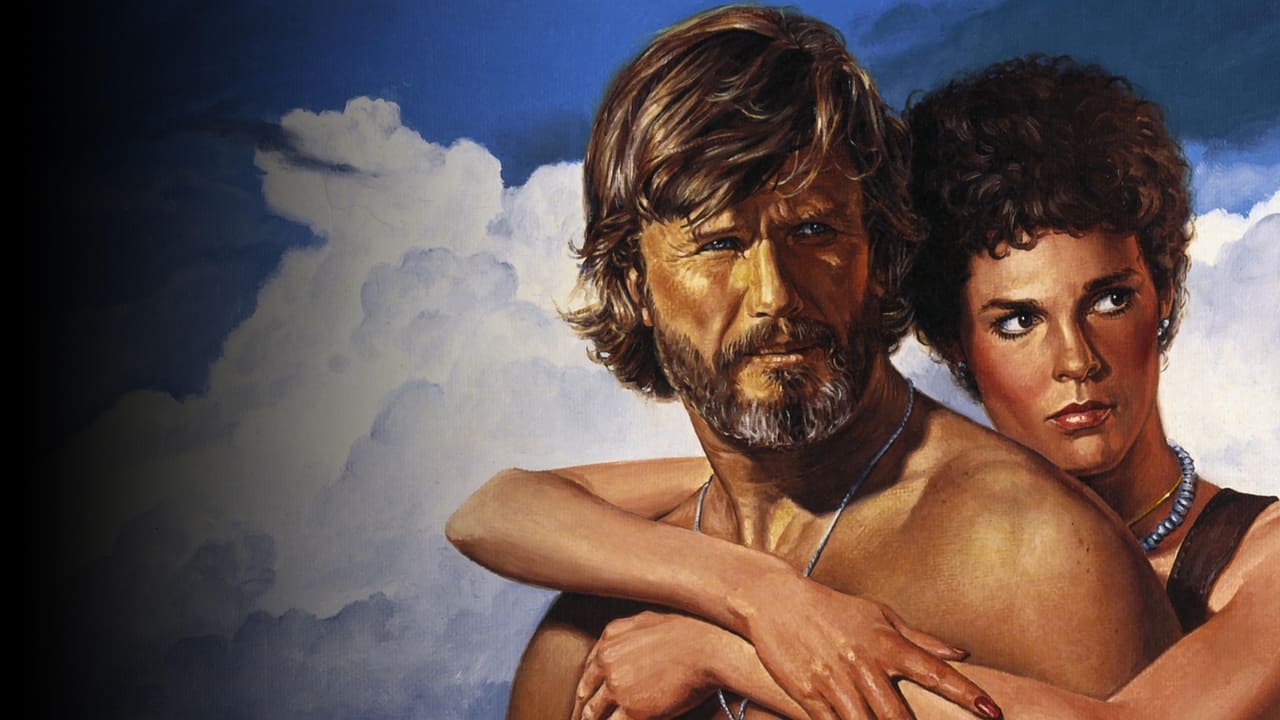
The film, starring Kris Kristofferson as the impossibly cool and laconic Rubber Duck, expands on the song's simple premise. A confrontation over petty harassment by Sheriff "Dirty Lyle" Wallace (Ernest Borgnine, chewing scenery with magnificent gusto) escalates rapidly. What starts as a small act of defiance by Duck, Melissa (a photographer played by Ali MacGraw, fresh off her Love Story fame and adding a touch of outsider glamour), Pig Pen, and Spider Mike quickly snowballs. More truckers join in solidarity, their rigs forming an immense, roaring serpent of steel snaking across the Southwestern desert highways – a spontaneous protest movement fueled by shared frustration and communicated entirely over the crackling CB airwaves.
There’s an undeniable thrill to the early scenes – the camaraderie, the sheer visual spectacle of the trucks rumbling en masse, the simple David vs. Goliath narrative. Kristofferson embodies the reluctant leader archetype perfectly; his charisma lies in his quiet stoicism, a world-weariness punctuated by wry smiles. Borgnine, meanwhile, is pure, unadulterated villainy, a caricature of abusive authority that taps right into the anti-establishment sentiment of the era. You can practically feel the collective cheer from 70s audiences every time Dirty Lyle gets his comeuppance.
Peckinpah's Roadblock


But this is a Sam Peckinpah film, and beneath the surface-level action and populist appeal, things get messy. The production itself was notoriously troubled. Stories abound of Peckinpah's erratic behavior, fueled by personal demons and clashes with producers. Second-unit director James Coburn reportedly shot a significant amount of footage just to keep things moving. The budget ballooned from an initial estimate to around $12 million (roughly $56 million today), though it did become Peckinpah's highest-grossing film, pulling in $45 million ($211 million today).
This chaos arguably seeps onto the screen. The tone veers wildly between road-action romp, broad comedy (often involving Borgnine's increasingly flustered sheriff), moments of surprising character depth (particularly Spider Mike's plight), and flashes of Peckinpah's trademark slow-motion violence, especially in the explosive finale. It sometimes feels like several different movies jostling for control of the wheel. MacGraw’s character, while providing a necessary narrative viewpoint, often feels somewhat adrift, her burgeoning romance with Duck less compelling than the brotherhood of the truckers.
Diesel Dreams and Desert Dust
Where Convoy truly succeeds is in its atmosphere and spectacle. The vast desert landscapes are captured beautifully, emphasizing the isolation and freedom of the open road. And the trucks... oh, the trucks. They are characters in themselves, hulking metal beasts lovingly filmed. The logistics of coordinating and filming dozens of eighteen-wheelers must have been immense, a testament to the practical filmmaking prowess of the era. One can only imagine the fuel bill! The stunts, particularly the bridge sequence and the final confrontation, have a visceral, weighty impact that CGI simply can't replicate. You feel the crunch of metal, the rumble of the engines deep in your chest – pure VHS-era sensory experience. I distinctly remember renting this one from the local video store, the oversized clamshell case promising exactly this kind of large-scale vehicular mayhem, and on that front, it delivered.
Legacy on the Long Haul
Is Convoy a great film? Probably not, in the traditional sense. Its narrative is disjointed, its tone inconsistent, and its grasp often exceeds its reach thematically. Yet, it remains undeniably watchable, even compelling. It’s a fascinating time capsule of the CB radio fad and late-70s cynicism. It features Kristofferson at peak rugged charm and Borgnine delivering a masterclass in cartoonish antagonism. And lurking within its chaotic structure are glimpses of Peckinpah's genius – a questioning of leadership, the co-opting of rebellion by media and politics, and the melancholy realization that even righteous anger can spiral out of control. What does it mean when your simple act of defiance becomes a symbol you can no longer manage? The film doesn't fully explore these ideas, but they linger like exhaust fumes on a hot highway.
For fans of 70s action, vehicular spectacle, or just remembering a time when talking truckers were folk heroes, Convoy offers a bumpy but ultimately rewarding ride. It’s a film that feels both incredibly dated and strangely relevant, a cinematic oddity born from a pop culture moment and filtered through the lens of a maverick director nearing the end of his tumultuous road.
---

Rating: 6.5/10
Justification: While undeniably flawed with tonal inconsistencies and a chaotic feel reflecting its troubled production, Convoy delivers impressive large-scale practical truck action, captures a specific cultural moment vividly, and benefits from Kristofferson's cool charisma and Borgnine's delightful villainy. It falls short of Peckinpah's best work but remains a fascinating, entertaining artifact of its era, offering more food for thought than its novelty song origins might suggest.
Final Thought: It leaves you pondering the thin line between folk hero and media creation, all set to the rumble of diesel engines and the crackle of a CB radio fading into the desert sunset. 10-4, good buddy.