## The Grand Collision: Navigating Mike Figgis's Audacious Timecode
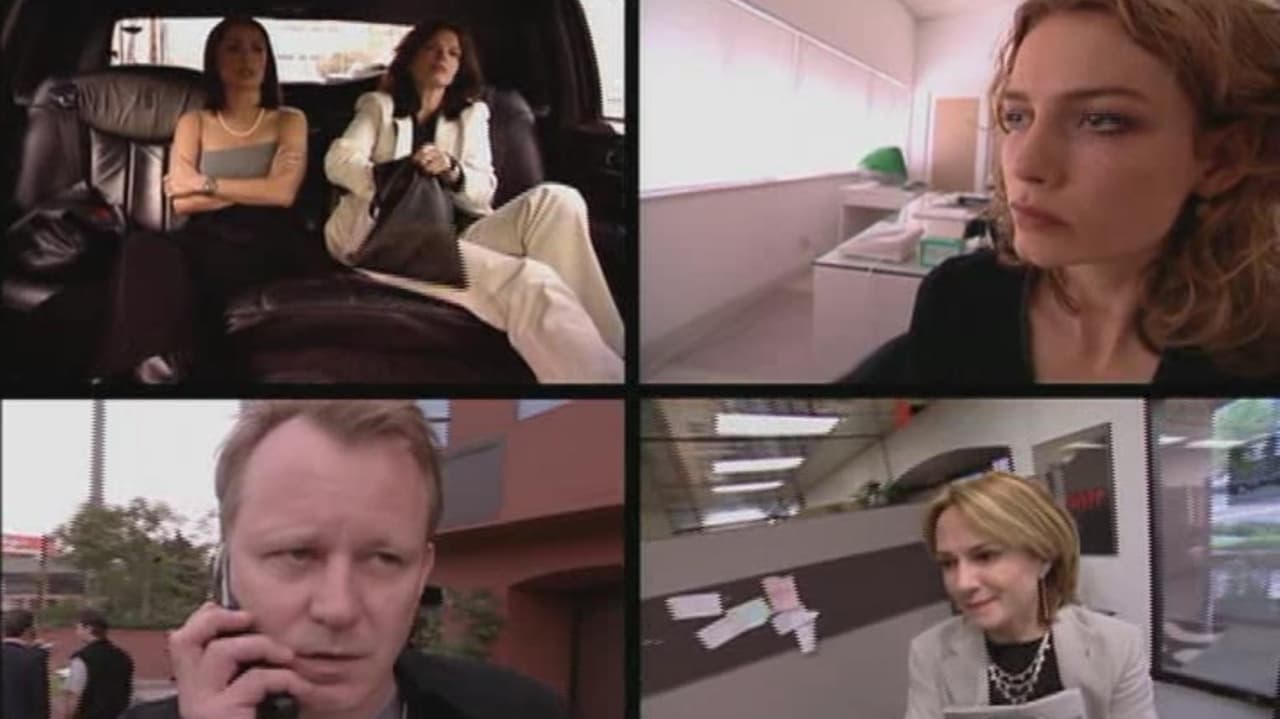
There are films you watch, and then there are films you navigate. Mike Figgis's Timecode (2000) firmly belongs in the latter category. Arriving right at the dawn of the new millennium, it felt less like a traditional movie and more like a bold, perhaps slightly mad, declaration about the possibilities (and potential pitfalls) of burgeoning digital technology. Forget the comfort of slick editing guiding your eye; Timecode throws four simultaneous narratives at you, unfolding in real-time across a quartet of screens, demanding your active participation. Picking this up on DVD (as VHS was just beginning its fade) felt like acquiring a puzzle box rather than a simple evening's entertainment.
Four Screens, One Afternoon
The setup is deceptively simple, yet technically audacious. We witness roughly 90 minutes in the lives of various interconnected characters orbiting a fictional Hollywood production company, Red Epicenter Productions. The screen is divided into four quadrants, each following a different perspective via a single, unbroken digital video take. There's Rose (Salma Hayek), an aspiring actress nervously awaiting an audition while navigating a complicated relationship with Alex (Stellan Skarsgård), a troubled, alcoholic film executive. Meanwhile, Alex's wife, Emma (Saffron Burrows), considers leaving him, confiding her anxieties to her therapist while simultaneously being observed by Lauren (Jeanne Tripplehorn), a jealous lover secretly recording her session. Lauren, in turn, is pitching a film idea to Alex. Add in a struggling filmmaker (Alessandro Nivola), various industry types, and an earthquake subplot, and you have a tangled web playing out concurrently.
The Actor's Tightrope
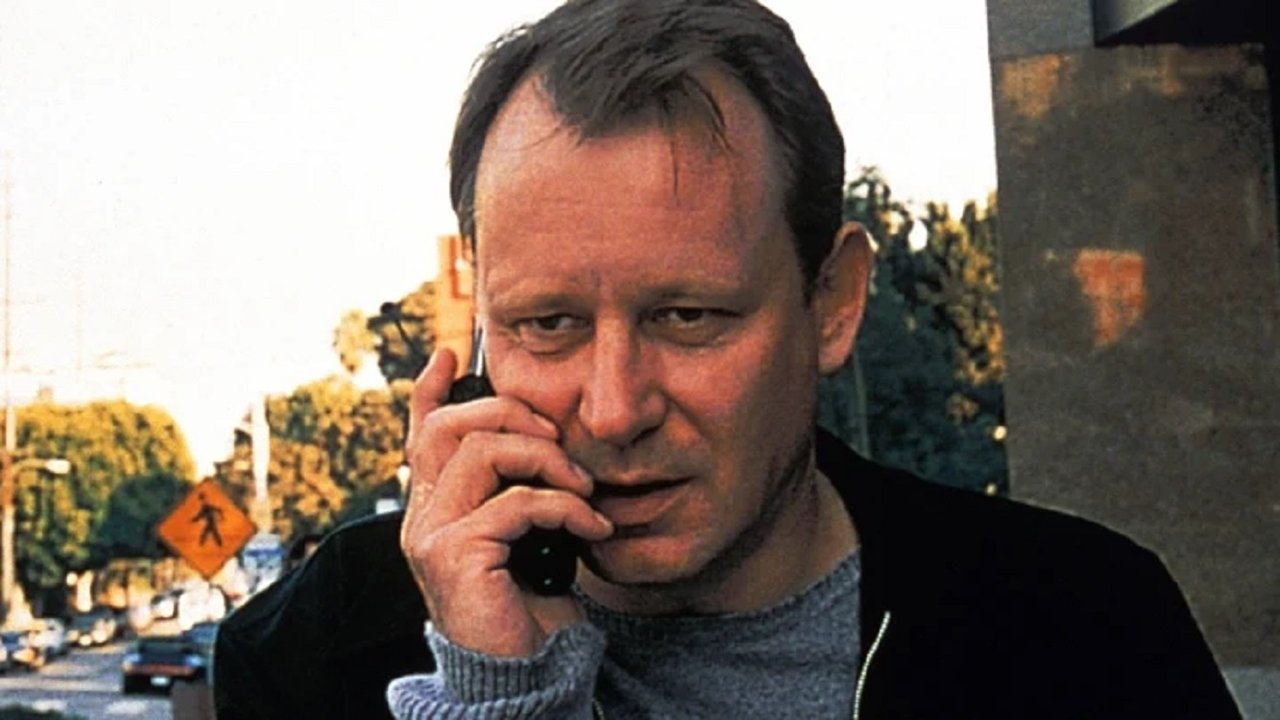
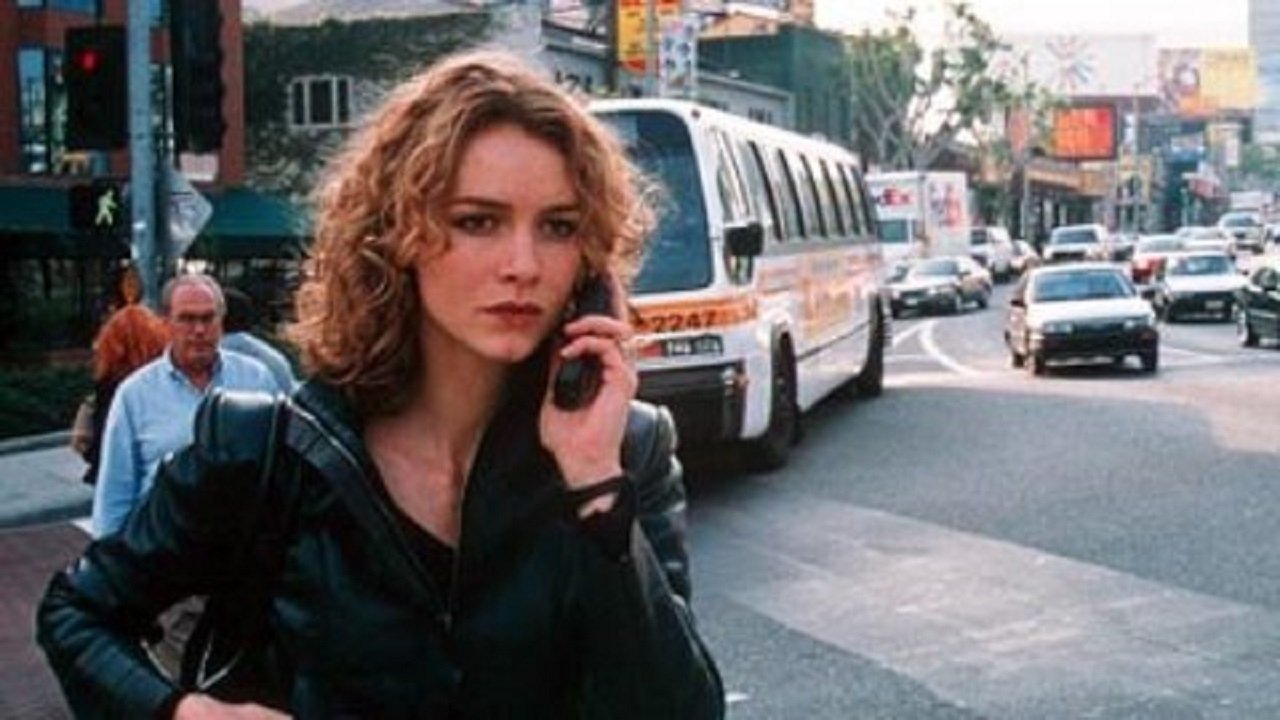
What makes Timecode more than just a gimmick is the raw energy generated by its constraints. The dialogue was largely improvised by the cast, working from Figgis's detailed outline and character notes. This lends an undeniable, if sometimes messy, authenticity to the interactions. Watching Salma Hayek wrestle with Rose's ambition and vulnerability, or Stellan Skarsgård embody Alex's barely concealed desperation, feels intensely immediate. You sense the actors aren't just performing; they're reacting, thinking on their feet, navigating the narrative tightrope without the safety net of multiple takes and careful edits. Jeanne Tripplehorn's Lauren, radiating a simmering intensity, becomes a focal point of suspicion and intrigue purely through her sustained presence and reactions within her quadrant.
Figgis, known for the starkly different, Oscar-winning intensity of Leaving Las Vegas (1995), reportedly shot the entire 90-minute film fifteen times over two weeks, using handheld Sony DSR-PD100 digital cameras – tools that were relatively accessible but still novel for feature filmmaking at the time. The final version released was, incredibly, the fifteenth take, captured on April 19, 1999, between 3:00 PM and 4:31 PM PST. This commitment to the real-time, single-take concept is palpable; the occasional technical glitch or slightly awkward moment isn't hidden but becomes part of the film's unique texture.
Directing the Audience's Gaze
The split-screen format forces a constant choice: where do you look? Figgis subtly guides the viewer by manipulating the sound mix, bringing the audio from the most narratively significant quadrant to the forefront. Yet, the temptation to scan the other screens, to catch nuances or parallel actions, is ever-present. Are you missing a crucial detail in one corner while focusing on another? This active engagement transforms the viewing experience. You're not passively receiving information; you're actively assembling the story, piecing together connections, essentially performing the role of the editor in your own mind. It's a fascinating experiment in perspective, highlighting how much traditional filmmaking relies on curated focus. Does it always work? Not perfectly. Sometimes the sheer volume of information can feel overwhelming, or one storyline might lag while another demands attention.
A Digital Artifact
Timecode wasn't a box office smash (grossing around $5 million worldwide against its estimated $4 million budget), nor did it spark a wave of multi-screen narratives. Its legacy lies more in its bold experimental spirit. It stands as a fascinating artifact from a specific moment – the transition point where digital video began challenging the dominance of film, opening doors for radical new approaches to storytelling. It explored themes of surveillance, fractured communication, and the chaotic interconnectivity of modern life in a way that felt distinctly tied to the technology enabling it. Seeing these recognizable actors (Kyle MacLachlan, Holly Hunter, and Julian Sands also appear) commit so fully to such an unconventional project adds another layer of intrigue. It’s a reminder of a time when filmmakers were still figuring out the language of digital, throwing things at the wall to see what stuck.
Rating: 7/10
This score reflects the film's undeniable ambition, technical innovation, and the unique, engaging viewing experience it offers, balanced against the fact that the narrative itself, stripped of its gimmick, is a fairly standard Hollywood satire. The acting is largely compelling due to the improvisational, high-wire nature of the production. It succeeds more as a bold experiment and a time capsule of early digital filmmaking possibilities than as a perfectly satisfying narrative drama. However, the sheer audacity of pulling it off, and the way it forces the viewer to actively participate, makes it a memorable and worthwhile curiosity.
Timecode remains a testament to cinematic risk-taking. It may not be a comfortable watch, but it lingers – a four-way mirror reflecting the messy, simultaneous dramas that often unfold just out of frame in our own lives. What story are we missing while focusing on just one?