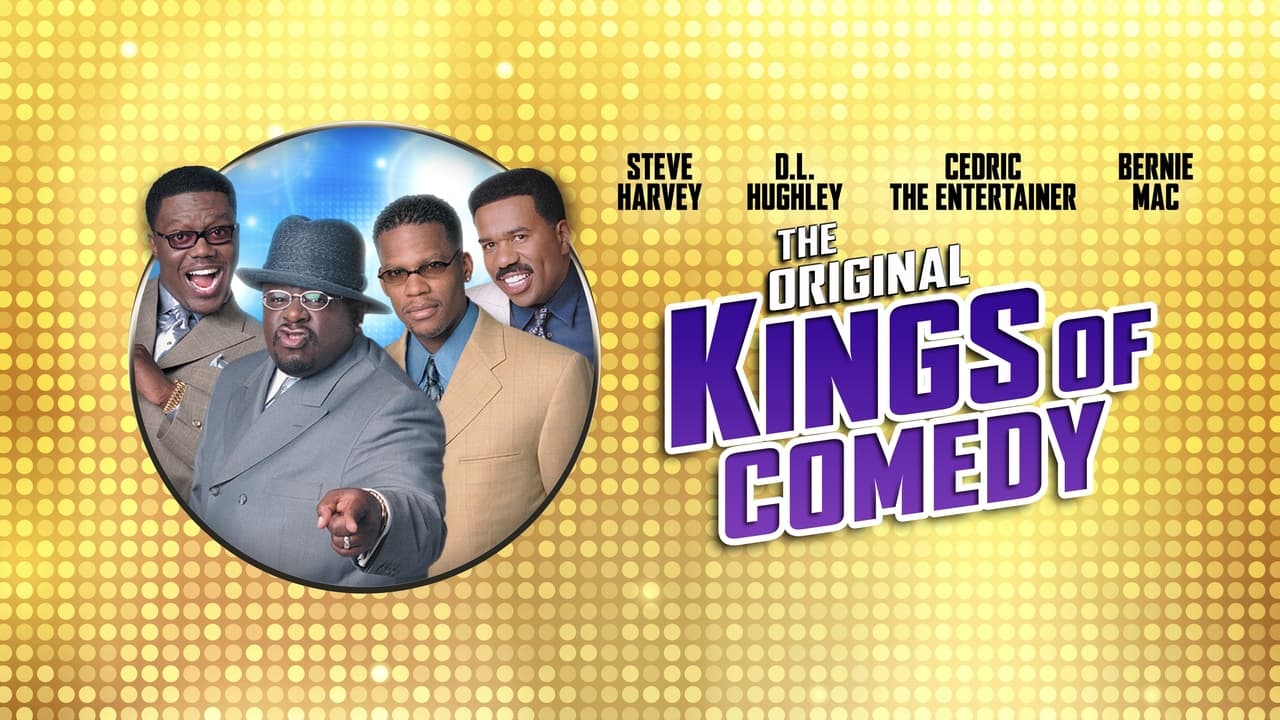
Alright, settle in, grab your beverage of choice, and let’s talk about a moment captured on tape (or, okay, maybe early DVD for this one, but the spirit is pure VHS Heaven) that felt like absolute lightning in a bottle. I’m talking about Spike Lee’s 2000 concert film, The Original Kings of Comedy. Forget CGI explosions; the pyrotechnics here were purely verbal, delivered by four absolute masters at the peak of their powers, and the impact felt just as seismic. This wasn't just a comedy special; it was an event.
More Than Just Jokes: A Cultural Moment
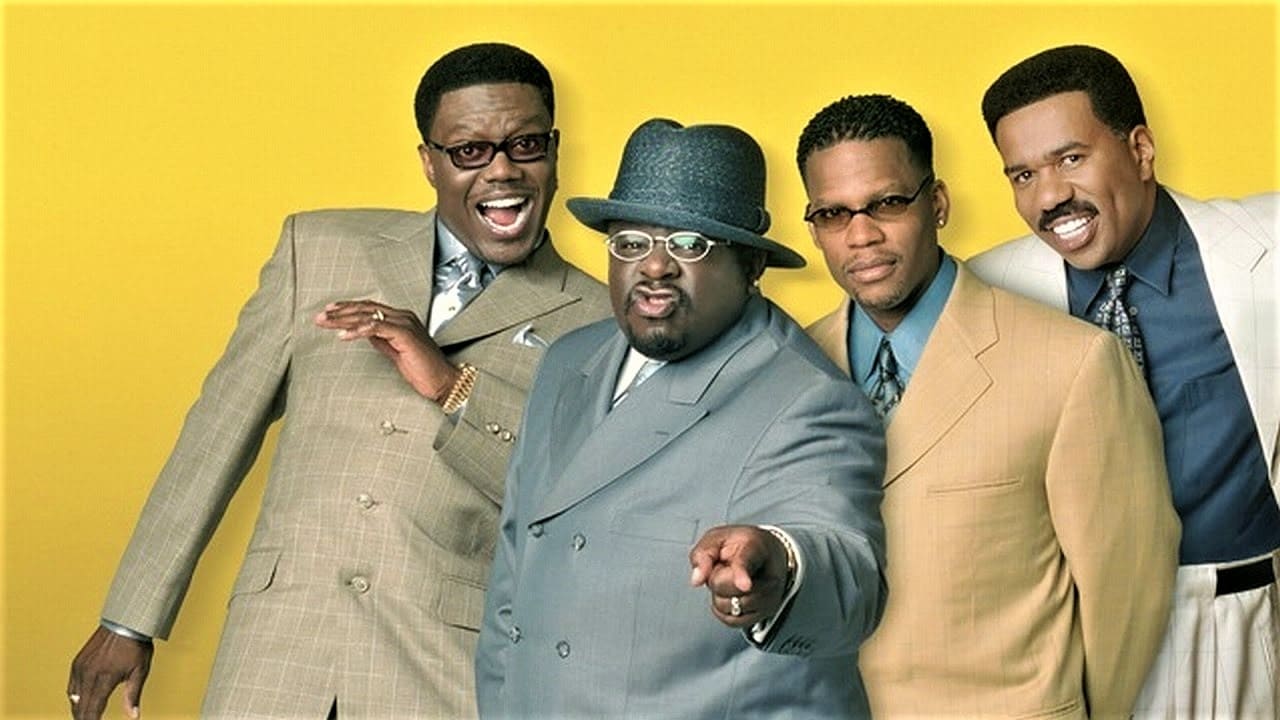
Remember that feeling around Y2K? There was a buzz in the air, and musically, culturally, things felt like they were shifting. Into that atmosphere stepped Steve Harvey, D.L. Hughley, Cedric the Entertainer, and the late, truly great Bernie Mac. They weren't just telling jokes; they were holding court, reflecting a specific Black cultural experience with an honesty and swagger that was electrifying. It's easy to forget now, with comedy specials dropping constantly, how huge the original Kings of Comedy tour was. We're talking record-breaking numbers – the tour itself reportedly raked in over $37 million before the cameras even rolled for the film adaptation! This wasn't some club gig; this was arena-level comedy, proving the massive audience hungry for these voices.
Capturing the Raw Energy
Bringing Spike Lee (yes, that Spike Lee, the man who gave us Do the Right Thing (1989) and Malcolm X (1992)) onboard to direct might have seemed like an odd choice on paper, but it was genius. He didn't just point a camera at the stage; he captured the vibe. Filmed over two nights at the Charlotte Coliseum in North Carolina, Lee uses dynamic camera angles, cuts to the roaring audience, and incorporates intimate backstage moments that make you feel like you're right there, sweating under the lights, part of the shared laughter.
This is where the "practical effects" of stand-up come in. There's no digital smoothing here. You feel the rhythm of the performers, the way they command the stage, the palpable connection with thousands of people hanging on every word. It’s raw, unfiltered. When Bernie Mac launched into one of his legendary, intense riffs – pacing the stage, voice rising, eyes blazing – the energy coming off the screen was tangible. You couldn’t fake that. Remember how real that felt compared to some of today's more polished, almost surgically edited specials? That’s the magic Lee captured.

### The Four Horsemen of Hilarity Each King brought his own distinct flavor to the proceedings:
- Steve Harvey, the smooth MC, setting the stage, working the crowd with his relatable observations about relationships and church life. His charisma is undeniable, effortlessly bridging the acts.
- D.L. Hughley, the sharp, politically aware commentator, slicing through societal issues and everyday frustrations with a cynical edge that was both hilarious and thought-provoking.
- Cedric the Entertainer, the versatile showman, blending observational humor with physical comedy and even musical bits (his "I Feel Good" bit is pure gold). He had this incredible ability to embody characters and scenarios that felt instantly familiar.
- And then... Bernie Mac. What can you even say? An absolute force of nature. His "You don't understand!" catchphrase became legendary. He was fearless, intense, and utterly unique, tackling topics from family discipline to tough love with a blend of fury and undeniable affection that was hysterically funny and, honestly, a little bit scary in the best way possible. His passing in 2008 left a massive hole in the comedy world, and this film stands as a glorious testament to his power.
Retro Fun Fact: The film itself was made on a relatively modest budget of around $3 million but became a massive hit, grossing over $38 million at the box office. It proved, unequivocally, the mainstream appeal and market power of these comedians and this style of comedy, significantly boosting all four of their careers into household name status.

Backstage Banter and Lasting Laughs
The segments interspersed between the stand-up sets, showing the Kings backstage playing cards, busting chops, and just being themselves, are almost as entertaining as the performances. It showcases their camaraderie, their shared history, and the genuine respect (and playful rivalry) between them. It adds a layer of warmth and personality that elevates the film beyond just a series of routines.
Sure, watching it now, some jokes or cultural references might feel dated – it was filmed over two decades ago. But the core comedic talent, the delivery, the stage presence, and the sheer force of personality on display? That stuff is timeless. It’s a snapshot of a particular peak in stand-up history, delivered by performers who knew exactly how to work a massive room and make it feel intimate.
Rating: 9/10
This score is earned through the sheer comedic talent firing on all cylinders, Spike Lee's vibrant direction capturing the live energy perfectly, the historical significance of the tour and film, and its undeniable entertainment value. It loses a point only because, like any time capsule, some specific references haven't aged as universally well, but the laughter remains potent.
Final Thought: The Original Kings of Comedy isn't just funny; it's pure, uncut stage presence from an era before comedy felt quite so polished. It’s a loud, proud, and hilariously essential document of four masters owning the damn stage. Track it down – you'll understand.