The Little Mermaid II: Return to the Sea
Okay, fellow tape travelers, let's rewind to the turn of the millennium. The year is 2000. Blockbuster and Hollywood Video shelves are groaning under the weight of new releases, and amidst the expected big-screen titles, a familiar clamshell case catches the eye. The Little Mermaid II: Return to the Sea. The very existence of a sequel to the 1989 masterpiece that arguably kicked off Disney's second golden age felt... significant. Maybe a little risky? It wasn't hitting theaters, landing straight onto VHS (and nascent DVD), a hallmark of a certain kind of Disney follow-up that became ubiquitous in the late 90s and early 00s. Did it recapture the magic? Well, let's dive in.
### Flipping the Fins: A New Generation's Wish
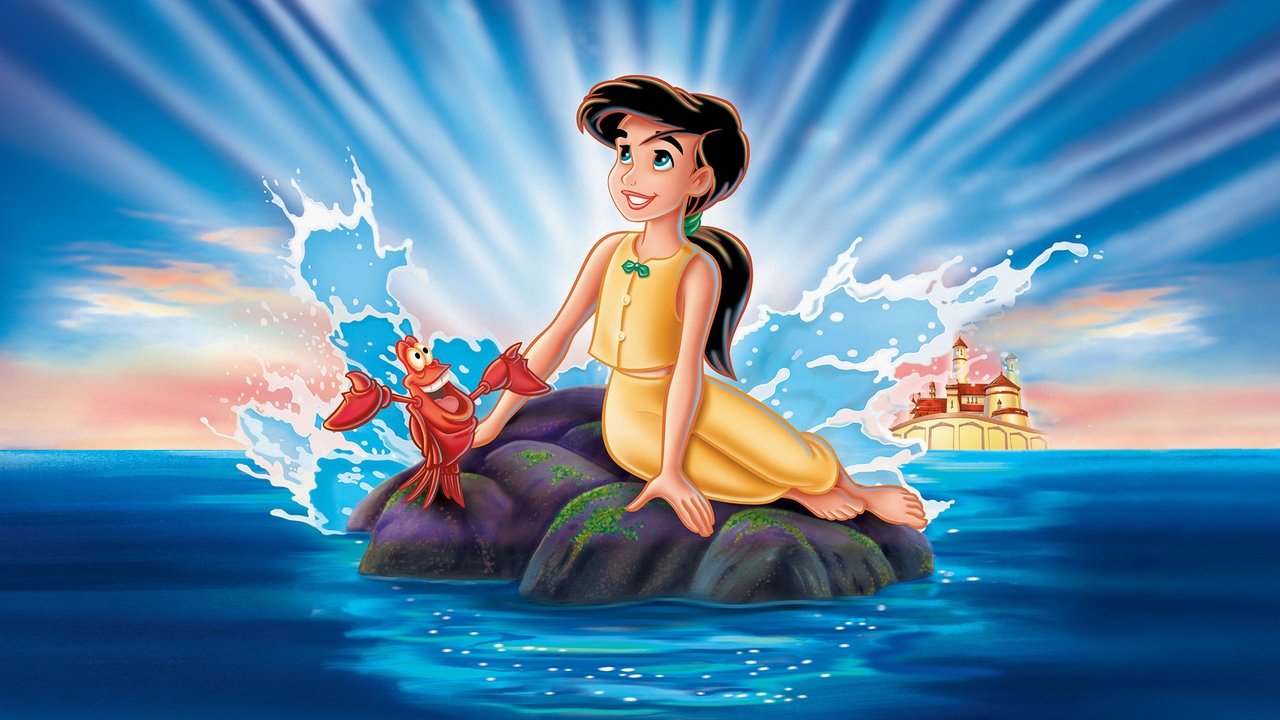
The premise itself is a neat, almost symmetrical inversion of the original. Ariel, now Queen of the land alongside Prince Eric, has a daughter, Melody. But instead of a mermaid dreaming of legs, Melody is a human girl irresistibly drawn to the forbidden ocean depths. Kept away from the sea due to the lingering threat of Morgana – Ursula's vengeful, less charismatic sister – Melody feels stifled and misunderstood. Sound familiar? Directed by Jim Kammerud and Brian Smith, from a story penned by Elizabeth Anderson, Temple Mathews, Jule Selbo, and Elise D'Haene, the film leans heavily into mirroring Ariel's journey, sometimes to a fault. Melody, voiced with youthful energy by the prolific Tara Strong (a voice many would recognize from The Powerpuff Girls or later, Teen Titans), eventually makes a Faustian bargain with Morgana to become a mermaid, setting events in motion that force Ariel to, quite literally, return to the sea.
### Echoes Under the Sea
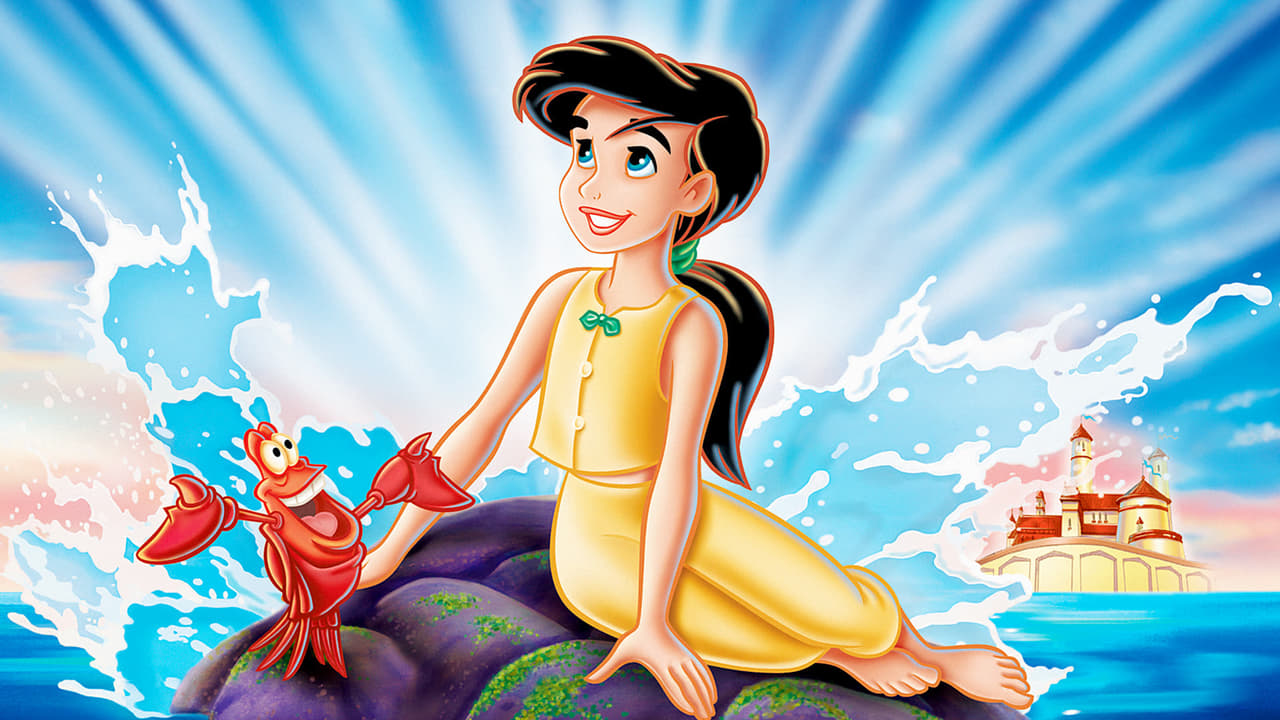
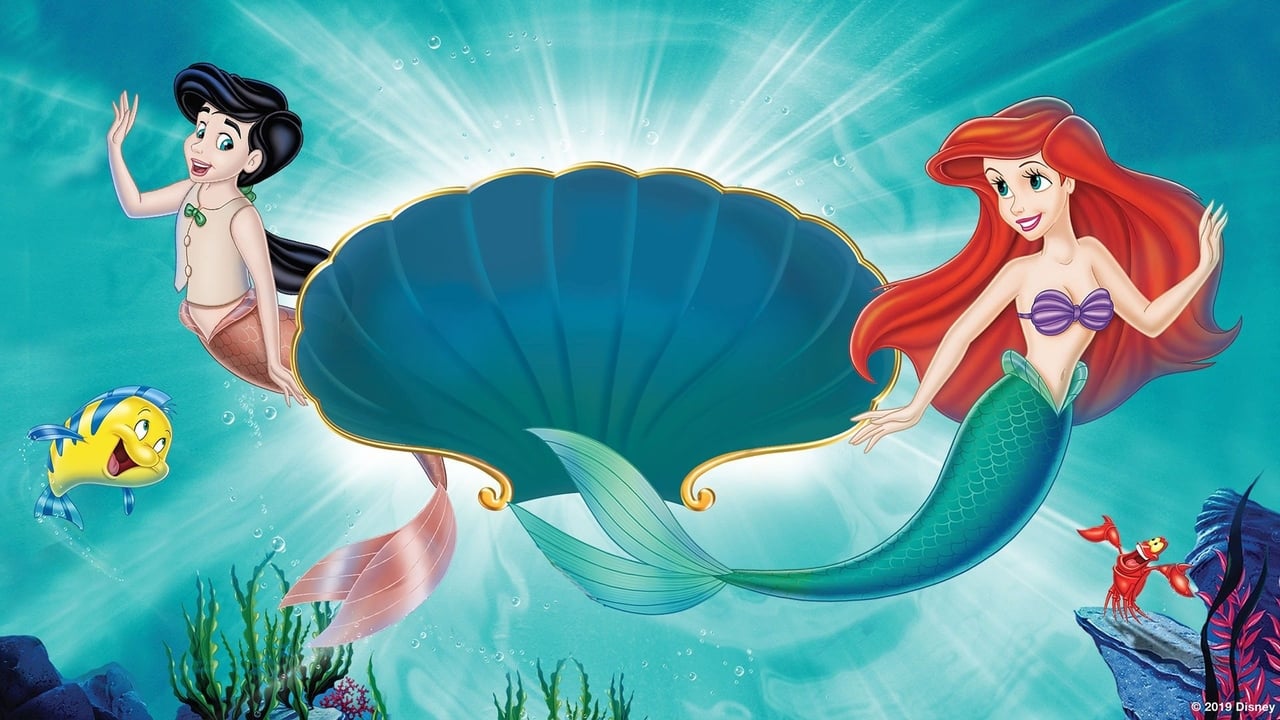
Visually, Return to the Sea immediately signals its direct-to-video origins. While perfectly competent, the animation, handled primarily by Disneytoon Studios in Australia and Canada, lacks the fluidity, detail, and sheer breathtaking artistry of the 1989 theatrical release. Backgrounds feel a little flatter, character movements occasionally stiffer. It's understandable given the significantly lower budget and faster production schedule typical of these releases, but for anyone holding the original in high reverence, the difference is palpable. It feels less like a grand cinematic event and more like a Saturday morning cartoon special – albeit a high-quality one for its time and format.
The music also treads water rather than making waves. While featuring returning composer Danny Troob arranging new songs, the tunes lack the instant-classic status and narrative depth of Alan Menken and Howard Ashman's iconic score. Tracks like "Down to the Sea" and "For a Moment" are pleasant enough, but they don't lodge themselves in your memory quite like "Part of Your World" or "Under the Sea." They service the plot but rarely elevate it.
### Familiar Voices and New Faces
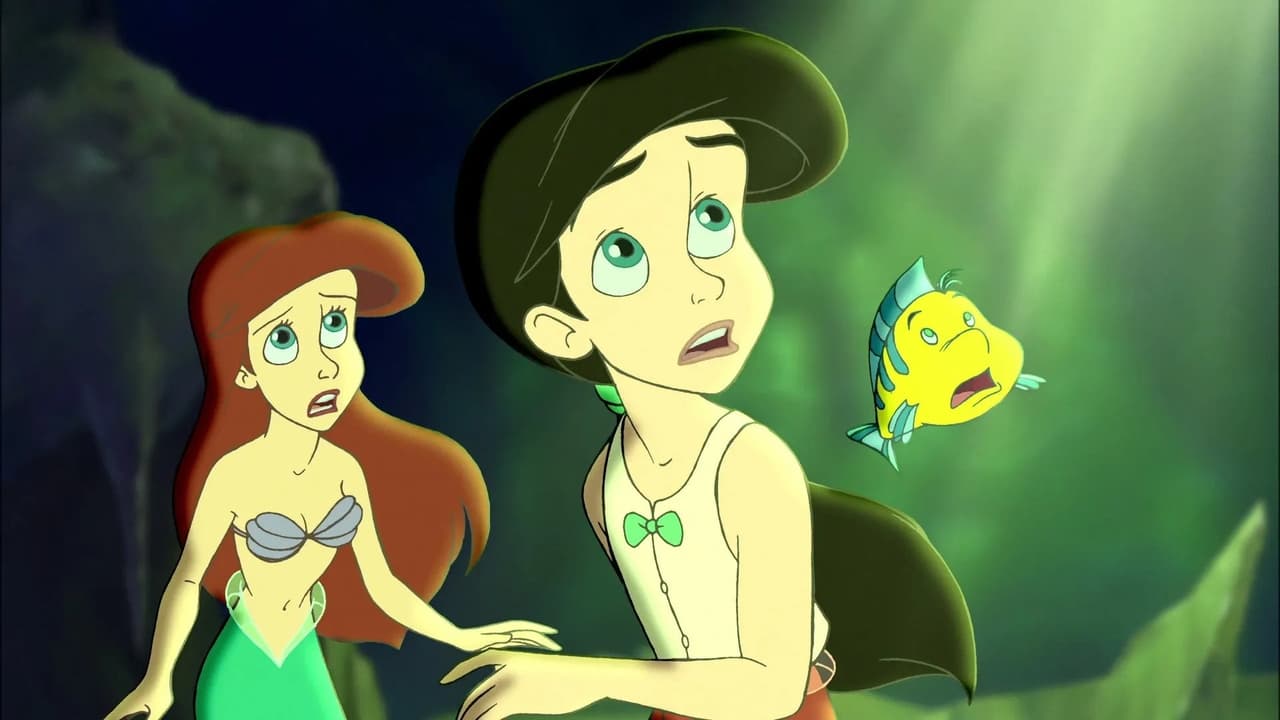
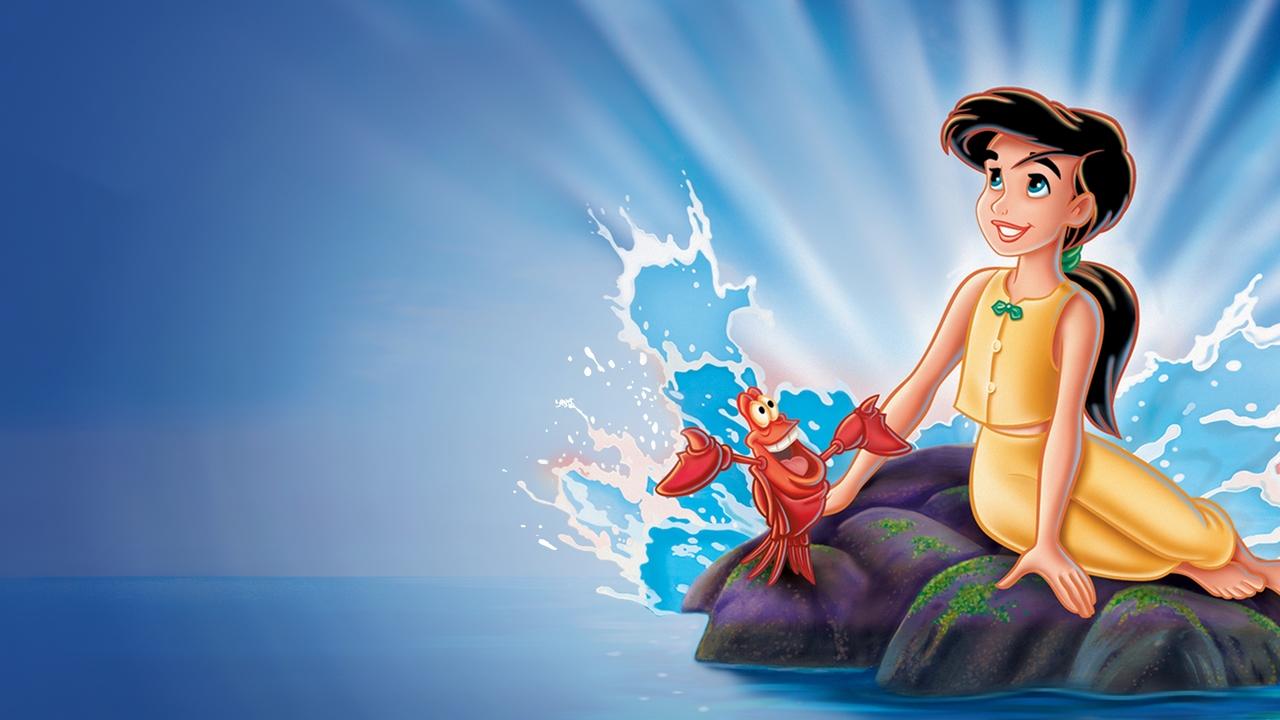
Where the film undeniably scores points is the return of key voice talent. Hearing Jodi Benson back as Ariel is wonderful; her voice is Ariel, bringing immediate warmth and recognition. Likewise, Samuel E. Wright slipping back into Sebastian's crabby-but-lovable persona provides essential continuity and charm. These performances anchor the film, offering a comforting link to the original that smooths over some of the rougher edges.
Tara Strong does a commendable job differentiating Melody from Ariel, giving her a distinct, slightly more modern adolescent energy. The new animal sidekicks, Tip the penguin (voiced by Max Casella) and Dash the walrus (Stephen Furst), are clearly meant to evoke the Timon and Pumbaa dynamic but never quite achieve that level of memorable comedic chemistry. They feel a bit like obligatory additions rather than organically integrated characters. Pat Carroll, who voiced Ursula, sadly doesn't return, but Susan Blu steps in to voice Morgana, delivering a performance that feels deliberately like a less impactful echo of her sister's magnificent menace.
### Direct-to-Video Reality Bites
It's impossible to discuss The Little Mermaid II without acknowledging its context. Disney's direct-to-video sequels were a massive business strategy. They capitalized on the affection for beloved characters, providing new content for the home video market at a fraction of the cost of a theatrical feature. Some, like The Lion King II: Simba's Pride (1998), managed to find their own voice and emotional resonance. Others... less so. Return to the Sea falls somewhere in the middle. It was reportedly one of the best-selling home video titles of 2000, shifting millions of units, proving the appetite was certainly there. For kids who maybe hadn't endlessly rewatched the original, or simply craved more adventures in that world, it likely hit the spot perfectly. I remember seeing it on the rental shelf, a familiar comfort promising more underwater escapades, even if you instinctively knew it wouldn't quite be the same.
The plot's reliance on mirroring the original, while perhaps intended as homage, often feels more like a creative shortcut. Melody's rebellious yearning, the manipulative sea-witch offering a transformation, the ticking clock – it’s all very familiar territory. While the theme of bridging the worlds of land and sea is revisited, it doesn't explore it with the same depth or nuance.
### Final Thoughts: Worth the Rental Rewind?
The Little Mermaid II: Return to the Sea is a product of its time – a time when beloved animated classics frequently received less-funded, quickly produced sequels destined for the VHS racks. It lacks the artistic grandeur, musical brilliance, and narrative originality of its predecessor. The animation is simpler, the villain less compelling, and the story beats feel overly recycled.
However, viewed through the lens of nostalgic affection for that specific era of home video, it retains a certain charm. The returning voice cast is a genuine delight, Tara Strong brings life to Melody, and the core idea of flipping the narrative offers some initial intrigue. It aimed to give fans more of a world they loved, even if it was a diluted version. It’s the cinematic equivalent of a cover band playing your favorite group's hits – enjoyable enough in the moment, but clearly not the real thing.
Rating: 5/10
Justification: The rating reflects the film's status as a direct-to-video sequel. While competent and featuring welcome returning voice talent (Benson, Wright) and a solid lead performance from Strong, it suffers from noticeably lower animation quality, weaker songs, a derivative plot heavily recycling beats from the original, and a forgettable villain. It meets the basic requirements of a sequel but lacks the magic and artistry of the 1989 classic, landing squarely in average territory for its specific market and time.
Final Comment: While it never quite escapes the shadow of the original masterpiece, Return to the Sea was a familiar sight on video store shelves, offering kids another splash in Ariel's world – even if the water felt a little shallower this time around.