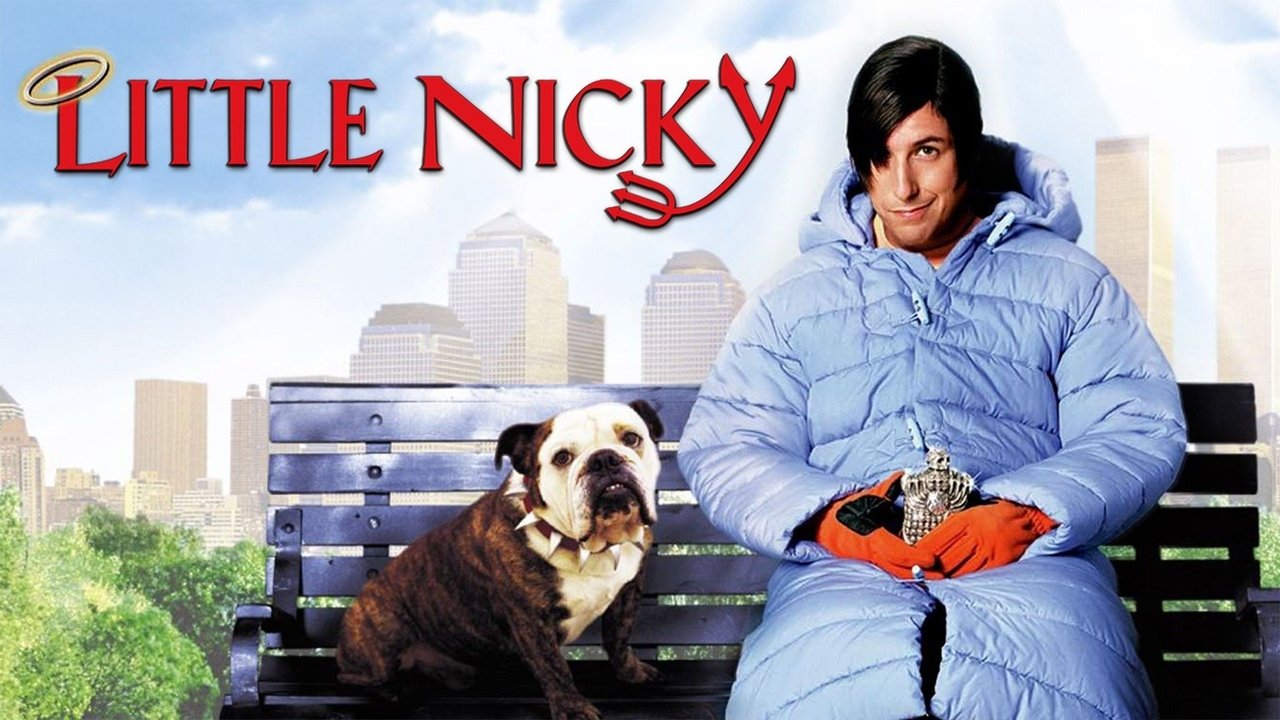
Okay, rewind your mind palace back past the Y2K panic, right to the year 2000. The video store shelves were still clinging to life, the promise of DVD was looming, but that glorious wall of VHS tapes still held sway. And nestled somewhere between the established hits and the straight-to-video weirdness, you might have found a truly bizarre, brightly coloured box featuring Adam Sandler looking... well, off. That, my friends, was Little Nicky, a film that landed with a bit of a thud critically but has since cultivated that special kind of affection reserved for ambitious, deeply strange studio comedies. It wasn't quite the 90s Sandler peak of Billy Madison (1995) or Happy Gilmore (1996), but man, was it something.
### Welcome to Hell (via New York)
The premise alone is wonderfully bonkers: Harvey Keitel, chewing scenery with glorious gusto as Satan himself, is ready to retire. But his two elder sons, the scheming Adrian (Rhys Ifans) and the brutish Cassius (Tommy "Tiny" Lister Jr.), aren't chosen as successors. Piqued, they escape Hell, freeze the portal behind them (causing Dad to start literally falling apart), and begin wreaking havoc on Earth. This leaves the fate of Hell, and Earth, in the unlikely hands of Nicky (Adam Sandler), the sweet-natured, speech-impaired, metal-loving youngest son who’s never really left home. Sent topside with a talking bulldog named Mr. Beefy (voiced by Robert Smigel), Nicky has to track down his brothers and trap them in a magical silver flask before his dad disintegrates completely. Oh, and he falls for a quirky art student named Valerie, played with endearing charm by Patricia Arquette. Simple, right?
### That Early 2000s Sandler Energy
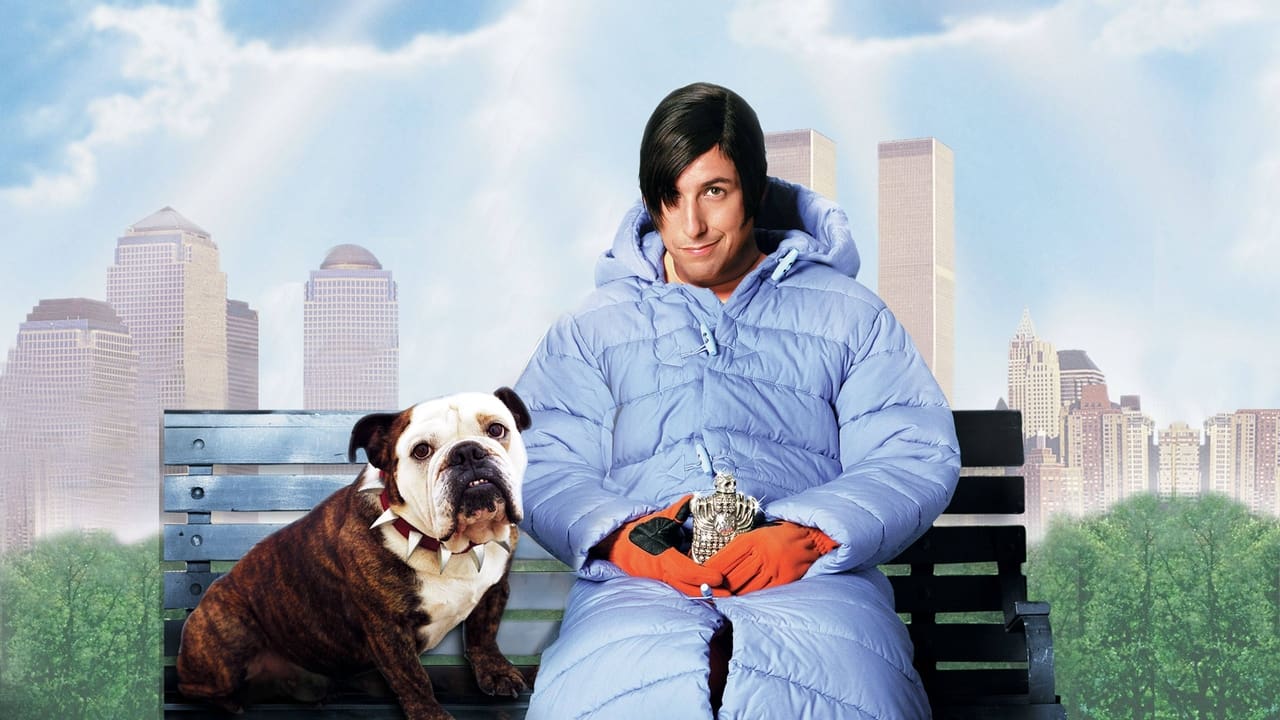
Let's be honest, Little Nicky isn't Sandler's most conventionally funny movie. His performance as Nicky – the tilted head, the lisping voice, the perpetually baffled expression – is a choice, and one that definitely polarized audiences back then. I remember renting this, maybe a bit wary after hearing mixed things, but Sandler's commitment to this oddball character is undeniable. It felt like he was really swinging for the fences, trying something different within his established comedic persona. Fun fact: Sandler apparently developed the voice and posture partly inspired by one of his old Saturday Night Live characters, and found maintaining the physicality quite demanding during the shoot.
The humour is a grab-bag of slapstick (Nicky getting repeatedly run over is a running gag), gross-out moments (demon transformations!), absurdist non-sequiturs (Popeye's chicken obsession!), and a parade of cameos that became a Sandler trademark. We get everyone from Ozzy Osbourne (in a truly legendary bat-biting callback) and Henry Winkler (covered in bees!) to Dana Carvey, Jon Lovitz, Carl Weathers reprising his Chubbs role (as a heavenly dance instructor!), and even a blink-and-you'll-miss-it appearance by Quentin Tarantino as a ranting blind street preacher. It feels like they just called up everyone they knew, which adds to the chaotic, almost party-like atmosphere of the film.
### Hell Hath CGI Fury (and Practical Gags)
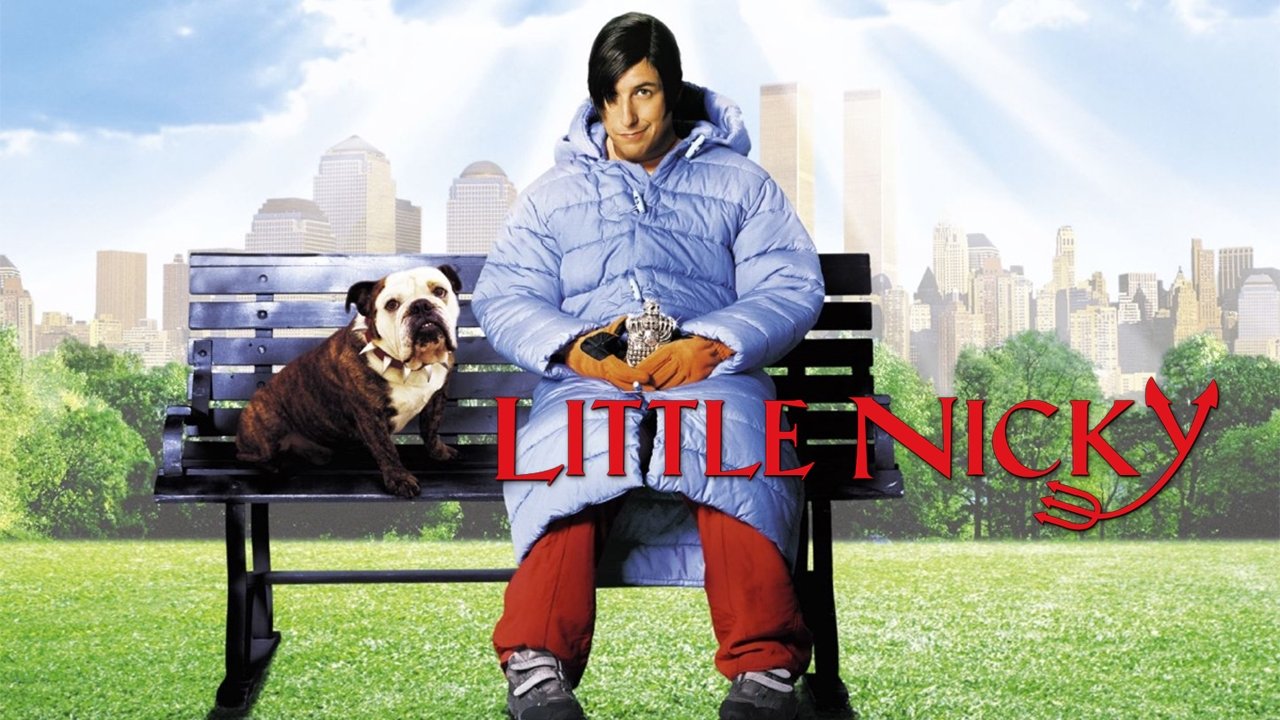
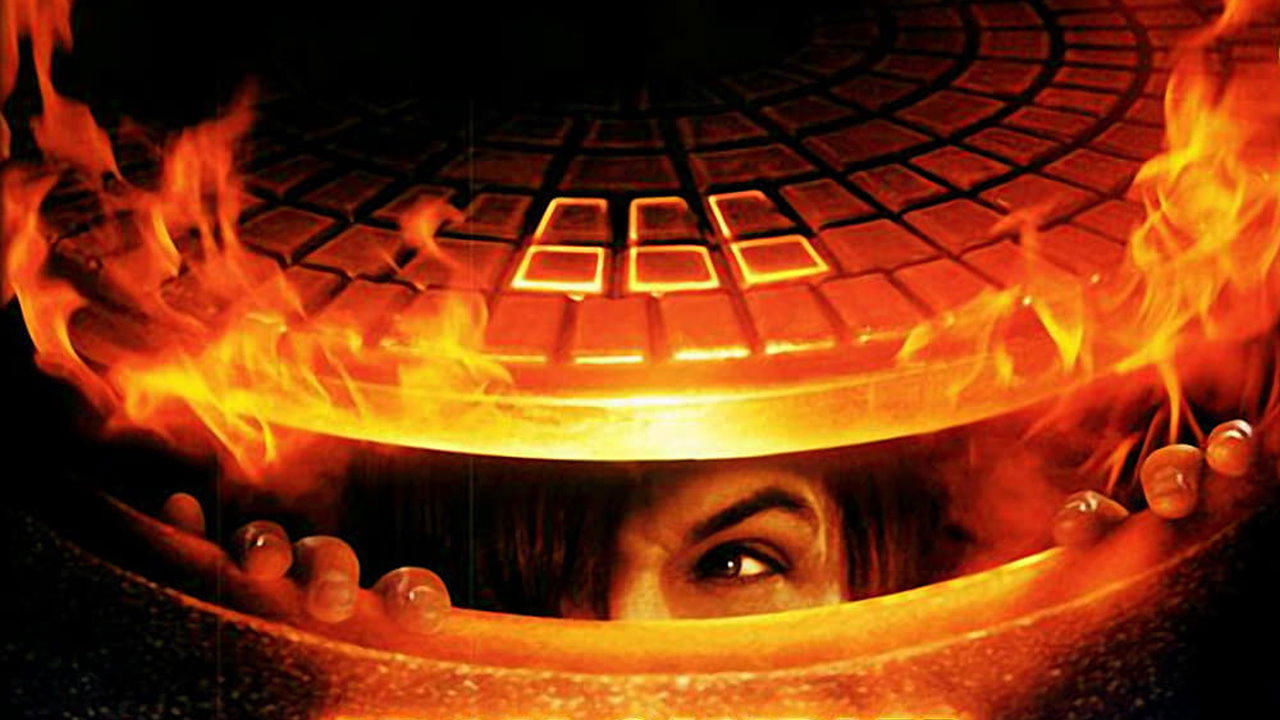
Directed by frequent Sandler collaborator Steven Brill (who also helmed Mr. Deeds (2002)), Little Nicky boasted a surprisingly hefty budget for a comedy at the time, reportedly around $80-85 million. A lot of that clearly went into the visual effects depicting Hell and the various demonic powers. Now, watching it today on a crisp flatscreen, some of the early 2000s CGI definitely shows its age. Hell looks ambitious, a vast, fiery landscape populated by bizarre creatures, but it lacks the tangible weight we see in modern effects.
However, there's still a certain charm to it, a product of its specific technological moment. Remember how impressive that talking bulldog, Mr. Beefy, seemed? He was a classic turn-of-the-millennium blend – part animatronic puppet for close-ups, part digital creation for wider shots and more complex actions. And amidst the digital demons, the film still leaned on some good old-fashioned practical gags. Nicky's unfortunate encounters with traffic feel very real (because they often involved clever stunt work), and the make-up effects for Satan's decay or the transformations are satisfyingly grotesque in that pre-digital way. That Ozzy scene? Pure practical, hilarious perfection. It’s that blend – the slightly rubbery CGI sitting alongside physical comedy and makeup – that really screams "Year 2000 Blockbuster."
### Critical Purgatory, Fan Heaven?
Upon release, Little Nicky didn't exactly set the world, or Hell, on fire. Critics were largely unkind, often pointing to the thin plot and divisive central performance. It also underperformed at the box office, pulling in only about $58 million worldwide against that substantial budget. It felt like maybe the Sandler magic was starting to wear thin for mainstream audiences expecting another Waterboy (1998).
But time, as it often does with cult films, has been kinder. For Sandler die-hards and fans of unapologetically weird comedies, Little Nicky holds a special place. It's goofy, it's uneven, the plot barely holds together, but it’s got heart and an infectious, anarchic energy. Harvey Keitel is clearly having the time of his life, Patricia Arquette grounds the absurdity, and the supporting cast is stacked with familiar faces enjoying the ride. The heavy metal soundtrack absolutely rips, too, perfectly complementing the infernal themes. Finding this on VHS felt like discovering a secret, slightly naughty treat – maybe not high art, but definitely high concept and undeniably memorable.
***
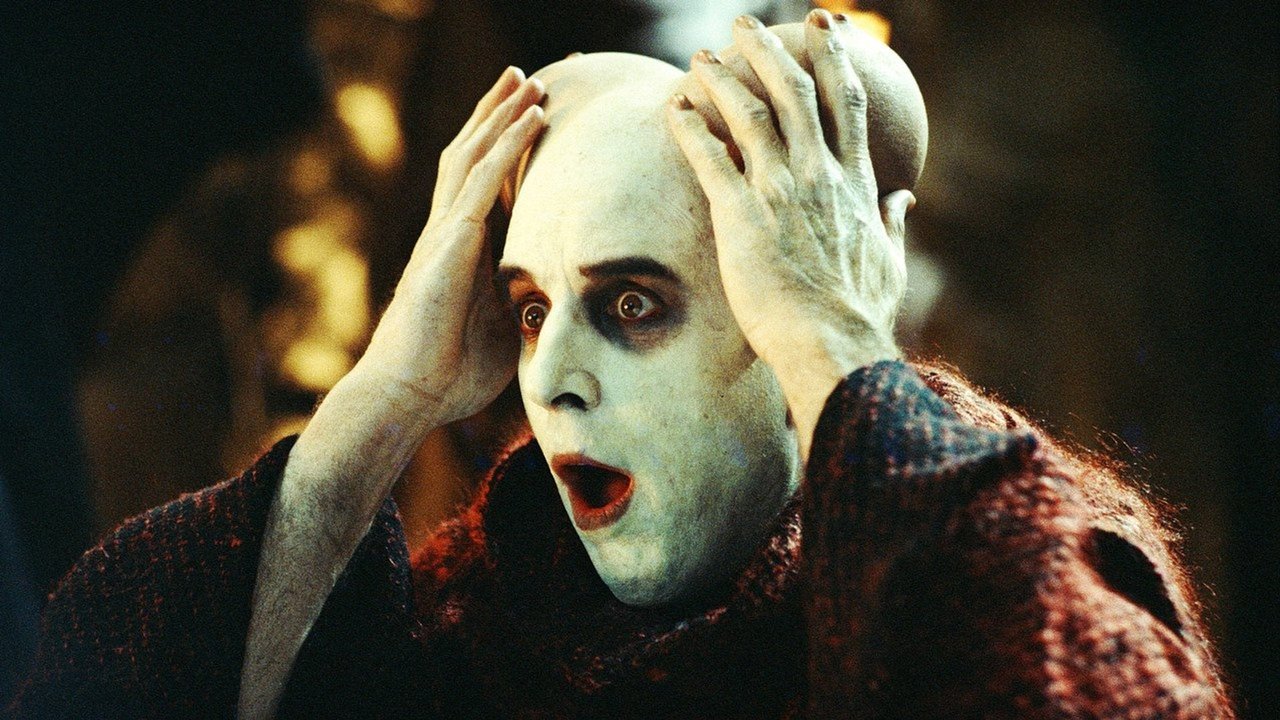
VHS Heaven Rating: 6/10
Justification: Little Nicky is far from perfect. The plot is flimsy, Sandler's Nicky voice can grate, and the humour is hit-or-miss. But its sheer audacity, the commitment to its bizarre premise, Harvey Keitel's phenomenal turn as Satan, a killer soundtrack, and that specific blend of early CGI and practical gags earn it points. It was critically panned and a box office disappointment, reflecting its flaws, but its enduring cult status among fans speaks to its weird charm. It’s a quintessential early 2000s artefact – ambitious, messy, and strangely endearing.
Final Thought: It's the cinematic equivalent of finding a bootleg heavy metal cassette at a flea market – rough around the edges, maybe slightly embarrassing to admit you love, but crank it up and it still kinda rocks in its own uniquely demonic way. Definitely worth digging out of the archives if you're in the mood for something truly weird from the Sandler-verse.