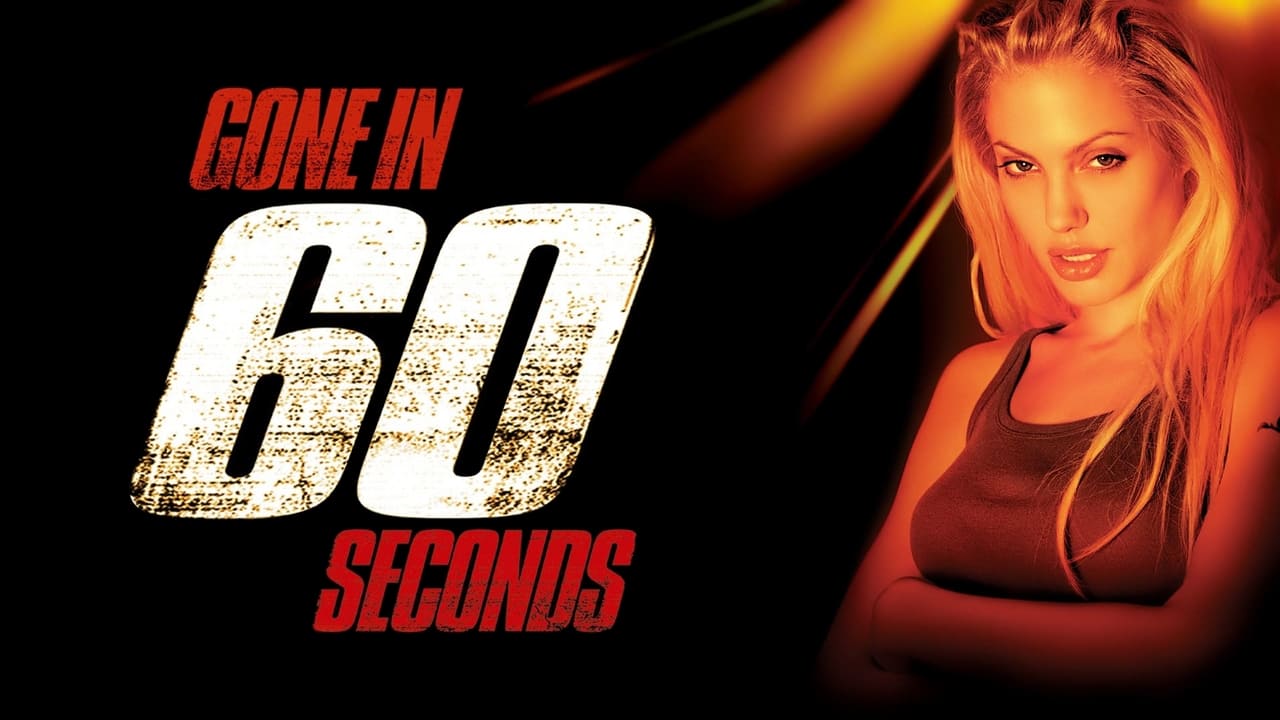
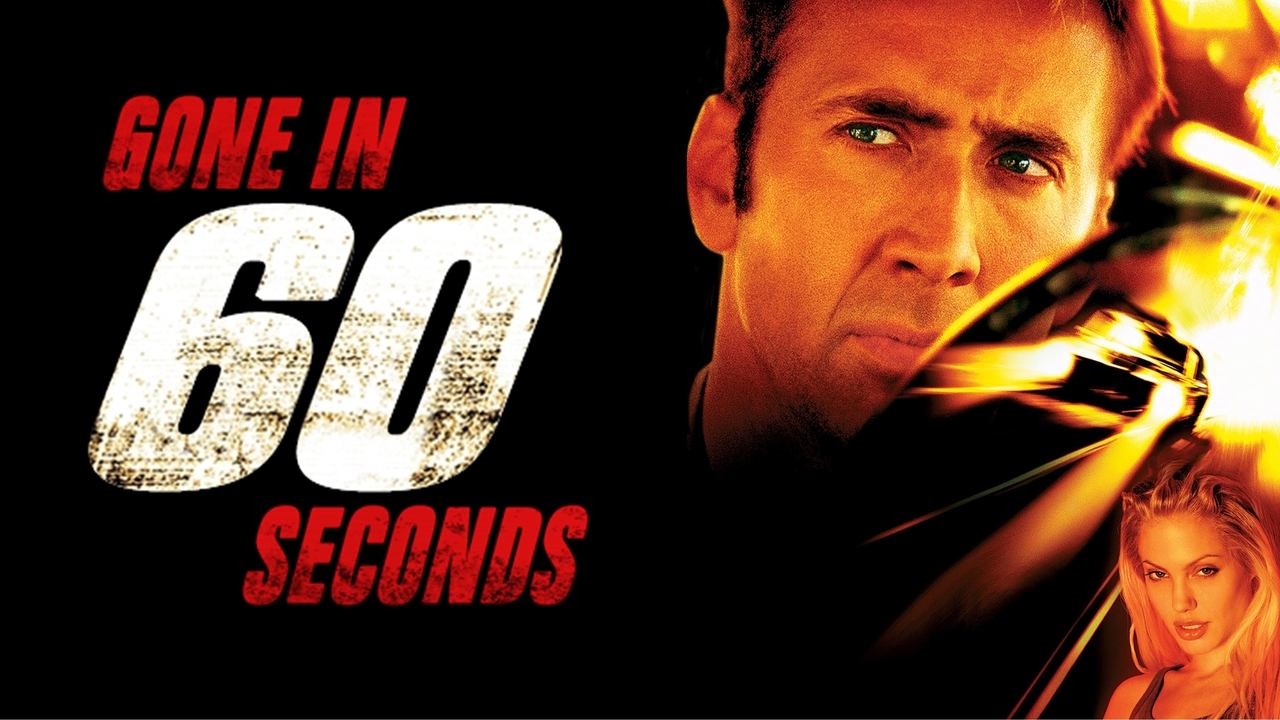
Alright, fellow tapeheads, slide that worn copy of Gone in Sixty Seconds into the VCR (or, okay, maybe the DVD player for this one – it did hit right at the turn of the millennium, bridging the gap). Remember that feeling? The roar of engines, the glint of chrome under neon lights, and the promise of pure, unadulterated car-boosting chaos. This 2000 Jerry Bruckheimer-produced behemoth wasn't just a movie; it felt like an event, a slick, high-octane ode to automotive obsession wrapped in a heist thriller package.
### The Need for Speed (and 50 Cars)
Let's get the premise straight: Randall "Memphis" Raines (Nicolas Cage, peak eccentric leading man mode activated) is a legendary car thief pulled out of retirement. Why? Because his screw-up younger brother Kip (Giovanni Ribisi, perfectly channeling nervous energy) has run afoul of the menacing British gangster Raymond Calitri (Christopher Eccleston). The price for Kip's life? Memphis has to steal 50 exotic and classic cars in just a few short days. Cue the assembling of the old crew, the impossible timetable, and enough drool-worthy metal to fill a convention center.
The setup is pure Hollywood gold, a classic "one last job" trope supercharged with horsepower. It’s a remake, of course, of the legendary 1974 indie film by the same name, created by the tragically departed H.B. Halicki, a true automotive stunt visionary. While the original had a raw, almost documentary feel to its legendary 40-minute chase scene, this version, directed by Dominic Sena (who gave us the stylishly grimy Kalifornia (1993) and later the equally slick Swordfish (2001)), opts for polish and star power, courtesy of a script co-written by Scott Rosenberg (hot off Con Air (1997), another Cage/Bruckheimer classic).
### Practical Pedal to the Metal
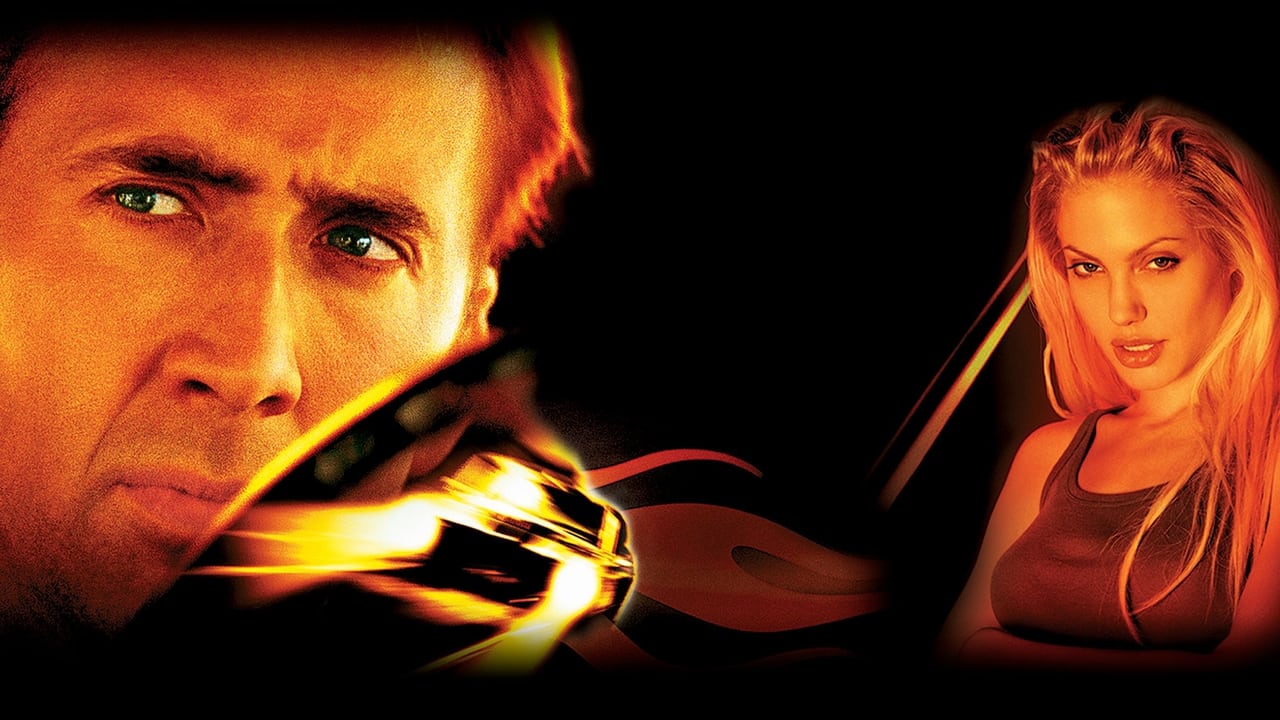
What really jams this tape into the VCR for us nostalgia hunters is the action. Yeah, there’s some early 2000s CGI smoothing things out here and there, but the heart of the chases feels gloriously real. Remember the crunch of metal, the squeal of tires that sounded like they were actually shredding rubber? That's the stuff! Sena and his team leaned heavily into practical stunt work, and it shows. The sheer logistics of coordinating those multi-car boosts, the near misses, the weaving through traffic – it had a weight and impact that often gets lost in today's pixel-perfect chases.
And Nicolas Cage, bless him, was reportedly all-in, performing a good chunk of his own driving stunts. You can almost feel his gleeful intensity behind the wheel, especially during the climactic pursuit featuring the film's true star...
### Meet Eleanor: The Real Leading Lady
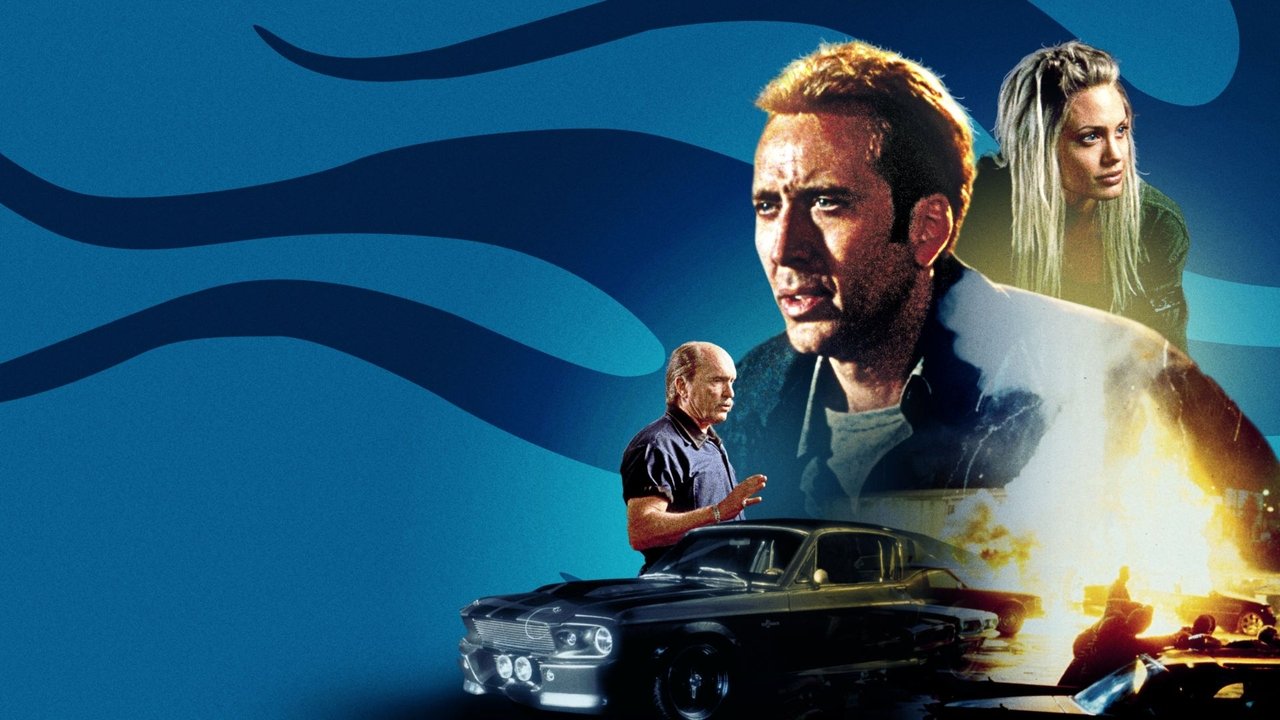
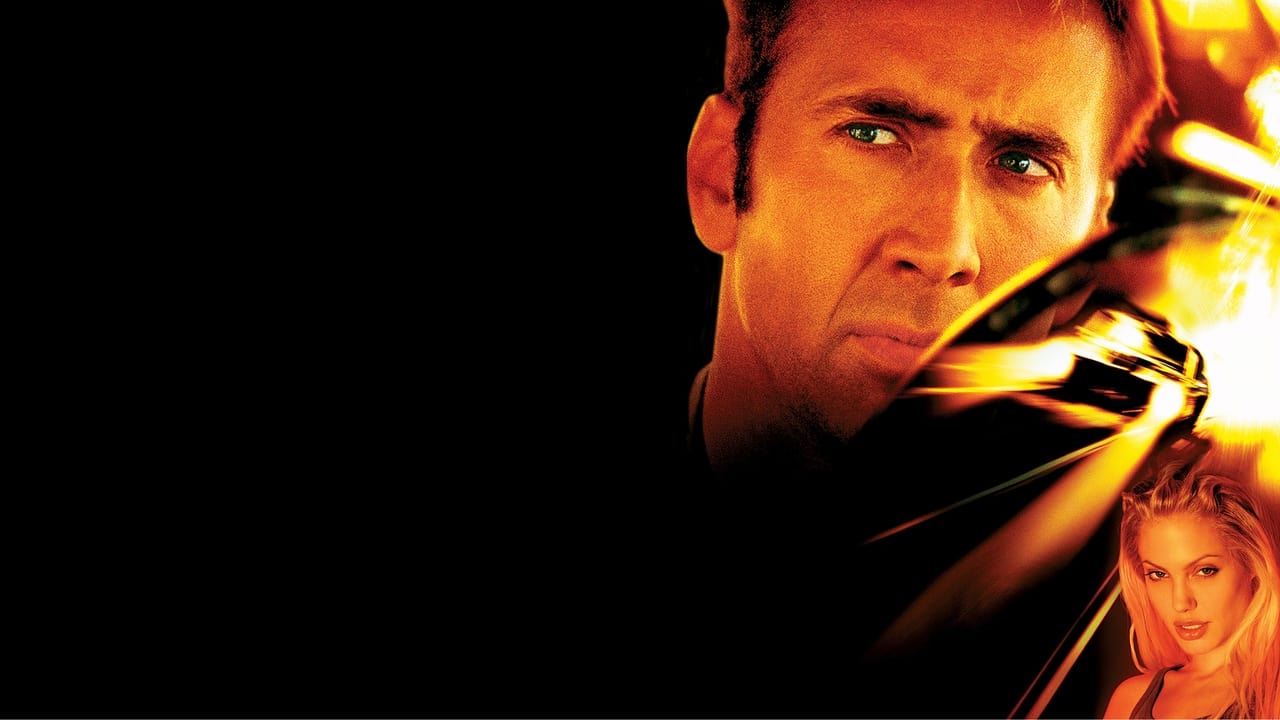
Let's be honest, as much fun as the ensemble cast is – featuring Angelina Jolie as the impossibly cool Sway, Robert Duvall lending gravitas as Otto, Delroy Lindo as the determined Detective Castlebeck, and memorable turns from Vinnie Jones and Chi McBride – the breakout star is Eleanor. That gorgeous, steely grey 1967 Ford Mustang Shelby GT500 became an instant icon. Fun fact: creating this specific "Eleanor" look involved customizing several '67 Mustangs, as the original 1974 film used a '73 Mach 1. The production team actually built 11 of these custom beauties for the film, though sadly, not all survived the rigorous stunt sequences. Seeing Eleanor finally unleashed, soaring over traffic on that bridge... wasn't that just pure cinematic adrenaline back then? It’s a sequence that still holds up, a testament to well-executed practical effects and vehicular mayhem.
### More Than Just a Heist Flick?
Okay, Gone in Sixty Seconds isn't aiming for deep thematic resonance. It's about the thrill, the camaraderie of the crew, the ticking clock, and loving cars perhaps a little too much. The dialogue can occasionally veer into cheesy territory, and the plot mechanics are fairly predictable. But who cared? We weren't renting this for Ibsen. We were renting it for the spectacle. Giovanni Ribisi is a standout, making Kip’s predicament feel genuinely desperate, while Cage balances his trademark oddball intensity with moments of genuine fraternal concern.
It’s interesting to note that while the film was a solid box office success (grossing over $237 million worldwide against its reported $90 million budget – a hefty sum back then!), critical reception was decidedly mixed. Many critics found it slick but shallow. Audiences, however, especially those who loved cars and action, ate it up. It became a home video staple, the kind of movie you’d watch repeatedly with friends, quoting lines and pointing out your favorite cars on the list. The energetic soundtrack, packed with artists like The Chemical Brothers, Moby, and Apollo 440, perfectly captured that late-90s/Y2K energy, further cementing its place in the pop culture zeitgeist of the time.
---
Rating: 7/10
Justification: Gone in Sixty Seconds delivers exactly what it promises: high-speed thrills, charismatic stars having fun, and an absolute parade of incredible cars. While the plot is standard heist fare and character depth isn't its primary goal, the practical stunt work, iconic 'Eleanor' sequences, and sheer energy make it immensely watchable. It's a slick, well-oiled piece of Bruckheimer entertainment that might lack the raw grit of its namesake but compensates with polish and pure popcorn fun. The nostalgia factor is high, boosted by a memorable cast and that killer soundtrack. It earns a solid 7 for being a supremely entertaining product of its time that still delivers the goods.
Final Thought: It might be slicker than its '74 ancestor, but this Gone in Sixty Seconds perfectly captured that turn-of-the-millennium action movie vibe – big stars, big stunts, and cars so cool they deserved codenames. Press play and feel the boost.