Some shadows stretch longer than others. They cling, cold and persistent, long after the credits roll and the eject button whirs. The shadow cast by The Jackal (1997) isn't one of creeping dread or supernatural terror, but the chillingly detached silhouette of methodical, high-stakes assassination. It’s the kind of late-90s thriller that felt slick, expensive, and vaguely dangerous, playing out on countless rented tapes under the flickering glow of CRT screens across the globe.
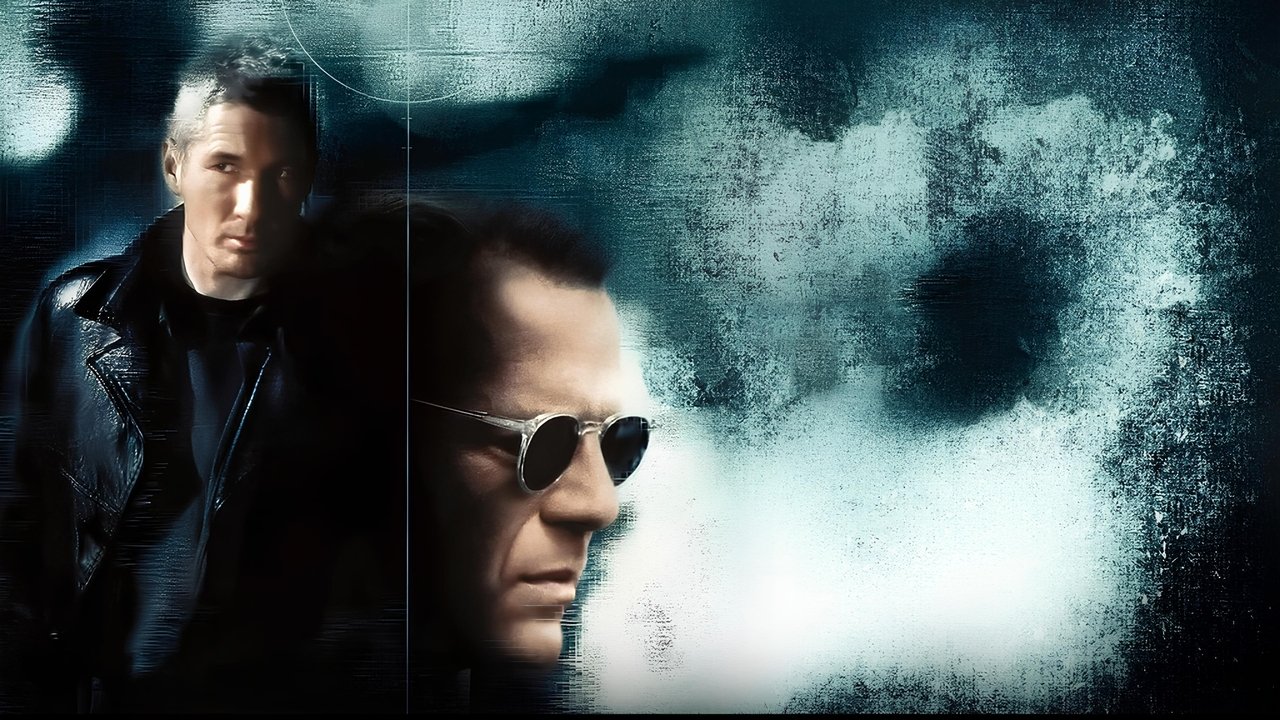
The Ghost in the Machine
Forget charming rogues or reluctant heroes. The premise here is brutally simple: following a joint FBI-Russian MVD operation against the Russian mob, a ruthless Mafia boss hires the world's most elusive assassin – known only as "The Jackal" – to eliminate a high-profile American target for revenge. The price? A staggering $70 million. The target's identity is unknown, but the threat is undeniable. Enter FBI Deputy Director Carter Preston (Sidney Poitier, bringing immense gravitas in a welcome return to a major role) and Russian Major Valentina Koslova (Diane Venora, sharp and determined). Facing an opponent who seemingly doesn't exist, they turn to the one man who might understand him: Declan Mulqueen (Richard Gere), an imprisoned IRA sniper with a past connection to the ghost they're hunting.
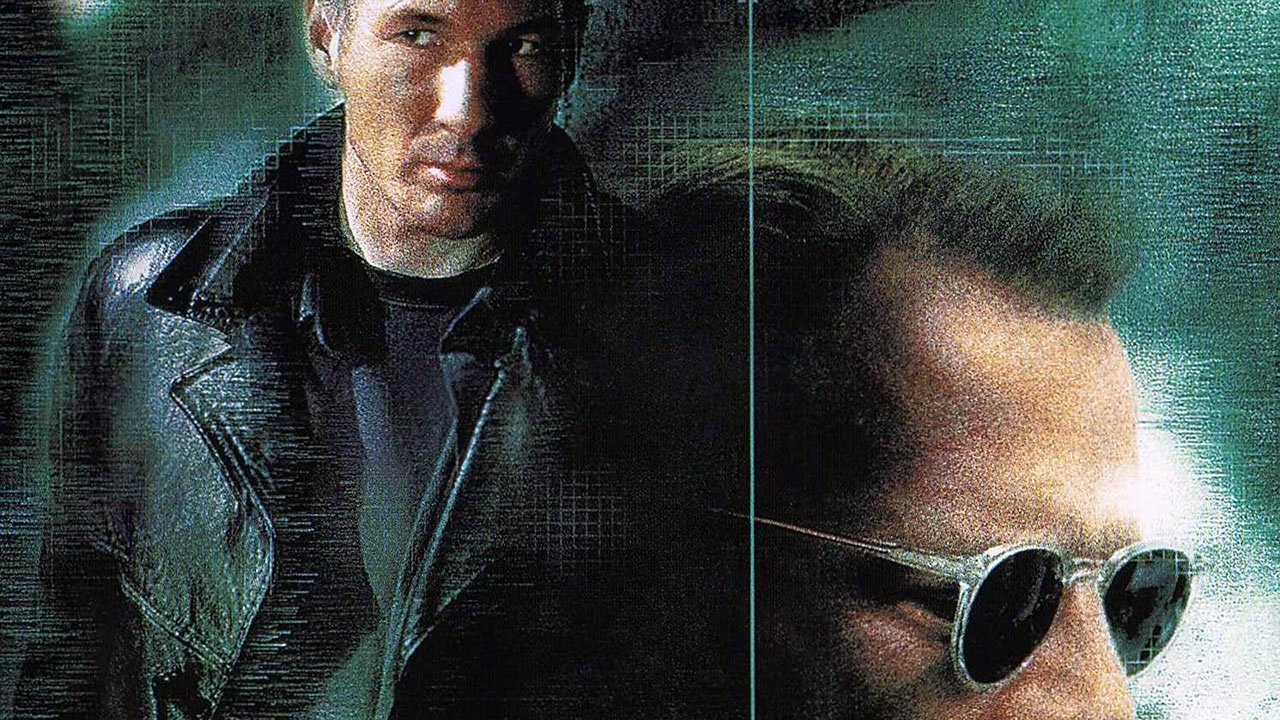
What always struck me about The Jackal, especially watching it back then, was the portrayal of its titular villain. Played by Bruce Willis against his usual wise-cracking action hero type, this Jackal is a chameleon, a void defined only by his lethal efficiency and shifting identities. Willis reportedly commanded a hefty $20 million paycheck for the role, a testament to his star power, but his performance is less about charisma and more about projecting a chilling blankness. His various disguises – the flamboyant tourist, the nondescript businessman, the quiet professional – aren't just plot devices; they represent the terrifying anonymity of the threat. Doesn't that detached professionalism still feel unsettling?
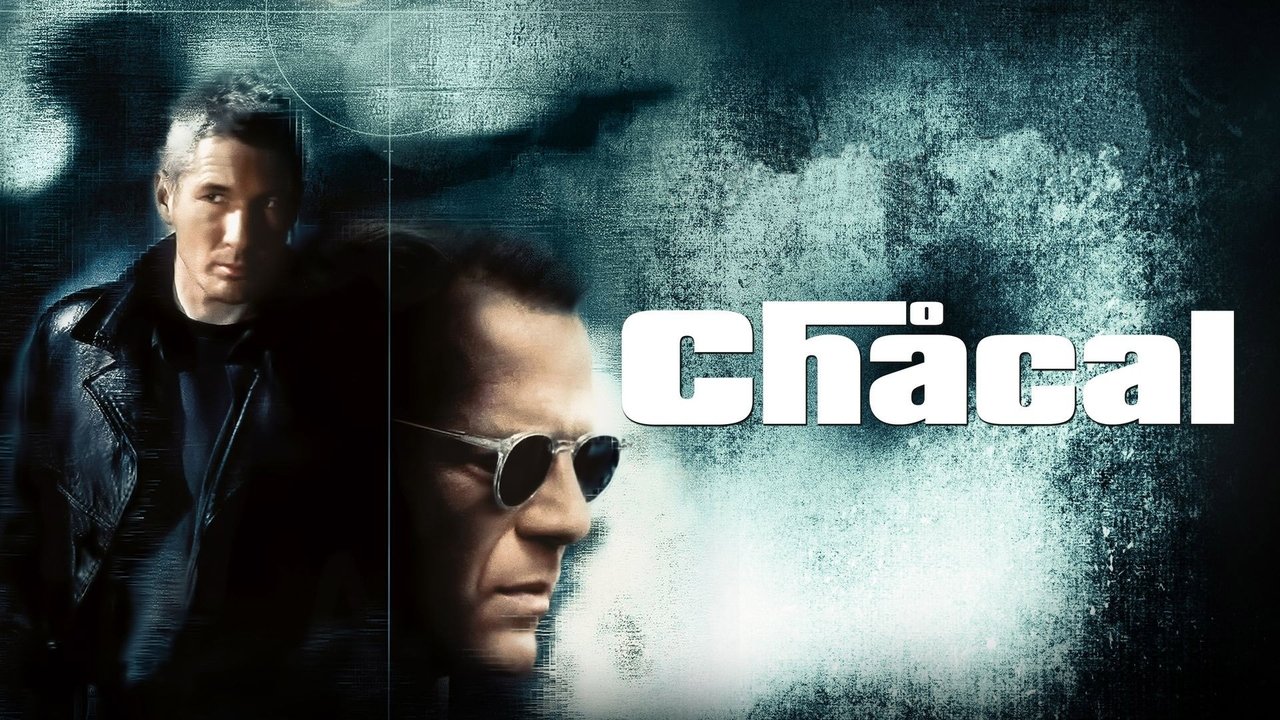
A Global Game of Cat and Mouse
Director Michael Caton-Jones (Rob Roy, Scandal) crafts a globe-trotting chase that feels suitably expansive for its Cold War-hangover premise. We hop from snowy Moscow streets to the canals of Helsinki, the back alleys of London, the distinct architecture of Montreal (standing in for various US locations), and finally, to the political heart of Washington D.C. This scope, backed by a solid $60 million budget (around $115 million today), gave the film a weight and scale that felt significant on the small screen. The production reportedly scouted relentlessly to find locations that hadn't been overused, adding a layer of freshness to the visual tapestry.
The tension doesn't always come from frantic action, but often from the meticulous planning sequences – the Jackal acquiring identities, testing weaponry, and staying one step ahead. Remember that massive, remote-controlled cannon he builds? For 1997, it felt menacingly high-tech, a symbol of detached, push-button lethality. Filming those sequences, blending practical rigging with nascent CGI for the targeting display, was apparently quite the technical challenge, aiming for a futuristic edge that, while dated now, certainly impressed back in the day. It fueled that specific 90s anxiety about technology enabling faceless threats.
Shadows of the Original
It’s impossible to discuss this film without acknowledging its lineage. The Jackal is technically a remake, or perhaps more accurately, a reimagining, of the classic 1973 Frederick Forsyth adaptation, The Day of the Jackal. Purists (including Forsyth himself, who allegedly disliked the new script so much he requested his name be removed, leading Universal to pay for the rights to the original screenplay elements just to avoid association) will point out the significant departures. Where the original was a taut, procedural docu-thriller, this 90s version amps up the star power, the action beats, and introduces the parallel narrative of Gere's imprisoned operative.
This shift is where the film sometimes stumbles. Richard Gere, fresh off films like Primal Fear (1996), does his best as Mulqueen, the reluctant anti-hero forced to hunt his elusive counterpart. Yet, the character often feels like a necessary plot engine rather than a fully fleshed-out individual, and that wandering Irish accent… well, let's just say it was a choice. The complex backstory involving his past with the Jackal and a Basque terrorist (played by Mathilda May) feels somewhat grafted on, an attempt to inject personal stakes into the larger political thriller.
Behind the Scenes Intrigue
Despite the mixed critical reception upon release (often overshadowed by comparisons to its predecessor), The Jackal found its audience, pulling in nearly $160 million worldwide. It tapped into that late-90s sweet spot for glossy, star-driven thrillers. Trivia buffs might enjoy knowing that the original script was reportedly even more action-heavy before Caton-Jones aimed for a slightly more character-focused approach. And the casting dance is always fascinating – imagine alternative pairings for Willis and Gere! Poitier’s presence, meanwhile, lent the proceedings an undeniable air of class, a steady anchor amidst the explosions and espionage. His quiet intensity grounds the frantic search in a way few actors could.
The Verdict on Tape
The Jackal is undeniably a product of its time – slick, slightly bombastic, and built around big movie stars doing what they do best (or, in Willis's case, doing something intriguingly different). It lacks the lean perfection of the 1973 original, occasionally getting bogged down in its own plot mechanics and character motivations. Gere's accent remains a point of contention, and some of the twists feel more convenient than clever.
However, judged on its own terms as a piece of 90s blockbuster entertainment, it delivers a compelling cat-and-mouse game fueled by Willis's icily effective performance and Poitier's commanding presence. The globe-trotting scope, the bursts of brutal action, and that genuinely unnerving central premise of an unstoppable, faceless assassin keep you engaged. Carter Burwell's score effectively underscores the tension without overwhelming it. It might not be high art, but popping this tape into the VCR back in the day guaranteed a couple of hours of solid, high-stakes thrills.
Rating: 6.5/10
Justification: While hampered by comparisons to a classic original and some clunky plotting (especially Gere's character arc and accent), The Jackal succeeds as a star-powered 90s thriller thanks to Willis's chilling villain, Poitier's gravitas, its global scale, and some genuinely tense sequences. It's a flawed but entertaining slice of the era's action-thriller output, memorable for its high concept and central performances, even if it doesn't quite hit the bullseye.
Final Thought: More than a masterpiece, The Jackal remains a fascinating snapshot of late-90s Hollywood attempting to update a classic template with bigger stars, bigger explosions, and a villain who was less a man, more a menacing brand.