There's a certain stillness that settles over you watching David Gordon Green's George Washington. It's not the stillness of boredom, but the heavy, humid quiet of a long summer afternoon in a place where time seems to move differently. Released in 2000, it might technically sit just outside our usual 80s/90s VHS sweet spot, but its soul feels older, rooted in a kind of raw, observational cinema that bypasses blockbuster trends entirely. It feels like the sort of discovery you might have made on a dusty shelf in the back of the video store, a tape passed around by word-of-mouth, promising something unique, something real.
Summer Haze and Hard Truths
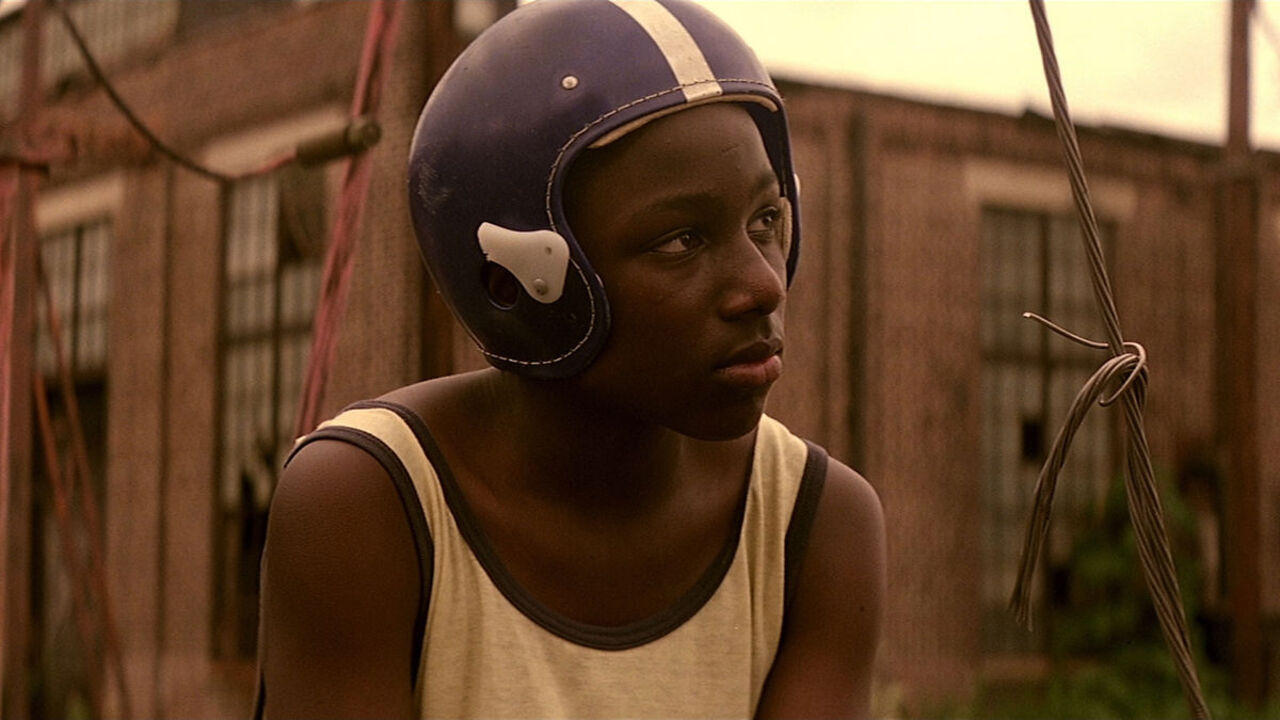
The film drifts through the lives of a group of kids in a decaying industrial town in North Carolina. There isn't a driving plot in the traditional sense; instead, Green captures vignettes, moments of childhood play overshadowed by the crumbling environment and the unspoken weight of poverty. We meet Nasia (Candace Evanofski), a young girl wrestling with a recent breakup and narrating her world with surprising insight; George (Donald Holden), a quiet boy whose skull hasn't fully fused, forcing him to wear a helmet; and Buddy (Curtis Cotton III), whose yearning for heroism sets tragic events in motion. The film doesn't shy away from the harsh realities these kids face, but it observes them with a profound empathy, never judging, only watching.
An Unvarnished Authenticity
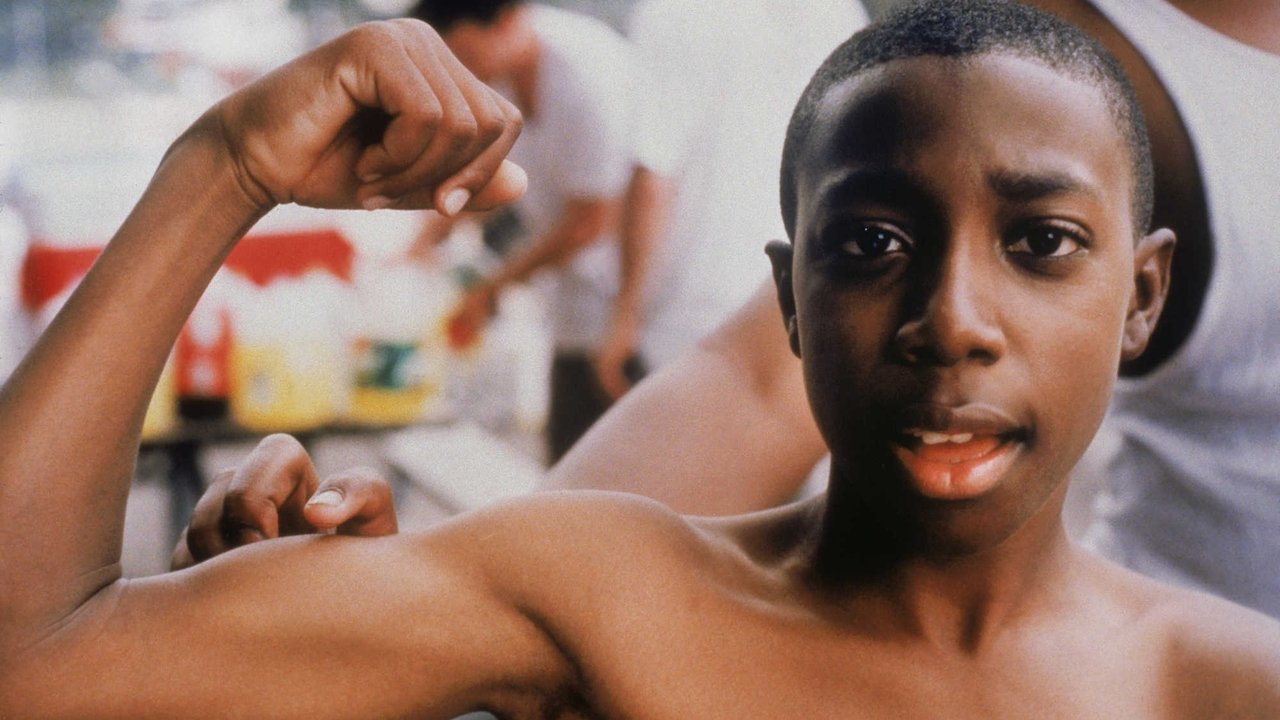
What truly elevates George Washington is the astonishing naturalism of its young, largely non-professional cast. These aren't slick Hollywood performances; they are lived-in portrayals delivered with an unvarnished honesty that’s often breathtaking. Donald Holden as George possesses a quiet dignity, his eyes conveying a world of thought behind his mandated helmet. Candace Evanofski's narration, poetic yet childlike, provides the film's lyrical heart. There's a scene where George tries to impress Nasia by holding his breath underwater – it's played with such simple, unforced truthfulness, capturing the awkward tenderness of young affection perfectly. It’s these small moments, devoid of actorly tics, that lend the film its documentary-like power. You feel less like you're watching actors and more like you're observing real lives unfold.
Visual Poetry in Decay
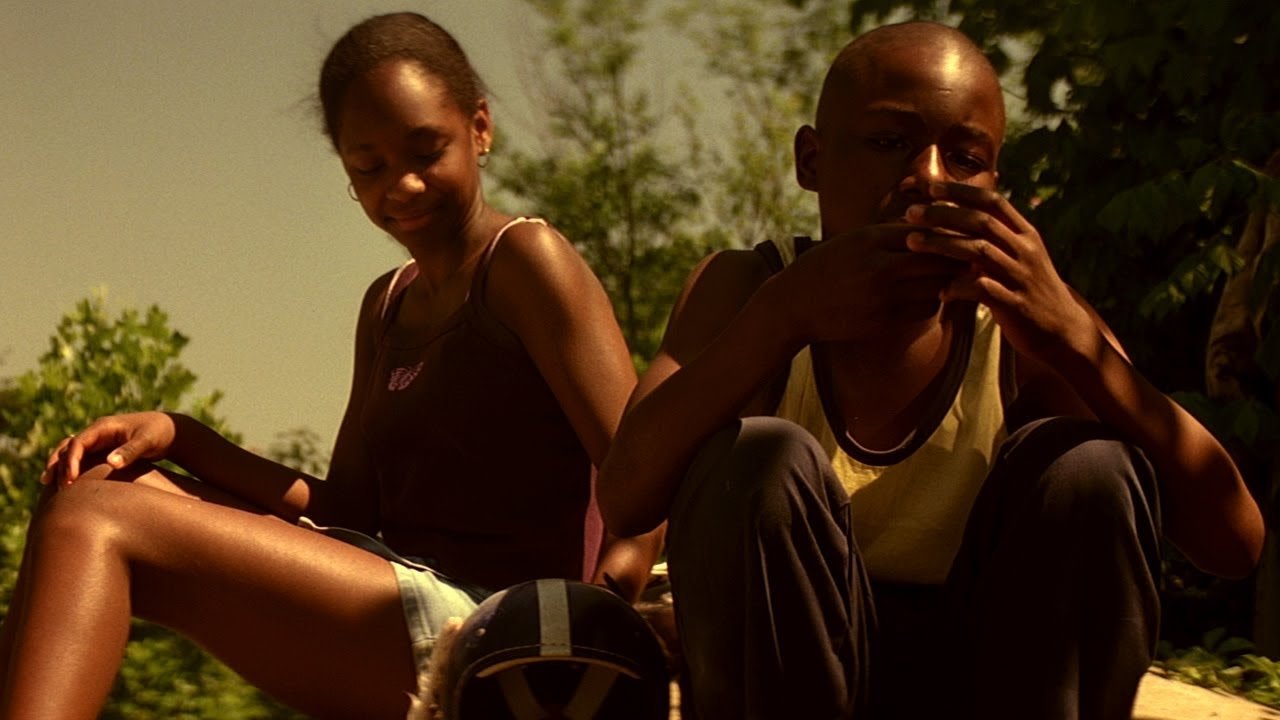
David Gordon Green, making his feature debut here (years before directing comedies like Pineapple Express or the recent Halloween trilogy), displays an incredible eye, aided by the gorgeous cinematography of Tim Orr. They find beauty in the industrial decay – rusting train cars, overgrown fields, abandoned swimming pools become hauntingly picturesque backdrops. The film often evokes the languid, sun-drenched visuals of Terrence Malick, particularly Days of Heaven (1978), focusing on expressive imagery and atmosphere over rapid-fire dialogue or action. There's a patience to the filmmaking, allowing moments to breathe, letting the environment itself become a character. This deliberate pacing allows the film's underlying themes – innocence, responsibility, the search for meaning amidst neglect – to resonate deeply.
Indie Spirit, Lasting Impact
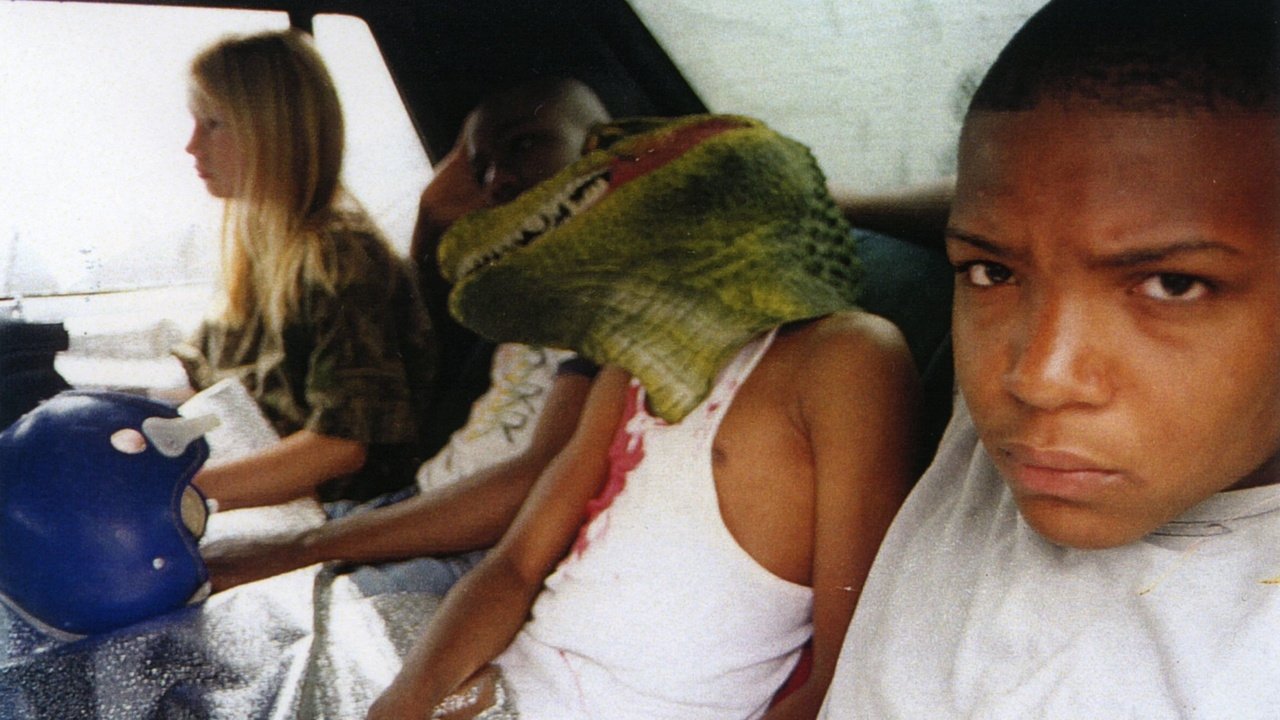
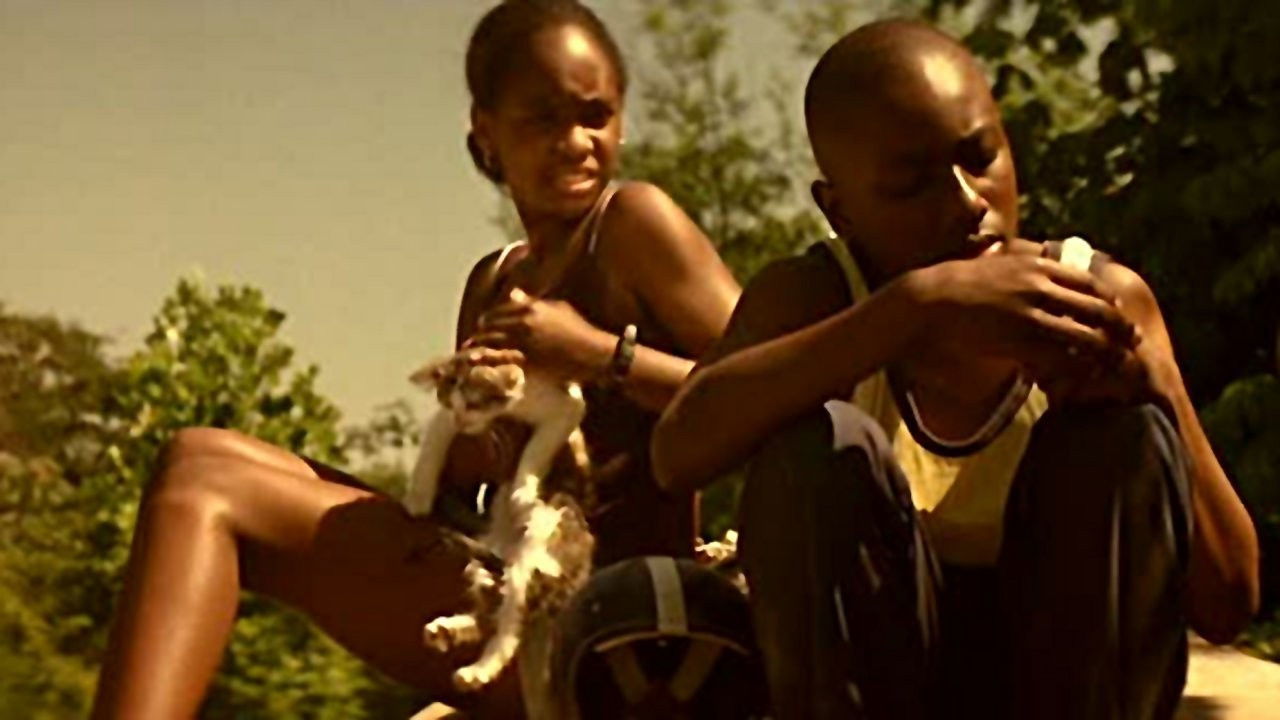
Made for a shoestring budget (reportedly around $42,000), George Washington is a testament to the power of independent vision. Green famously cast local kids from North Carolina, drawing out performances that feel utterly genuine. The film earned critical acclaim upon release, launching Green's career and marking him as a distinctive new voice in American cinema. It's a film born from constraint, yet its artistic ambition feels vast. While it arrived at the dawn of the DVD era, its raw, unpolished aesthetic and focus on marginalized lives feel connected to an earlier, grittier sensibility – the kind of challenging, personal filmmaking that often found a second life on VHS, discovered by viewers seeking something beyond the mainstream. It’s a film that reminds you how powerful cinema can be when it dares to be quiet, observant, and deeply human.
Rating: 9/10
This near-masterpiece earns its high score through its profound empathy, stunning visuals, and the unforgettable authenticity of its young cast. It’s a film that doesn’t shout but whispers, leaving images and feelings that linger long after the screen goes dark. George Washington isn't just a movie; it's an experience – a poignant, bittersweet immersion into a world rarely captured with such grace and honesty. It's a reminder that sometimes the most powerful stories are found in the quietest corners.