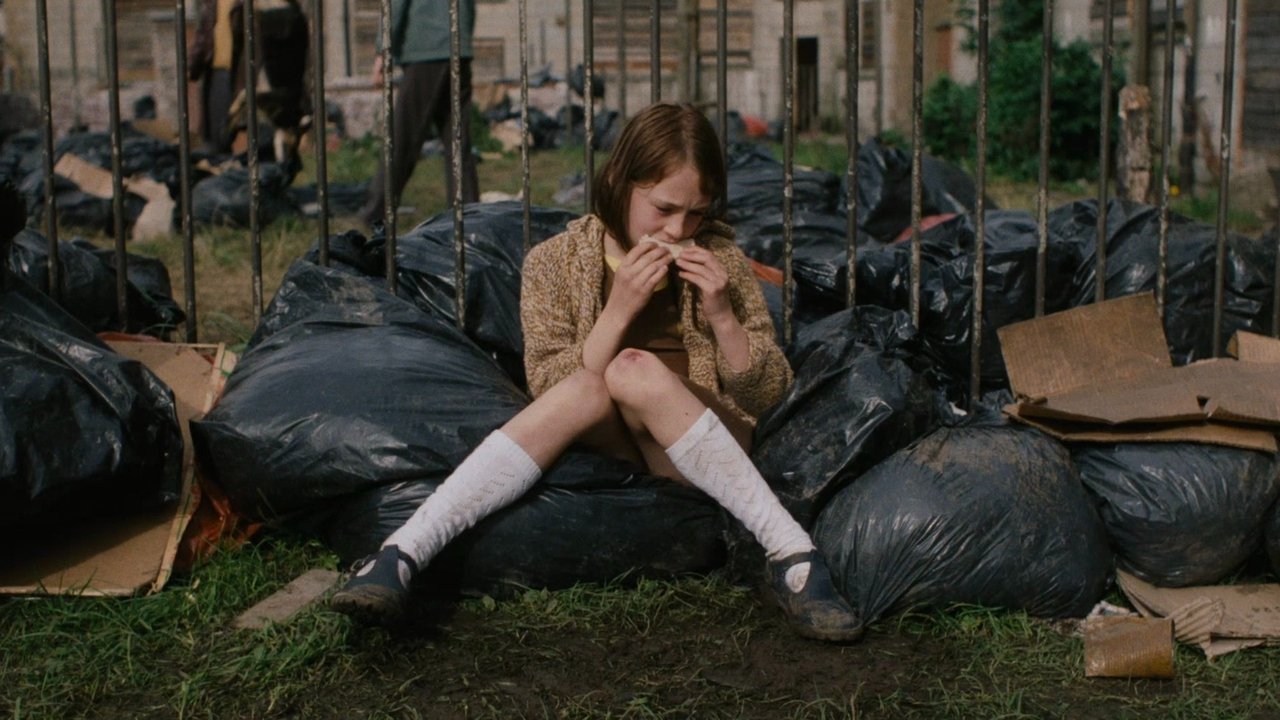
Some images cling to you long after the screen goes dark, don't they? For me, one of the most indelible from the late 90s landscape is the sight of towering black bin bags, mountains of refuse lining the streets of Glasgow in Lynne Ramsay's astonishing debut, Ratcatcher (1999). It’s a landscape of decay, a physical manifestation of neglect during the city’s real-life 1973 refuse collectors' strike, and the perfect, grim playground for a story about childhood, guilt, and the desperate yearning for escape. This wasn't your typical end-of-millennium fare found crowding the shelves at Blockbuster; this was something starker, more poetic, and deeply human.
A Child's Eye View of Neglect
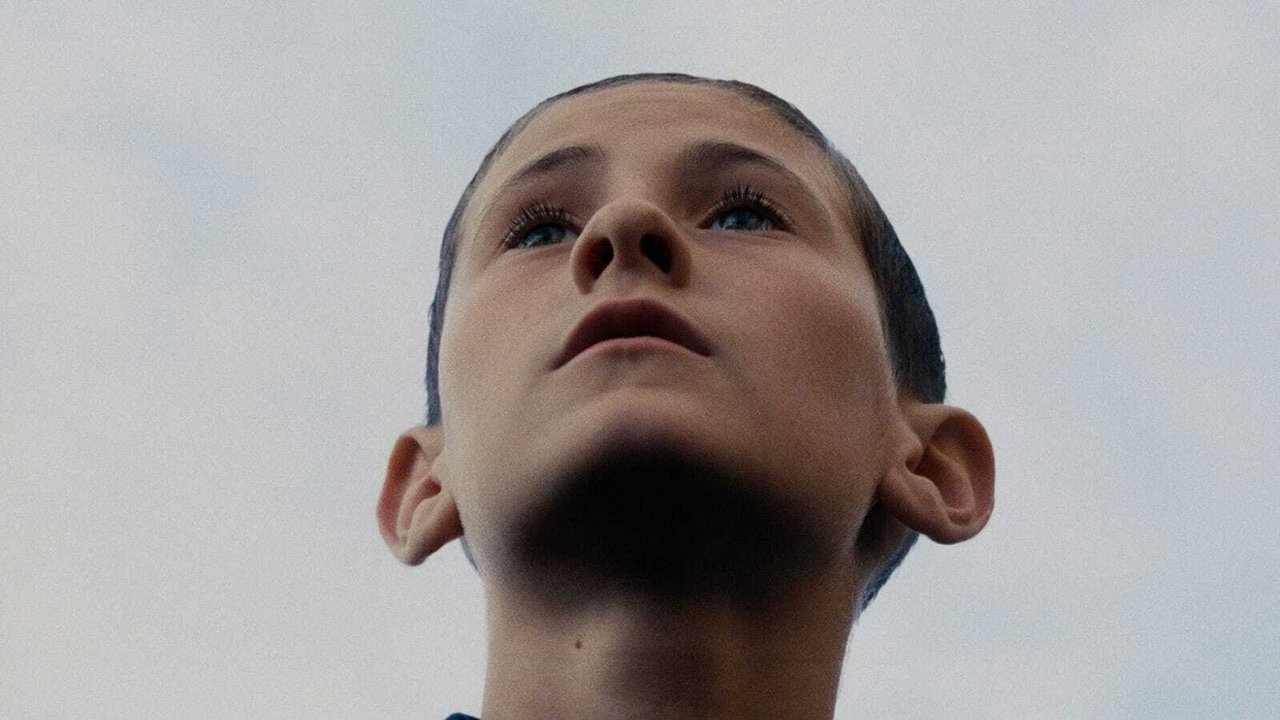
The film filters its harsh reality through the eyes of 12-year-old James Gillespie, played with astonishing naturalism by newcomer William Eadie. James lives in a crumbling tenement building with his family, waiting indefinitely for relocation to a promised new housing estate that feels more like a myth than a possibility. Life is tough, marked by poverty and the pervasive stench of uncollected rubbish. Early in the film, a moment of roughhousing by the local canal goes tragically wrong, leaving James burdened by a secret guilt that shapes his interactions and isolates him further within his already bleak environment.
What makes Ratcatcher resonate so profoundly is its unwavering commitment to James's perspective. Ramsay, in her first feature film (already hinting at the visionary talent behind later works like We Need to Talk About Kevin (2011) and You Were Never Really Here (2017)), doesn't just show us the poverty; she immerses us in the sensory experience of it through James's eyes and ears. The crunch of boots on broken glass, the murky allure of the canal water, the textures of peeling wallpaper – it's a world rendered with unflinching detail, yet often imbued with a strange, lyrical beauty.
Finding Poetry Amidst the Rubble
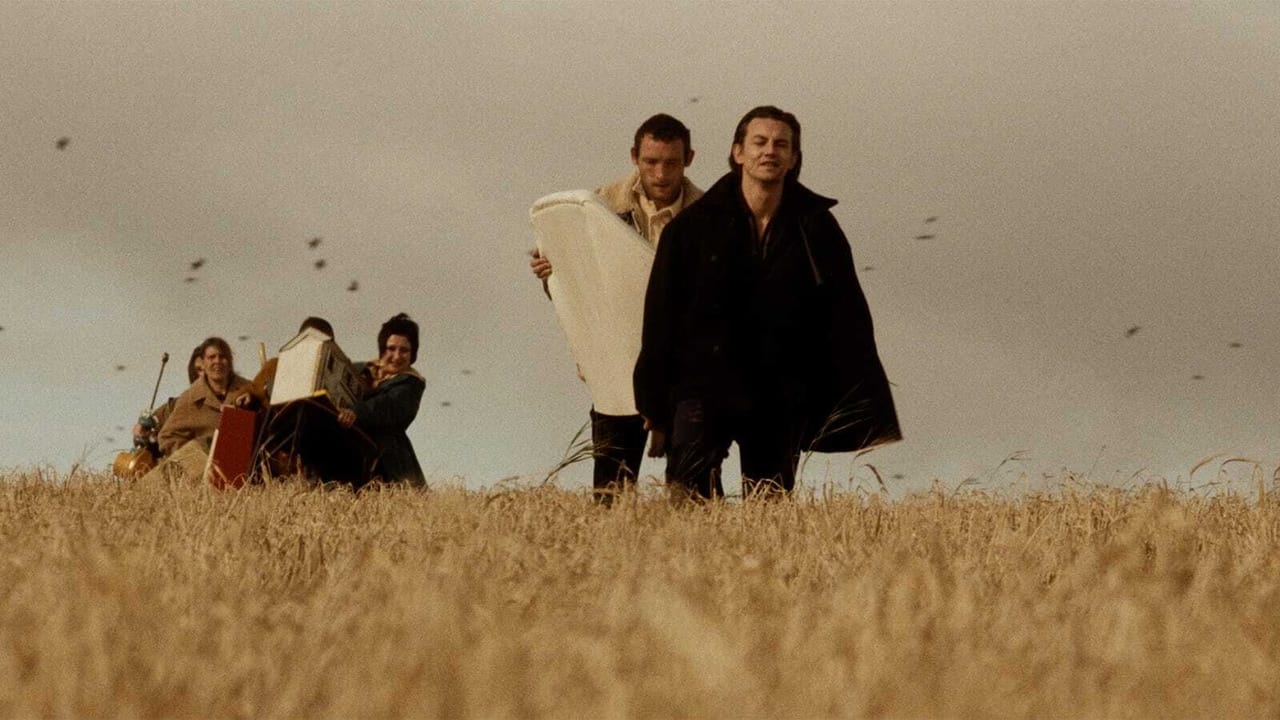
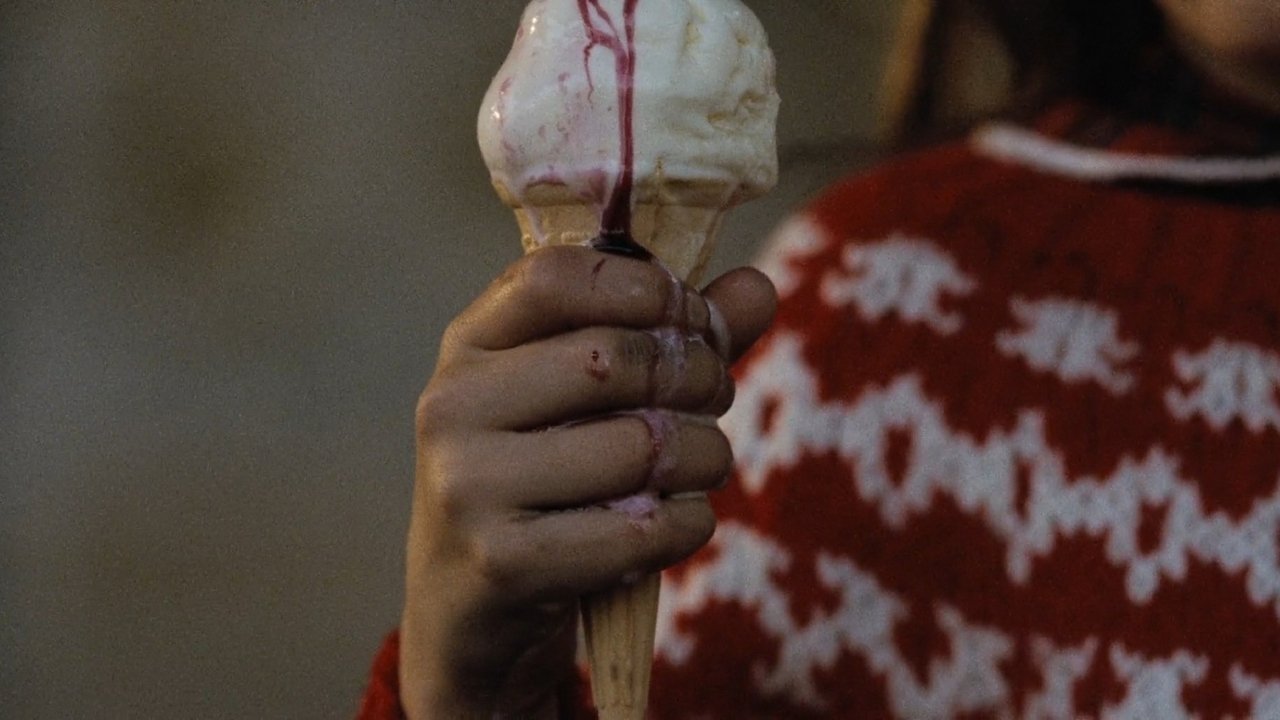
It's a testament to Ramsay's skill, and that of cinematographer Alwin H. Küchler, that a film set against such squalor can feel so visually striking. There are moments of unexpected grace: James finding solace with the vulnerable Anne Marie, sharing secrets and tentative affection; his fascination with the slightly older, animal-loving Kenny, who owns a pet mouse; or the recurring dreamlike image of James seemingly transported to a field of golden wheat, a stark contrast to his grimy reality, symbolising that distant hope of the new housing estate.
Ramsay, drawing partly on her own Glasgow childhood memories, specifically chose the 1973 strike period. It wasn't just for the potent visual metaphor of the rubbish, representing societal neglect and decay, but also for the specific mood it created. It’s a backdrop that feels almost post-apocalyptic, amplifying the sense of entrapment felt by the characters. It’s a detail easily missed, but knowing Ramsay deliberately selected this historical moment adds another layer to the film's suffocating atmosphere.
Raw Performances and Lasting Questions
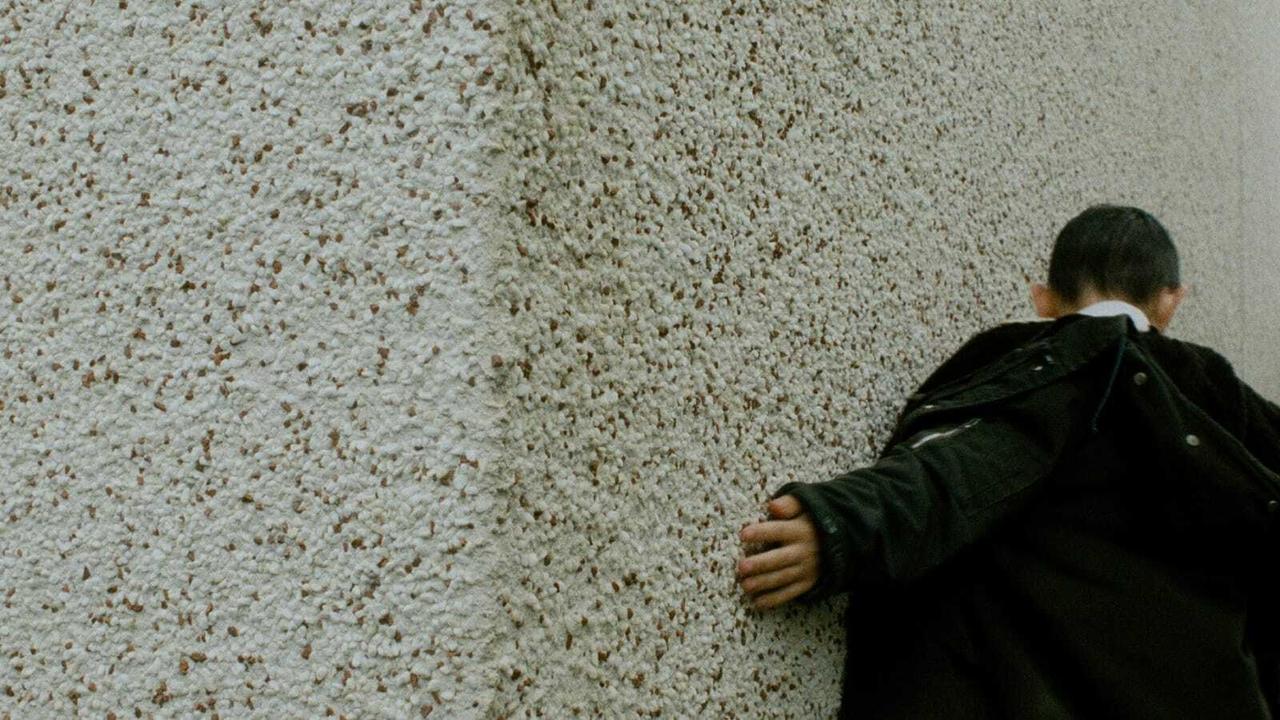
William Eadie, discovered locally and with no prior acting experience, is simply unforgettable as James. His performance is devoid of polished precociousness; it feels utterly real, capturing the confusion, vulnerability, and quiet intensity of a boy grappling with forces beyond his control. He carries the film effortlessly. Supporting him, Tommy Flanagan (a familiar face even then, post-Braveheart (1995)) brings a weary authenticity to James's Da, a man struggling with his own demons and the weight of providing for his family in impossible circumstances. Mandy Matthews as Ma provides the frayed maternal presence, trying to hold things together.
This wasn't a film designed for easy answers or neat resolutions. It premiered at the Cannes Film Festival in 1999, winning critical acclaim precisely because of its challenging nature and artistic integrity – quite a feat for a debut feature made on a relatively modest £2 million budget. It forces us to confront uncomfortable truths about poverty, the loss of innocence, and the ways environment can shape destiny. What does childhood look like when stripped of its romanticised veneer? How does guilt fester in silence? And is escape ever truly possible, or just a dream glimpsed across a field of wheat?
I remember encountering Ratcatcher on VHS, likely tucked away in the 'World Cinema' or 'Independent' section of the video store, a stark contrast to the colourful boxes of the latest blockbusters. It felt like discovering something hidden, something potent and lingering. It didn't offer the immediate gratification of an action sequence or a punchline, but it offered something perhaps more valuable: a deeply affecting portrait of a specific time and place, rendered with artistry and empathy.
Rating: 9/10
Ratcatcher earns this high rating for its masterful direction, unforgettable central performance, and its ability to find haunting poetry within profound bleakness. It’s a near-perfect debut that establishes Lynne Ramsay’s unique voice immediately. The film doesn't just depict poverty; it allows you to feel the grit under your fingernails and the weight of unspoken sorrow in a child's gaze.
It remains a powerful piece of late 90s British cinema, a reminder that even amidst the perceived decline of the VHS era, truly distinct and challenging voices were still emerging. It’s a film that stays with you, not necessarily for its plot points, but for the atmosphere it creates and the quiet devastation it observes. What lingers most, perhaps, is the echo of James's silent plea for something more, a feeling that transcends its specific setting and resonates even today.