Okay, let's dust off a slightly newer tape from the shelf, one that arrived just as the credits seemed to be rolling on the big 90s teen movie explosion. By 2000, Freddie Prinze Jr. wasn't just a rising star; he was practically the designated driver of the high school and college romantic comedy. After charming audiences in She's All That (1999), pairing him with the undeniably striking Claire Forlani, known for more dramatic turns like Meet Joe Black (1998), in "Boys and Girls" felt like aiming for that same sweet spot of youthful romance and relatable angst. But does this one rewind as fondly as its predecessors?
Crossing Paths, Again and Again
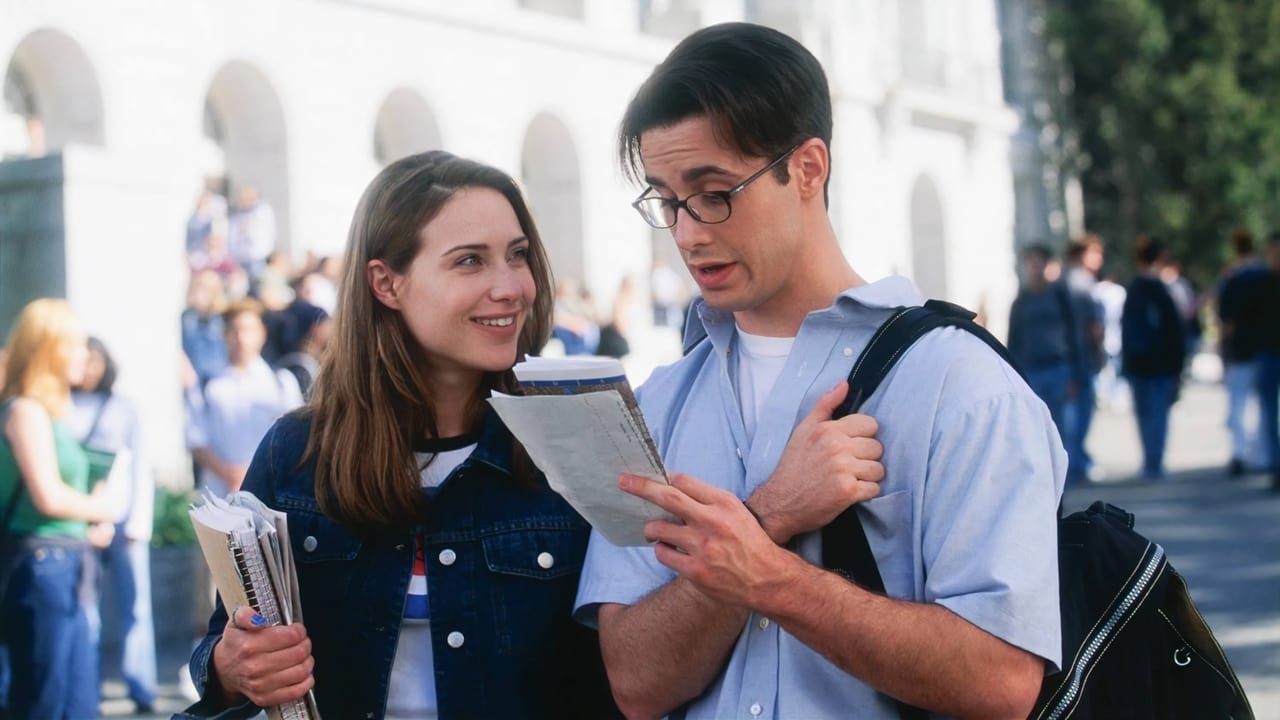
The premise itself feels like a familiar tune from the era's mixtape. We follow Ryan (Prinze Jr.), the earnest, slightly nerdy engineering student, and Jennifer (Forlani), the free-spirited, sometimes cynical Latin major, as their lives intersect repeatedly – on an airplane as kids, in high school, and finally, crucially, during their college years at UC Berkeley. The film hangs its hat on the age-old question, echoing When Harry Met Sally... (1989) for the TRL generation: can men and women truly maintain a platonic friendship without the messy complication of romantic feelings? It's a structure built on chance encounters and the slow burn (or perhaps, slow fizzle?) of attraction, charting their growth from awkward teens to young adults navigating independence and relationships.
Sparks or Just Static?

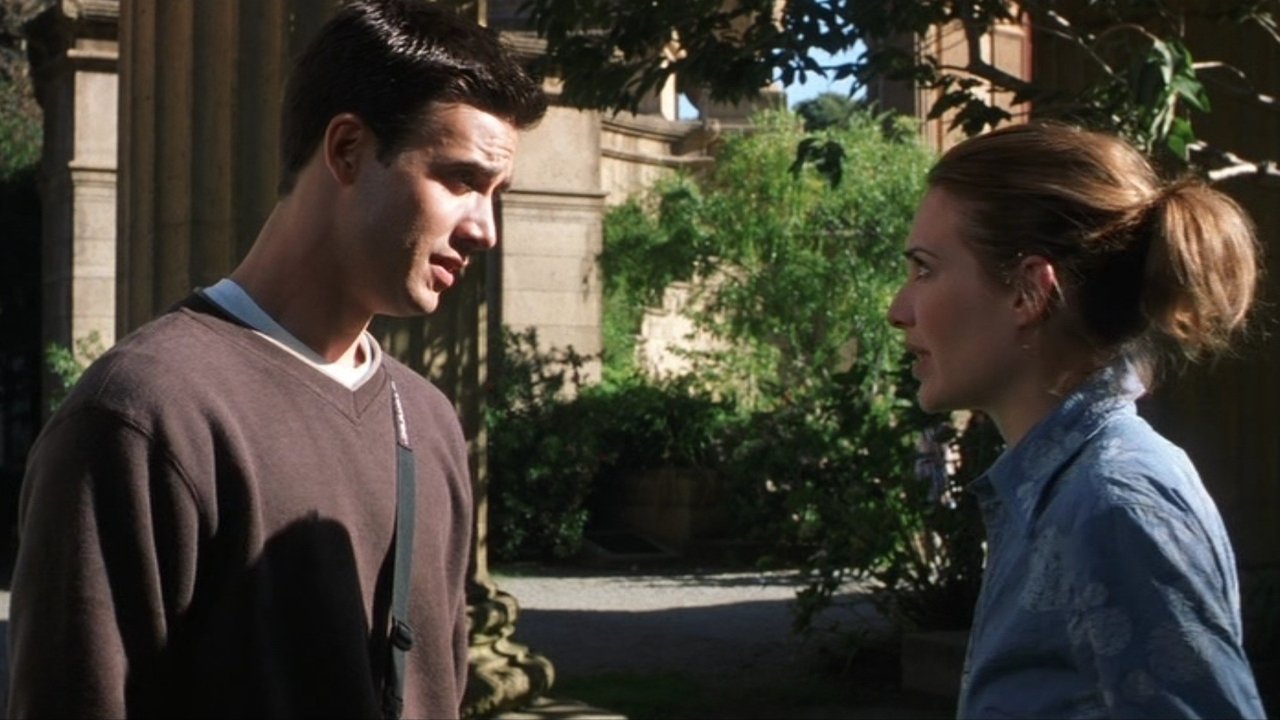
Much of a film like this hinges on the chemistry between its leads, that intangible spark that makes you believe in the "will they/won't they." Prinze Jr. comfortably slips into the role of the reliable, slightly wounded nice guy, a persona he honed effectively throughout the late 90s. He’s likable, grounded, the kind of guy you could imagine actually meeting on campus. Forlani, however, feels somewhat adrift. Jennifer is written as more complex, perhaps guarded and prone to self-sabotage, but Forlani’s performance sometimes translates this into a detached coolness that borders on disinterest. While both actors are individually appealing, the crucial connection between Ryan and Jennifer often feels forced rather than organic. There are moments where you see the potential, a shared glance or a brief moment of vulnerability, but the sustained sizzle needed to anchor the romance never quite materializes. Rumors sometimes surface about a lack of off-screen rapport influencing the on-screen dynamic, and while we focus on the film itself here, one does sense a certain distance between the characters that hinders the core relationship.
It's worth noting Jason Biggs, hot off the massive success of American Pie (1999), appears as Ryan's roommate, Hunter (sometimes listed as Steve). He's tasked with providing the broader comedic relief, often riffing on relationship woes and sexual hang-ups. While Biggs gamely delivers his lines, the character feels less like a fully formed friend and more like a collection of familiar comedic beats from his previous hit, albeit toned down for a PG-13 rating.
Familiar Playbook, Fading Magic?

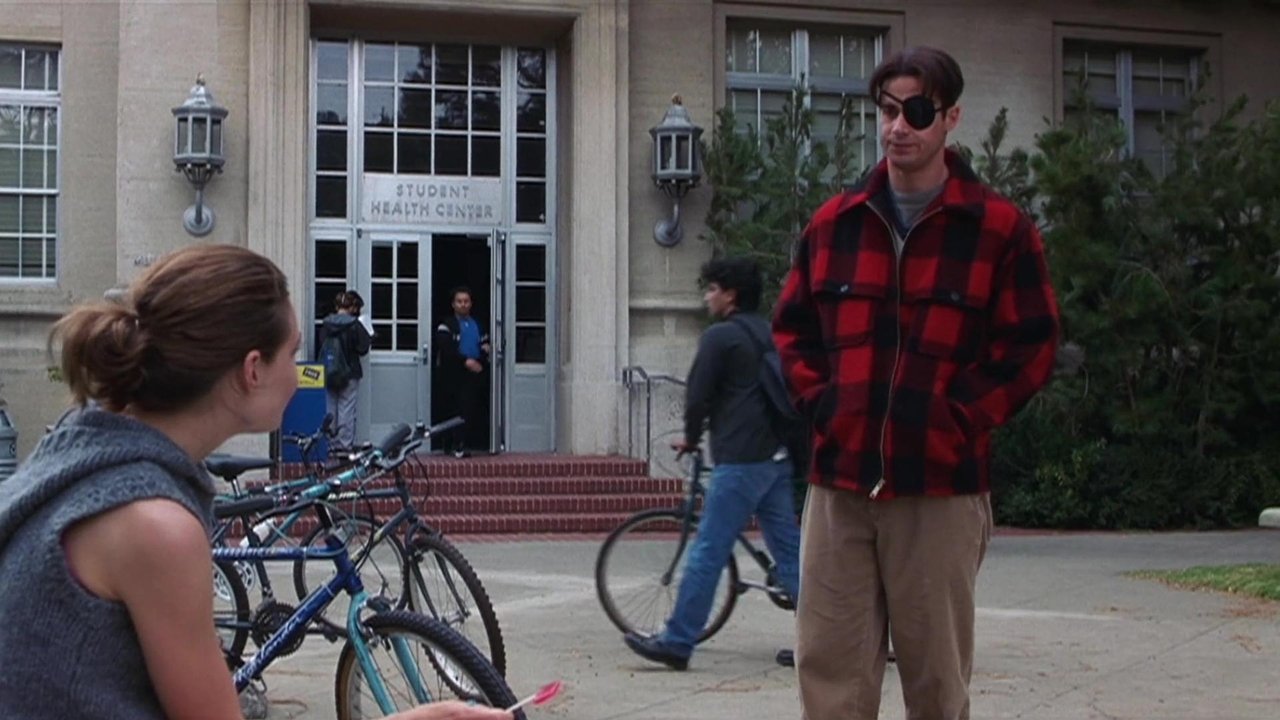
Behind the camera was Robert Iscove, who had successfully helmed She's All That. You can see the attempt to recapture that film's magic – the sunny California setting (filmed largely at UC Berkeley and Stanford), the focus on relatable young adult dilemmas, the pop-infused soundtrack aiming for chart success. However, "Boys and Girls" lacks the sharp wit and fairy-tale charm that made its predecessor connect so well. Written by Andrew Lowery and Andrew Miller, both primarily known as actors, the script often relies on predictable plot points and dialogue that feels more functional than inspired. It hits the expected rom-com notes but rarely finds a way to make them resonate uniquely.
It’s interesting to consider this film’s context. Arriving in June 2000, it landed after a wave of similar, often more memorable, films like 10 Things I Hate About You (1999), Never Been Kissed (1999), and the aforementioned She's All That. Perhaps audience fatigue was setting in? With a budget around $35 million, its domestic box office take of roughly $22 million (around $39 million today) marked it as a commercial disappointment, especially compared to the nearly $64 million haul of She's All That the year before. It seemed the formula, while comfortable, might have been wearing thin.
A Time Capsule of Turn-of-the-Millennium Vibes
Despite its shortcomings, watching "Boys and Girls" today offers a certain nostalgic comfort. It's a time capsule of early 2000s fashion (hello, bootcut jeans and spaghetti straps!), pre-social media college life, and a specific brand of earnest, slightly naive romanticism that feels distinctly of its moment. It captures that sense of impending adulthood, the messy navigation of relationships, and the hopefulness of finding your way, even if it does so without much depth or originality. For those who were teens or college-aged around Y2K, seeing the styles, hearing the faint echoes of nu-metal and pop-punk on the soundtrack, might spark a flicker of recognition, a memory of browsing the aisles at Blockbuster for the latest rom-com fix.
Rating: 5/10
"Boys and Girls" isn't a hidden gem, nor is it offensively bad. It's a perfectly adequate, if ultimately forgettable, entry in the late-stage teen/college rom-com cycle. The performances are capable, particularly from Prinze Jr. embodying his era-defining archetype, but the crucial chemistry between the leads is lacking, and the script rarely elevates itself above the familiar formula laid out by its predecessors. Director Robert Iscove couldn't quite replicate the success of She's All That, resulting in a film that feels pleasant but slight. It earns its 5 rating for being a harmless, occasionally charming snapshot of its specific time, buoyed by the considerable star power of its leads, even if the final product doesn’t quite add up to the sum of its parts.
It remains a curious artifact – a film banking on proven stars and a popular genre, yet somehow missing the spark that defined the era's best offerings, leaving it feeling like the last guest arriving just as the party was winding down.