Okay, fellow travellers through the flickering landscapes of home video, sometimes the shelves of memory—or indeed, the later arrivals at the rental store just as DVDs started pushing tapes aside—offer up something unexpected. Not the usual neon-drenched action or creature-feature comfort food, but a film that lodges itself deep in your consciousness, stark and unshakeable. Bahman Ghobadi's A Time for Drunken Horses (2000) (original title: Zamani Barayé Masti Asbha) is precisely such a film. It arrived at the turn of the millennium, perhaps caught on a late-run VHS or an early DVD, feeling worlds away from the typical fare, yet demanding just as much attention, albeit of a profoundly different kind.
The Weight of the World on Young Shoulders
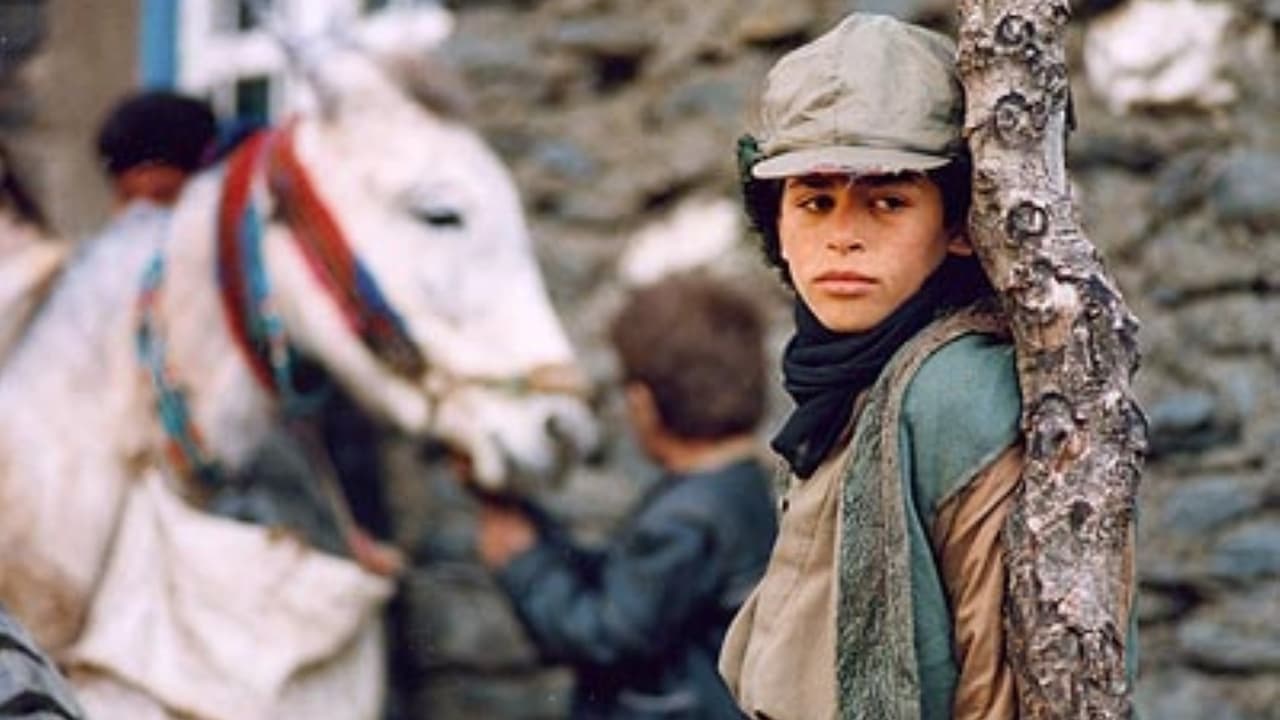
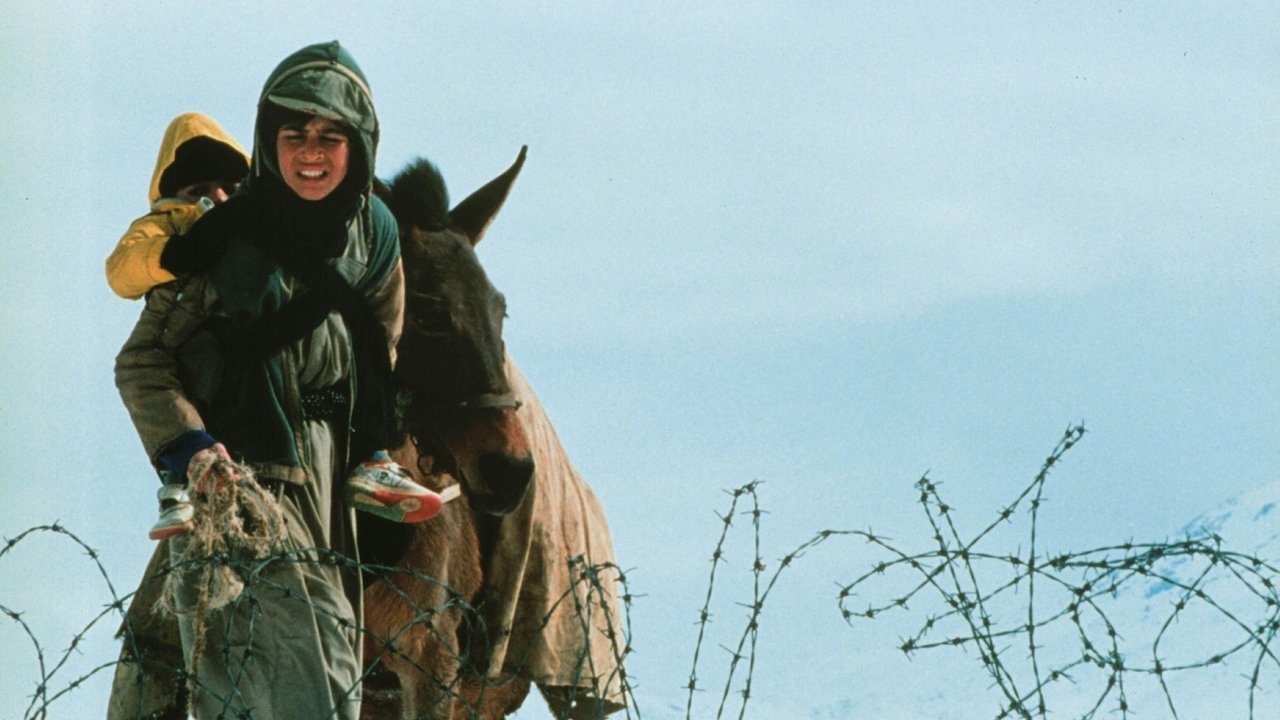
What strikes you first, and lingers long after the credits roll, are the faces. The children at the heart of this story, orphaned Kurds living precariously on the Iran-Iraq border, carry an astonishing weight in their eyes. Led by Ayoub (Ayoub Ahmadi), perhaps twelve or thirteen years old but aged far beyond that by responsibility, the siblings struggle for survival in a landscape as harsh and unforgiving as their circumstances. The central narrative thread involves the desperate need for an operation for Madi, the disabled younger brother, whose gentle, suffering presence anchors the family's plight. This isn't a story of grand adventure, but of grim necessity – the daily grind of smuggling goods across treacherous mountain passes on mules, just to scrape together enough money for food, let alone life-saving surgery.
Ghobadi employs a neorealist approach that feels utterly authentic. There's no Hollywood gloss here, no contrived plot twists designed purely for dramatic effect. The drama arises organically from the brutal reality these children inhabit. Shot on location in Iranian Kurdistan, often using non-professional actors essentially playing versions of themselves (the young leads are remarkable), the film achieves a documentary-like immediacy. You feel the biting cold, the treacherous footing on snowy paths, the constant gnawing fear of border guards or treacherous traders. It's a world away from the slick productions we often celebrate from the 80s and 90s, yet its power is undeniable.
Why the Drunken Horses?
The film's evocative title refers to a grim practice depicted: feeding mules alcohol to help them withstand the extreme cold during dangerous smuggling runs. It’s a detail that speaks volumes – a harsh measure for a harsh reality, mirroring the extraordinary burdens placed upon the young human smugglers themselves. They too must endure the unendurable. This isn't symbolism laid on thick; it’s woven into the fabric of their existence, a practical, desperate measure in a world stripped bare of sentimentality. Watching Ayoub haggle, scheme, and take on perilous work usually reserved for hardened adults is both heartbreaking and profoundly moving. His determination is fierce, born not of ambition, but of love and duty towards his siblings, especially Madi.
A Window Onto Another World
Discovering a film like A Time for Drunken Horses back then, perhaps nestled between more familiar titles at the video store, could feel like stumbling upon a secret transmission from a distant reality. It wasn't about escapism; it was about confrontation – confronting the hardships faced by others, the resilience of the human spirit in the bleakest conditions. Ghobadi, making his feature debut, directs with a controlled, observational style. He doesn't manipulate emotions overtly; he simply presents the situation with unflinching honesty, allowing the inherent power of the children's story to resonate. The stark, often breathtakingly beautiful cinematography captures both the majesty and the menace of the mountainous terrain, a constant, imposing character in the narrative. It’s worth noting the film's impact wasn't just emotional; it garnered significant international acclaim, winning the prestigious Caméra d'Or (for best first feature film) at the Cannes Film Festival in 2000, signalling the arrival of a vital new voice in world cinema.
Lingering Questions
What does it mean to be a child when childhood itself is a luxury you cannot afford? How far would one go for family in the face of seemingly insurmountable odds? These are the questions A Time for Drunken Horses leaves swirling in the viewer's mind. The performances from Ayoub Ahmadi, Rojin Younessi (as his determined sister Amaneh), and Amaneh Ekhtiar-dini (as another sister) are astonishingly naturalistic. They don't feel like actors performing roles; they feel like real children enduring unimaginable struggles, their courage and vulnerability etched onto their faces. Their resilience is not presented as heroic in a conventional sense, but as a fundamental requirement for survival.
---
Rating: 9/10
Justification: This near-masterpiece earns its high rating through its devastating authenticity, the unforgettable performances by its young, non-professional cast, and Bahman Ghobadi's assured, compassionate direction. It achieves a level of raw emotional power and social commentary rarely seen, presenting its harsh realities without flinching or resorting to melodrama. While its bleakness makes it a challenging watch, its artistry and profound humanity are undeniable. It might not be a typical "feel-good" VHS night pick, but its impact is far more lasting.
Final Thought: A Time for Drunken Horses is a film that stays with you, a stark reminder of the hardships faced elsewhere in the world, viewed through the incredibly resilient eyes of children forced into adulthood far too soon. It’s a testament to the power of cinema to transport us, not just to worlds of fantasy, but to the unvarnished realities of human endurance.