Okay, gang, gather 'round the flickering glow of the metaphorical CRT. Remember 1999? The Y2K panic was brewing, the internet was still dialing up, and a little indie film called The Blair Witch Project had everyone convinced three student filmmakers had actually vanished in the woods, leaving behind only terrifying tapes. It was everywhere. Then, seemingly out of nowhere, Cartoon Network dropped something utterly brilliant and deeply weird during a Scooby-Doo marathon: "The Scooby-Doo Project". If you caught this back then, possibly late at night during their Halloween programming, you know the glorious confusion and laughter it induced.
### Jinkies! It's Found Footage!
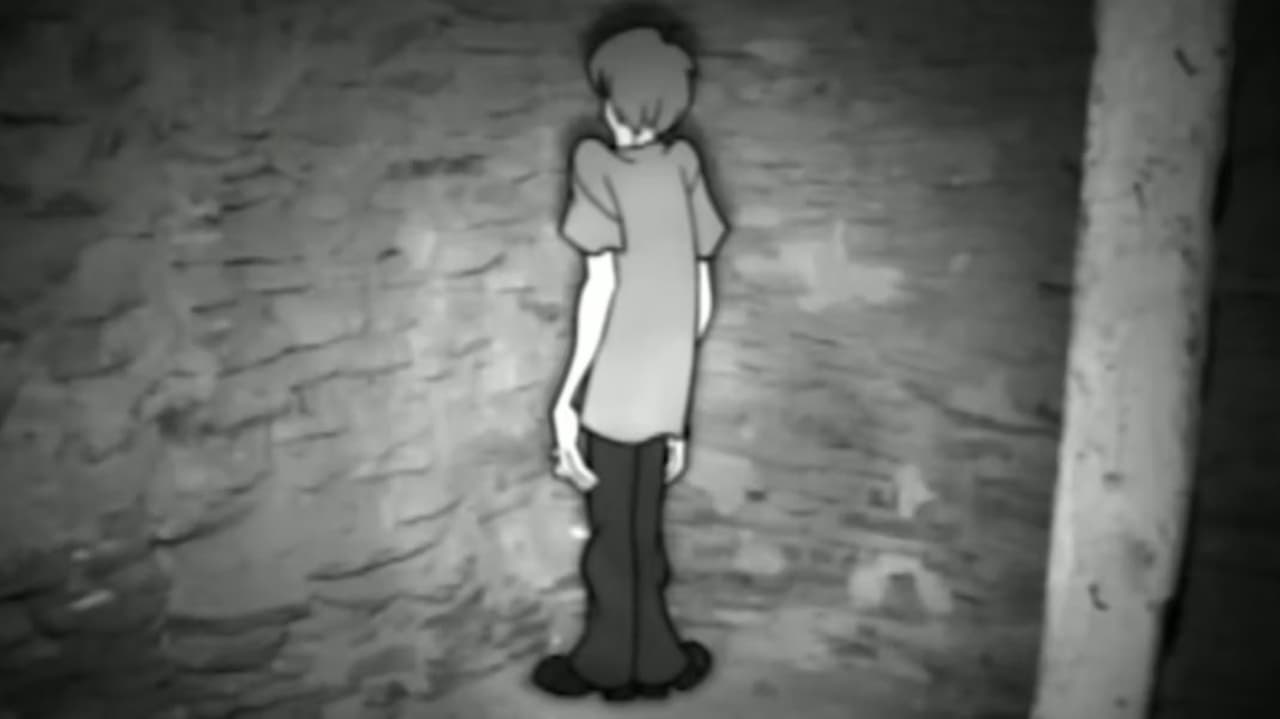
This wasn't your typical Saturday morning fare. Created by Casper Kelly, Larry Morris, and Steve Patrick (Kelly would later gift us the sublime nightmare fuel of Too Many Cooks), this series of shorts masterfully spoofed Blair Witch's cinéma vérité style using our beloved Mystery Inc. Gone were the smooth animation cels and laugh tracks. Instead, we got shaky, handheld "camera" work (supposedly filmed by the gang themselves), distorted audio, abrupt cuts, and those infamous, terrifying close-ups of runny noses and tear-filled eyes – except this time, it was Shaggy and Scooby having genuine meltdowns.
The premise was simple: the gang gets lost in the woods while searching for a monster, mirroring the Blair Witch narrative beat for beat. But seeing these familiar characters subjected to found-footage tropes was comedic genius. Fred’s unwavering, map-obsessed denial ("There is nothing wrong with the map!"), Daphne’s attempts to maintain appearances even while terrified ("Maybe we could just build a little lean-to?"), Velma desperately trying to apply logic to escalating supernatural chaos ("This is statistically impossible!"), and Shaggy and Scooby... well, they were born for this level of panic.
### Like, Zoinks, Man... Real Fear?
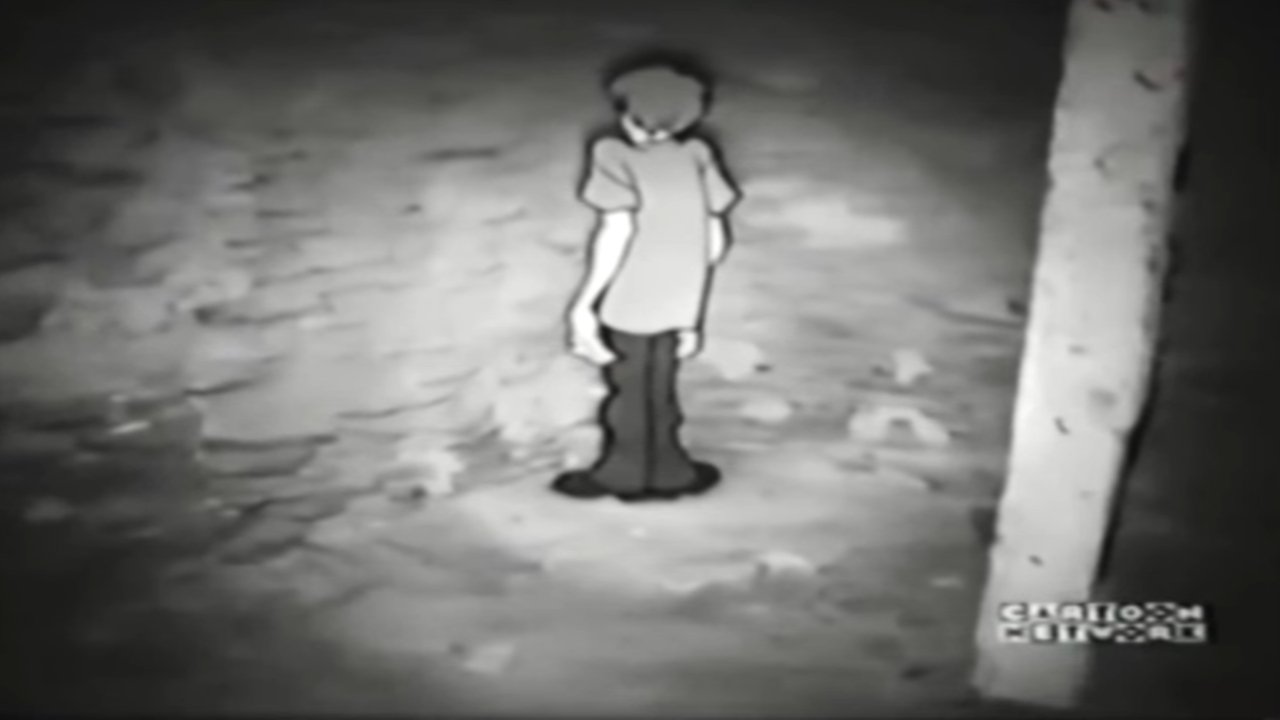
What made "The Scooby-Doo Project" so effective, and still memorable today, was how well it captured the feel of its source material. The grainy visuals, the muffled sound design where every twig snap sounds like impending doom, the reliance on suggestion rather than explicit monster reveals – it all worked. It wasn't just a gag-fest; it actually managed to be slightly unnerving at times, precisely because we know these characters and seeing them genuinely terrified, stripped of their usual cartoon invincibility, felt jarringly different.
The voice acting deserves major kudos here. Icons Frank Welker (Fred) and Scott Innes (Shaggy and Scooby – taking over after Don Messick) were joined by the incredibly talented Mary Kay Bergman (Daphne) and B.J. Ward (Velma). They didn't just phone it in; they delivered performances filled with authentic-sounding fear, frustration, and exhaustion, perfectly mimicking the raw emotion that made Blair Witch so impactful. Hearing Daphne's voice crack or Shaggy's signature "Zoinks!" morph into a whimper of pure terror added layers to the parody. A retro fun fact: This was produced relatively quickly for Cartoon Network's "Scooby-Doo, Where Are You!" marathon that October, capitalizing immediately on the Blair Witch phenomenon that had swept the nation just months earlier. Talk about striking while the iron was hot!
### More Than Just Scooby Snacks
The shorts cleverly incorporated familiar Scooby-Doo elements into the horror framework. The Mystery Machine breaks down, of course. They find creepy stick figures (Scooby Snacks arranged in ominous patterns!). They argue incessantly. The famous "monster reveal" ending of a typical Scooby episode gets twisted into the terrifying, ambiguous final moments mirroring the original film's chilling conclusion in the ruined house. The final shot, a distorted, dropped-camera view accompanied by panicked screams, was genuinely unsettling for a moment before you remembered you were watching a cartoon parody.
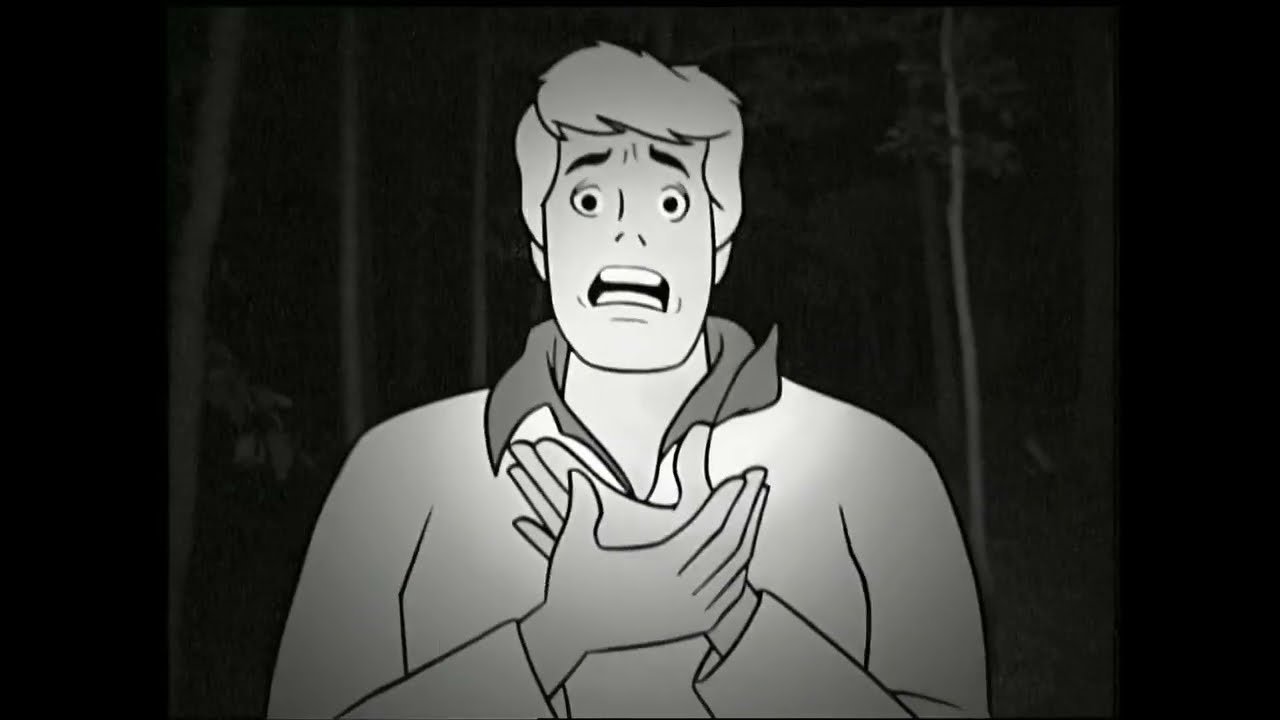
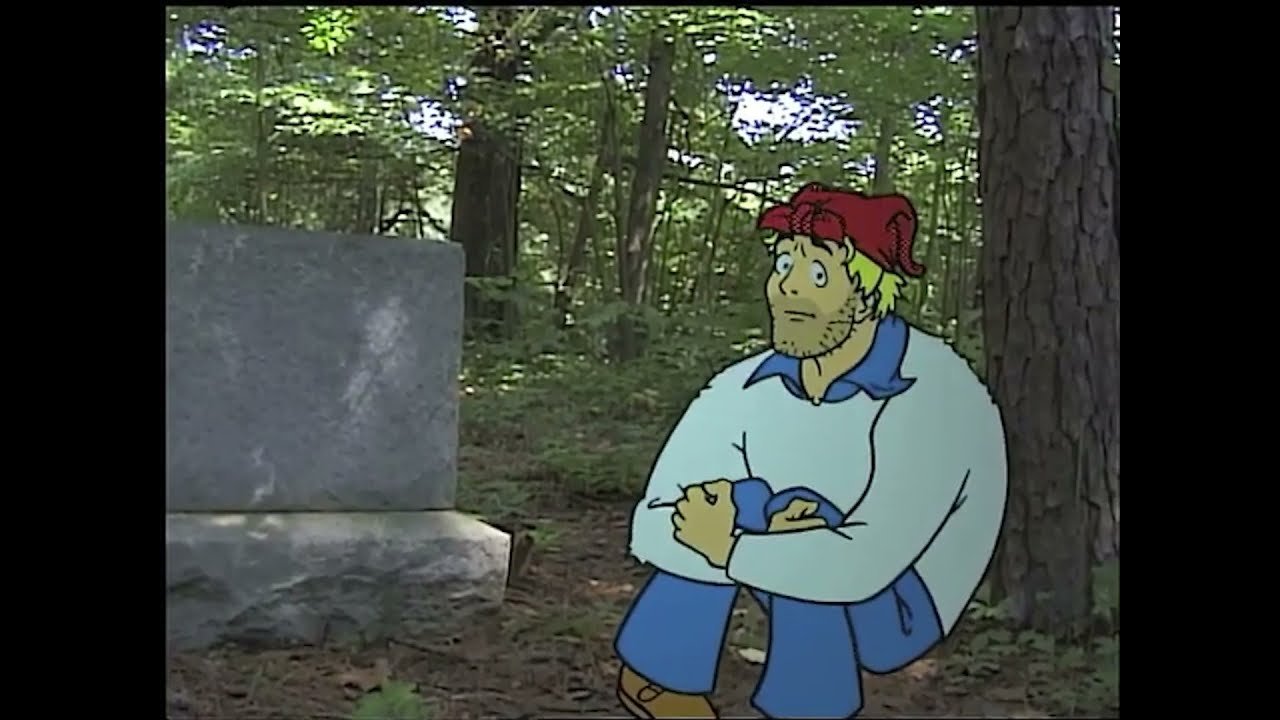
It even nailed the little details, like the confessional-style monologues directly to the camera. Velma losing her glasses wasn't just a gag; it became a moment of vulnerability heightening the found-footage dread. Fred stubbornly clinging to his plan long after it's fallen apart felt both funny and weirdly realistic to anyone who's been lost with that friend. Apparently, the creators used actual low-grade video equipment and deliberately distressed the animation cels to achieve the authentic found-footage look, a far cry from the polished digital animation we often see today. It’s that handmade, slightly ragged quality that gives it such enduring VHS-era charm.
### The Verdict
"The Scooby-Doo Project" wasn't just a throwaway parody; it was a sharp, affectionate, and surprisingly effective piece of satire that understood both Scooby-Doo and The Blair Witch Project perfectly. It captured a specific pop culture moment with wit and creativity, becoming a cult favorite for those who stumbled upon it during its limited airings. It was a testament to how animation could be used for more than just colourful adventures, tapping into contemporary trends with remarkable speed and skill. Finding a decent copy now might be harder than finding the Mystery Machine's keys after Shaggy's borrowed it, but it's worth the hunt.
Rating: 9/10
This rating reflects its brilliance as a parody and its status as a unique, perfectly executed piece of late-90s animation history. It nailed the tone, the look, and the humor, creating something far more memorable than a simple skit.
Final Thought: Forget shaky cams in dark woods; the real terror was realizing your childhood cartoon characters were just as susceptible to found-footage horror tropes as anyone else – Jinkies!