Alright fellow tapeheads, let's rewind to 1994. Picture this: you're browsing the 'New Releases' wall at Blockbuster, maybe grabbing some microwave popcorn. You spot a familiar face – Dana Carvey, fresh off the massive success of Wayne's World, grinning back at you from a brightly coloured VHS box. The title? Clean Slate. The premise? Utterly bonkers, even for the high-concept 90s. It felt like one of those perfectly peculiar Saturday night rentals, and revisiting it now brings back that exact same curious energy.
### Waking Up Confused, Again and Again
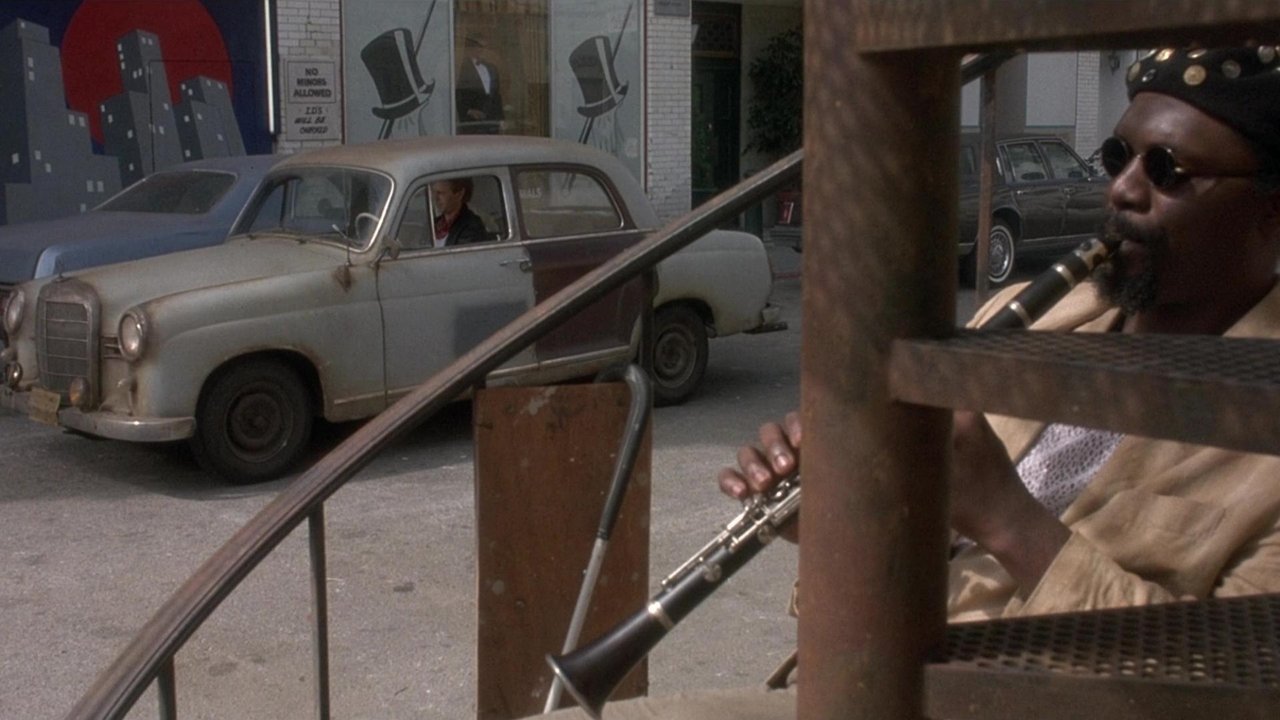
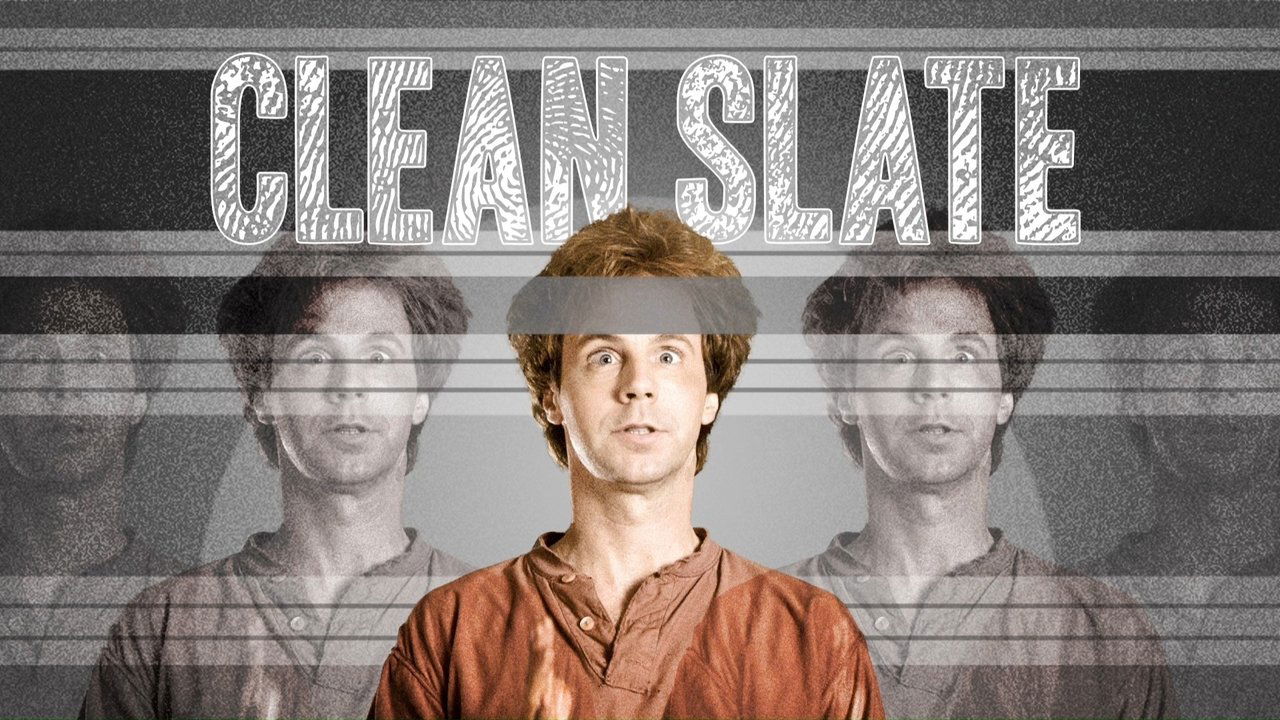
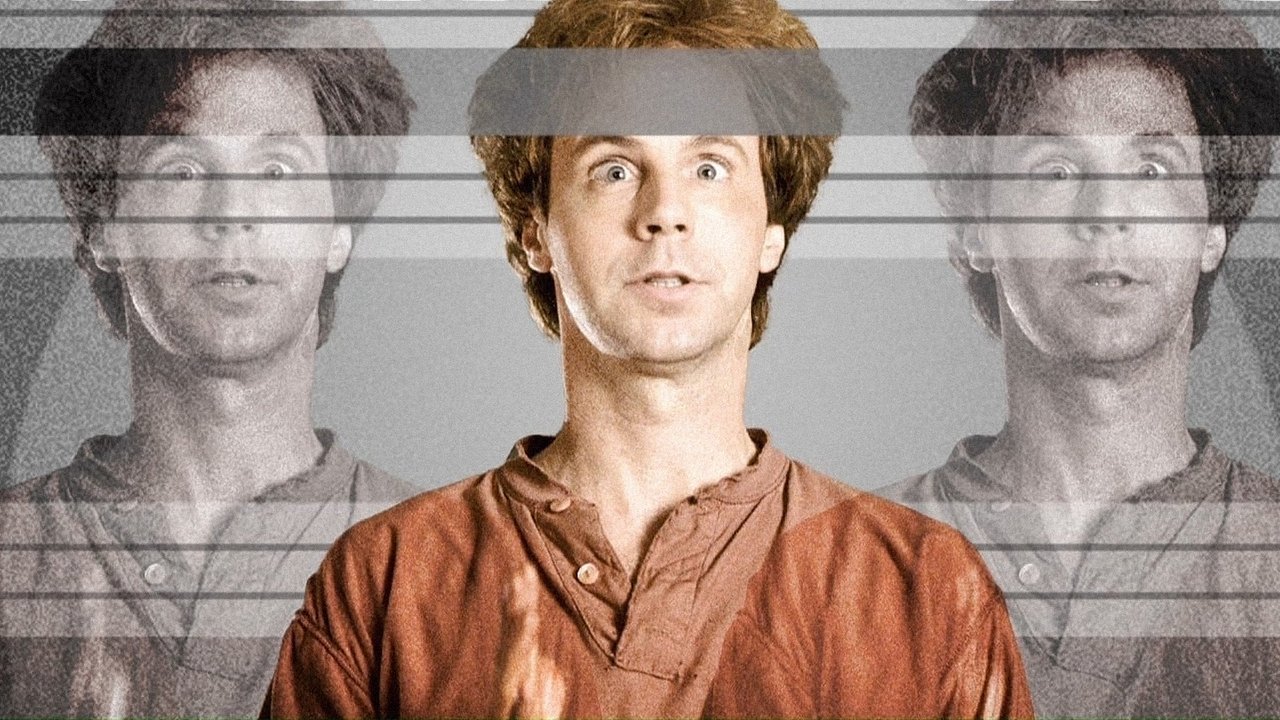
Clean Slate throws us headfirst into the perpetually bewildered life of Maurice L. Pogue (Carvey), a private investigator suffering from a rare form of retrograde amnesia. Every morning, he wakes up with absolutely no memory of anything before that day – his past, his identity, even the fact he has amnesia, is wiped clean. It's a concept brimming with comedic potential, essentially Groundhog Day meets Memento, but played primarily for laughs. Carvey, stepping into a solo leading role, dives in with the manic energy we loved from his SNL days. His Pogue is a whirlwind of confusion, piecing together his life each morning via frantic notes, audio recordings, and the help of his loyal Jack Russell terrier, cleverly named "Baby". Remember how Pogue would leave himself cassette tapes? That feels quintessentially 90s now, doesn't it?
The film, directed by Mick Jackson (who navigated very different territory with the poignant L.A. Story (1991) and the Kevin Costner hit The Bodyguard (1992)), leans heavily on Carvey's knack for physical comedy and vocal mimicry. Watching him react with fresh panic or bewilderment to the same recurring dangers or romantic entanglements day after day provides the film's core comedic engine. It's a performance that demands incredible energy, and Carvey absolutely commits. He's charmingly frantic, making Pogue's impossible situation surprisingly endearing.
### Tangled Threads and Comic Thrills
Of course, Pogue's condition isn't just inconvenient; it's dangerous. He's the key witness in a major trial against a shadowy villain, Philip Cornell (played with enjoyable menace by Michael Gambon, years before Dumbledore), but his testimony is useless if he can't remember anything by the time he gets to court. Adding another layer is the femme fatale, Sarah Novak (Valeria Golino, bringing warmth and spark just as she did in films like Rain Man (1988) and Hot Shots! (1991)), who may or may not be trustworthy, and whom Pogue falls for anew each day. Oh, and his exasperated boss is played by the unmistakable James Earl Jones, lending his booming gravitas to lines that mostly involve reminding Pogue who he is. Having Darth Vader himself constantly reintroducing you to your own life is a pretty solid gag.
The script comes from Robert King, who would later strike gold creating acclaimed TV dramas like The Good Wife and The Good Fight. It's fascinating to see his earlier, lighter work here. Clean Slate tries to juggle its amnesiac comedy with a fairly standard thriller plot involving stolen coins and mob threats. Sometimes this blend works, creating moments of genuine comic tension. Other times, the thriller elements feel a little thin, almost like an excuse to keep putting Pogue in funny, perilous situations. The logic of the amnesia itself gets stretched pretty creatively too – how does he remember how to drive, or talk, but not his own name? Best not to pull that thread too hard; just enjoy the ride!

### A Forgotten 90s Curiosity?
Despite Carvey's star power and a killer premise, Clean Slate wasn't exactly a box office smash, pulling in only around $7.5 million against a reported $20 million budget. Maybe the high-concept felt a little too high, or perhaps audiences weren't quite ready to see Carvey fully outside the Wayne's World persona just yet. Watching it today, it feels like a quintessential artifact of its time – a studio comedy built around a big star and a quirky hook. The fashion, the cars, the sheer earnestness of its central gimmick... it all screams mid-90s.
There isn't a ton of complex stunt work or practical effects wizardry here like in some action classics we discuss, but the comedy relies on precise timing and Carvey's physical commitment. There's a certain charm to its straightforward approach, a reminder of when comedies didn't always need layers of irony or meta-commentary to land a laugh. It aimed to entertain through its premise and its star, plain and simple. My own well-loved VHS copy certainly got a few plays back in the day, the slightly fuzzy tracking adding to Pogue's disoriented state.
### The Verdict
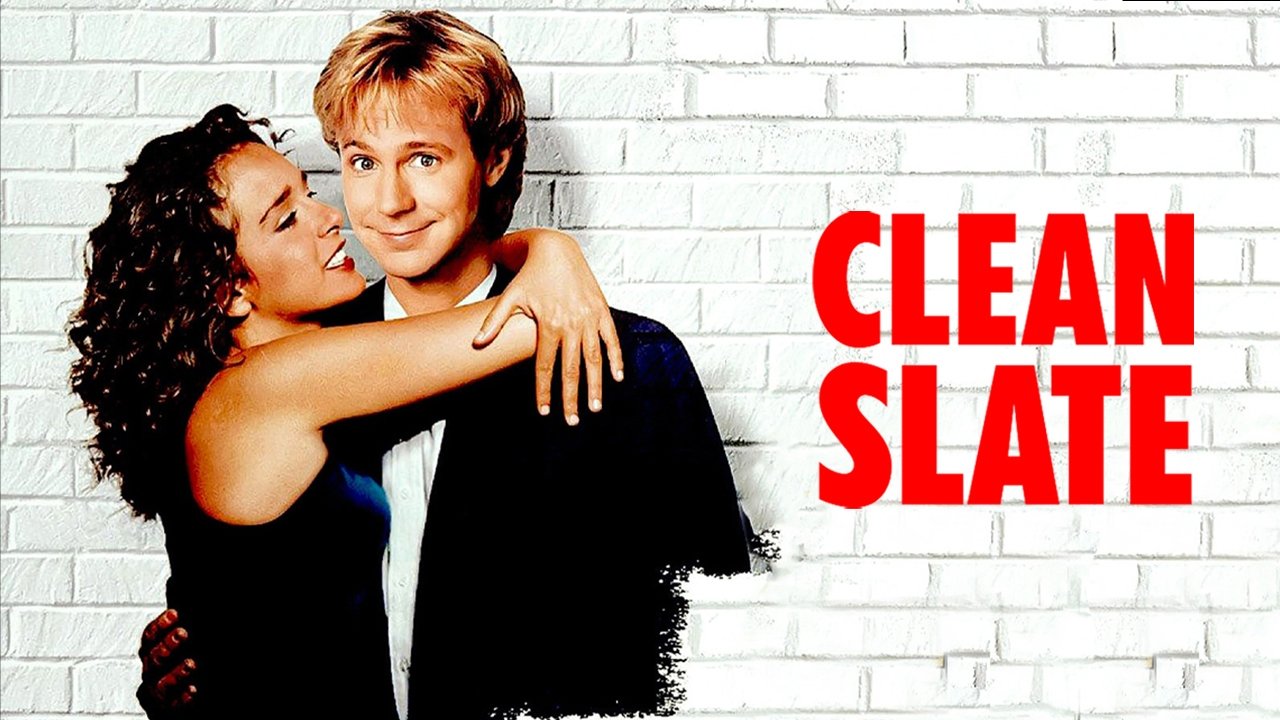
Clean Slate is undeniably goofy, occasionally uneven, but possesses a genuine charm largely thanks to Dana Carvey's relentless energy and the sheer audacity of its premise. It doesn't quite reach the comedic heights of its contemporaries like Groundhog Day, but it offers a fun, lightweight romp with some memorable gags and solid support from Valeria Golino and James Earl Jones. It perfectly embodies that feeling of discovering a slightly offbeat, star-driven comedy on the video store shelf – maybe not a masterpiece, but definitely worth a rental for fans of Carvey or quirky 90s concepts.
Rating: 6/10
It's a fun, slightly flawed time capsule carried by its star's commitment – a perfect example of the kind of endearing oddity you'd happily stumble upon during a late-night VHS binge.