Alright, fellow tape travelers, dim the lights, maybe adjust the tracking just a bit on that imaginary CRT, and let's talk about a find. Not your standard blockbuster rental, oh no. This is one of those colourful, slightly oddball boxes you might have glanced past a dozen times before finally taking a chance, maybe because Die Hard 6 wasn't out yet. I'm talking about Patrick Timsit's utterly bonkers 1999 French satire, Quasimodo d'el Paris. Forget dusty medieval stones; this hunchback swings through the political and media circus of late 90s Paris, and it’s… well, it’s something else.
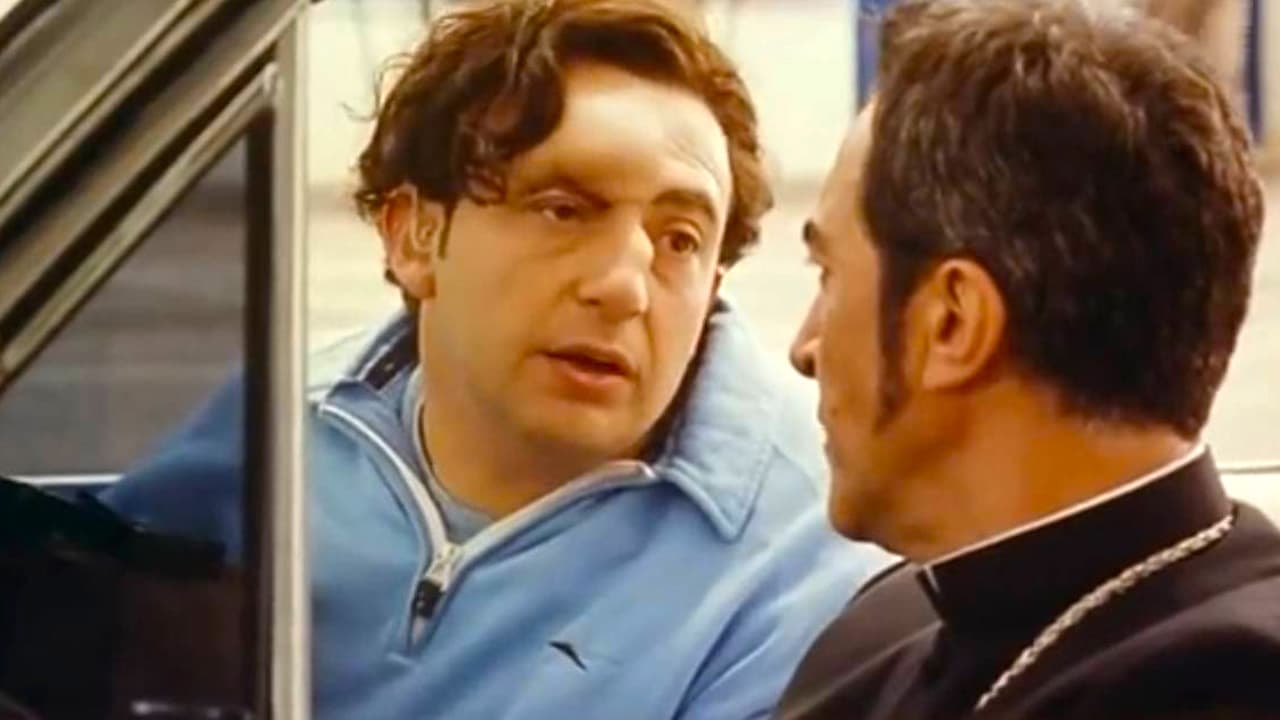
Finding this on VHS felt like uncovering a secret handshake amongst European cult film fans. It landed just three years after Disney’s G-rated spectacle, and you get the immediate sense that Timsit, pulling triple duty as director, co-writer, and star, wanted to violently yank Victor Hugo’s tragedy into the cynical, media-saturated end of the millennium. And yank it he does.
### Not Your Grand-mère's Hunchback
The premise alone is a head-spinner. Quasimodo (an almost unrecognisable Patrick Timsit under impressive, if deliberately grotesque, makeup) isn't an orphan left on the cathedral steps. He's the unwanted child of the city's governor, swapped at birth and raised in secret. His 'Frollo' (Richard Berry, oozing calculating slime) is Serge Frollo, a manipulative political archdeacon gunning for power. And Esmeralda? Played by a luminous, startlingly young Mélanie Thierry (this was one of her early major roles), she's a struggling illegal immigrant named Agnès, caught in Frollo’s web.
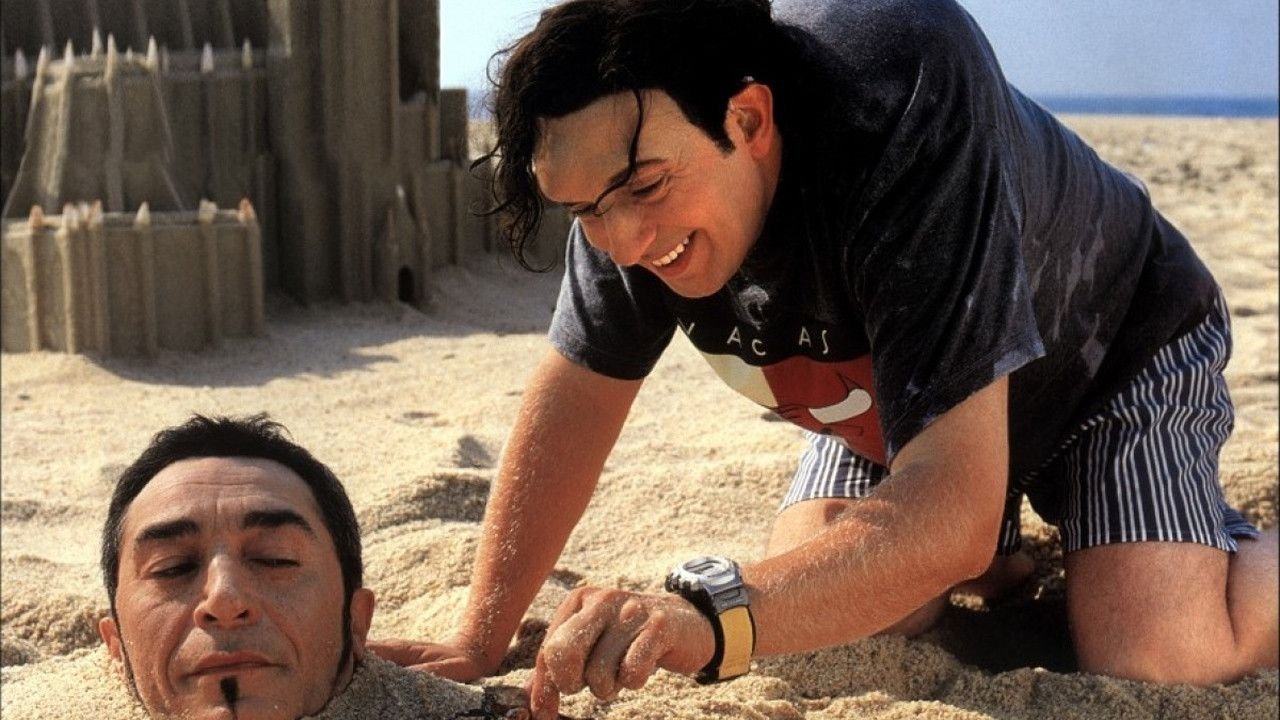
The plot throws everything at the wall: political corruption, immigration debates, reality TV sensationalism, genetic modification conspiracies… it's a chaotic stew of late-90s anxieties filtered through a very French, very broad comedic lens. Forget tragic romance; this Quasimodo is more of a socially awkward, physically imposing force of nature navigating a world that’s arguably uglier than he is.
### Timsit Unleashed
Patrick Timsit, already a well-known comedic actor in France (perhaps familiar to some international audiences from Un Indien dans la ville / Little Indian, Big City), clearly relishes the chance to go full tilt, both behind and in front of the camera. This was his directorial debut, a bold swing for the fences reportedly made for around 10 million Euros. His Quasimodo isn’t the gentle soul often portrayed; he’s blunt, sometimes crude, possessing a strange innocence mixed with bursts of primal rage. The performance is intensely physical, leaning into the character's awkwardness and strength with a commitment that sells the absurdity.
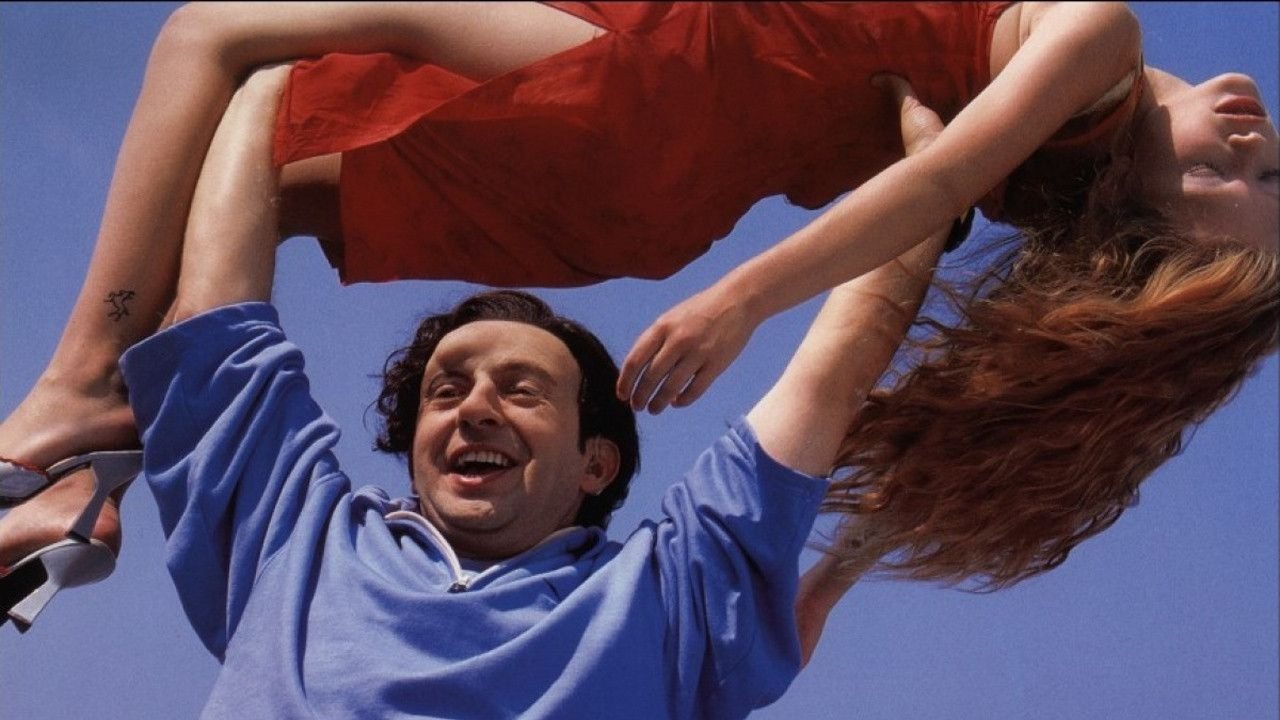
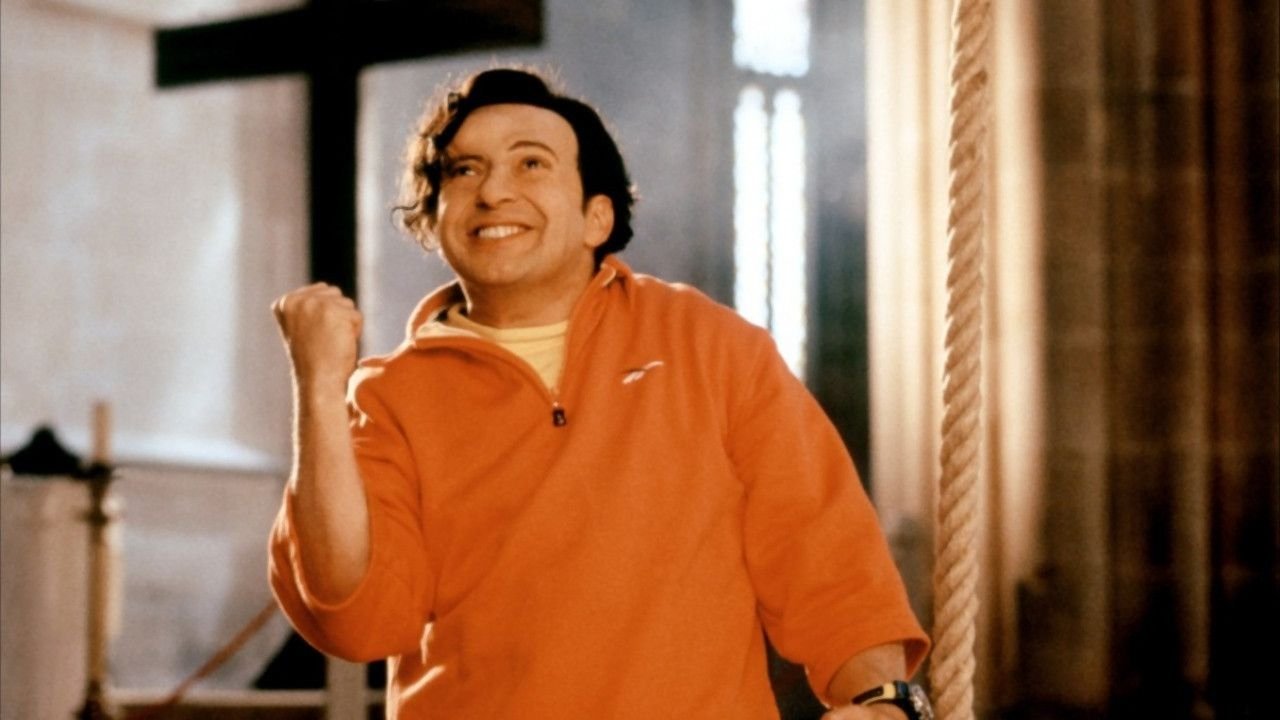
While not an 'action' film in the traditional sense, there's a manic energy here. Timsit throws Quasimodo into situations designed for maximum discomfort and visual comedy – navigating crowded modern streets, interacting with gawking tourists, even finding himself the subject of exploitative media attention. The 'action' is the relentless collision of this medieval figure (reimagined) with the harsh realities and hypocrisies of modern Parisian life. Remember how raw some physical comedy felt back then, before CGI smoothing? Timsit’s Quasimodo thuds when he lands.
### Satire with a Sledgehammer (and Some Heart?)
The film’s satire isn't exactly subtle. Frollo, played with chilling conviction by Richard Berry (a stalwart of French cinema), is a power-hungry monster manipulating social issues for political gain. The media figures are rapacious caricatures. It’s aiming broad darts at recognisable targets of the era, sometimes hitting, sometimes wildly missing with jokes that feel very 1999. A retro fun fact that highlights the film's ambition (or perhaps audacity): they actually secured permission to film some scenes inside Notre Dame cathedral itself, blending the iconic location with their thoroughly modern, often profane, take. Imagine the pitch meeting for that one!
Yet, amidst the chaos and often juvenile humour, there are flashes of something more. Mélanie Thierry brings a genuine vulnerability to Agnès/Esmeralda, grounding the film slightly. Her interactions with Quasimodo hint at the potential for connection amidst the ugliness, a flicker of the original story's pathos buried beneath layers of late-90s cynicism. It's a testament to her early talent that she stands out amidst the deliberate grotesquerie.
Did it set the world on fire? Not exactly. While reportedly doing decent box office in France (over a million admissions is nothing to sneeze at!), critical reception was mixed, and internationally, it remained largely an obscure oddity. It certainly didn't achieve the global recognition of that other Hunchback adaptation from the 90s. But maybe that’s part of its charm now, looking back from our hyper-connected age.
### Is This Cathedral Still Standing?
So, pulling this tape off the shelf today… how does it hold up? Quasimodo d'el Paris is undeniably a product of its time – the humour can be scattershot, the satire blunt, the fashion choices questionable. It’s loud, sometimes obnoxious, and definitely not for everyone. But there's an infectious energy to its sheer nerve, its commitment to its bizarre vision. It's a fascinating time capsule of late-90s French pop culture taking aim at itself, wrapped in a familiar story twisted into almost unrecognisable shapes.
Rating: 6/10
Justification: The score reflects the film's status as a genuinely unique, ambitious, but flawed cult oddity. Points awarded for the sheer audacity of the concept, Timsit's committed physical performance, Thierry's early promise, and its value as a fascinating, bizarre time capsule. Points deducted for the uneven tone, hit-or-miss satire, and humour that hasn't all aged gracefully. It's not a masterpiece, but it's far from forgettable.
Final Thought: This is the kind of weird gem the dusty shelves of the video store were made for – a brash, messy, unmistakably 90s experiment that reminds you sometimes the strangest rentals were the most memorable. Approach with curiosity and maybe lower your expectations for subtlety.