Alright, pop that tape in the VCR, maybe nudge the tracking just a bit, and settle in. Remember that feeling? Scanning the shelves at Blockbuster, maybe grabbing a comedy you hadn't heard much about but the cover looked promising? That's exactly the vibe Mickey Blue Eyes (1999) brings back – a comfortable, funny flick that perfectly captures that late-90s blend of romantic comedy and fish-out-of-water shenanigans, albeit with a surprisingly mobbed-up twist. It wasn't aiming to reinvent the wheel, but boy, did it know how to spin its particular brand of charm.
### Fuhgeddaboudit? Not Likely!
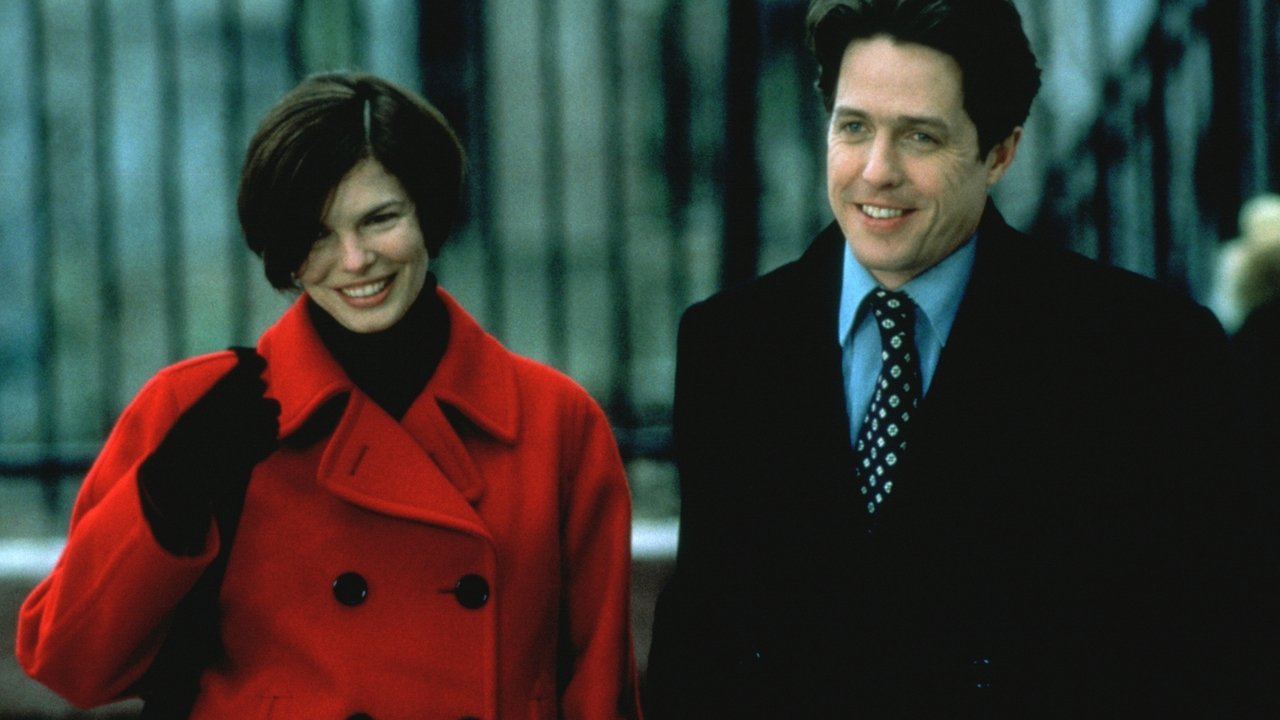
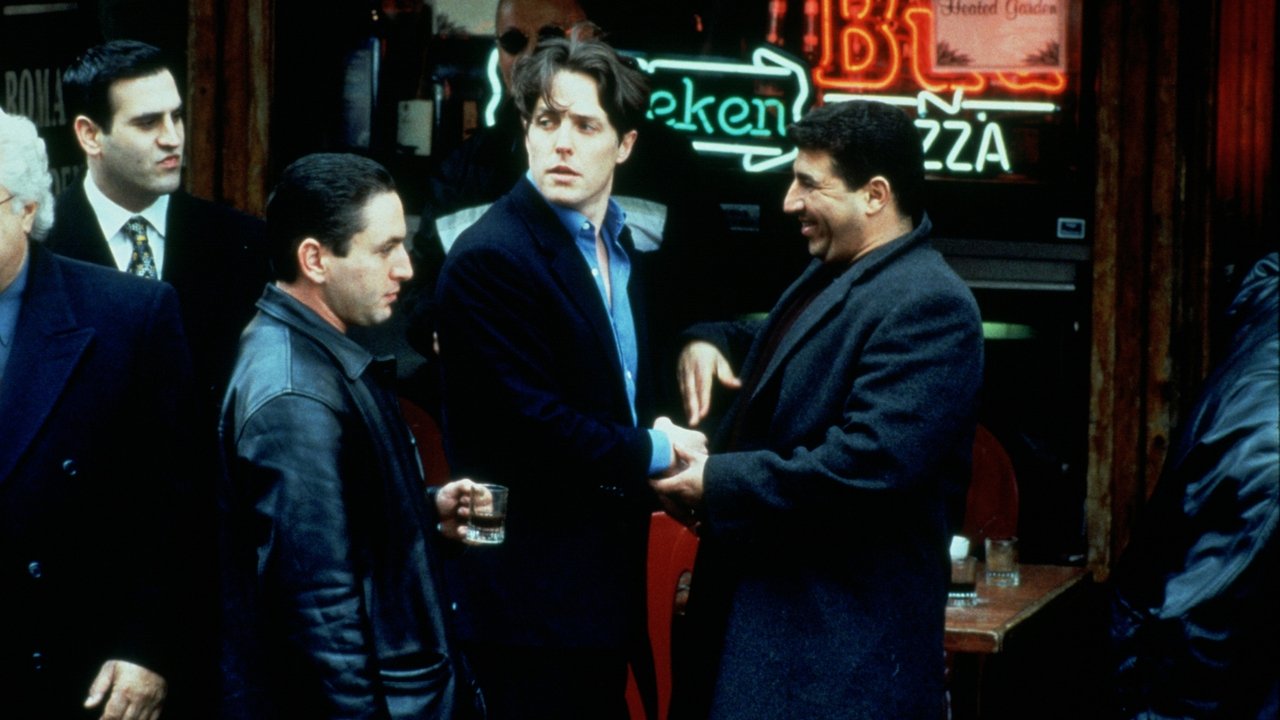
The premise is pure, distilled 90s high-concept gold: Michael Felgate (Hugh Grant), a charmingly flustered English auctioneer living in New York, finally decides to propose to his lovely girlfriend, Gina Vitale (Jeanne Tripplehorn). There's just one tiny snag he discovers post-proposal: Gina's dad, Frank (James Caan), isn't just connected. He's connected connected. Like, "offers you can't refuse," fine-dining-with-wise-guys connected. What follows is Michael's increasingly desperate, and hilarious, attempt to navigate his future in-laws' world without getting whacked or, perhaps worse for him, embarrassing himself completely.
This was peak Hugh Grant era, wasn't it? Fresh off global smashes like Four Weddings and a Funeral (1994) and Notting Hill (released the same year!), Grant had perfected that persona of the stammering, self-deprecating, utterly endearing Englishman utterly lost in translation. Mickey Blue Eyes leans hard into this, and Grant delivers exactly what you'd expect, turning Michael's awkwardness into comedic gold. His attempts to adopt mob lingo ("Are you suggesting I fuhgeddaboudit?") are perfectly cringe-worthy, hitting that sweet spot of relatable panic and absurdity. Co-writer Adam Scheinman reportedly based the initial idea on his own experience dating someone whose family had some... intimidating connections, which might explain why Michael's predicament feels strangely grounded amidst the silliness.
### When Sonny Met Hugh
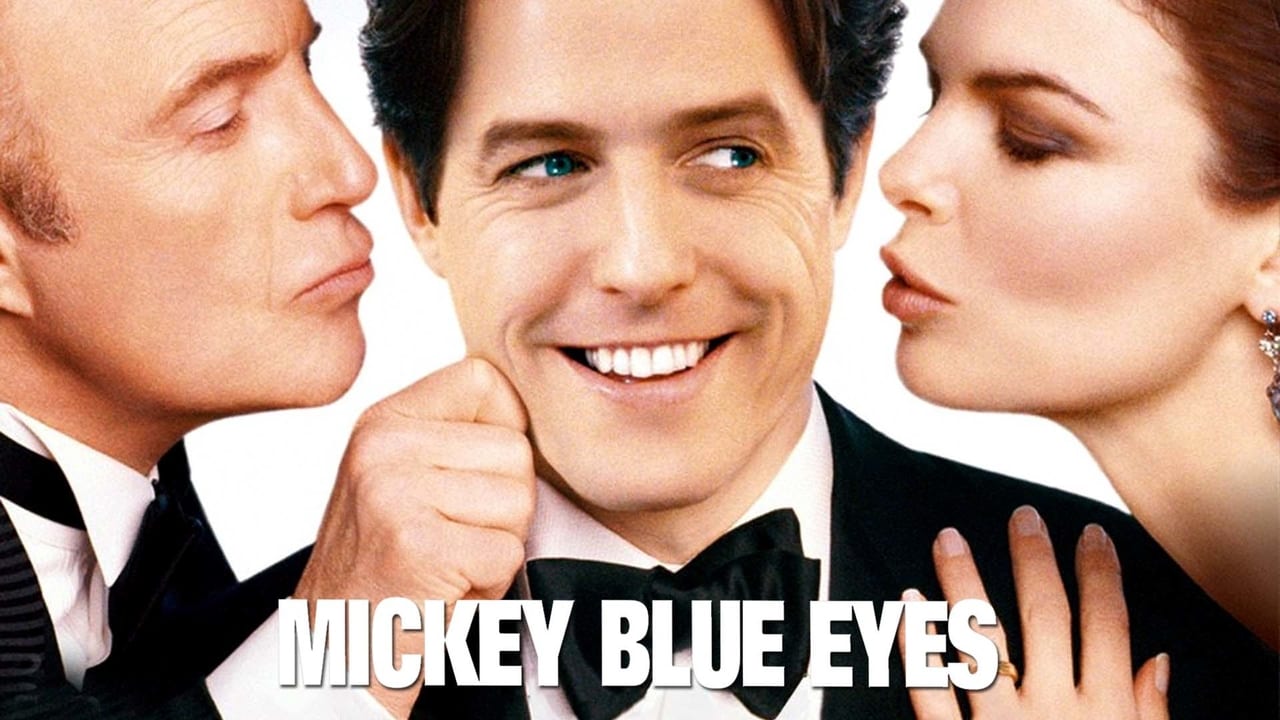
The casting of James Caan as Frank Vitale is nothing short of inspired genius. Here's Sonny Corleone himself, the hot-headed heir apparent from The Godfather (1972), playing the slightly weary, surprisingly paternal mob boss trying to keep his daughter happy and his potential son-in-law alive. Caan brings an effortless gravitas and understated menace that anchors the entire film. He’s not just playing a gangster; he’s playing with the image of a gangster, and clearly having a blast doing it. There's a twinkle in his eye, even when delivering lines that could curdle milk. The dynamic between Grant's bumbling politeness and Caan's world-weary authority is the engine driving the comedy. It's reported Caan particularly enjoyed the chance to gently parody the tough-guy roles that defined much of his career.
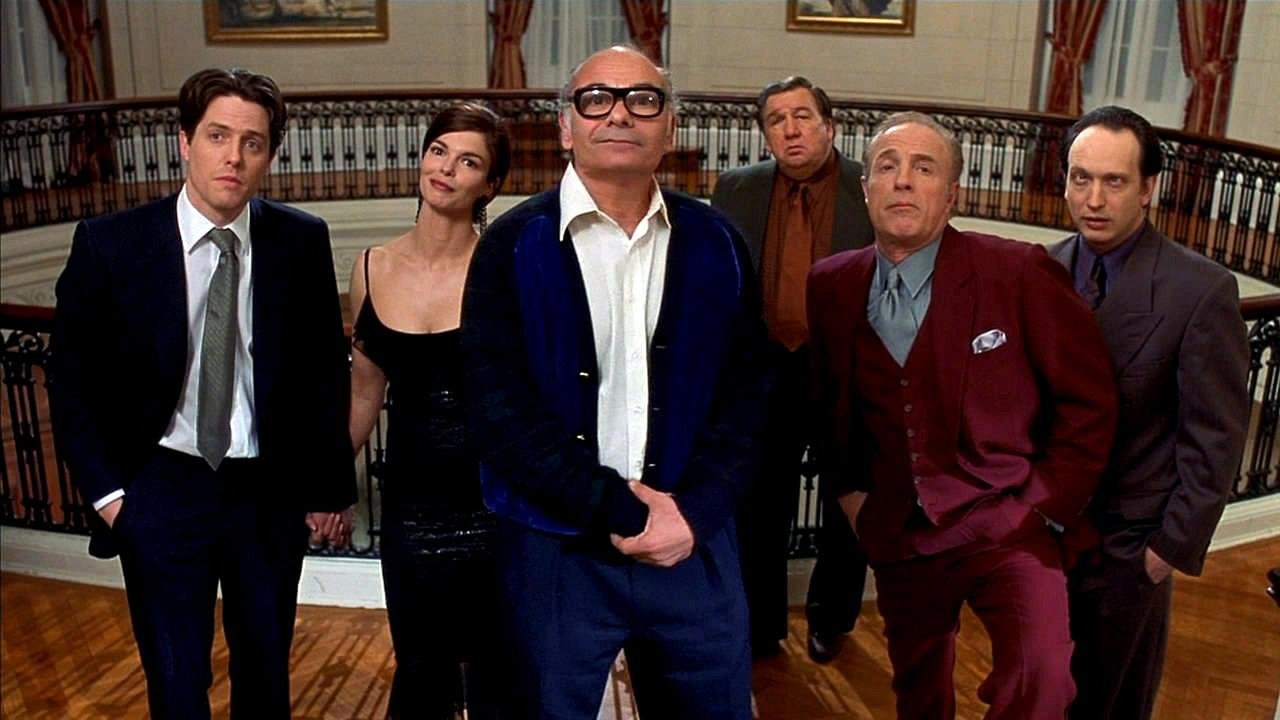
Supporting players like Jeanne Tripplehorn (who had already proven her mettle in films like Basic Instinct (1992) and Waterworld (1995)) provides the necessary romantic heart and exasperation, while familiar faces like Burt Young (Paulie from the Rocky films!) pop up, adding another layer of authentic mob-movie flavour. Director Kelly Makin, primarily known for TV work including Canadian sketch comedy gems like The Kids in the Hall, keeps things moving at a brisk, efficient pace. It’s not a film overflowing with visual flair, perhaps, but it serves the comedy well, letting the performances and the script shine. It feels like a solid, well-oiled studio comedy from that specific time.
### Laughs Over Lookouts
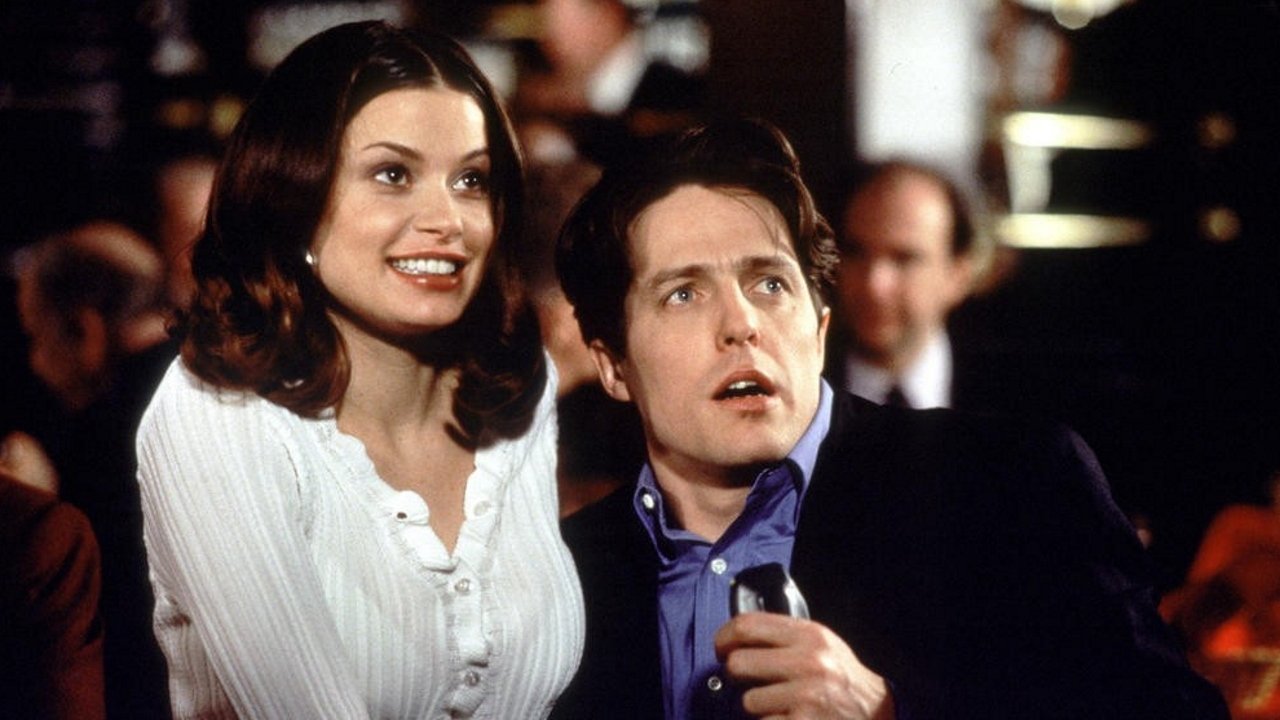
Let's be clear: this isn't a gritty gangster exposé or an action-packed thriller. The "action" here is purely comedic – Michael accidentally laundering money through his auction house, inadvertently getting involved in a mob hit, and ultimately having to adopt the persona of the titular "Mickey Blue Eyes," a supposedly fearsome gangster from Kansas City. The scene where he tries to intimidate rivals using bizarrely mangled tough-guy speak is a highlight, showcasing Grant's talent for physical comedy and verbal gymnastics. Filmed primarily on location in New York City, the backdrop adds a touch of authenticity to the escalating farce.
The film landed in cinemas in late summer 1999 and did reasonably well, pulling in about $54 million worldwide against a $30 million budget – a modest success, if not a blockbuster. Critical reception was mixed, with some finding it formulaic, but audiences often responded warmly to its charm and the central performances. Like so many comedies of its ilk, it arguably found its true home on VHS and DVD, becoming a reliable rental night pick for anyone seeking straightforward laughs and a feel-good vibe. It’s the kind of movie you’d happily watch on a fuzzy CRT, maybe with a pizza, feeling perfectly content.
### The Verdict
Mickey Blue Eyes isn't high art, and it never pretends to be. It's a warm, funny, and surprisingly sweet comedy built on a classic fish-out-of-water structure and powered by two perfectly cast leads playing beautifully off each other. Hugh Grant delivers his signature charm offensive, while James Caan provides the cool, menacing counterpoint. It’s packed with quotable lines and memorable comedic situations that still raise a chuckle today.
Rating: 7/10
Why this score? It achieves exactly what it sets out to do: provide consistent laughs and charming entertainment. The performances are spot-on, the premise is fun, and while it follows a predictable path, it does so with wit and warmth. It loses a few points for a slightly formulaic plot and not quite reaching the comedic heights of Grant's absolute best, but it's a thoroughly enjoyable ride.
Final Thought: It’s a cannoli of a comedy – maybe not the most sophisticated dish, but sweet, satisfying, and a perfect example of that late-90s comfort food cinema we happily devoured on tape. Leave the gun, take the giggles.